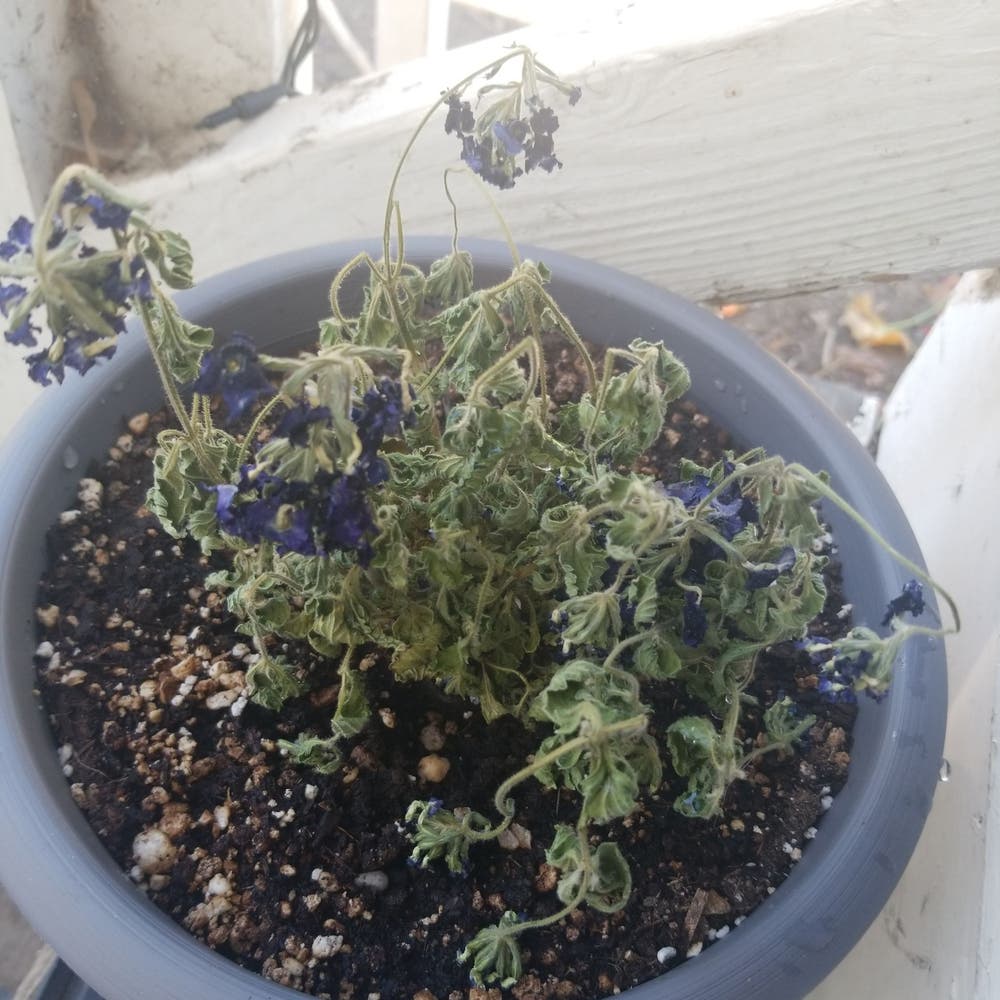
5 Tips for Fertilizing Your Purple Rain Flower 🌸
Verbena 'Purple Rain'
By the Greg Editorial Team
Oct 17, 2024•5 min read
This article was created with the help of AI so we can cover more plants for you. May contain errors. See one? Report it here.
- 🌱 Choose the right fertilizer: organic for slow release, synthetic for quick boosts.
- 💧 Water thoroughly after applying granular fertilizers to activate nutrients effectively.
- 📅 Fertilize every 4-6 weeks in spring and summer for optimal growth and blooms.
How to Fertilize
🌱 Choosing the Right Fertilizer
Organic vs. Synthetic
When it comes to fertilizing your Purple Rain flower, choosing between organic and synthetic fertilizers is crucial. Organic options, like compost, fish emulsion, and bone meal, offer slow-release nutrients and enhance soil health.
On the other hand, synthetic fertilizers provide quick-release nutrients for immediate availability. This can be beneficial if your plant needs a rapid nutrient boost.
💧 Application Methods
Granular Fertilizers
For granular fertilizers, the application technique is straightforward. Simply distribute the granules evenly around the base of the plant.
After applying, watering is essential. This helps activate the nutrients and ensures they reach the roots effectively.
Liquid Fertilizers
Liquid fertilizers require careful preparation. Always follow the manufacturer’s instructions for dilution ratios to avoid over-concentration.
Apply liquid fertilizers every 4-6 weeks during the growing season for optimal results. This regular feeding keeps your plant thriving.
Foliar Feeding
Foliar feeding is another effective method. Spray the leaves during early morning or late afternoon for the best absorption.
This technique allows for quick nutrient uptake through the leaves, giving your plant a fast-acting boost.
📋 Step-by-Step Fertilization Process
- Choose the appropriate fertilizer type (organic or synthetic).
- Measure the recommended dosage based on the growth stage of your plant.
- Apply using your chosen method (granular, liquid, or foliar).
- Water the plant thoroughly after application to activate the nutrients.
By following these steps, you can ensure your Purple Rain flower receives the nutrients it needs to flourish. Next, let's explore when to fertilize for maximum effectiveness.
When to Fertilize
🌱 Seasonal Fertilization Schedule
Timing is everything when it comes to fertilizing your Purple Rain flower.
Spring: Begin fertilizing as soon as you notice new growth. This is the plant's way of saying it's ready for some nutrients.
Summer: Keep the momentum going by fertilizing every 4-6 weeks. This helps sustain growth during the peak season.
Fall: As the plant prepares for dormancy, reduce the frequency of fertilization. This allows it to conserve energy for the winter months.
⏰ Timing for Pre-Bloom and Post-Bloom Fertilization
Pre-bloom and post-bloom periods are crucial for your plant's health.
Pre-bloom: Fertilize 2-4 weeks before you expect blooms. This gives your plant the boost it needs to produce vibrant flowers.
Post-bloom: After blooming, apply a light fertilization. This supports recovery and sets the stage for a robust next season.
Understanding when to fertilize ensures your Purple Rain flower thrives throughout the year. With the right timing, you'll enjoy a flourishing plant that brings beauty to your space.
Next, let’s explore how much to fertilize for optimal growth.
How Much to Fertilize
Recommended Dosage Based on Growth Stage 🌱
When it comes to fertilizing your Purple Rain flower, dosage matters. For young plants, use only 1/4 strength of the recommended dosage to avoid overwhelming them.
Established plants, on the other hand, can handle the full strength as per package instructions. They’ve got a solid root system and can benefit from the nutrients without any risk.
Adjusting Fertilizer Amounts ⚖️
Container plants require a different approach. Because their soil volume is limited, apply more frequent, lower doses to keep them nourished without causing nutrient buildup.
For ground planting, you can afford to be less frequent with higher doses. The soil retains nutrients longer, making it easier for your plants to access what they need.
With these guidelines, you’ll ensure your Purple Rain flowers thrive beautifully. Next, let’s explore when to fertilize for optimal growth.
Avoiding Over-Fertilization
🚩 Signs of Over-Fertilization
Over-fertilization can be a sneaky problem for your Purple Rain flower. Look out for leaf burn, which manifests as brown tips and edges on leaves, signaling too much fertilizer.
Another red flag is stunted growth. If your plant isn’t producing new growth despite proper care, it might be time to reassess your fertilization practices.
💧 Remedies for Over-Fertilization
If you suspect over-fertilization, flushing the soil is a crucial step. Water the plant thoroughly to help leach out excess nutrients and restore balance.
Additionally, adjust your future fertilization practices based on how your plant responds. This will help you avoid repeating the same mistakes.
🛡️ Best Practices to Prevent Over-Fertilization
To keep your plants thriving, regular soil testing is essential. This will help you determine nutrient levels before applying any fertilizer.
Following a strict fertilization schedule is equally important. This approach will help you avoid unnecessary applications and keep your Purple Rain flower healthy and vibrant.
By being mindful of these practices, you can ensure your plant receives just the right amount of nutrients. Next, let’s explore common fertilizing mistakes that can hinder your plant's growth.
Common Fertilizing Mistakes
Misunderstanding Nutrient Ratios 🌱
Matching fertilizer ratios to your plant's specific needs is crucial. Using inappropriate fertilizers can lead to nutrient imbalances, stunted growth, or even plant death.
Ignoring Soil Testing 🧪
Soil testing is your best friend when it comes to effective fertilization. It helps tailor your approach to specific nutrient deficiencies, ensuring your plants get exactly what they need. Aim to test your soil at least once a year for optimal results.
Fertilizing During Dormancy ❄️
Fertilizing while your plants are dormant can cause serious harm, including potential root damage. The best practice is to pause fertilization during the winter months, allowing your plants to rest and rejuvenate.
Understanding these common mistakes can significantly enhance your fertilization strategy. By avoiding these pitfalls, you’ll set your Purple Rain flowers up for a thriving growing season. Next, let’s explore how much fertilizer to use for optimal growth.
⚠️ Safety First
This content is for general information and may contain errors, omissions, or outdated details. It is not medical, veterinary advice, or an endorsement of therapeutic claims.
Always consult a qualified healthcare professional before using any plant as food, medicine, or supplement.
Never eat any plant (or feed one to pets) without confirming its identity with at least two trusted sources.
If you suspect poisoning, call Poison Control (800) 222-1222, the Pet Poison Helpline (800) 213-6680, or your local emergency service immediately.
Spotted an error? Please report it here.
Elevate your Purple Rain flower's growth with tailored fertilization tips 🌸 from Greg, ensuring you bloom beautifully and thrive all season long!