🌧 Good Temperature Range for Your Purple Rain Flower
Verbena 'Purple Rain'
By the Greg Editorial Team
Oct 17, 2024•3 min read
This article was created with the help of AI so we can cover more plants for you. May contain errors. See one? Report it here.
- 🌡️ Temperature stress symptoms include leaf discoloration, wilting, and stunted growth.
- 🌞 Optimal temperatures are crucial for vibrant blooms and robust growth in Purple Rain Flowers.
- 🧊 Protect from extremes by covering plants and relocating indoors during cold snaps.
Temperature Stress in Purple Rain Flower
Symptoms of Temperature Stress 🌡️
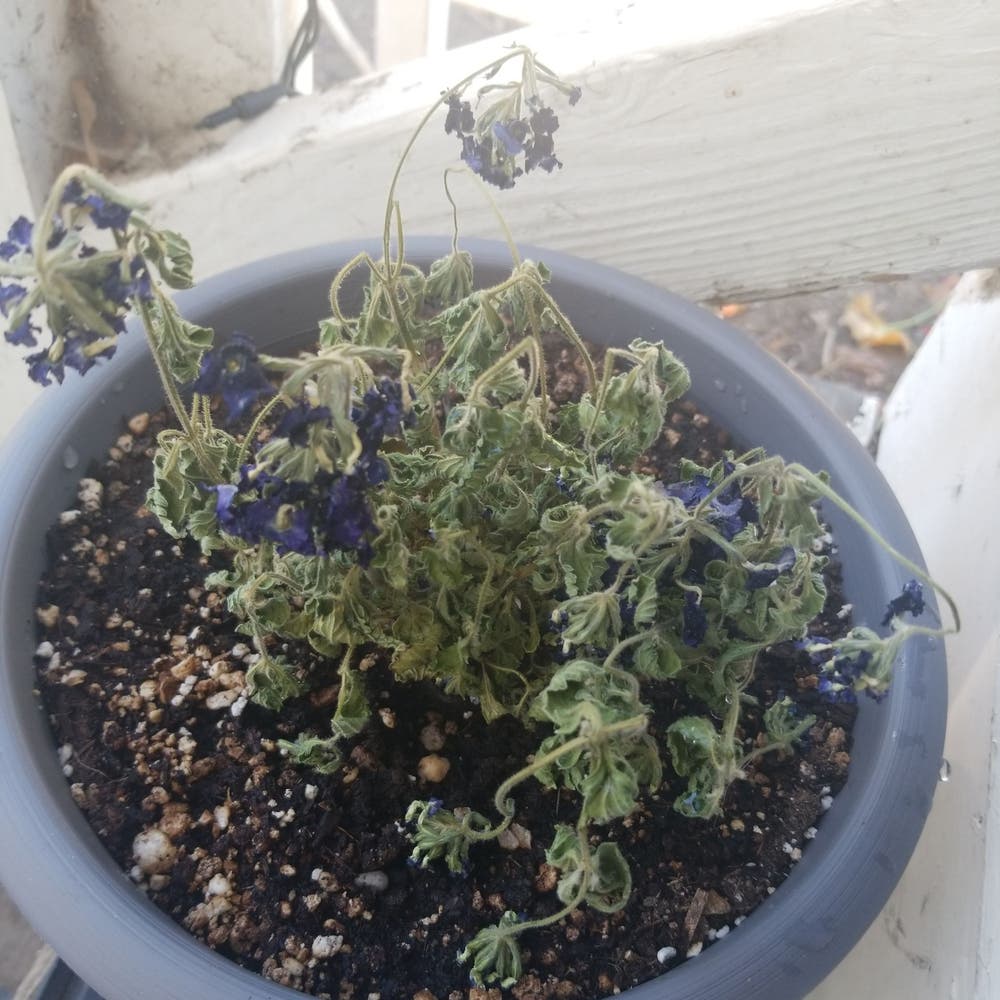
Temperature stress can manifest in several noticeable ways. One of the first signs is leaf discoloration, where leaves may turn yellow or brown, indicating distress.
Additionally, you might observe wilting or drooping leaves. This is often accompanied by stunted growth or a reduction in flowering, signaling that the plant is struggling to thrive.
Another critical aspect to watch for is behavioral changes. When under temperature stress, the plant's metabolic processes slow down, which can significantly affect its nutrient uptake.
Causes of Temperature Stress 🔍
Understanding the causes of temperature stress is essential for effective management. One major factor is temperature fluctuations. Rapid changes between day and night temperatures can shock the plant.
Moreover, sudden drops in temperature due to unexpected weather changes can also lead to stress.
Prolonged exposure to temperature extremes is another culprit. Extended periods of heat or cold beyond the plant's tolerance levels can severely impact its health and vitality.
By recognizing these symptoms and causes, you can take proactive steps to protect your Purple Rain Flower from temperature stress. This understanding sets the stage for effective temperature management techniques, ensuring your plant remains vibrant and healthy.
Temperature Management Techniques
Protecting from Extreme Heat 🌞
When the sun blazes down, your Purple Rain Flower needs a little TLC. Providing shade during peak sunlight hours can make a world of difference, helping to prevent leaf scorch and wilting.
Another effective strategy is using mulch. This not only retains soil moisture but also helps regulate temperature, keeping the roots cool and happy.
Protecting from Cold Snaps ❄️
Cold snaps can sneak up on you, but there are ways to safeguard your plants. Covering them with frost cloth or blankets during unexpected cold spells can shield them from harsh temperatures.
For potted plants, consider bringing them indoors or to a sheltered location when temperatures drop. This simple move can protect them from chilling winds and frost, ensuring they thrive year-round.
By implementing these temperature management techniques, you can create a more stable environment for your Purple Rain Flower, promoting its health and vibrancy. Next, let’s explore how temperature impacts growth and flowering.
Impact of Temperature on Growth
🌸 Effects on Flowering and Growth Rate
Optimal temperatures are crucial for your Purple Rain Flower. When conditions are just right, you’ll see vibrant blooms and robust growth.
Conversely, temperature extremes can be detrimental. Too much heat or cold can stunt flowering and slow down growth rates, leaving your plant looking less than its best.
🏥 Long-term Health Implications
Continuous exposure to temperature stress can seriously weaken your plant's health. Over time, this can lead to diminished vitality and resilience.
Maintaining optimal temperature conditions is essential for the longevity of your Purple Rain Flower. A little attention to temperature can go a long way in ensuring your plant thrives beautifully.
⚠️ Safety First
This content is for general information and may contain errors, omissions, or outdated details. It is not medical, veterinary advice, or an endorsement of therapeutic claims.
Always consult a qualified healthcare professional before using any plant as food, medicine, or supplement.
Never eat any plant (or feed one to pets) without confirming its identity with at least two trusted sources.
If you suspect poisoning, call Poison Control (800) 222-1222, the Pet Poison Helpline (800) 213-6680, or your local emergency service immediately.
Spotted an error? Please report it here.
Keep your Purple Rain Flower flourishing by mastering temperature control 🌡️ with Greg's tailored care tips and reminders to ensure it thrives in its ideal environment!