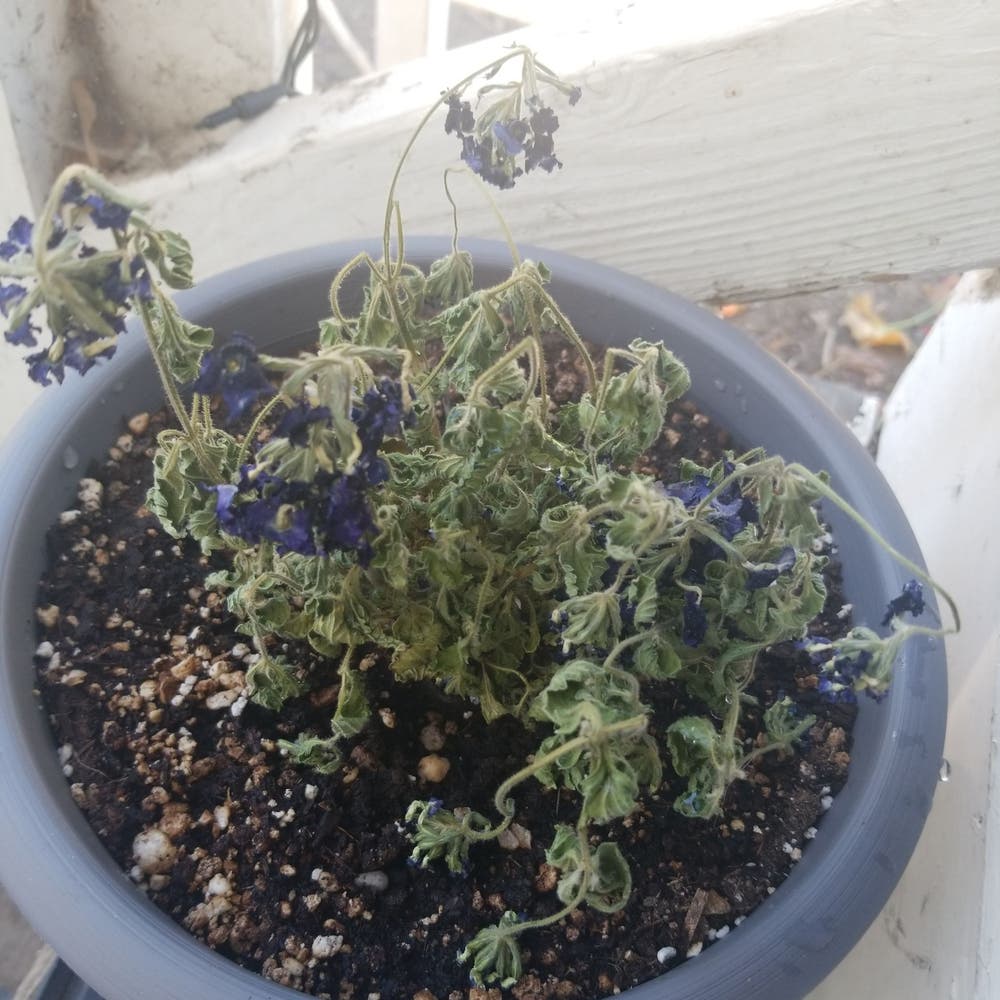
🌸 Best Tips for Dealing with Brown Spots on Purple Rain Flower
Verbena 'Purple Rain'
By the Greg Editorial Team
Oct 17, 2024•6 min read
This article was created with the help of AI so we can cover more plants for you. May contain errors. See one? Report it here.
- 🌱 Brown spots stem from fungal infections, overwatering, and nutrient deficiencies.
- 💧 Ensure good drainage and stable humidity to prevent brown spots on Purple Rain flowers.
- 🐛 Regularly check for pests like spider mites to maintain plant health and prevent damage.
Causes of Brown Spots
🍄 Fungal Infections and Diseases
Fungal infections are a primary culprit behind brown spots on your Purple Rain flower. Leaf spot disease is particularly common, characterized by dark, irregular spots that can spread quickly if not addressed.
High humidity and poor air circulation create the perfect breeding ground for these fungi. Keeping your plant in a well-ventilated area can significantly reduce the risk of infection.
💧 Overwatering and Poor Drainage
Overwatering is another major cause of brown spots. Signs include yellowing leaves, wilting, and even root rot, which can be devastating for your plant's health.
To combat this, ensure your soil drains well. Using a mix of potting soil and perlite can help maintain the right moisture balance.
🥦 Nutrient Deficiencies
Nutrient deficiencies can also lead to unsightly brown spots. Nitrogen is crucial for foliage growth; a lack of it can result in yellowing leaves and stunted growth.
Potassium plays a vital role in overall plant vigor and leaf integrity. Without enough potassium, your plant may struggle to maintain healthy leaves.
🐜 Pest Infestations
Pests like spider mites and aphids can wreak havoc on your Purple Rain flower. Spider mites are tiny and often leave webbing, while aphids can cause curling leaves and stunted growth.
Identifying these pests early is crucial for effective treatment. Regular checks can help you catch infestations before they escalate.
🌡️ Environmental Stress
Environmental stress factors, such as temperature fluctuations, can also contribute to brown spots. Ideally, your Purple Rain flower thrives in stable temperatures, typically between 65°F and 75°F.
Maintaining consistent humidity levels is equally important. Sudden changes can shock the plant, leading to brown spots and overall decline in health.
Understanding these causes will empower you to take proactive steps in caring for your Purple Rain flower. Next, we’ll explore how to diagnose brown spots effectively.
Diagnosing Brown Spots
Identifying Symptoms of Leaf Spots 🌿
Brown spots on your Purple Rain flower can vary significantly in size, shape, and color. Typically, these spots may appear as small, dark brown flecks or larger, irregular patches that can take on a yellowish halo.
Differentiating Between Types of Spots 🔍
It's crucial to distinguish between fungal and environmental spots. Fungal spots often have a more defined edge and may spread rapidly, while environmental spots usually appear more random and are often accompanied by other stress signs, like wilting.
Assessing Plant Health and Growth Conditions 📊
Evaluating your plant's overall health is essential. Look for signs of stress, such as drooping leaves or stunted growth, which can indicate underlying issues that need addressing.
By closely observing these symptoms, you can better understand the health of your Purple Rain flower and take appropriate action. Next, we’ll explore effective treatment options to tackle those pesky brown spots.
Treatment Options
Step-by-Step Guide to Treating Fungal Infections 🌱
Dealing with fungal infections can feel daunting, but a systematic approach makes it manageable.
- Identify the type of fungal infection. Knowing what you're up against is crucial for effective treatment.
- Remove affected leaves to prevent spread. This simple step can save your plant from further damage.
- Apply appropriate fungicide (organic or chemical). Choose a product that suits your preference and follow the instructions carefully.
- Improve air circulation around the plant. Good airflow helps prevent future outbreaks.
Adjusting Watering Practices 💧
Watering is a delicate balance.
- Guidelines for proper watering: Check soil moisture before watering. Aim for a frequency that keeps the soil moist but not soggy.
- Signs to look for to avoid overwatering: Yellowing leaves and wilting are red flags that you might be giving your plant too much love.
Fertilization Techniques to Address Nutrient Deficiencies 🌿
Nutrient deficiencies can lead to brown spots, but the right fertilizers can help.
- Recommended fertilizers for the plant: Liquid fertilizers are great for quick absorption, while granular options provide a slow-release effect.
- Application frequency and amounts: Generally, fertilize every 4-6 weeks during the growing season, but always follow package instructions for specific amounts.
Pest Control Methods 🐞
Pests can wreak havoc on your Purple Rain Flower, but you have options.
- Organic pest control options: Neem oil and insecticidal soap are effective and safe for the environment. Beneficial insects can also help keep pests at bay.
- Chemical options: If you opt for chemical treatments, use them sparingly and follow safety guidelines to protect your plant and surrounding wildlife.
By implementing these treatment options, you can restore your Purple Rain Flower to its vibrant self. Next, let’s explore preventive measures to keep those brown spots at bay.
Preventive Measures
🌊 Best Practices for Watering and Soil Management
Proper soil drainage is crucial for the health of your Purple Rain flower. To ensure this, consider using soil amendments like perlite or vermiculite, which enhance aeration and drainage.
A well-draining potting mix is essential. Look for blends specifically designed for flowering plants, as they typically contain the right balance of nutrients and drainage properties.
📍 Choosing the Right Location
Selecting the optimal location for your plant can make a significant difference. Purple Rain flowers thrive in bright, indirect light, so place them near a window that filters sunlight.
Humidity is another key factor. Aim for a humidity level between 40-60%, which can often be achieved indoors with a humidifier or by placing a tray of water nearby.
🔍 Regular Monitoring for Pests and Diseases
Routine inspections are vital for catching issues early. Check your plant weekly for any signs of pests or diseases, such as discolored leaves or webbing.
Look for specific indicators like sticky residue from aphids or tiny specks from spider mites. Early detection can save your plant from severe damage.
🌱 Seasonal Care Tips to Prevent Stress
Adjusting your care practices with the seasons is essential for maintaining plant health. In warmer months, ensure your plant receives adequate water, as higher temperatures can lead to quicker evaporation.
During colder months, reduce watering frequency, as the plant's growth slows down. Keep an eye on humidity levels, as indoor heating can dry out the air, stressing your plant.
By following these preventive measures, you can help your Purple Rain flower flourish and minimize the risk of brown spots. Next, let’s dive into diagnosing those pesky brown spots to understand what’s going wrong.
⚠️ Safety First
This content is for general information and may contain errors, omissions, or outdated details. It is not medical, veterinary advice, or an endorsement of therapeutic claims.
Always consult a qualified healthcare professional before using any plant as food, medicine, or supplement.
Never eat any plant (or feed one to pets) without confirming its identity with at least two trusted sources.
If you suspect poisoning, call Poison Control (800) 222-1222, the Pet Poison Helpline (800) 213-6680, or your local emergency service immediately.
Spotted an error? Please report it here.
Keep your Purple Rain flower thriving and vibrant 🌈 by using Greg's tailored care tips to tackle brown spots and ensure it gets the love it deserves!