🌸 Purple Rain Flower: A Perennial Plant
Verbena 'Purple Rain'
By the Greg Editorial Team
Oct 17, 2024•6 min read
This article was created with the help of AI so we can cover more plants for you. May contain errors. See one? Report it here.
- 🌼 Purple Rain Flower thrives for years, showcasing vibrant blooms in summer.
- 🌱 Healthy roots are essential for regrowth after winter dormancy.
- ☀️ Full sun boosts blooming, but partial shade is tolerated.
Characteristics of Purple Rain Flower as a Perennial
Multi-Year Lifecycle 🌱
The Purple Rain Flower thrives through a multi-year lifecycle, showcasing a remarkable growth cycle that includes emergence, flowering, and dormancy. In spring, the plant emerges from its roots, transitioning into a vibrant flowering phase during the summer, followed by a period of dormancy in the fall.
Understanding this timeline is crucial for gardeners. Spring marks the rebirth of the plant, while summer brings forth its stunning blooms. As temperatures drop in the fall, the plant prepares for dormancy, conserving energy for the next cycle. Healthy roots are essential for this sustained growth, as they anchor the plant and absorb vital nutrients.
Growth Patterns and Regrowth 🌼
The Purple Rain Flower's root system plays a pivotal role in its regrowth. After the dormancy period, the roots store energy, allowing the plant to bounce back each spring. This resilience is influenced by several factors, including soil quality, water availability, and sunlight exposure.
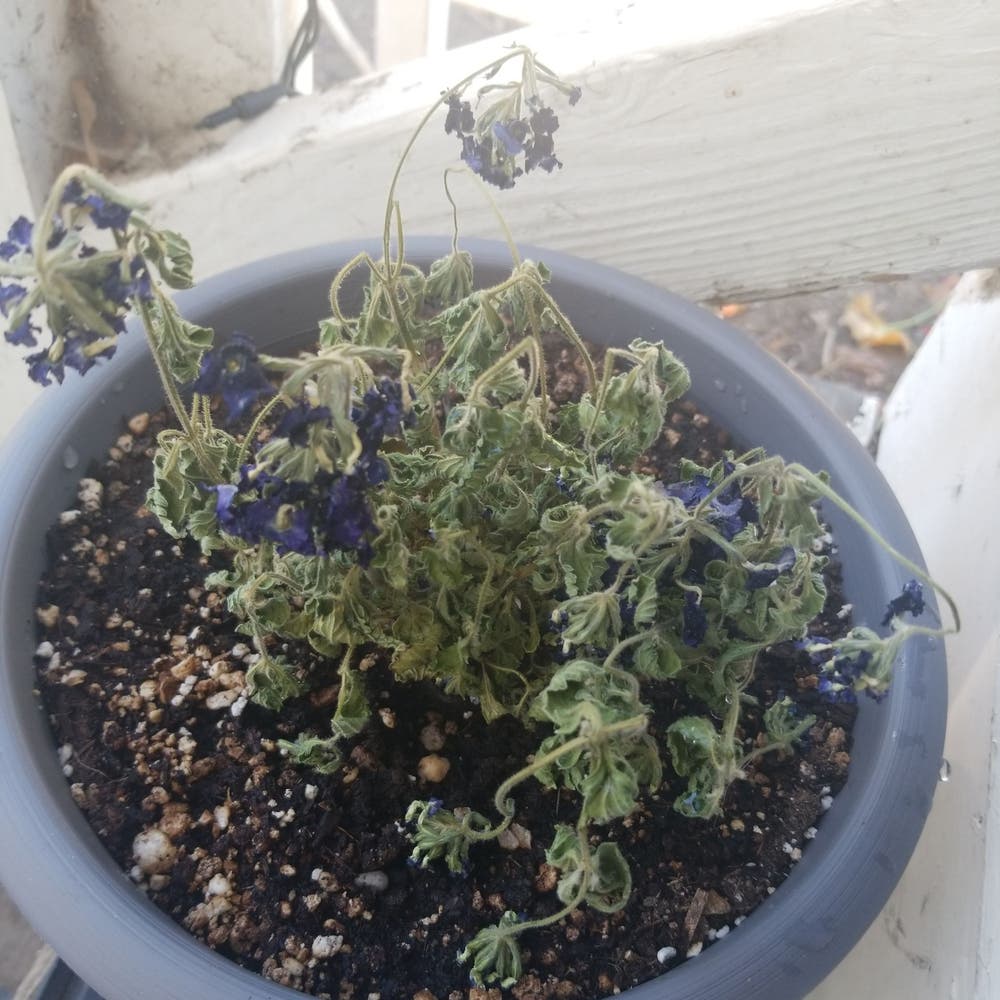
Gardeners can look for visual indicators of healthy regrowth each season. Lush green leaves, vibrant blooms, and robust stems signal that the plant is thriving. Conversely, wilting or discolored foliage may indicate underlying issues that need addressing. By monitoring these signs, you can ensure your Purple Rain Flower remains a stunning perennial in your garden.
As we explore the seasonal changes and dormancy of the Purple Rain Flower, understanding its growth patterns will help you appreciate its resilience and beauty even more.
Seasonal Changes and Dormancy
🌱 Dormancy Periods
Dormancy in perennials like the Purple Rain Flower is a natural survival strategy. During this phase, the plant conserves energy and resources, allowing it to withstand unfavorable conditions.
For the Purple Rain Flower, dormancy typically occurs in late fall and lasts through winter. This period can vary slightly depending on local climate conditions, but it generally begins around November and ends in early spring.
Signs that indicate the plant is entering dormancy include yellowing leaves and a noticeable slowdown in growth. As temperatures drop, the plant prepares for a restful phase, ensuring it can thrive when warmer weather returns.
🍂 Seasonal Changes Affecting Growth
Seasonal temperature changes significantly impact the growth patterns of the Purple Rain Flower. Warmer spring temperatures trigger new growth, while cooler autumn weather signals the onset of dormancy.
The flowering patterns of this perennial are influenced by environmental triggers such as daylight length and temperature. Peak blooming typically occurs in mid-summer, when conditions are just right.
Adaptations to seasonal changes include leaf drop in fall, which helps conserve water and energy. During dormancy, the plant reduces metabolic activity, allowing it to survive until the next growing season.
Understanding these seasonal changes is crucial for gardeners. By recognizing the signs of dormancy and growth, you can better care for your Purple Rain Flower and ensure its long-term health.
As we explore the advantages of this perennial, you'll see how its resilience can benefit your garden planning.
Advantages for Gardeners
🌼 Benefits of Perennial Nature
The Purple Rain Flower offers significant advantages for gardeners, primarily through its perennial nature. With this plant, you can enjoy reduced replanting efforts, making it a long-term investment in your garden design.
Established root systems enhance drought resistance, allowing the plant to thrive even in less-than-ideal conditions. Over time, this translates to cost-effectiveness compared to annuals, as you won’t need to purchase new plants each season.
⏳ Expected Lifespan and Longevity Factors
Typically, the Purple Rain Flower can live for several years, providing a reliable presence in your garden. However, its longevity is influenced by various factors, including climate, soil health, and care practices.
Monitoring environmental conditions is crucial for optimal lifespan. By ensuring your plant receives the right care, you can enjoy its beauty for many seasons to come.
As you consider these advantages, think about how the Purple Rain Flower can fit into your garden planning. Its resilience and low maintenance make it an excellent choice for both novice and experienced gardeners alike.
Climate Zone Variations
Variations in Behavior Across Climates 🌍
Climate zones play a crucial role in the growth of the Purple Rain Flower. These zones determine how well the plant adapts to temperature fluctuations and moisture availability.
Hardiness zones suitable for the Purple Rain Flower typically range from 4 to 9. This means it can thrive in a variety of climates, from cooler northern regions to warmer southern areas.
Adaptations to varying climates include temperature tolerance and moisture needs. In cooler climates, the plant may require more protection during harsh winters, while in warmer zones, it may need additional watering to prevent stress.
Impact of Growing Conditions 🌱
Soil type and drainage significantly influence the health of the Purple Rain Flower's roots. Well-draining soil is essential to prevent root rot and promote robust growth.
Sunlight exposure also affects flowering and growth cycles. The plant generally prefers full sun but can tolerate partial shade, which can impact blooming intensity.
To optimize growing conditions in diverse environments, consider these strategies:
- Test soil pH and amend as necessary.
- Ensure adequate drainage by incorporating organic matter.
- Monitor sunlight exposure and adjust planting locations accordingly.
By understanding these factors, you can create an ideal environment for your Purple Rain Flower, ensuring it flourishes season after season.
Maximizing Benefits in Garden Planning
Tips for Long-Term Cultivation 🌱
Planting and maintaining Purple Rain Flower requires a few best practices to ensure its vibrant growth. Start by selecting a well-draining location with ample sunlight, as this perennial thrives in bright conditions.
Soil preparation is crucial for success. Enrich the soil with organic matter, such as compost, to enhance nutrient availability and improve drainage.
Nutrient management plays a significant role in the health of your Purple Rain Flower. Regularly test your soil and apply balanced fertilizers to support robust growth.
Watering is essential, especially during dry spells. Aim for deep watering sessions to encourage strong root development, and consider mulching to retain moisture and suppress weeds.
Strategies for Garden Integration 🌼
Companion planting can elevate the aesthetics and health of your garden. Pair Purple Rain Flower with other perennials like lavender or salvia, which can attract beneficial pollinators.
Planning for seasonal interest is key to a dynamic garden. Consider how the Purple Rain Flower's blooms can complement other plants, providing color and texture throughout the year.
Utilizing Purple Rain Flower in landscape design promotes sustainability. Its perennial nature means less frequent replanting, making it a resilient choice for eco-friendly gardening.
By following these tips and strategies, you can maximize the benefits of Purple Rain Flower in your garden, ensuring it thrives for years to come. Next, let’s explore how climate variations can impact its growth.
⚠️ Safety First
This content is for general information and may contain errors, omissions, or outdated details. It is not medical, veterinary advice, or an endorsement of therapeutic claims.
Always consult a qualified healthcare professional before using any plant as food, medicine, or supplement.
Never eat any plant (or feed one to pets) without confirming its identity with at least two trusted sources.
If you suspect poisoning, call Poison Control (800) 222-1222, the Pet Poison Helpline (800) 213-6680, or your local emergency service immediately.
Spotted an error? Please report it here.
Nurture your Purple Rain Flower to bloom brilliantly 🌸 with Greg's tailored care reminders and expert tips that ensure its vibrant growth through every season!