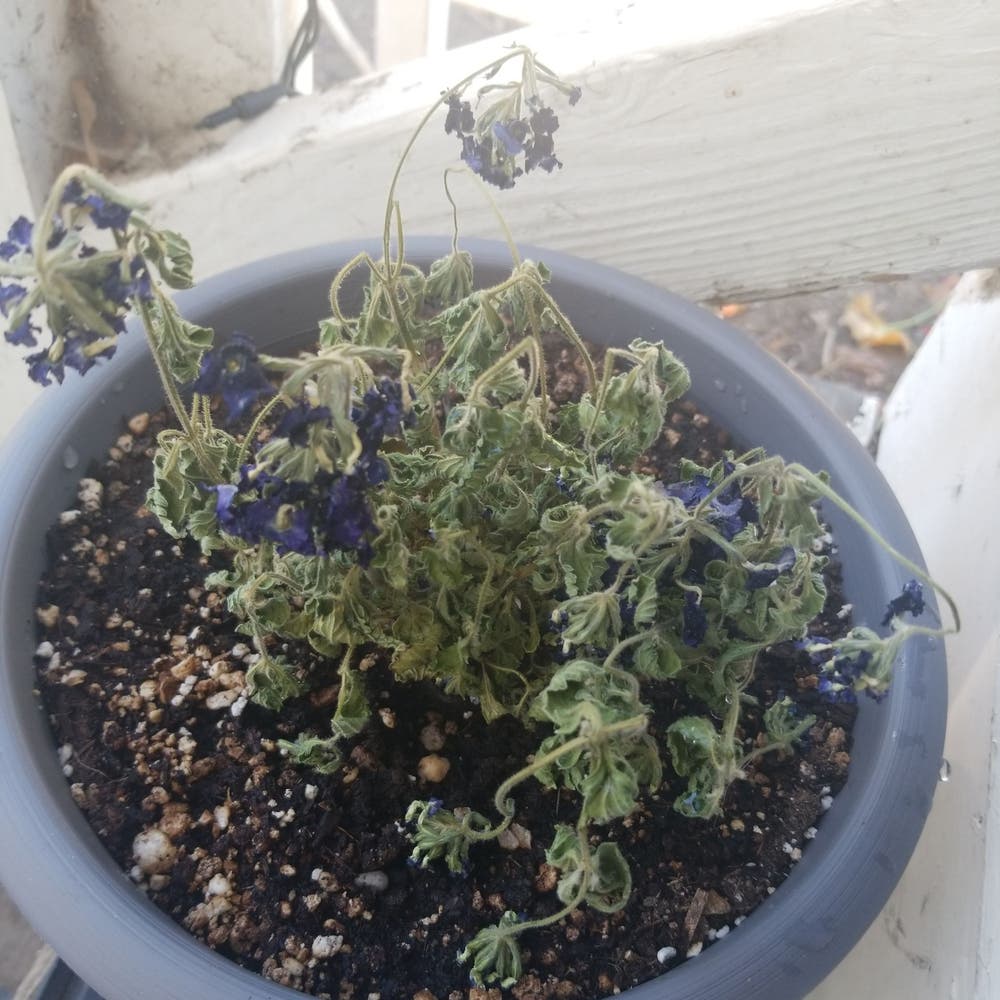
Top 5 Tips for Choosing Soil for Your Purple Rain Flower 🌸
Verbena 'Purple Rain'
By the Greg Editorial Team
Oct 17, 2024•5 min read
This article was created with the help of AI so we can cover more plants for you. May contain errors. See one? Report it here.
- 🌱 Optimal soil mix: 40% potting soil, 30% perlite, 30% compost ensures healthy growth.
- 🔍 Ideal pH range: Maintain between 6.0 and 7.0 for nutrient availability.
- 🌿 Signs of unhealthy soil: Look for mold, compaction, and yellowing leaves to address issues.
Ideal Soil Composition
Components for Optimal Growth 🌱
Choosing the right soil is crucial for your Purple Rain flower. A well-draining, nutrient-rich mix ensures robust growth.
For optimal results, consider the following components:
- 40% potting soil: Provides essential nutrients.
- 30% perlite or coarse sand: Enhances drainage.
- 30% organic compost: Enriches the soil with nutrients.
Soil texture plays a vital role in root development. A loamy texture promotes healthy roots, while heavy clay soils can trap moisture, leading to root rot.
Recommended Soil pH Levels ⚗️
Maintaining the right soil pH is essential for your plant's health. The ideal range is between 6.0 to 7.0, which is slightly acidic to neutral.
Proper pH levels affect nutrient availability, making regular testing a must. You can test soil pH using a soil pH meter or test kit, or send samples to a local extension service for analysis.
Understanding these soil components and pH levels will set you on the right path for nurturing your Purple Rain flower. Next, let’s explore how to identify and resolve unhealthy soil conditions.
Identifying and Resolving Unhealthy Soil
Signs of Unhealthy Soil 🌱
Recognizing unhealthy soil is crucial for the well-being of your Purple Rain flower. Common indicators include:
- Moldy Soil: Look for white or gray mold on the surface, which signals poor air circulation.
- Compaction: A hard, crusty surface can prevent water from soaking in, leading to dry roots.
- Foul Odor: A bad smell often indicates anaerobic conditions or decay, which can harm your plant.
Visually, you might notice stunted growth or yellowing leaves. These signs are red flags that your soil needs immediate attention.
Solutions for Unhealthy Soil 🛠️
If you encounter moldy soil, take action quickly. Start by removing the affected top layer and replacing it with fresh soil. Improving air circulation around the plant can also help prevent future mold issues.
For compacted soil, consider aerating it or repotting with a better mix. You can also use a fork to gently loosen compacted areas, allowing water and nutrients to penetrate more effectively.
By addressing these issues promptly, you can create a healthier environment for your Purple Rain flower to thrive. Next, let’s explore how to create a homemade soil mix that supports optimal growth.
Creating a Homemade Soil Mix
🥣 Ingredients for a Suitable Soil Mix
Creating the perfect homemade soil mix for your Purple Rain flower is straightforward. Start with 2 parts potting soil, which provides essential nutrients.
Next, add 1 part perlite or coarse sand to ensure excellent drainage. This helps prevent waterlogging, which can harm your plant's roots. Finally, include 1 part organic compost or well-rotted manure for a nutrient boost.
For an extra touch, consider adding coconut coir. This optional ingredient enhances moisture retention, keeping your soil consistently hydrated.
🛠️ Step-by-Step Guide to Mixing Soil
Mixing your soil is an easy process that can yield fantastic results. Follow these simple steps:
- Gather all ingredients in a large container. This makes mixing easier and more efficient.
- Mix thoroughly to ensure even distribution of all components. A well-blended mix promotes healthy growth.
- Test the pH of the mix to ensure it falls within the ideal range of 6.0 to 7.0. This step is crucial for nutrient availability.
- Adjust with amendments if necessary. If the pH is off, consider adding lime to raise it or sulfur to lower it.
With your homemade soil mix ready, you're well on your way to nurturing a thriving Purple Rain flower. Next, let’s explore how to enhance your soil with organic amendments for even better results.
Soil Amendments
🌱 Organic Amendments for Nutrient Enhancement
To give your Purple Rain flower the best chance to thrive, consider adding organic amendments.
- Worm castings are a fantastic nutrient boost, rich in beneficial microbes.
- Bone meal provides phosphorus, essential for promoting vibrant blooms.
- Kelp meal offers trace minerals that support overall plant health.
🛠️ How to Incorporate Amendments into Soil
Incorporating these amendments is straightforward and effective.
- Blend them into the top 2-3 inches of your soil.
- Water thoroughly to activate the nutrients and help them integrate.
Timing is crucial for success. Apply these amendments during the growing season for optimal results, and steer clear of heavy applications during dormancy.
⏰ Timing for Soil Amendments
Knowing when to amend your soil can make all the difference.
- Early spring is ideal for preparing your soil before new growth begins.
- Mid-summer is perfect for a nutrient boost while your flowers are in full bloom.
By following these guidelines, you’ll ensure your Purple Rain flower has the nutrients it needs to flourish. Next, let’s explore how to create a homemade soil mix that perfectly complements these amendments.
Seasonal Soil Considerations
🌦️ Adjusting Soil Care with Changing Seasons
As the seasons change, so should your approach to soil care for your Purple Rain flower. Each season brings unique needs that can significantly impact growth.
🌱 Spring: Preparing for Growth
In spring, it's time to prepare your soil for the active growth cycle. Amending and aerating the soil ensures that nutrients are readily available and that roots can breathe.
☀️ Summer: Monitoring Moisture
During the summer months, keep a close eye on moisture levels. Adjust your watering frequency to prevent both overwatering and drought stress, ensuring your plant thrives in the heat.
🍂 Fall: Reducing Watering
As fall approaches, begin to reduce watering as your plant enters dormancy. This helps prevent root rot and prepares your Purple Rain flower for the winter months ahead.
By adjusting your soil care with the seasons, you create an optimal environment for your plant to flourish. Next, let’s explore how to identify and resolve unhealthy soil conditions.
⚠️ Safety First
This content is for general information and may contain errors, omissions, or outdated details. It is not medical, veterinary advice, or an endorsement of therapeutic claims.
Always consult a qualified healthcare professional before using any plant as food, medicine, or supplement.
Never eat any plant (or feed one to pets) without confirming its identity with at least two trusted sources.
If you suspect poisoning, call Poison Control (800) 222-1222, the Pet Poison Helpline (800) 213-6680, or your local emergency service immediately.
Spotted an error? Please report it here.
Nurture your Purple Rain flower with the perfect soil mix 🌱 by using Greg's tailored tips and pH testing reminders to keep it thriving all season long!