🌧 Purple Rain Flower Roots 101
Verbena 'Purple Rain'
By the Greg Editorial Team
Oct 17, 2024•6 min read
This article was created with the help of AI so we can cover more plants for you. May contain errors. See one? Report it here.
- 🌱 Purple Rain flowers have fibrous roots for optimal nutrient and water absorption.
- 💧 Monitor moisture carefully to prevent root rot from overwatering.
- 🌼 Healthy roots are white and firm; brown, mushy roots indicate problems.
Root System Characteristics
Type of Root System 🌱
Purple Rain flowers boast a fibrous root system. This extensive network of thin roots allows for efficient nutrient and water absorption, making them well-suited for various environments.
Specific Characteristics 🌍
These roots are adaptable to different soil types, which is a significant advantage for gardeners. However, they are sensitive to overwatering, making it crucial to monitor moisture levels to prevent root rot.
Understanding these characteristics is essential for nurturing a healthy plant. With the right care, you can ensure your Purple Rain flowers thrive beautifully.
Next, let's explore the root depth and growth patterns that contribute to their overall health.
Root Depth and Growth Patterns
Typical Depth and Spread 🌱
The root system of the Purple Rain flower typically reaches an average depth of 12 to 18 inches. This depth allows for effective nutrient uptake while the roots spread outward, providing stability to the plant.
Growth Patterns 🌿
During the initial growth phase, the roots establish rapidly, anchoring the plant and preparing it for future growth. As the plant matures, it develops an extensive network of roots that supports overall health and resilience.
Understanding these growth patterns is crucial for effective care. A well-developed root system not only enhances nutrient absorption but also contributes to the plant's ability to withstand environmental stresses.
Next, we’ll explore care practices influenced by these root characteristics, ensuring your Purple Rain flower thrives.
Care Practices Influenced by Roots
💧 Watering Techniques
Maintaining consistent moisture is crucial for the health of Purple Rain flowers. However, be cautious to avoid waterlogging, which can lead to root rot.
For optimal results, water your plants weekly. Adjust this frequency based on climate conditions, ensuring the soil remains moist but not soggy.
🌱 Fertilizing Methods
Using the right type of fertilizer can significantly enhance root development. A balanced NPK fertilizer is ideal for promoting healthy growth.
Aim to fertilize every 4-6 weeks during the growing season. This regular feeding will support robust root systems and overall plant vitality.
🌍 Transplanting Considerations
Recognizing when to transplant is vital for your plant's health. Signs include root crowding or noticeable poor growth, indicating that the plant has outgrown its current pot.
When it’s time to transplant, timing and technique matter. Choose a cooler day to minimize stress, and gently loosen the roots before placing them in a larger container.
Understanding these care practices will empower you to nurture your Purple Rain flowers effectively. With proper watering, fertilizing, and transplanting, you can ensure a thriving, vibrant plant ready to flourish.
Common Root Issues
Identifying Problems 🌱
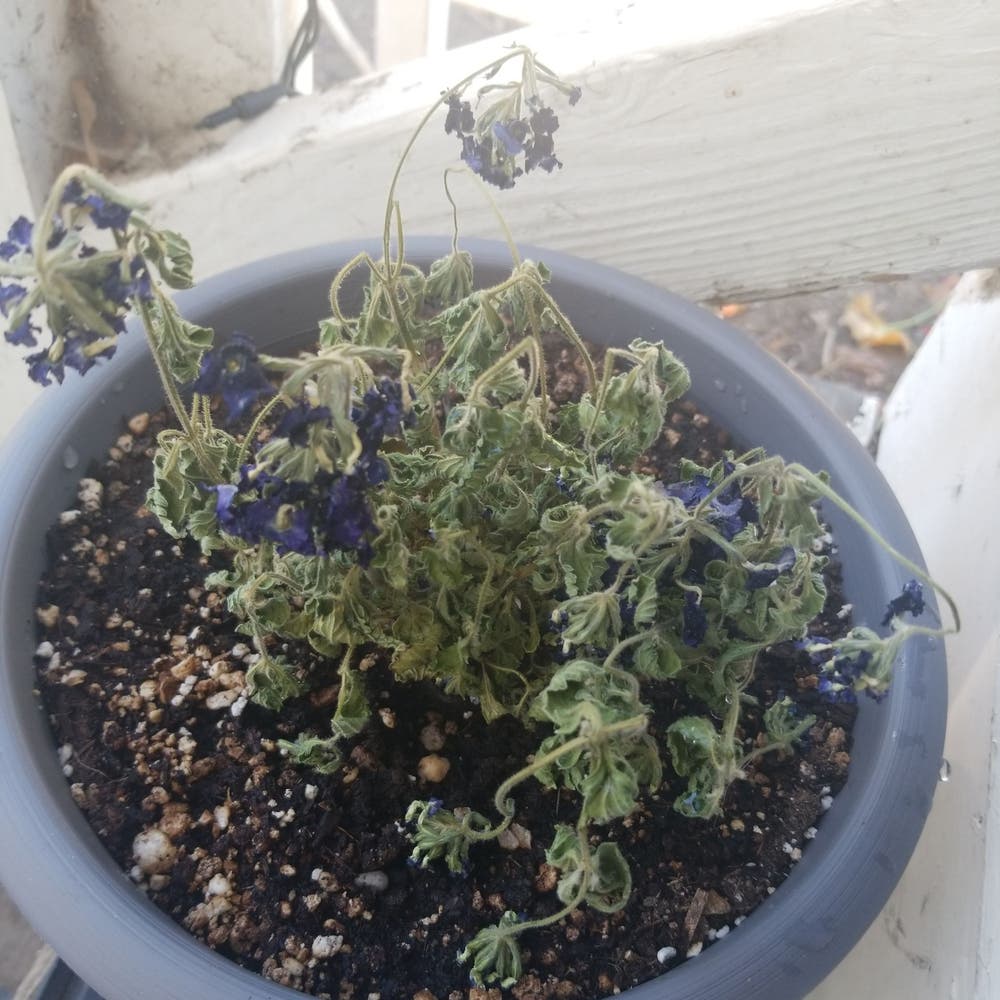
Root rot is a serious concern for Purple Rain flowers. Symptoms include yellowing leaves, wilting, and a foul smell emanating from the soil.
Overwatering is often the culprit behind root rot. Watch for signs like soggy soil and leaves that appear droopy despite adequate watering.
Prevention and Solutions 🛠️
To prevent these issues, adopt best practices for watering and soil management. Ensure your soil drains well and only water when the top inch feels dry.
If root rot occurs, repotting is essential. Remove the affected roots, and consider using soil amendments like perlite to improve drainage.
Indicators of Root Health
👀 Visual Cues
Healthy roots are a gardener's dream. Look for roots that are white, firm, and free of any unpleasant odor.
In contrast, unhealthy roots can spell trouble. If you notice brown, mushy roots with a foul smell, it's time to take action.
📊 Other Indicators
Beyond roots, plant vigor is a key sign of health. A robust growth rate and vibrant leaf color indicate that your plant is thriving.
Soil condition also plays a crucial role. Check moisture levels and drainage; well-draining soil supports healthy roots and overall plant vitality.
Understanding these indicators can help you maintain a flourishing garden. With keen observation, you can ensure your plants stay healthy and vibrant.
Next, let’s explore rootbound conditions and how to recognize and address them effectively.
Rootbound Conditions
Definition and Recognition 🌱
Rootbound conditions occur when a plant's roots grow in circles around the pot, limiting their ability to absorb water and nutrients. This can lead to stunted growth and poor overall health.
Signs of Rootbound Plants 🚩
Look for signs such as yellowing leaves, slow growth, and soil that dries out quickly. If you notice these symptoms, your plant may be struggling with rootbound issues.
Addressing Rootbound Issues 🔧
Timing is crucial when it comes to repotting a rootbound plant. Ideally, you should intervene during the growing season, when the plant is actively developing.
Steps to Remedy Rootbound Conditions 🛠️
- Choose a New Pot: Select a pot that is one size larger than the current one.
- Gently Remove the Plant: Carefully take the plant out of its pot, loosening the roots if necessary.
- Prune the Roots: Trim any excessively long or circling roots to encourage new growth.
- Repot with Fresh Soil: Place the plant in the new pot with fresh potting mix, ensuring the roots have room to expand.
By addressing rootbound conditions promptly, you can help your plant thrive and maintain its health. Understanding these signs and solutions will empower you to nurture your plants effectively.
Next, we’ll explore propagation and division, focusing on the importance of root health in these processes.
Propagation and Division
Importance of Root Health 🌱
Healthy roots are the backbone of successful propagation. They not only support new growth but also enhance the plant's resilience against diseases and environmental stressors.
When roots are strong, they can absorb nutrients and water efficiently, leading to robust plant development. This foundation is crucial for any propagation effort, ensuring that new plants thrive from the start.
Techniques for Division ✂️
Timing is everything when it comes to dividing plants. The best time to divide is during the growing season, ideally in spring or early summer when the plant is actively growing.
To divide, gently remove the plant from its pot and carefully separate the root ball into sections. Each section should have healthy roots and some foliage.
After division, proper care is essential. Water the newly divided plants thoroughly to help them settle in. Fertilizing them with a balanced NPK fertilizer every few weeks will also support their recovery and growth.
By following these techniques, you can ensure that your propagated plants have a strong start, leading to a flourishing garden.
As we move forward, let’s explore how to recognize and address rootbound conditions, which can hinder your plant's growth.
⚠️ Safety First
This content is for general information and may contain errors, omissions, or outdated details. It is not medical, veterinary advice, or an endorsement of therapeutic claims.
Always consult a qualified healthcare professional before using any plant as food, medicine, or supplement.
Never eat any plant (or feed one to pets) without confirming its identity with at least two trusted sources.
If you suspect poisoning, call Poison Control (800) 222-1222, the Pet Poison Helpline (800) 213-6680, or your local emergency service immediately.
Spotted an error? Please report it here.
Nurture your Purple Rain flowers to bloom brilliantly 🌸 by using Greg's tailored watering alerts and fertilization tips to keep their roots healthy and thriving!