🌸 3 Do's and Don'ts of Growing Purple Rain Flower
Verbena 'Purple Rain'
By the Greg Editorial Team
Oct 17, 2024•5 min read
This article was created with the help of AI so we can cover more plants for you. May contain errors. See one? Report it here.
- ☀️ Purple Rain flowers need 4-6 hours of sunlight; avoid harsh afternoon rays.
- 🌡️ Thriving above 15°C (59°F), protect from frost for optimal growth.
- 🌱 Use well-draining soil and maintain pH 6.0-7.0 for healthy roots.
Choosing a Location
🌞 Sunlight Requirements
To grow Purple Rain flowers successfully, aim for moderate sunlight exposure of about 4-6 hours daily. It's crucial to avoid harsh afternoon sun, as it can scorch the leaves and stunt growth.
🌡️ Climate Considerations
These flowers thrive in warm climates, ideally above 15°C (59°F). If you live in a colder area, be prepared to protect them from frost, as they are sensitive to chilly temperatures.
📏 Space and Accessibility
When planting outdoors, ensure there's adequate spacing between plants for proper air circulation. For container gardening, select a location that allows easy access for maintenance, making your gardening experience more enjoyable.
With the right location secured, you’re ready to dive into soil preparation and requirements for your Purple Rain flowers.
Soil Preparation and Requirements
🌱 Soil Type
To grow healthy Purple Rain flowers, start with well-draining soil. This ensures proper aeration and moisture retention, crucial for robust root development.
A recommended soil mix consists of equal parts potting soil, perlite, and compost. This combination provides the nutrients your plants need while allowing excess water to escape.
⚖️ Soil pH
Maintaining the right soil pH is essential for optimal growth. Aim for a pH range of 6.0 to 7.0, which supports nutrient availability.
You can test your soil pH using simple home testing kits or by sending samples to professional services. Knowing your soil's pH helps you make necessary adjustments for thriving plants.
🏡 Preparing the Planting Area
Before planting, prepare your outdoor beds by clearing away debris. Tilling the soil and adding organic matter enhances its structure and fertility.
For container gardening, ensure your pots have drainage holes to prevent waterlogging. Choose containers that are at least 12 inches deep to accommodate healthy root growth.
With the right soil preparation, your Purple Rain flowers will have a solid foundation for growth. Next, let’s dive into effective planting techniques to ensure your flowers thrive.
Planting Techniques
Timing for Planting 🌱
The best time to plant your Purple Rain Flower is in the spring, right after the last frost. If you're starting seedlings indoors, make sure to acclimatize them gradually to outdoor conditions for a smoother transition.
Planting Depth and Spacing 📏
When planting, aim for a depth of 1 to 2 inches. For outdoor beds, space your plants 12 to 18 inches apart; if you're using containers, stick to one plant per pot for optimal growth.
Initial Care Post-Planting 💧
Water your plants immediately after planting to help settle the soil around the roots. Adding a layer of mulch will help retain moisture and keep those pesky weeds at bay.
With these planting techniques in place, you're well on your way to nurturing a thriving Purple Rain Flower garden. Next, let’s dive into the essential aspects of watering and fertilizing to keep your plants healthy and vibrant.
Watering and Fertilizing
💧 Watering Schedule and Techniques
Water your Purple Rain flowers once a week, but be ready to adjust based on the weather. If it’s particularly hot or dry, they might need a bit more love.
Deep watering is key; it encourages strong root growth. Avoid overhead watering to minimize the risk of fungal diseases, which can be a real buzzkill for your plants.
🌱 Fertilizing Guidelines
Fertilize your flowers monthly during the growing season to keep them thriving. A balanced NPK fertilizer, like 10-10-10, works wonders, but don’t shy away from organic options like compost tea.
Watch for signs of nutrient deficiency, such as yellowing leaves or stunted growth. These can be red flags that your plants need a little extra care.
With proper watering and fertilizing, your Purple Rain flowers will flourish beautifully. Next, let’s dive into the essential pruning and maintenance techniques to keep them in top shape!
Pruning and Maintenance
Pruning Techniques for Healthy Growth 🌱
Pruning your Purple Rain Flower is essential for promoting robust growth. Aim to prune in early spring, just before new growth begins, to give your plant a fresh start.
Pinching back the tips of the stems encourages a bushier appearance. Additionally, remove any dead or diseased foliage to keep your plant healthy and vibrant.
Ongoing Care and Maintenance 🔍
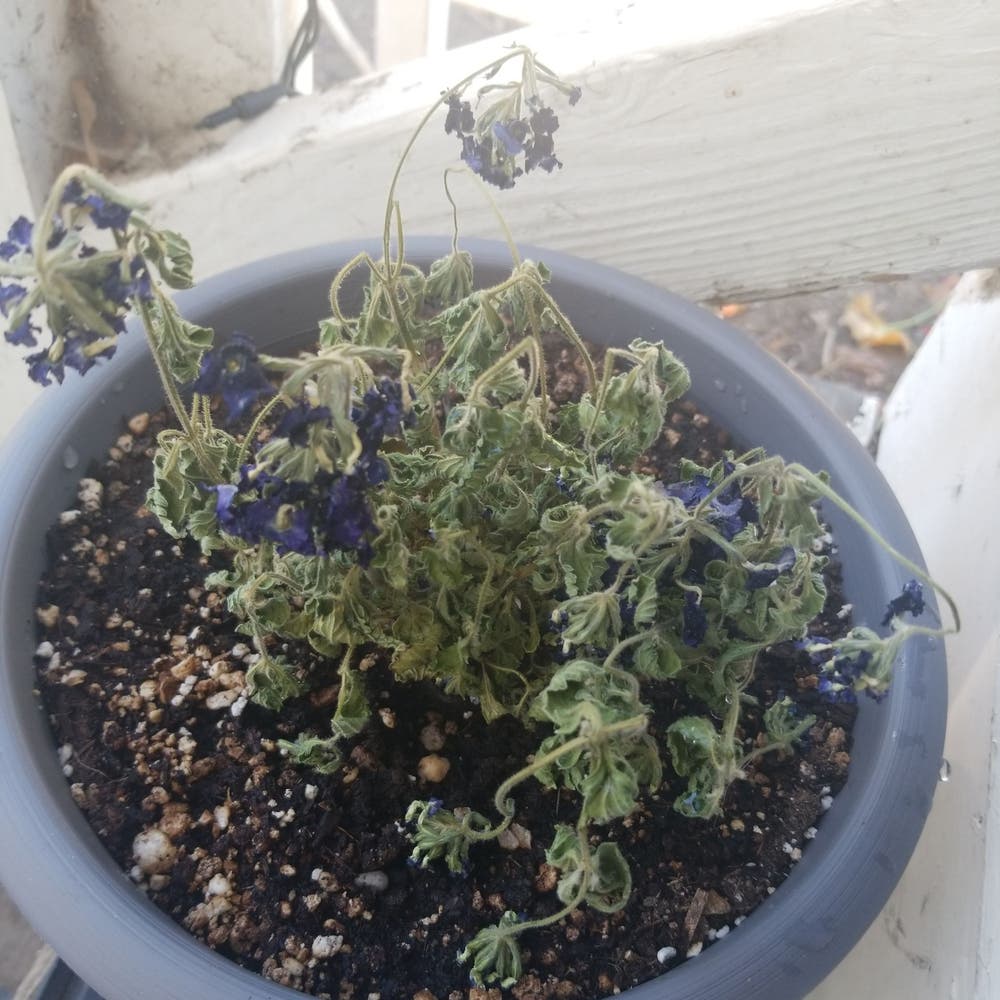
Regular inspections are key to catching pests and diseases early. Look for signs of trouble, such as wilting or discoloration, to address issues promptly.
Deadheading spent flowers is another crucial task. This simple act not only keeps your plant looking tidy but also promotes continuous blooming, ensuring your garden stays colorful throughout the season.
With these pruning and maintenance tips, your Purple Rain Flower will thrive, bringing beauty and joy to your space. Next, let’s explore common challenges and solutions to keep your plants in top shape.
Common Challenges and Solutions
🐛 Identifying Pests and Diseases
Growing Purple Rain flowers can be rewarding, but pests can quickly turn your garden into a battleground. Common culprits include aphids, spider mites, and whiteflies.
Watch for signs of infestation such as wilting leaves, discoloration, and webbing. Early detection is key to preventing serious damage.
🛠️ Troubleshooting Growth Issues
Sometimes, even the best care can lead to growth issues like leaf drop or poor flowering. These problems can stem from various factors, including improper watering or insufficient sunlight.
To troubleshoot, adjust your watering practices, check for root rot, and ensure your plants receive adequate sunlight. A little attention can go a long way in keeping your Purple Rain flowers thriving.
With these tips, you can tackle common challenges and enjoy a flourishing garden. Next, let’s explore how to maintain your plants for ongoing success.
⚠️ Safety First
This content is for general information and may contain errors, omissions, or outdated details. It is not medical, veterinary advice, or an endorsement of therapeutic claims.
Always consult a qualified healthcare professional before using any plant as food, medicine, or supplement.
Never eat any plant (or feed one to pets) without confirming its identity with at least two trusted sources.
If you suspect poisoning, call Poison Control (800) 222-1222, the Pet Poison Helpline (800) 213-6680, or your local emergency service immediately.
Spotted an error? Please report it here.
Transform your garden into a vibrant paradise 🌸 by following these do's and don'ts for Purple Rain flowers, and let Greg guide you with tailored care reminders and expert advice for thriving blooms!