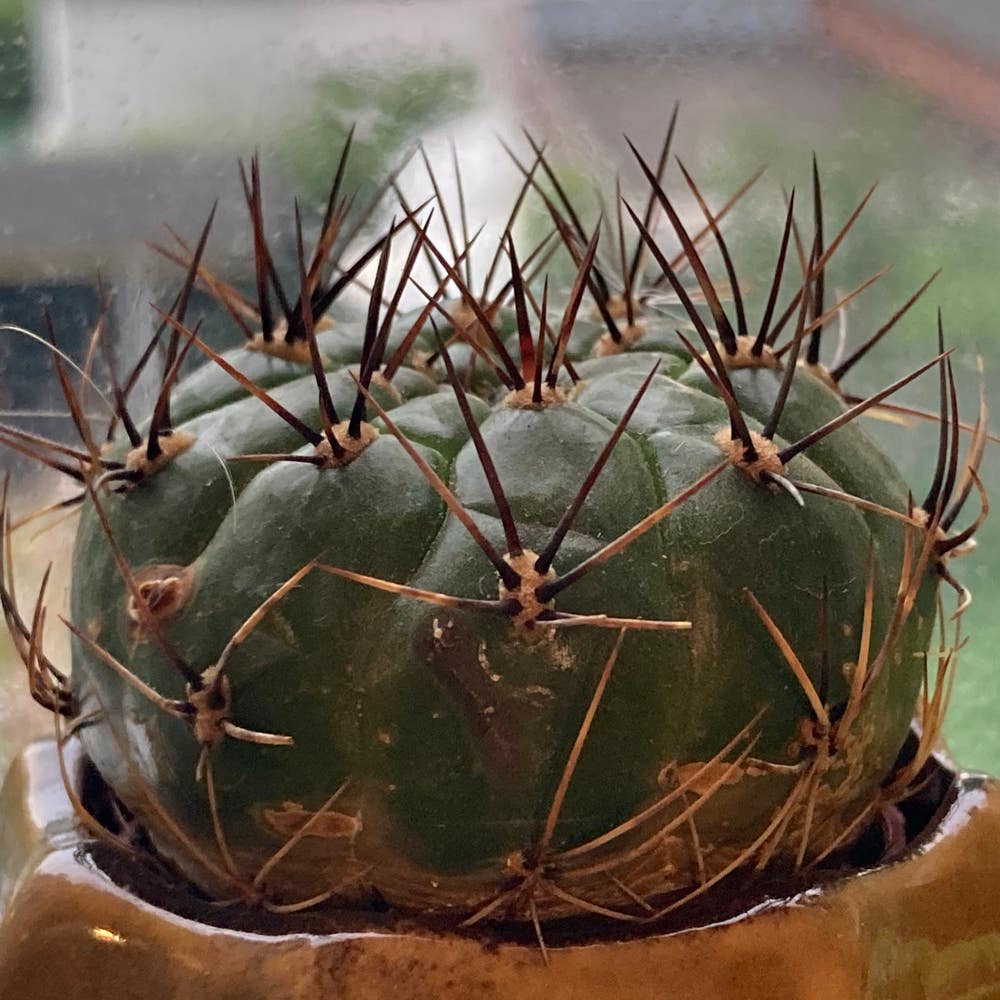
🐞 Ultimate Guide to What's Eating Your Madison's Matucana
Matucana madisoniorum
By the Greg Editorial Team
Sep 29, 2024•6 min read
This article was created with the help of AI so we can cover more plants for you. May contain errors. See one? Report it here.
Safeguard your Madison's Matucana from pesky herbivores while inviting nature's helpers for a flourishing garden! 🌱
- 🦌 Madison's Matucana faces threats from deer, rabbits, squirrels, and more.
- 🚫 Effective deterrents include fencing, repellents, and companion planting.
- 🐝 Beneficial insects like bees enhance pollination, vital for plant health.
Common Herbivores Affecting Madison's Matucana
🦌 Deer
Signs of presence and damage caused
Look for hoof prints in the soil, which indicate deer activity. They often browse on young shoots and flowers, leading to stunted growth.
Beneficial vs. harmful interaction
Deer interactions are generally harmful. They can decimate young plants and significantly hinder growth.
Deterrent methods
To deter deer, consider using commercial deer repellents. Alternatively, plant deer-resistant species nearby or use human hair and soap shavings as organic deterrents.
🐇 Rabbits
Signs of presence and damage caused
Rabbits leave small, rounded footprints. They cause damage by cleanly cutting stems and leaves at a 45-degree angle.
Beneficial vs. harmful interaction
Rabbits are generally harmful to your plants. Their feeding habits can severely damage young plants.
Deterrent methods
Bitter-tasting sprays can act as chemical deterrents. For an organic approach, erect fencing that is 2-3 feet high and consider planting rabbit-resistant plants.
🐿️ Squirrels
Signs of presence and damage caused
Look for chewed stems and signs of digging around the base of the plant. Squirrels can strip bark and uproot young plants.
Beneficial vs. harmful interaction
Squirrels are generally harmful. Their activities can lead to plant instability and even death.
Deterrent methods
Use squirrel repellents as a chemical solution. For an organic option, install motion-activated sprinklers or use netting to protect your plants.
🐦 Birds
Signs of presence and damage caused
Peck marks on flowers and fruits are clear signs of bird activity. Their feeding can lead to the loss of flowers and fruits, affecting pollination.
Beneficial vs. harmful interaction
Bird interactions are mixed. While some birds serve as beneficial pollinators, others can cause significant damage.
Deterrent methods
Bird deterrent sprays can help keep them at bay chemically. For an organic solution, use scare tactics like reflective tape or wind chimes.
🐭 Rodents (mice, voles, etc.)
Signs of presence and damage caused
Look for small holes in the soil and gnaw marks on stems. Rodents can cause root damage and stem girdling, leading to plant decline.
Beneficial vs. harmful interaction
Rodents are generally harmful. They can cause significant damage to your plants.
Deterrent methods
Chemical deterrents like rodent bait stations can be effective. Alternatively, use traps and encourage natural predators, such as cats or owls, to control their population.
🦡 Groundhogs/Woodchucks
Signs of presence and damage caused
Large burrows near the plant and chewed foliage are signs of groundhog activity. They can completely remove young plants and flowers.
Beneficial vs. harmful interaction
Groundhogs are generally harmful. They can devastate a garden quickly.
Deterrent methods
Commercial repellents can serve as a chemical deterrent. For an organic approach, install fencing that is at least 3 feet high and buried 12 inches underground.
Understanding these common herbivores and their interactions with Madison's Matucana is crucial for effective garden management. Next, we will explore the beneficial animals that can enhance your garden ecosystem.
Beneficial Animals and Ecological Role
🐝 Pollinators: Nature's Little Helpers
Madison's Matucana thrives thanks to its vibrant visitors. Bees and butterflies play a crucial role in flower fertilization, ensuring that these plants can produce their beautiful blooms and fruits.
🦅 Predatory Birds: Guardians of the Garden
Predatory birds also contribute significantly to the ecosystem. They help control pest populations, keeping harmful herbivores in check and maintaining a balanced environment.
🌱 Positive Impacts on the Garden Ecosystem
Enhanced Pollination
The presence of these beneficial animals leads to enhanced pollination. This not only results in better fruit production but also contributes to the overall health of your garden.
Natural Pest Control
Through their predatory habits, these birds provide natural pest control. This reduces the need for chemical interventions, promoting a healthier garden ecosystem.
By fostering an environment that attracts these beneficial animals, you can create a thriving habitat for your Madison's Matucana. This not only supports plant health but also enriches the entire garden experience.
As we explore further, let’s look at general strategies for protecting your plants from herbivores while encouraging these helpful creatures.
General Strategies for Protection
🛡️ Preventive Measures for Protecting Madison's Matucana
Fencing is one of the most effective ways to keep larger herbivores away from your Madison's Matucana. Installing barriers that are at least 3 feet high can deter deer and groundhogs, while burying the bottom 12 inches helps prevent burrowing.
Companion planting is another smart strategy. By surrounding your Matucana with plants that herbivores typically avoid, you can create a natural deterrent that enhances your garden's resilience.
⚠️ Reactive Solutions for Managing Animal Interactions
Monitoring your garden regularly is crucial. Keep an eye out for signs of animal activity, such as tracks or chewed leaves, to catch potential issues early.
Once you notice any signs, take immediate action. Using deterrents like sprays or traps can help manage animal interactions before they escalate.
🌱 Seasonal Variations in Animal Attraction to Madison's Matucana
Understanding seasonal patterns can significantly improve your protection strategies. In spring, expect increased activity from rabbits and deer as they search for fresh growth.
As summer progresses, squirrels and birds become more attracted to ripening fruits. Being aware of these changes allows you to adjust your protective measures accordingly.
By implementing these strategies, you can create a thriving environment for your Madison's Matucana while minimizing the impact of herbivores. Next, let’s explore the beneficial animals that can enhance your garden ecosystem.
Toxicity and Animal Interaction
Madison's Matucana has mild toxicity that can influence herbivore behavior. This characteristic may deter some animals while attracting others, creating a complex interaction in your garden.
🧪 Understanding Toxicity
The mild toxicity of Madison's Matucana can serve as a natural defense mechanism. While it may keep certain herbivores at bay, others might be undeterred, leading to a mixed bag of interactions.
🦌 Implications for Herbivore Interactions
Recognizing which animals are affected by this toxicity is crucial for effective management. For instance, while some deer may avoid the plant, rabbits and squirrels might not be as cautious.
🚧 Managing Animal Presence
To manage these interactions, consider implementing a combination of deterrent methods. Monitoring animal activity and adjusting your strategies based on observed behavior can help protect your plants.
Understanding the balance between toxicity and attraction can empower you to create a thriving garden ecosystem. With the right approach, you can enjoy the beauty of Madison's Matucana while minimizing damage from herbivores.
This knowledge sets the stage for exploring general strategies for protecting your plants from various animal interactions.
⚠️ Safety First
This content is for general information and may contain errors, omissions, or outdated details. It is not medical, veterinary advice, or an endorsement of therapeutic claims.
Always consult a qualified healthcare professional before using any plant as food, medicine, or supplement.
Never eat any plant (or feed one to pets) without confirming its identity with at least two trusted sources.
If you suspect poisoning, call Poison Control (800) 222-1222, the Pet Poison Helpline (800) 213-6680, or your local emergency service immediately.
Spotted an error? Please report it here.
Keep your Madison's Matucana thriving 🌿 by using Greg's personalized tips to fend off pesky herbivores and ensure your plant flourishes all year round!