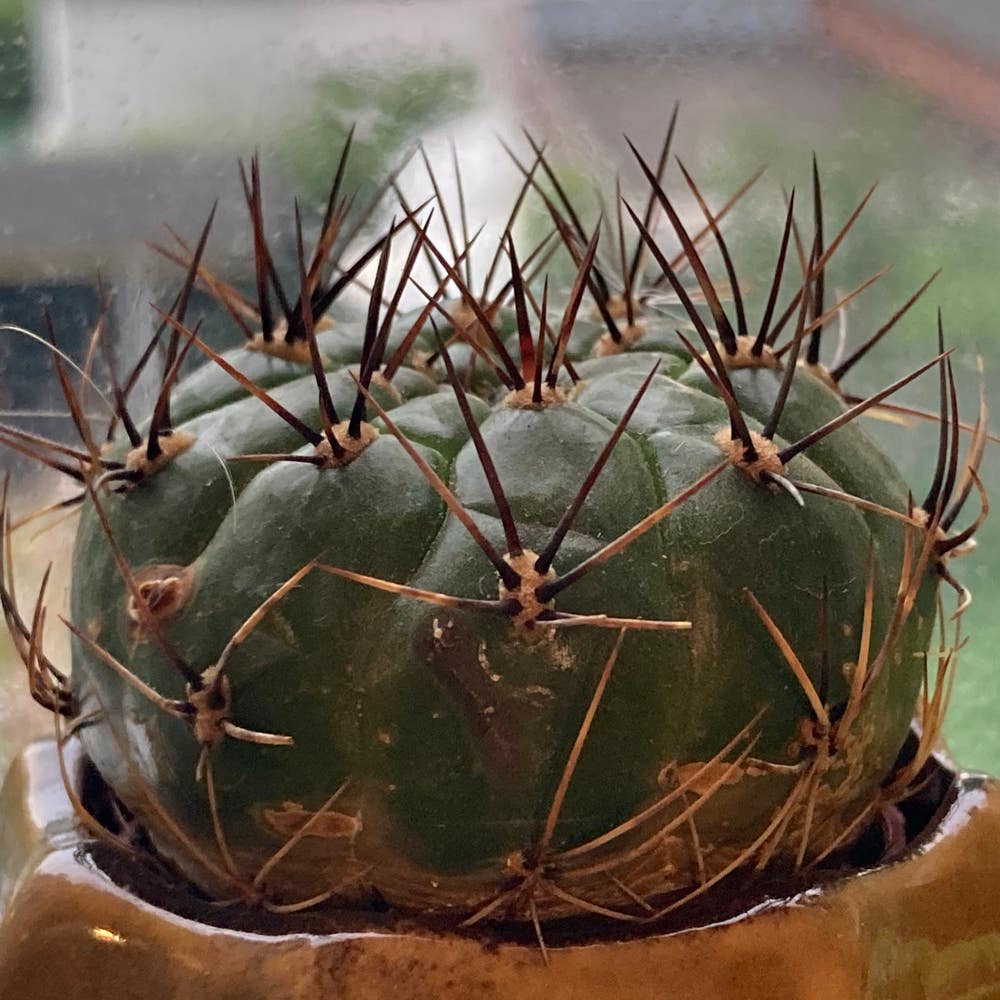
🌵 How Can You Tell If A Matucana madisoniorum Is Dying?
Matucana madisoniorum
By the Greg Editorial Team
Feb 14, 2024•5 min read
This article was created with the help of AI so we can cover more plants for you. May contain errors. See one? Report it here.
Revive your wilting Matucana madisoniorum 🌵 and prevent its demise with life-saving care secrets!
- 🌵 Yellow leaves and mushy stems signal over-watering; let soil dry out.
- Rotate for even light, maintain 65-80°F to prevent fading, browning, or leggy growth.
- Regular checks for pests and mold; use insecticidal soap or fungicides as needed.
When Water Works Against You
💧 Over-watering Woes
Yellowing leaves and stems that feel like yesterday's oatmeal are your Matucana madisoniorum's way of saying, "Ease up on the agua!" If the soil's aroma reminds you of a high school locker room, that's over-watering for you.
To rescue your cactus, stop watering and let the soil dry out faster than your phone on a 1% battery. If the roots look like they've been through a blender, it's time to trim the mush and repot in a well-draining mix.
🌵 The Thirsty Cactus
When your Matucana madisoniorum starts resembling a prune, it's a cry for hydration. Drooping leaves and a growth spurt that's more of a growth halt signal it's time to quench that thirst.
Proper hydration starts with a thorough watering, letting excess water drain away completely. Imagine giving your cactus a CamelBak—only fill it up when the soil is dry an inch down, and never let it sit in a puddle.
Light and Temperature: The Balancing Act
🌞 Too Much Sun, Too Little Light
Fading and browning leaves are distress signals from your Matucana madisoniorum—it's getting too much sun. Leggy growth, on the other hand, indicates a need for more light. Your cactus is not a fan of extremes.
🔄 Adjusting Light for a Happy Cactus
To prevent your cactus from stretching or scorching, rotate it periodically for even light exposure. Ensure it receives bright, indirect sunlight, and consider using sheer curtains to diffuse intense rays. Your cactus craves consistency, not a light rollercoaster.
🌡️ Temperature Tantrums
Discoloration and slow growth are your cactus's way of saying the temperature isn't right. It's not just being picky; it's genuinely stressed.
🌡️ Stabilizing Your Cactus's Climate
Keep the temperature steady between 65°F and 80°F. Shield your cactus from drafts and radiators alike. Think of it as creating a microclimate—a stable bubble where your cactus can thrive without the threat of temperature mood swings.
Uninvited Guests and Unseen Enemies
🐜 Pests: The Tiny Terrors
Your Matucana madisoniorum could be under stealth attack by pests. Spider mites, mealybugs, and scale insects are the usual suspects. They're not just a nuisance; they sap vitality from your cactus, leaving behind webbing, white fluff, or sticky leaves.
🕵️ Identifying Invaders
Check regularly for these signs. Inspect the nooks and crannies, especially the undersides of leaves. If you spot any tiny bugs or webbing, it's time to take action.
💪 Fight or Flight
For a light infestation, a strong blast of water can knock pests off their feet. More stubborn guests may require insecticidal soap or neem oil. In severe cases, chemical pesticides may be necessary. Remember, they're potent; use them as a last resort and follow the label to the letter.
Fungus Among Us
Mold and mildew can be just as sneaky as pests. Look out for fuzzy growth or a musty smell, which indicate a fungal issue. These are signs your cactus is throwing a rave for fungi, and it's time to shut it down.
🍄 Mold and Mildew Markers
Fuzzy growths and a musty smell are dead giveaways. Ensure good airflow around your cactus to prevent these uninvited guests.
🌬️ Clearing the Air
When mold or mildew crashes the party, fungicides are your cleanup crew. Apply them according to instructions, and take steps to improve air circulation. This can help prevent future fungal gatecrashers from settling in.
The Underground Issue: Root Rot
🚫 Rotten to the Core: Detecting Root Rot Before It's Too Late
Root rot is the silent killer of Matucana madisoniorum, often going unnoticed until it's almost too late. Yellowing leaves, wilting, and a foul smell from the soil are your first hints of trouble. If the roots look more like dark, mushy strings rather than firm, white tendrils, it's time to act.
🛠️ The Root of the Problem: Treatment and Prevention of Root Rot
🕵️ Unearthing the Damage
First, remove the plant from its pot for a thorough inspection. If the roots are brown and squishy, it's time for surgery. With sterilized shears, cut away the affected parts. It's like removing dead weight to let the healthy tissue thrive.
🌱 Repotting for Recovery
Next, give your cactus a fresh start in well-draining soil. Ensure the pot has proper drainage holes to prevent future waterlogging. Think of it as setting the stage for a comeback.
💧 Watering Wisely
Adjust your watering habits. The goal is to keep the soil moist but not soggy. It's a delicate balance, like finding the perfect amount of cream in your coffee.
🕵️ Monitoring and Maintenance
Keep a close eye on your cactus post-treatment. Proper ventilation and the right amount of water are crucial. Avoid over-fertilizing, as this can stress the plant and make it more susceptible to diseases.
🛡️ Prevention Is Key
Preventative measures include environmental control. Use tools like thermometers and hygrometers to monitor temperature and humidity. A clean, clutter-free space promotes air circulation, which is key to keeping those roots dry and healthy. Remember, a proactive approach is always better than a reactive one.
⚠️ Safety First
This content is for general information and may contain errors, omissions, or outdated details. It is not medical, veterinary advice, or an endorsement of therapeutic claims.
Always consult a qualified healthcare professional before using any plant as food, medicine, or supplement.
Never eat any plant (or feed one to pets) without confirming its identity with at least two trusted sources.
If you suspect poisoning, call Poison Control (800) 222-1222, the Pet Poison Helpline (800) 213-6680, or your local emergency service immediately.
Spotted an error? Please report it here.
Nurture your Matucana madisoniorum back to health with Greg's personalized reminders 🌵, perfectly timing your waterings and sun exposure for a thriving cactus.