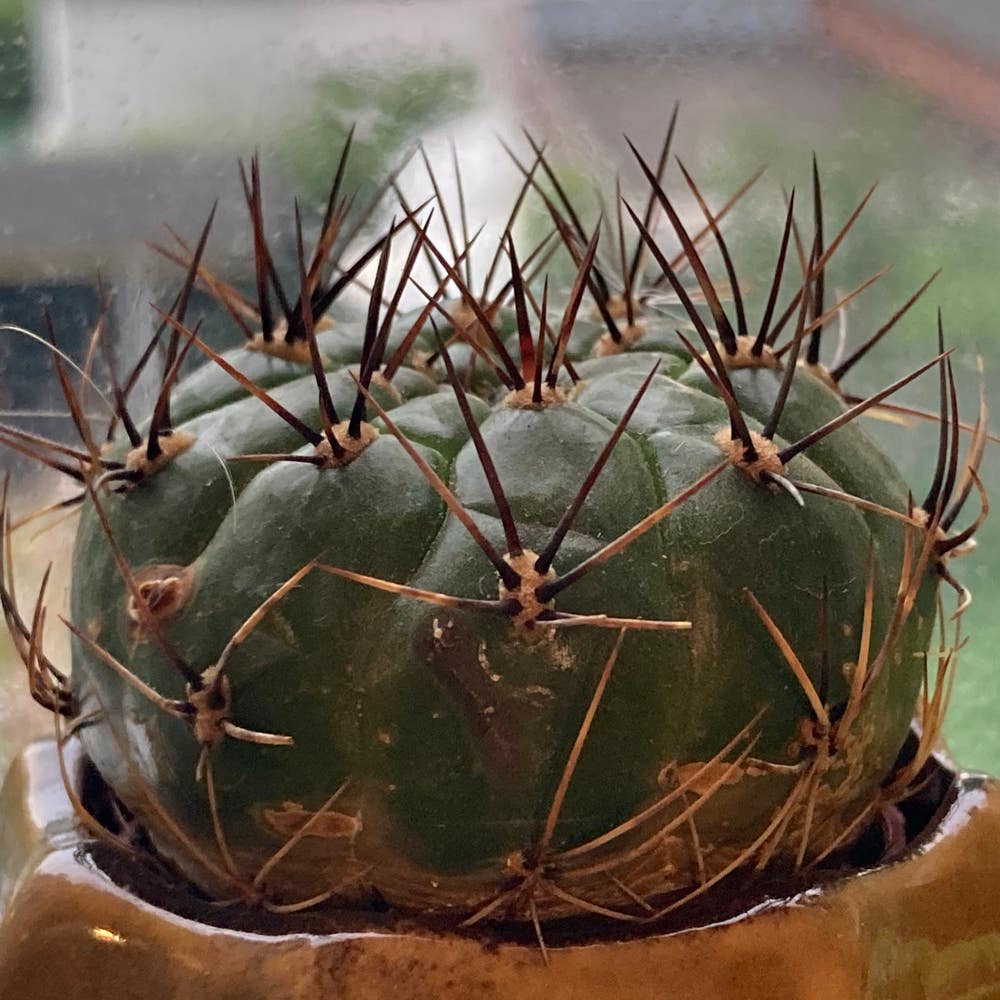
Matucana madisoniorum - Ultimate Guide to Fertilizing
Matucana madisoniorum
By the Greg Editorial Team
Feb 14, 2024•4 min read
This article was created with the help of AI so we can cover more plants for you. May contain errors. See one? Report it here.
Nurture a blooming spectacle 🌸 with the ultimate fertilizing guide for your Matucana madisoniorum.
- 🌵 Organic fertilizers are preferred for Matucana madisoniorum's health.
- N-P-K ratio matters: Low nitrogen for less leafy growth, high phosphorus for blooms.
- Fertilize monthly in spring/summer; reduce in winter to prevent over-fertilization.
Choosing the Right Fertilizer
💩 Organic vs. Synthetic: Which is Best for Your Cactus?
In the fertilizer face-off for Matucana madisoniorum, organic options are the tortoise to the synthetic hare. Organic fertilizers release nutrients slowly, building a robust soil ecosystem. Synthetics provide a rapid nutrient boost but can be harsh, risking overfeeding your cactus.
📊 Understanding N-P-K Ratios for Matucana madisoniorum
The N-P-K ratio is like a cactus's dietary label. For Matucana madisoniorum, a low-nitrogen mix prevents unwanted leafy growth, while high-phosphorus content promotes those coveted blooms. A balanced 10-10-10 ratio can serve as a safe starting point, but tailored blends may optimize flowering.
🌱 The Role of Micronutrients in Flowering and Growth
Micronutrients might not get the limelight, but they're essential for a show-stopping performance. They reinforce the N-P-K trio, fine-tuning your cactus's health. Look for a fertilizer that includes a complete range of these backstage heroes to ensure your Matucana madisoniorum thrives.
Timing is Everything: Fertilizing Schedule
⏰ Seasonal Fertilizing Tips for Optimal Growth
Spring heralds growth for Matucana madisoniorum. As daylight stretches, so should your fertilizing routine. Monthly applications are ideal, aligning with the cactus's natural vigor.
🌸 Adjusting Your Approach During Blooming Season
Blooming season is showtime. Maintain the monthly fertilizing, but stay attuned to your cactus's cues. Yellowing leaves or stalled growth call for a schedule tweak.
❄️ When to Hold Back: Dormancy and Fertilization
Come winter, your cactus hits the snooze button. Reduce fertilizing to once a month or less. Over-fertilization now is like force-feeding during a nap.
Fertilizing Techniques for Matucana madisoniorum
💧 Getting it Right: How to Apply Fertilizers
Fertilizing Matucana madisoniorum isn't rocket science, but it's not a sprinkle-and-hope affair either. Dilute a balanced, water-soluble fertilizer to half strength for a gentle touch. Apply monthly during the summer, when the cactus is actively growing. Skip the winter; your cactus is snoozing, not hungry.
🍹 Dilution Ratios: Ensuring the Perfect Mix
Half-strength is the golden rule here. Mix your fertilizer with water as if you're crafting a delicate cocktail for your cactus. Too strong and you risk fertilizer burn, too weak and you're just watering with extra steps. Aim for a mix that's just right to keep your Matucana madisoniorum thriving without the drama.
🌱 Root Zone Fertilization: A Step-by-Step Guide
- Prepare your half-strength fertilizer solution.
- Water your cactus first to prevent root shock.
- Pour the solution directly onto the soil, avoiding the plant itself.
- Target the root zone, which is the cactus's command center for nutrient uptake.
- Observe your plant's response and adjust accordingly in the following months.
Remember, the root zone is where the magic happens, so focus your efforts there. It's like hitting the bullseye in darts—satisfying and spot on.
Troubleshooting: Over-Fertilization and Plant Health
🚨 Spotting Trouble: Symptoms of Over-Fertilization
Yellowing or brown leaves, particularly at the tips and margins, are your first red flags for over-fertilization. Roots may appear burned or blackened, and despite moist soil, leaves can wilt. If your Matucana madisoniorum starts shedding leaves like it's going out of style, or if the blooms look as sad as a rain-soaked parade, you've likely gone overboard with the plant food.
🛠 Quick Fixes: Remedies for Fertilizer Burn
Caught your cactus with a case of the fertilizer blues? Stop fertilizing immediately. If you see a crust of excess fertilizer on the soil, it's time for some manual labor—remove it. Flush the soil with water to rinse away the nutrient overload; think of it as a detox for your plant. Trim away the damaged parts; they're not coming back, and your cactus needs to focus on healing, not supporting dead weight.
🛡️ Prevention Strategies: How to Avoid Overdoing It
The key to avoiding the nutrient nightmare is moderation. Use a balanced fertilizer and always err on the side of too little rather than too much. Before you even think about fertilizing, water your plant to protect those delicate roots from chemical burns. Keep a sharp eye on your cactus after feeding it; plants are like people, they'll tell you if they're not happy. If you notice any troubling signs, dial back on the plant chow. Remember, you can always add more, but you can't take it back once it's in the pot.
⚠️ Safety First
This content is for general information and may contain errors, omissions, or outdated details. It is not medical, veterinary advice, or an endorsement of therapeutic claims.
Always consult a qualified healthcare professional before using any plant as food, medicine, or supplement.
Never eat any plant (or feed one to pets) without confirming its identity with at least two trusted sources.
If you suspect poisoning, call Poison Control (800) 222-1222, the Pet Poison Helpline (800) 213-6680, or your local emergency service immediately.
Spotted an error? Please report it here.
Boost your Matucana madisoniorum's health with just-right fertilizer 🌵 using Greg's custom reminders to prevent over-fertilization and promote perfect blooms.