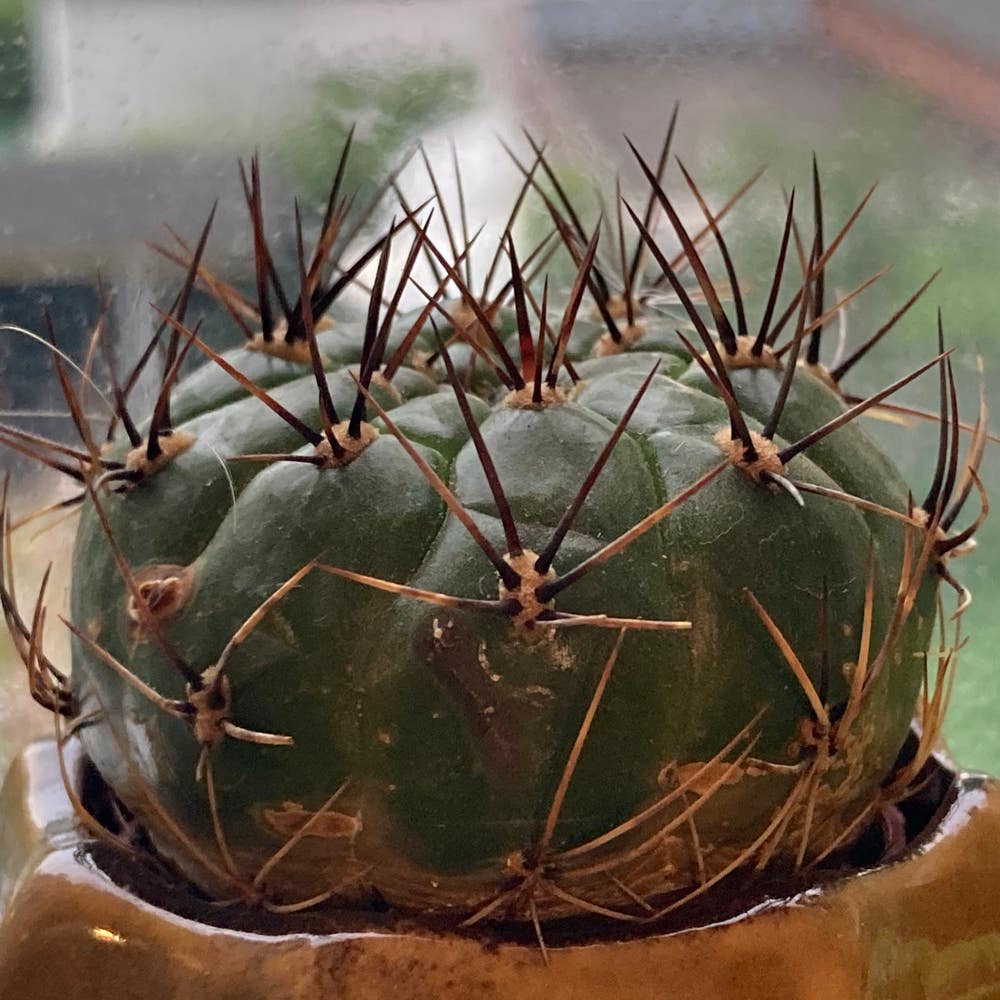
🌵 How to Know When to Repot a Matucana madisoniorum?
Matucana madisoniorum
By the Greg Editorial Team
Feb 14, 2024•4 min read
This article was created with the help of AI so we can cover more plants for you. May contain errors. See one? Report it here.
Nurture a thriving Matucana madisoniorum 🌵 by learning the signs for its perfect repotting time!
- Roots tell all: Check for tangling to see if repotting is needed.
- 🌵 Choose terracotta or clay pots for breathability and drainage.
- Wait to water: Give roots a week to recover post-repotting.
Spotting the Telltale Signs for Repotting
🌱 Root Check: The Tangled Truth
Inspecting the roots of your Matucana madisoniorum is like checking under the hood of a car; it tells you a lot about the health of the plant. Root-bound symptoms include roots aggressively circling the pot or poking through drainage holes, begging for more space. To check, gently lift the plant and examine the root situation. If you're greeted by a dense root network with little soil in sight, it's time to repot.
🌵 Above the Soil: Spotting Stunted Growth
Your cactus's growth can speak volumes about its comfort in its current pot. Stunted growth or a plant that seems to have hit a plateau in size could be signaling that it's time for a change. Look for a top-heavy plant that seems to be outgrowing its base or any visual cues that suggest the plant is not developing as it should.
💧 Drainage Dilemmas: When Water Won't Flow
Watering should be a straightforward task, but when it becomes a game of chance, it's a red flag. If water drains too quickly or the soil dries out faster than usual, it could indicate that there's more root than soil. Conversely, if water sits on the surface, refusing to penetrate the soil, it's a sign of compacted, root-choked earth. Both scenarios are a call to action: your Matucana madisoniorum needs a new home.
The Repotting Rundown: A Step-by-Step Guide
🌵 Gently Uprooting Your Prickly Friend
Safety first: Don your gloves to protect against spines. If your Matucana madisoniorum's pot is flexible, a gentle squeeze might loosen the soil's grip. For rigid pots, a knife run around the inside edge can help. Carefully tilt and lift the cactus out, avoiding any harsh tugging that could damage the roots.
🏡 Home Sweet Home: Prepping the New Pot
Select a pot that's a size up from the current one—just 1-2 inches larger in diameter. Ensure it has drainage holes to prevent waterlogged roots. A layer of gravel at the bottom can further enhance drainage before adding the soil.
🌱 Soil Selection: Laying the Foundation
Opt for a well-draining mix; a commercial cactus or succulent blend is ideal. To improve drainage and aeration, consider mixing in pumice or perlite. Ensure the soil is dry to prevent root rot during the transition. Place your Matucana madisoniorum in the new pot, filling in around it with soil, and tap the pot to settle the contents without compacting.
Picking the Perfect Pot: Material Matters
💨 Breathability and Drainage: The Dynamic Duo
Terracotta is king when it comes to breathability. Its porous nature allows air and water to circulate freely, making it a top contender for your Matucana madisoniorum. Unglazed clay follows suit, offering similar benefits with a more rustic appeal.
Ceramic pots, on the other hand, are the terracotta's sleeker relatives. They can be just as breathable, provided they're not glazed to the point of sealing their pores. Always check for drainage holes; without them, even the most breathable material can't prevent waterlogging.
🚫 What to Avoid: Steering Clear of Risky Materials
Plastic pots might be light on the wallet but they're also light on breathability. They tend to retain moisture, which can be a death sentence if you're prone to overwatering.
Metal pots? They're a no-go. They overheat, they don't breathe, and they're typically devoid of drainage holes. It's like putting your cactus in a sauna and expecting it not to sweat.
Glass is another material to sidestep. Sure, it looks clean and modern, but it's about as breathable as a space suit. Your cactus's roots need air, not an airtight display case.
In summary, stick with terracotta or unglazed clay for breathability and drainage, and give your Matucana madisoniorum the royal treatment it deserves. Avoid plastic, metal, and glass unless you're aiming for a plant funeral.
Post-Repotting Care: Helping Your Cactus Thrive
💧 The First Watering: Timing is Everything
After you've repotted your Matucana madisoniorum, hold off on watering for about a week. This pause allows any jostled roots to recover and reduces the risk of rot. When it's time to hydrate, go easy—think of it as offering a shot glass, not a pitcher. Then, let the soil return to desert-dry conditions before even considering another watering session.
🌞 Settling In: Light and Temperature Tips
Your cactus craves stability post-repotting. Place it in a spot with bright, indirect light; direct sun can be harsh on its fresh start. Keep the temperature consistent, avoiding drafts or sudden changes. This isn't just about keeping your cactus alive—it's about fostering a mini ecosystem where it can thrive. Remember, your Matucana madisoniorum isn't asking for a spa retreat—just a stable, loving home to stretch its roots.
⚠️ Safety First
This content is for general information and may contain errors, omissions, or outdated details. It is not medical, veterinary advice, or an endorsement of therapeutic claims.
Always consult a qualified healthcare professional before using any plant as food, medicine, or supplement.
Never eat any plant (or feed one to pets) without confirming its identity with at least two trusted sources.
If you suspect poisoning, call Poison Control (800) 222-1222, the Pet Poison Helpline (800) 213-6680, or your local emergency service immediately.
Spotted an error? Please report it here.
Ensure your Matucana madisoniorum thrives in its new pot by using Greg to track growth 📏 and get the perfect repotting reminders based on your cactus's specific needs.