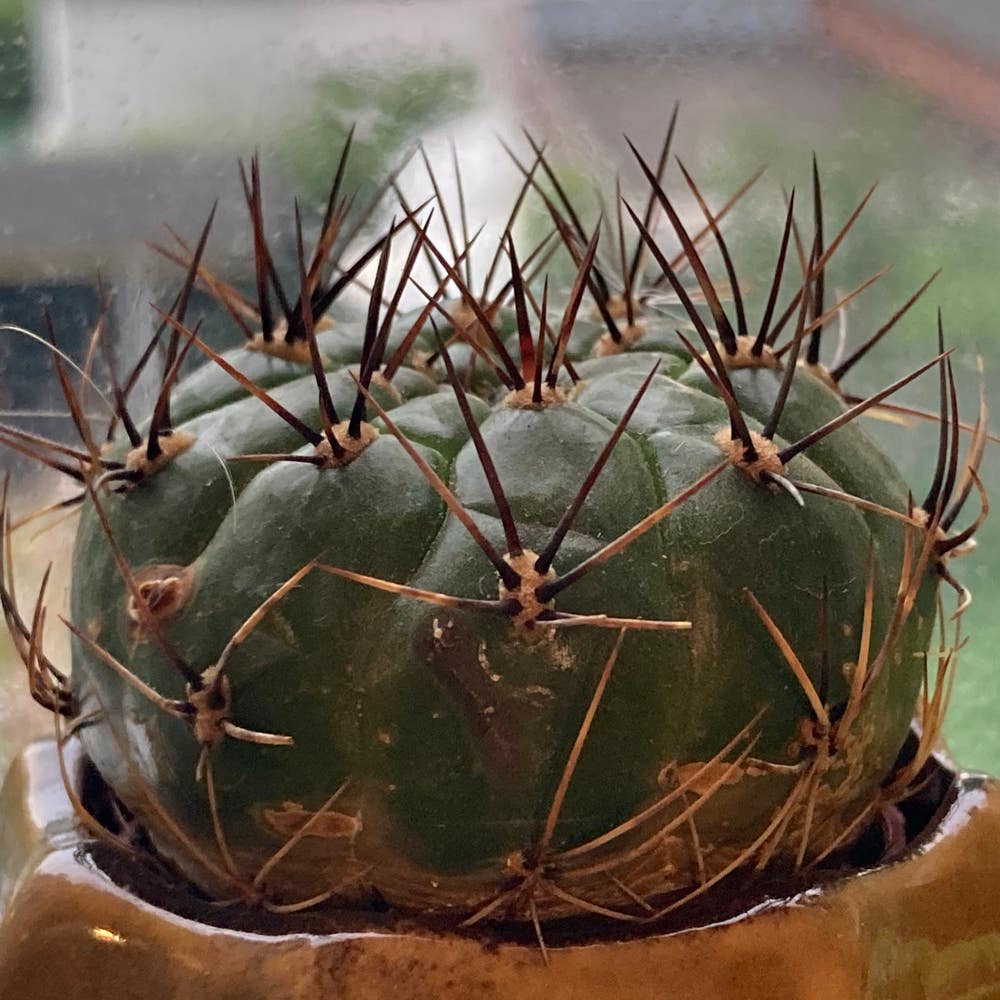
🌵 Why Are My Matucana madisoniorum Leaves Curling?
Matucana madisoniorum
By the Greg Editorial Team
Feb 14, 2024•4 min read
This article was created with the help of AI so we can cover more plants for you. May contain errors. See one? Report it here.
Unravel the mystery of curling cactus leaves 🌵 and restore your Matucana madisoniorum's zest for life!
- 🌱 Leaf curling signals distress like improper watering or pests.
- 🌡️ Keep 60-80°F and 40-60% humidity for healthy Matucana madisoniorum.
- ✂️ Regular monitoring and cleanliness prevent pests and diseases.
Spot the Signs: Diagnosing Leaf Curling in Matucana madisoniorum
🍃 Visual Symptoms
Curling leaves on your Matucana madisoniorum are alarm bells. They can signal distress through various forms, such as upward spirals indicating underwatering or downward curls hinting at overwatering or pests. Discoloration—yellowing or brown spots—adds to the visual distress signals.
🐛 Common Culprits
🦠 Pests and Diseases
Pests like spider mites and aphids are notorious for causing leaf curl. They leave behind yellow spots, twisted tops, or a glossy sheen. Diseases, including fungal foes like powdery mildew and botrytis, also lead to leaf curling. These require targeted fungicides for treatment.
🌿 Environmental Stressors
Light, temperature, and humidity are the trifecta of environmental stress that can lead to leaf curling. Too much light causes discoloration, while inadequate light leads to splotches. Extreme temperatures and improper humidity levels can also cause leaves to curl and crisp up.
Turn the Tide: Correcting Environmental Stress
💡 Let There Be Light (But Not Too Much)
Finding the sweet spot for light exposure is crucial for Matucana madisoniorum. Too much light can lead to sunburnt leaves, while too little can cause etiolation, where the plant stretches unnaturally towards the light. Place your cactus in a location where it receives bright, indirect sunlight. Direct sun, especially during the harsh midday hours, should be avoided to prevent leaf curling.
🌡️ Keeping the Chill at Bay
Matucana madisoniorum prefers a stable temperature range, typically between 60-80°F (16-27°C). Sudden temperature fluctuations can stress the plant, causing leaves to curl. Keep your cactus away from drafty windows and out of the direct path of heating or cooling appliances. Consistency is key – think of maintaining a comfortable room temperature that doesn't swing wildly.
💧 Humidity: The Balancing Act
Humidity levels around 40-60% are ideal for Matucana madisoniorum. Too dry air can cause leaves to curl and crisp, while excessive moisture can invite fungal diseases. Use a humidifier or a pebble tray to increase humidity if necessary. Regularly monitor the humidity levels with a hygrometer to ensure they remain consistent.
Water Wisely: Soil and Irrigation Fixes
💧 Assessing Your Watering Routine
Check the soil's moisture with your finger before watering—no guesswork needed. If the top few centimeters are dry, your Matucana madisoniorum is ready for a drink. Adjust your watering habits with the seasons; your cactus's thirst varies with the temperature.
🌱 Soil Matters
Choose a well-draining soil mix to prevent root rot—it's like a life jacket for your plant's roots. Ensure your pot has drainage holes; standing water is a silent killer. Remember, moist soil, not soggy, is the goal.
Fight Back: Tackling Pests and Diseases
🐜 Unwanted Guests
Identify the enemy. Common pests like spider mites, aphids, and mealybugs love to feast on your Matucana madisoniorum. Check for telltale signs: webbing, sticky residue, or cotton-like clumps.
Act fast. Remove visible pests by hand or with a strong water spray. Introduce beneficial insects like ladybugs to handle the rest. They're nature's hitmen, taking out pests without the collateral damage of chemicals.
🦠 Keeping Diseases at Bay
Recognize the symptoms. Fungal infections often manifest as discolored spots or rotted tissue. Bacterial diseases can cause wilting or leaf spots.
Implement control measures. Prune affected areas with sterilized tools to prevent spread. If you're facing a fungal Armageddon, consider eco-friendly fungicides. But remember, the best offense is a good defense—keep your plant clean and well-cared for to avoid these plagues.
Stay Vigilant: Preventative Practices
🔍 Regular Check-ups
Regular monitoring is the backbone of plant health. For Matucana madisoniorum, this means playing detective—inspect leaves, stems, and soil for early signs of distress. Turn leaves over; pests love the underside. Make it a ritual, like your morning coffee.
🧼 Cleanliness is Key
Hygiene isn't just for humans. Wipe down leaves to deter pests and keep your plant's living area spick and span. Think of it as housekeeping for plant health—sanitize tools and pots to prevent disease spread.
🐜 Proactive Pest Control
Preventative treatments are like a security system for your cactus. Introduce beneficial insects or apply natural deterrents as a preemptive strike. Quarantine new plants to ensure they're not Trojan horses for pests. Stay ahead of the game and your Matucana madisoniorum will thank you.
⚠️ Safety First
This content is for general information and may contain errors, omissions, or outdated details. It is not medical, veterinary advice, or an endorsement of therapeutic claims.
Always consult a qualified healthcare professional before using any plant as food, medicine, or supplement.
Never eat any plant (or feed one to pets) without confirming its identity with at least two trusted sources.
If you suspect poisoning, call Poison Control (800) 222-1222, the Pet Poison Helpline (800) 213-6680, or your local emergency service immediately.
Spotted an error? Please report it here.
Ensure your Matucana madisoniorum stays curl-free and content 🌵 with Greg's custom watering plans and environmental monitoring tailored to keep your cactus in perfect shape!