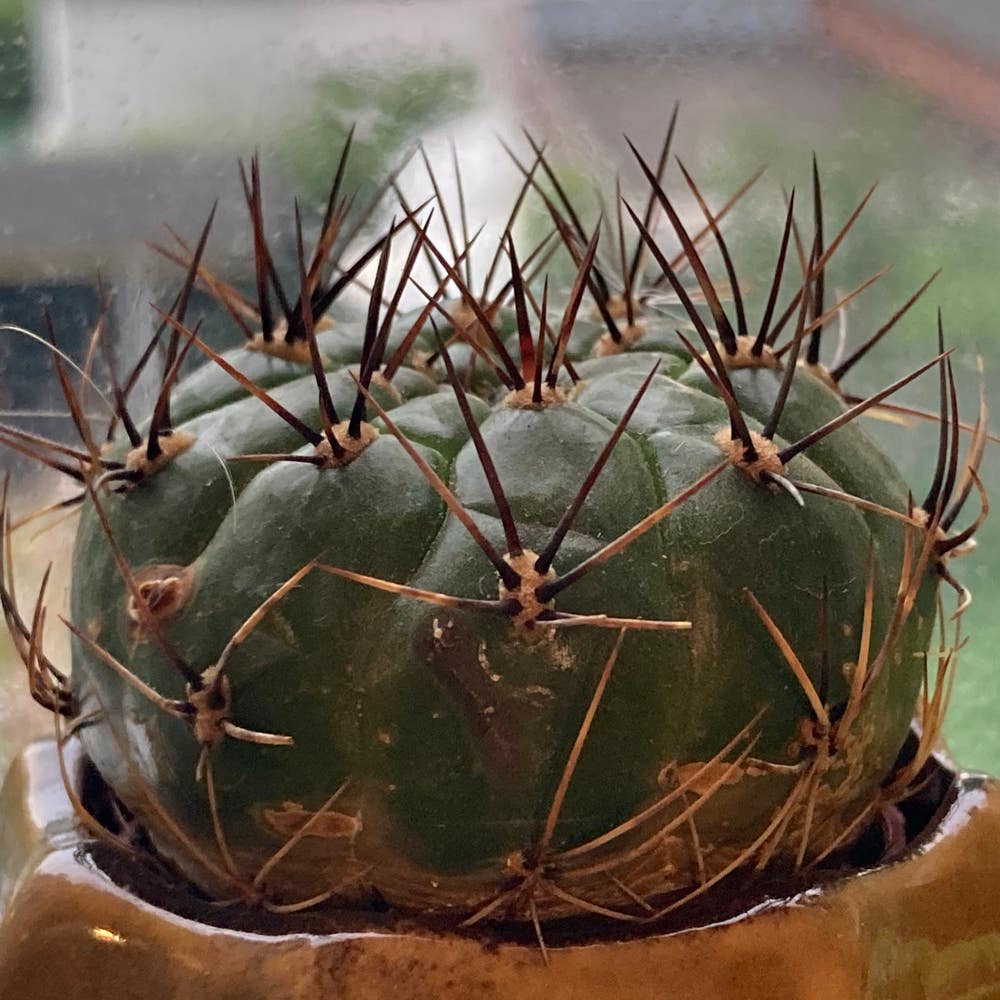
🌞 10 Tips for Growing Madison's Matucana Indoors
Matucana madisoniorum
By the Greg Editorial Team
Sep 29, 2024•3 min read
This article was created with the help of AI so we can cover more plants for you. May contain errors. See one? Report it here.
Elevate your indoor garden 🌱 with essential care tips for a thriving Madison's Matucana that dazzles all year round!
- 🌞 Madison's Matucana needs 6-8 hours of bright, indirect sunlight daily for optimal growth.
- 💧 Water every 2-3 weeks using the soak and dry method to prevent issues.
- 🌡️ Maintain humidity between 30-50% and temperatures of 18°C to 24°C for best results.
General Care for Madison's Matucana
🌞 Light Requirements
Ideal indoor light levels
Madison's Matucana thrives in bright, indirect sunlight. Aim for 6-8 hours of light daily to keep your plant healthy and vibrant.
Role of grow lights
During low-light seasons, supplemental lighting becomes essential. Grow lights ensure consistent growth, helping your Matucana flourish even when natural light is scarce.
Choosing the best grow light
When selecting grow lights, consider LED and fluorescent options. For optimal growth, choose lights with the right wattage and spectrum tailored to your plant's needs.
💧 Watering Needs
Frequency and method of watering
Water your Matucana every 2-3 weeks during the growing season. Use the soak and dry technique—water thoroughly until it drains, then let the soil dry out before the next watering.
Signs of overwatering and underwatering
Watch for yellowing, mushy stems, and root rot as signs of overwatering. Conversely, if you notice wrinkled skin and stunted growth, your plant may be underwatered.
🌬️ Humidity and Temperature
Optimal humidity levels
Madison's Matucana prefers humidity levels between 30-50%. Maintaining this range is crucial, especially in dry indoor environments.
Temperature requirements for indoor growth
Keep your plant in an optimal temperature range of 18°C to 24°C (65°F to 75°F). Avoid temperature fluctuations and drafts to ensure steady growth.
🌱 Soil and Fertilization
Best soil type
Use a well-draining cactus mix or create a homemade blend of 1 part potting soil, 1 part sand, and 1 part perlite. Good drainage is vital to prevent root rot.
Fertilization schedule and types
Fertilize monthly during the growing season with a balanced, water-soluble fertilizer diluted to half strength. This will provide the nutrients your Matucana needs to thrive.
🐛 Pest Prevention and Common Issues
Common pests affecting indoor Matucana
Keep an eye out for mealybugs, spider mites, and scale insects. Signs of infestation include sticky residue, webbing, and visible pests on your plant.
Prevention and treatment methods
Regular inspections and cleanliness are key to pest prevention. If you spot an infestation, consider using neem oil, insecticidal soap, or introducing beneficial insects.
Troubleshooting common indoor plant problems
If you notice yellowing leaves, check for overwatering or nutrient deficiencies. Stunted growth may indicate inadequate light levels or poor soil conditions.
🏡 Placement and Maintenance
Best placement within the home
Position your Matucana near south or west-facing windows for optimal light. Avoid areas with high humidity or direct drafts to keep your plant happy.
Tips for maintaining plant appearance
Regularly prune dead or damaged spines to maintain your plant's appearance. Cleaning dust off leaves enhances photosynthesis and keeps your Matucana looking its best.
Seasonal care considerations
In winter, adjust your watering frequency as the plant's growth slows. Monitor light exposure as days shorten, ensuring your Matucana receives enough light throughout the season.
With these care tips, your Madison's Matucana will thrive indoors, bringing a touch of nature into your home. Next, let’s explore watering needs in more detail.
⚠️ Safety First
This content is for general information and may contain errors, omissions, or outdated details. It is not medical, veterinary advice, or an endorsement of therapeutic claims.
Always consult a qualified healthcare professional before using any plant as food, medicine, or supplement.
Never eat any plant (or feed one to pets) without confirming its identity with at least two trusted sources.
If you suspect poisoning, call Poison Control (800) 222-1222, the Pet Poison Helpline (800) 213-6680, or your local emergency service immediately.
Spotted an error? Please report it here.
Transform your indoor gardening with thriving Matucana 🌵 by using Greg for personalized care tips that ensure your plant gets just the right light, water, and nutrients!