🌵 Madison's Matucana Is a Garden Plant, Not a Weed
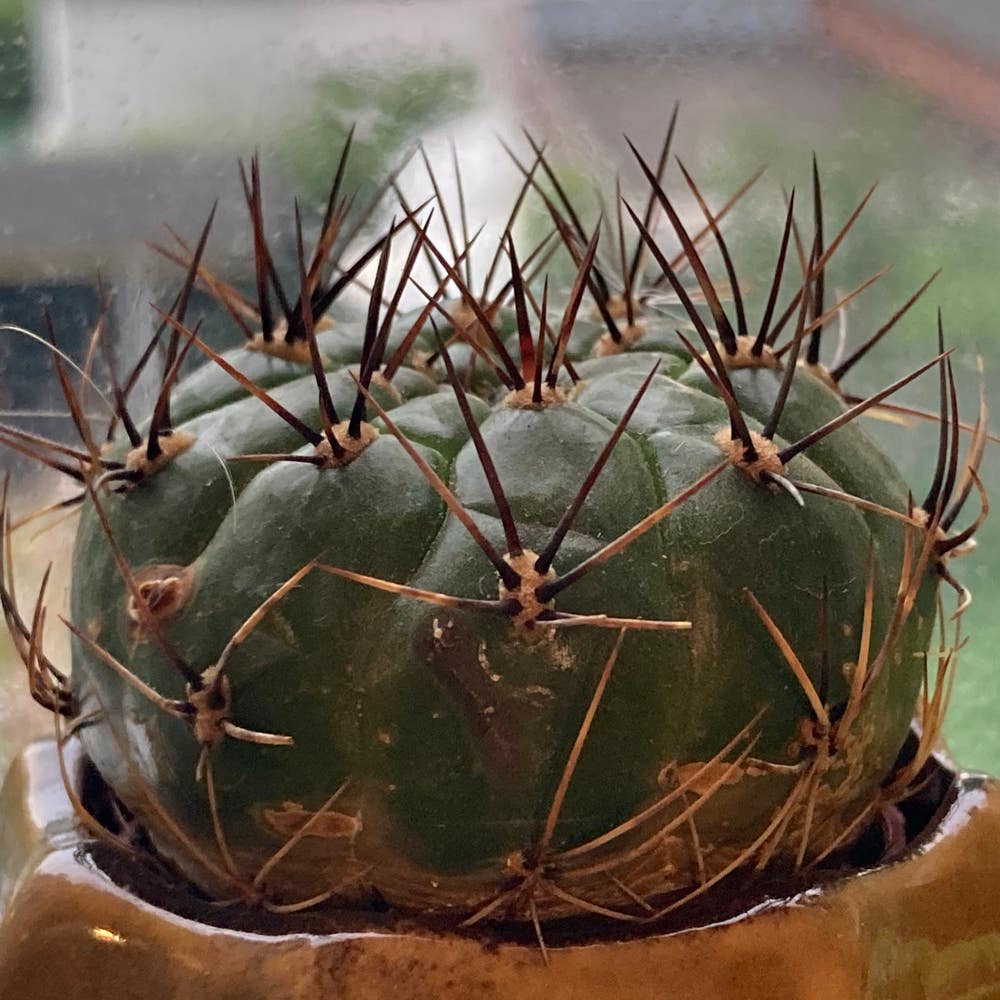
Matucana madisoniorum
By the Greg Editorial Team
Sep 29, 2024•5 min read
This article was created with the help of AI so we can cover more plants for you. May contain errors. See one? Report it here.
Enhance your garden's beauty 🌼 and support local wildlife with the non-invasive Madison's Matucana!
- 🌱 Madison's Matucana is a non-invasive plant, enhancing local ecosystems without outcompeting natives.
- 🌼 It thrives in full sun and well-drained soil, making it adaptable for various gardens.
- 🐝 Attracts pollinators while supporting biodiversity, perfect for eco-friendly gardening enthusiasts.
Plant Classification
Definition of Invasive Species 🌱
Invasive species are notorious for their rapid growth and aggressive spread. They can wreak havoc on local ecosystems, outcompeting native plants and disrupting habitats.
Madison's Matucana, however, stands apart from this troublesome group. Its clumping growth habit and limited spread mean it doesn't pose a threat to local flora.
Characteristics of Madison's Matucana 🌼
This plant's non-invasive nature is one of its standout features. By growing in tight clusters, it minimizes its spread, making it a garden-friendly choice.
Additionally, Madison's Matucana thrives in well-drained soils and loves full sun. This adaptability allows it to flourish in various garden settings, enhancing both beauty and biodiversity.
Growth Habits
🌱 Typical Growth Patterns in Gardens
Madison's Matucana exhibits a charming clumping growth habit, typically reaching heights of about 1-2 feet. Its flowering season spans late spring to early summer, making it a magnet for pollinators like bees and butterflies.
🚧 Natural Limits to Growth
This plant thrives in well-drained soils, which are crucial for its optimal growth. Poor drainage can hinder its development, but once established, Madison's Matucana shows impressive drought tolerance.
📏 Spread Potential and Management
Unlike invasive species, Madison's Matucana has limited spread due to its natural growth boundaries. For best results, plant these beauties 12-18 inches apart to allow for their clumping nature, ensuring they have enough space to flourish without overcrowding.
As you consider incorporating Madison's Matucana into your garden, remember its manageable growth habits and the joy it brings to local wildlife. Next, let's explore its ecological role and the benefits it offers to your garden and the surrounding environment.
Ecological Role
Benefits to Local Wildlife 🐝
Madison's Matucana is a magnet for pollinators, particularly bees and butterflies. By attracting these essential creatures, it plays a crucial role in supporting local ecosystems.
Interactions with Other Plants 🌱
This plant thrives in companion planting scenarios, enhancing the growth of neighboring plants. Its positive interactions with native flora create a harmonious garden environment.
Contribution to Biodiversity 🌍
Madison's Matucana supports local ecosystems by promoting healthy soil and providing habitat for various organisms. Not only does it enhance garden aesthetics, but it also contributes to ecological balance, making it a valuable addition to any garden.
As we explore how to incorporate Madison's Matucana into garden designs, consider its ecological benefits and the vibrant life it brings to your outdoor space.
Garden Management
Incorporating Madison's Matucana into Garden Designs 🌼
Madison's Matucana shines in various garden settings. Consider using it in borders, rock gardens, or as striking focal points.
Pair it with native plants that thrive in similar conditions for a harmonious look. This not only enhances aesthetics but also supports local ecosystems.
Aesthetic Considerations 🎨
The unique flowers and foliage of Madison's Matucana add vibrant visual interest to your garden. Its seasonal changes, from colorful blooms to shifting foliage, keep the landscape dynamic.
This adaptability makes it a favorite among gardeners looking to create a lively environment.
Growth Control Methods ✂️
To maintain the desired size and shape, simple pruning techniques work wonders. Regular monitoring helps prevent overcrowding, ensuring each plant has room to thrive.
By keeping an eye on growth, you can enjoy a well-organized and beautiful garden space.
Incorporating Madison's Matucana not only beautifies your garden but also enriches the local ecosystem. Next, let's explore how it interacts with local wildlife and contributes to biodiversity.
Comparison to Other Plants
🌱 Similar Non-Invasive Plants
Madison's Matucana shares its garden space with several other non-invasive plants that boast similar growth habits. Notable examples include Echinacea and Agastache, both of which thrive in similar conditions and attract pollinators.
🌼 Unique Qualities of Madison's Matucana
What sets Madison's Matucana apart are its distinctive flowers and foliage. This plant not only adds visual interest but also requires less maintenance than many other garden varieties, making it a gardener's dream.
🌿 Benefits in Garden Settings
Incorporating Madison's Matucana enhances garden aesthetics while supporting local wildlife. Its versatility allows it to shine in various garden styles, from formal layouts to more naturalistic designs, creating a harmonious blend with the environment.
Transitioning to the next section, let’s explore the legal and environmental considerations surrounding the planting of Madison's Matucana and its role in sustainable gardening practices.
Legal and Environmental Considerations
🌱 Relevant Classifications and Guidelines
Understanding local regulations is crucial when planting non-invasive species like Madison's Matucana. Many regions encourage the use of non-invasive plants to protect local ecosystems and promote biodiversity.
Choosing native plants is essential for ecological health. They support local wildlife and help maintain the balance of the ecosystem.
♻️ Sustainable Gardening Practices
Madison's Matucana fits seamlessly into sustainable gardening frameworks. Its non-invasive nature allows gardeners to cultivate it without fear of disrupting local flora.
Promoting biodiversity through careful plant selection enhances garden resilience. This practice not only benefits the environment but also creates a thriving habitat for various species.
🌍 Environmental Impact of Planting Madison's Matucana
Planting Madison's Matucana positively contributes to soil health and local ecosystems. Its growth helps improve soil structure and provides nutrients.
Additionally, it plays a vital role in reducing the spread of invasive species. By offering an attractive alternative, it encourages gardeners to make eco-friendly choices.
Incorporating Madison's Matucana into your garden not only beautifies your space but also supports a healthier environment. As we move forward, let’s explore how to effectively manage this plant in our gardens.
⚠️ Safety First
This content is for general information and may contain errors, omissions, or outdated details. It is not medical, veterinary advice, or an endorsement of therapeutic claims.
Always consult a qualified healthcare professional before using any plant as food, medicine, or supplement.
Never eat any plant (or feed one to pets) without confirming its identity with at least two trusted sources.
If you suspect poisoning, call Poison Control (800) 222-1222, the Pet Poison Helpline (800) 213-6680, or your local emergency service immediately.
Spotted an error? Please report it here.
Enhance your garden's beauty and biodiversity 🌼 with Madison's Matucana, and let Greg guide you with tailored care tips to help this vibrant plant thrive effortlessly!