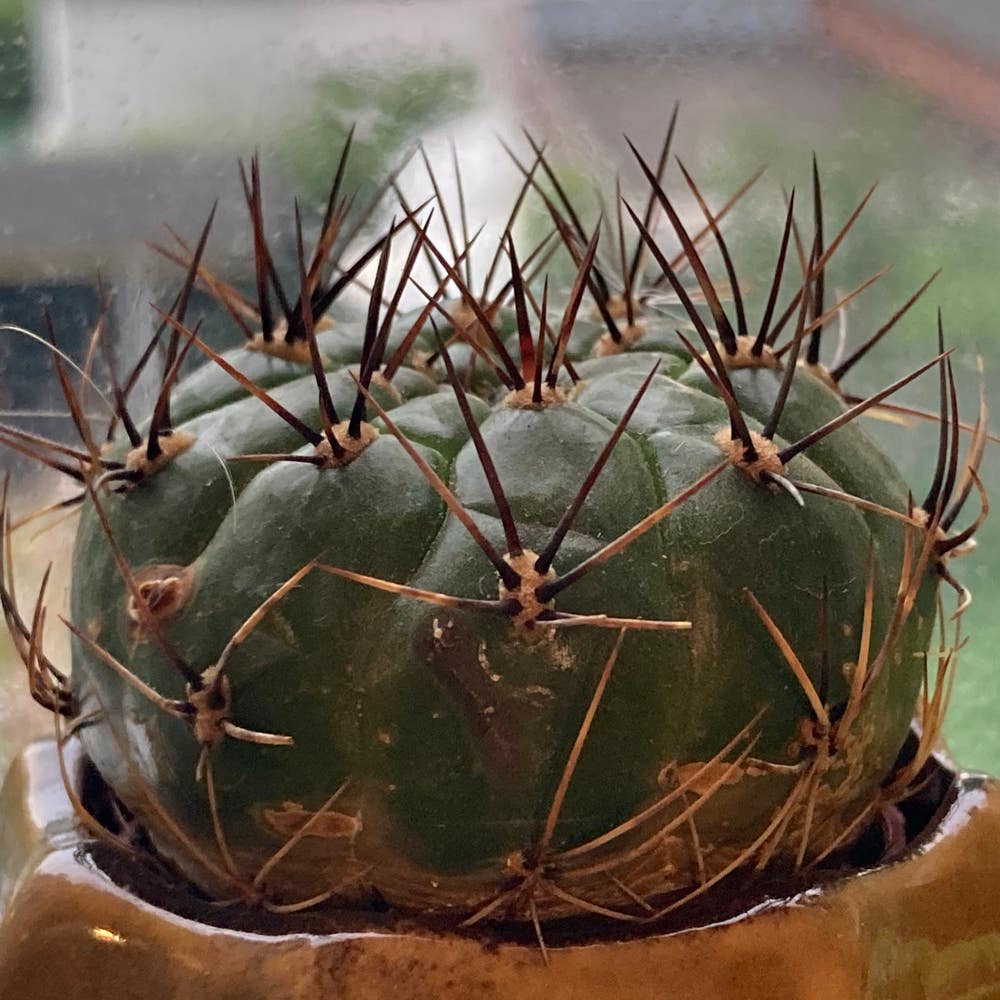
What Are The Bugs on My Matucana madisoniorum?
Matucana madisoniorum
By the Greg Editorial Team
Feb 14, 2024•5 min read
This article was created with the help of AI so we can cover more plants for you. May contain errors. See one? Report it here.
Safeguard your Matucana madisoniorum from pesky invaders with these proven pest control strategies! 🐛🌵
- Spider mites and mealybugs leave distinct signs like webbing and white deposits.
- Alcohol, insecticidal soap, neem oil are your go-to remedies for most pests.
- Prevent pests with good air circulation, cleanliness, and natural predators.
Meet the Uninvited: Common Pests on Matucana madisoniorum
🕷️ Spider Mites: The Sneaky Sap-Suckers
Spotting the Signs: How to Tell if Spider Mites Have Moved In
Spider mites are tiny terrorists on your Matucana madisoniorum. Webbing under leaves and speckled discoloration are tell-tale signs. These pests are like unwanted guests who don't know when to leave.
🚪 Kicking Them Out: Effective Spider Mite Solutions
Increase humidity; spider mites hate a moist environment. Apply insecticidal soap or neem oil with vigilance. It's like showing the door to those guests who overstayed their welcome.
🦟 Scale: The Sticky Freeloaders
Unmasking Scale: Identifying These Camouflaged Critters
Scale insects are the masters of disguise, posing as bumps on your plant. Sticky residue is a dead giveaway. It's like finding out your quiet neighbor is actually a freeloading squatter.
🛡️ Scale Be Gone: Tried-and-True Removal Tactics
Rubbing alcohol on a cotton swab is your secret weapon. For a larger infestation, insecticidal soap is your ally. Think of it as a bouncer tossing out the troublemakers.
🦟 Fungus Gnats and Fruit Flies: The Soil Snoopers
Catching Fungus Gnats in the Act: How to Know They're There
If you see tiny flies or larvae, it's a fungus gnat fiesta in your soil. They're the party crashers who didn't even bring a bottle.
🪰 Ground Control: Winning the Battle Against Fungus Gnats and Fruit Flies
Sticky traps for adults, and a soil drench for larvae. Consider it a pest eviction party. For prevention, let the soil dry out between waterings—gnats can't stand a dry dance floor.
🐛 Mealybugs: The Fluffy Fiends
The White Warning: Recognizing a Mealybug Infestation
Fluffy white deposits on your cactus are a sure sign of mealybugs. It's like finding out your plant is hosting a tiny cotton ball convention.
🚫 Mealybug Meltdown: Proven Methods to Eradicate Them
Dab them with alcohol or spray with insecticidal soap. It's the equivalent of crashing their convention with a no-nonsense bouncer. Regular inspections prevent a resurgence; think of it as a bouncer's routine patrol.
When Uncommon Pests Strike
🐜 Rare but Real: Dealing with Other Pests on Matucana madisoniorum
Your Matucana madisoniorum might face uncommon pests like aphids and thrips. These critters are the party crashers of the plant world, often slipping in unnoticed.
🐞 Battling Aphids
Aphids are the clingy types, latching onto your cacti and refusing to let go. Ladybugs and lacewings are your best friends here, as they have a voracious appetite for these pests. Introduce them to your garden as a natural defense force.
🦟 Thrips Control
Thrips are the ninjas, stealthy and damaging. They can hitch a ride on new plants, so quarantine any new additions to your collection. If you spot the telltale silvery speckles, it's time for action. Neem oil can be an effective weapon, or for a more biological approach, predatory mites are like sending in the cavalry against thrips.
🎯 Specific Strategies for Aphids, Thrips, and More
Each pest requires a tailored strategy. For aphids, a bucket of soapy water can be a simple yet effective method of removal. Pheromone traps are also an option, but place them strategically to avoid attracting more pests to your plants.
For thrips, besides neem oil and predatory mites, you can also try blue sticky traps. These are especially attractive to thrips and can help reduce their numbers.
Remember, dealing with pests is about being proactive and reactive. Keep an eye out for early signs of trouble, and act fast. Your Matucana madisoniorum will thank you.
Proactive Pest Control: Prevention is Key
Creating an unwelcoming environment for pests is like setting up a "No Party Zone" for the uninvited. Here's how to keep your Matucana madisoniorum a pest-free fortress.
🚫 Creating an Unwelcoming Environment for Pests
Good air circulation is a pest's nightmare. Ensure your cactus isn't suffocating in stagnant air. Moderate humidity and balanced fertilization are your allies; overdoing either is like sending pests an engraved invitation.
🕵️♂️ Regular Checks and Balances: The Routine for a Healthy Matucana madisoniorum
Vigilance is your watchword. Inspect your cactus with the precision of a jeweler assessing a diamond. Look for tiny specks or webbing—early signs of an invasion. Catching pests early is like cutting off the troublemakers before they crash your party.
🌍 Environmental Control
Keep your growing area as clean as a whistle. Remove dead leaves and debris promptly—don't give pests a place to crash. Introduce natural predators, like ladybugs, to keep potential pests in check. It's like having your own bouncer team for garden pests.
🌱 Cultural Practices
Quarantine new plants as if they're potential carriers of the botanical flu. They could be smuggling in pests like a Trojan horse. Regular sanitization of your tools and pots is as crucial as washing your hands—basic hygiene for plant health.
Routine Care Tips
Consistency is key. Treat plant care like a daily ritual, akin to brushing your teeth or checking your phone. Stick to the routine, and your Matucana madisoniorum will reward you with vigor and resilience against the buggy onslaught.
⚠️ Safety First
This content is for general information and may contain errors, omissions, or outdated details. It is not medical, veterinary advice, or an endorsement of therapeutic claims.
Always consult a qualified healthcare professional before using any plant as food, medicine, or supplement.
Never eat any plant (or feed one to pets) without confirming its identity with at least two trusted sources.
If you suspect poisoning, call Poison Control (800) 222-1222, the Pet Poison Helpline (800) 213-6680, or your local emergency service immediately.
Spotted an error? Please report it here.
Banish bugs from your Matucana madisoniorum with Greg's personalized care plan 🌵, ensuring your cacti stay pest-free with tailored advice and timely reminders!