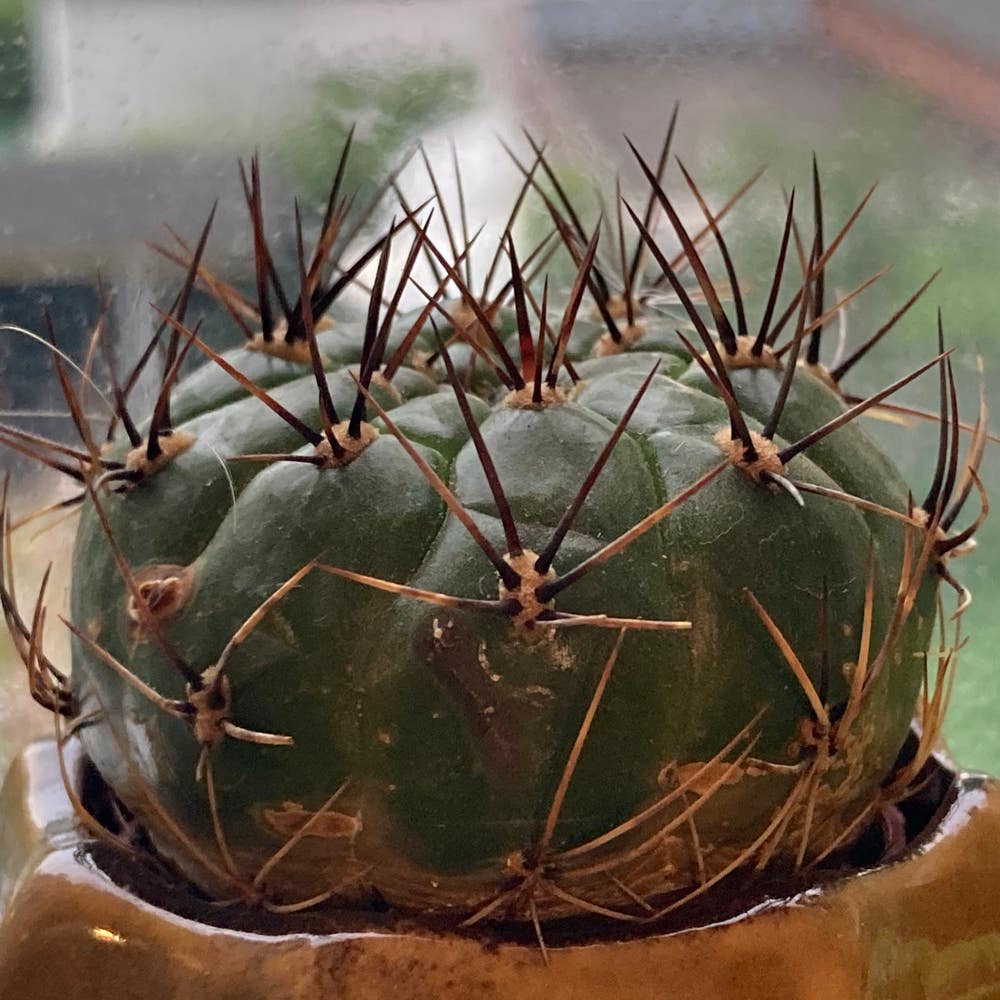
🌞 What Temperature Does My Matucana madisoniorum Need?
Matucana madisoniorum
By the Greg Editorial Team
Feb 14, 2024•4 min read
This article was created with the help of AI so we can cover more plants for you. May contain errors. See one? Report it here.
Keep your cactus happy 🌵 by nailing the perfect temperature range for Matucana madisoniorum's growth!
- Ideal growth temperature: above 70°F; winter minimum 50°F.
- Watch for stress signs: discoloration and wilt from heat; mushiness from cold.
- Manage humidity: use humidifiers or dehumidifiers as needed.
Dialing in the Perfect Temperature
🌡️ The Sweet Spot: Ideal Temperature Range
Matucana madisoniorum thrives in warmth. During active growth, aim for temperatures above 70°F. Winter is a different story; keep it above 50°F to avoid a chill. Remember, consistency is key—avoid sudden swings that can stress your spiky friend.
🌋 When Things Heat Up: High Temperature Tolerance
This cactus can handle the heat, but there's a limit. Avoid temperatures soaring above 90°F to prevent overheating. If your cactus is baking in the sun, move it to a cooler spot. Reflective materials can also help deflect some of the sun's intensity.
❄️ Chilly Concerns: Low Temperature Tolerance
Cold temperatures can be a silent threat. Insulate the pot with bubble wrap or burlap to keep the roots cozy. If the mercury dips too low, consider a heat mat for a steady warmth supply. Watch for signs of cold shock, like a cactus turning as soft as overripe fruit—it's a cry for help.
Recognizing Temperature Trouble
🌡️ Visual SOS: Spotting Signs of Stress
In the world of Matucana madisoniorum, discoloration is a distress flare. If your cactus sports a sunburnt look or pales unnervingly, it's signaling a temperature mismatch. Shriveled or wilted sections scream excessive heat, while a cactus that's too cold may have soft, mushy spots akin to frostbite.
Long-Term Effects of Getting Temperatures Wrong
Consistently wrong temperatures are a silent killer for Matucana madisoniorum. Stunted growth is your cactus crying out for a stable climate. Long-term exposure to unsuitable temperatures can lead to a weakened immune system, making your cactus a magnet for pests and diseases. It's not just about surviving; it's about thriving—temperature stress can prevent your cactus from flowering, robbing it of its full potential.
Keeping Your Cactus Cozy: Seasonal Temperature Adjustments
🌞 Summer Strategies: Beating the Heat
Morning sun is your Matucana madisoniorum's best friend; it's like a gentle wake-up call rather than a blaring alarm. Find a spot that gets those early rays but is shielded from the harsh midday sun. If you're indoors, sheer curtains are your ally, diffusing that intense light. And remember, hydration needs increase with temperature—water more, but don't drown it.
❄️ Winter Wisdom: Staying Warm
Come winter, think of your cactus as a hibernating bear; it doesn't need much, but it does need warmth. 50°F is the line in the sand—below this, and you're in risky territory. A plant heat mat isn't just a luxury; it's a necessity to ward off the cold. And please, keep it away from drafty windows; that's just inviting trouble. If you're in a particularly frosty area, consider wrapping your cactus in a protective cover—it's like a cozy blanket for your spiky friend.
Quick Note on Humidity and Temperature Interplay
Humidity and temperature are inseparable factors in the well-being of your Matucana madisoniorum. This cactus, while hardy, has its comfort zone disrupted when humidity levels don't align with the temperature.
🕺 The Humidity-Temperature Tango
High temperatures can trick your cactus into thinking it's in a tropical paradise, not its native highland. This can lead to increased transpiration and potential dehydration if the humidity isn't up to par. On the flip side, low humidity can make a cool room feel like a desert, causing your cactus to conserve water and potentially stunt its growth.
🌧 Humidity's Hidden Effects
It's not just about the cactus feeling comfortable. High humidity can become a playground for fungal fiends, while low humidity might leave your cactus as parched as a tongue on a hot sidewalk.
🛠 Practical Tips
Keep a humidifier on standby to combat dry air, and consider a dehumidifier if your cactus is swimming in moisture. Remember, it's a balancing act—too much or too little of either can have your Matucana madisoniorum throwing a fit.
📊 Monitoring for Mastery
Don't leave it to guesswork. Arm yourself with a hygrometer to keep tabs on the humidity. It's like having a secret weapon in ensuring your cactus thrives.
⚠️ Safety First
This content is for general information and may contain errors, omissions, or outdated details. It is not medical, veterinary advice, or an endorsement of therapeutic claims.
Always consult a qualified healthcare professional before using any plant as food, medicine, or supplement.
Never eat any plant (or feed one to pets) without confirming its identity with at least two trusted sources.
If you suspect poisoning, call Poison Control (800) 222-1222, the Pet Poison Helpline (800) 213-6680, or your local emergency service immediately.
Spotted an error? Please report it here.
Ensure your Matucana madisoniorum thrives 🌡 with Greg's environment tracking and custom care alerts, keeping your cactus cozy and content!