3 Madison's Matucana Landscaping Hacks 🥄
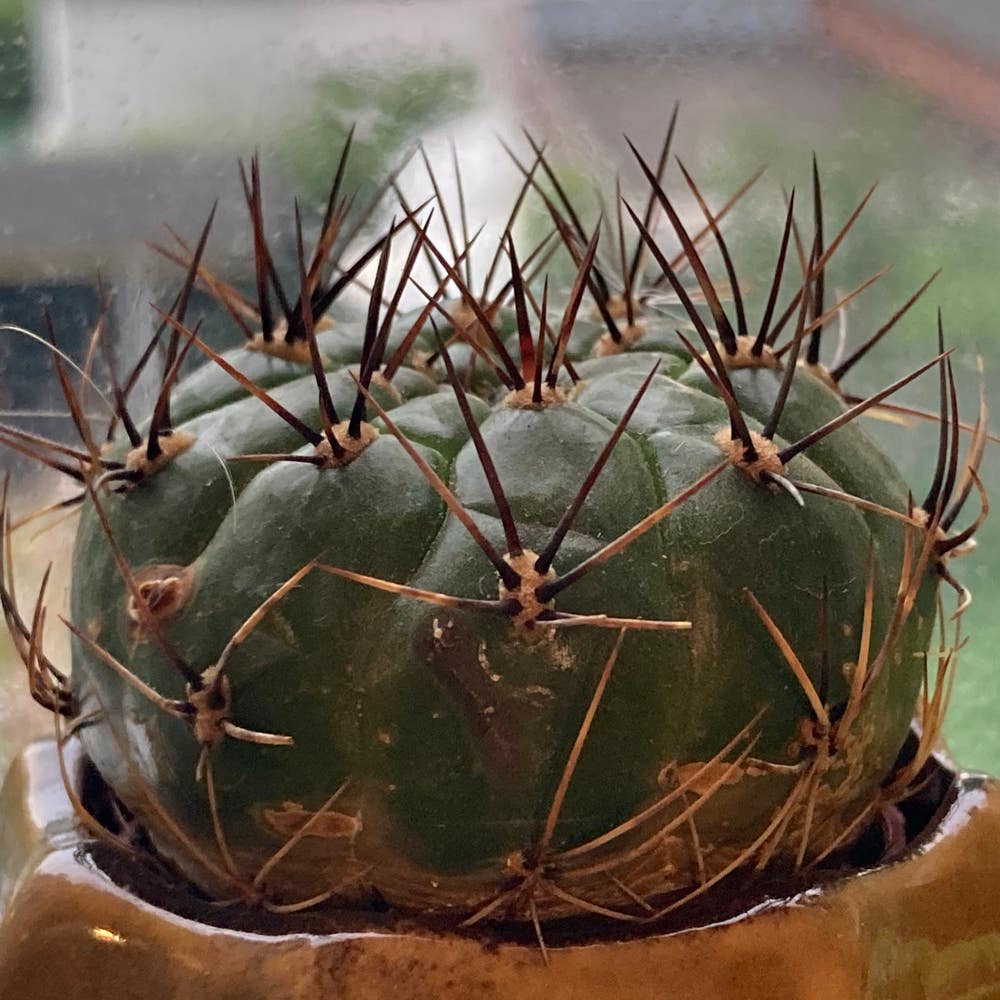
Matucana madisoniorum
By the Greg Editorial Team
Sep 29, 2024•5 min read
This article was created with the help of AI so we can cover more plants for you. May contain errors. See one? Report it here.
Create a stunning outdoor oasis with simple rock garden tips and vibrant container designs! 🌿✨
- 🌿 Rock gardens enhance outdoor spaces with natural aesthetics using gravel and boulders.
- 🎨 Colorful containers brighten landscapes, allowing for flexible and dynamic design.
- 🌱 Drought-tolerant plants ensure low maintenance, promoting sustainability in your garden.
Desert Oasis - Creating a Rock Garden
Implementation (difficulty: easy) 🌄
Creating a rock garden is a straightforward way to enhance your outdoor space. Start by using gravel and boulders to establish a naturalistic setting.
Arrange larger boulders as focal points, surrounded by smaller gravel to create a harmonious look. When planning, consider the scale that fits your space: larger boulders work well in expansive areas, while smaller pebbles are perfect for compact gardens.
Why it Works 🌈
Rock gardens thrive in well-drained soil, making them ideal for areas with rocky textures. The vibrant colors of plants contrast beautifully against the neutral tones of gravel and stone, creating a stunning visual effect.
Adaptation 🌿
This landscaping hack is versatile, suitable for both small and large spaces. You can easily scale your design up with larger boulders or down with smaller pebbles.
To enhance the desert theme, incorporate drought-tolerant plants alongside your rock garden. This not only adds greenery but also ensures your garden remains low-maintenance and visually cohesive.
Creating a rock garden is not just about aesthetics; it’s about crafting a sustainable environment that thrives in your local climate. With the right elements, you can transform any outdoor area into a serene desert oasis.
Next, let’s explore how to elevate your garden's style with stylish container designs.
Container Paradise - Stylish Container Design
Implementation 🌈
Brighten up your outdoor spaces with colorful pots that create a vibrant display on patios or in front yards. Grouping pots of varying heights and colors adds visual interest and makes your garden pop.
Why it Works 🎨
Unique shapes and colors in containers naturally draw attention, making them focal points in your landscape. Plus, the mobility of containers allows for easy rearrangement, enhancing your space's aesthetic appeal.
Adaptation 🪴
Mix and match pot sizes for varied heights, making this approach perfect for both small balconies and expansive patios. For a low-maintenance option, consider using self-watering containers that keep your plants thriving with minimal effort.
Final Thoughts 💭
Embracing stylish container design not only elevates your garden's look but also offers flexibility in arrangement. As you explore this creative avenue, you'll find endless possibilities to express your personal style while enjoying the beauty of nature.
Next, let’s delve into the principles of Feng Shui and how strategic placement can bring balance to your garden.
Feng Shui Focus - Strategic Placement for Balance
Implementation 🌱
Position your plants near entryways or in corners to enhance energy flow. This strategic placement invites positive vibes into your space.
Creating Balance ⚖️
To achieve a harmonious layout, arrange plants in relation to other garden elements. This thoughtful arrangement promotes a sense of tranquility and balance.
Why it Works ✨
The unique forms of these plants create visual interest, drawing the eye and promoting positive energy. This aligns perfectly with feng shui principles, enhancing the overall aesthetic appeal of your garden.
Adaptation 🌿
This approach works well in both minimalist and lush garden designs. Depending on your space, you can adjust the number of plants to maintain balance and harmony.
Practical Tips 📝
- Minimalist Spaces: Use fewer plants for a clean look.
- Lush Gardens: Incorporate more greenery for a vibrant feel.
By thoughtfully placing your plants, you can transform your garden into a serene oasis that not only looks good but feels good too. This balance will set the stage for the next landscaping hack: Color Contrast.
Color Contrast - Pairing with Complementary Plants
Implementation 🌿
Surround your focal plants with those that boast contrasting foliage or vibrant flowers. This creates a striking visual impact that draws the eye and enhances the overall design.
Choose plants with varying textures and colors to add depth and interest. For example, pairing smooth-leaved plants with those that have jagged edges can create a dynamic landscape.
Why it Works 🎨
Vibrant colors not only beautify your garden but also create a focal point that attracts attention. This contrast enhances biodiversity, inviting beneficial insects and pollinators to your space.
The interplay of colors and textures can transform a mundane garden into a lively ecosystem. It’s all about making your garden a feast for the eyes.
Adaptation 🌱
Select plants based on the size of your garden. Larger gardens can accommodate a wider variety of plants, while smaller spaces can focus on a few key contrasts for maximum effect.
Consider incorporating seasonal blooms to ensure year-round interest. This way, your garden remains vibrant and engaging, no matter the time of year.
Transition 🌈
With color contrast established, let’s explore how layered heights can further enhance your garden’s visual appeal.
Layered Heights - Vertical Gardening Techniques
🛠️ Implementation (difficulty: hard)
Creating a stunning vertical garden starts with tiered planters or raised beds. These structures allow you to craft a multi-level display that draws the eye upward.
🌿 Showcasing Unique Structure
Position your plants at varying heights to highlight their unique forms. This not only adds depth to your landscape but also creates a dynamic visual experience.
📈 Why it Works
Vertical gardening techniques are a game-changer for maximizing space. They showcase height and structure, transforming even the smallest areas into lush, inviting environments.
📏 Adaptation for Any Space
This approach is perfect for small spaces, but it can also be scaled for larger gardens. You can add more levels to create an even more impressive display.
🎨 Adding Texture and Color
Incorporate trailing plants or ground covers at lower levels for added texture. This layering not only enhances visual interest but also creates a vibrant tapestry of colors.
💭 Final Thoughts
Vertical gardening is not just about aesthetics; it’s about making the most of your space. With a little creativity, you can turn any area into a flourishing oasis that inspires and delights.
Next, we’ll explore how to create a Color Contrast by pairing your vertical garden with complementary plants for an even more striking effect.
⚠️ Safety First
This content is for general information and may contain errors, omissions, or outdated details. It is not medical, veterinary advice, or an endorsement of therapeutic claims.
Always consult a qualified healthcare professional before using any plant as food, medicine, or supplement.
Never eat any plant (or feed one to pets) without confirming its identity with at least two trusted sources.
If you suspect poisoning, call Poison Control (800) 222-1222, the Pet Poison Helpline (800) 213-6680, or your local emergency service immediately.
Spotted an error? Please report it here.
Elevate your outdoor oasis with these landscaping hacks 🌿, and let Greg help you choose the perfect plants and care tips for a thriving garden all year round!