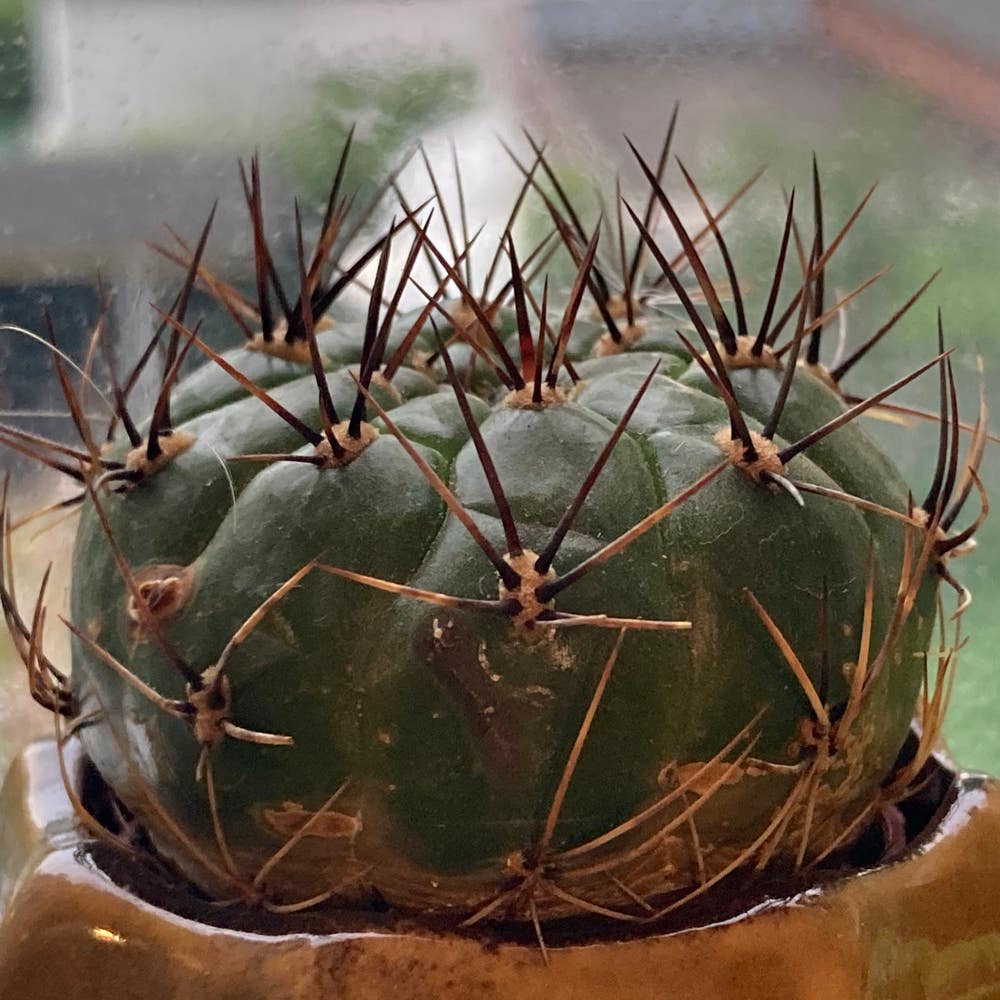
How to Prune Matucana madisoniorum
Matucana madisoniorum
By the Greg Editorial Team
Feb 14, 2024•3 min read
This article was created with the help of AI so we can cover more plants for you. May contain errors. See one? Report it here.
Ensure your cactus thrives 🌵—discover the art of pruning Matucana madisoniorum for health and beauty!
- Spring pruning primes Matucana madisoniorum for growth.
- Use sharp, disinfected tools and wear safety gear for clean cuts.
- Post-prune care: Allow calluses, monitor health, and maintain stable conditions.
Best Time to Get Snippy
🌱 Seasonal Timing
Spring is the sweet spot for pruning Matucana madisoniorum. As the plant wakes from winter dormancy, it's primed for growth, making it the ideal time for strategic snips. Avoid summer's scorching heat, as the stress on the plant can be detrimental to its recovery.
🩺 Plant Health Indicators
Your cactus will signal when it's trim time. Look for overgrown stems or a top-heavy appearance indicating it's ready for a haircut. Discoloration or dry, withered sections are a cry for help—grab your shears. Remember, pruning isn't just cosmetic; it's a vital health check-up for your spiky friend.
Choosing Your Pruning Pals
💇 Essential Pruning Tools
Sharpness is non-negotiable when it comes to pruning Matucana madisoniorum. Pruning shears should be your first pick, ideal for making precise cuts. For the cactus's tougher parts, arm yourself with lopping shears. And if you encounter something akin to a mini tree limb, a hand saw is your friend.
Remember, cleanliness is just as crucial as sharpness. Disinfect your tools with rubbing alcohol before and after the pruning session to prevent any microbial party crashers.
👷 Safety Gear
Don't skimp on protective gloves; they're your hands' personal armor against the cactus's spiky defenses. And while you're at it, throw in some safety goggles for good measure. You're pruning a cactus, not dodging shrapnel, but eye protection is always a smart move.
Keep in mind, the right gear doesn't just protect you; it also ensures a clean and healthy cut for your Matucana madisoniorum. So gear up, get your tools in order, and prepare to give your cactus the trim it deserves.
Pruning Step-by-Step
✂️ Trimming the Central Stem
To encourage optimal growth in Matucana madisoniorum, begin by sterilizing your pruning tools—think of it as a spa treatment for your cactus. Snip the central stem just above a node, at a 45-degree angle, to prevent water from pooling and causing rot.
🌱 Offsets: To Snip or Not to Snip
Offsets are your cactus's attempt at world domination—tiny clones ready to take over. Wait until they're big enough to have their own roots, then use a clean, sharp knife to separate them from the mother plant. It's like moving out of your parents' house—scary but necessary for growth.
💇 Shaping for Show
For a Matucana madisoniorum that's Instagram-ready, prune for symmetry. Step back after each cut to assess the shape. It's like giving your cactus a haircut; you wouldn't want to leave it lopsided. Remove any crossed or competing stems to give your plant a balanced, aesthetically pleasing form.
After the Snip: Post-Pruning Care
🌵 Immediate Aftercare
After pruning your Matucana madisoniorum, it's time for some plant first aid. Clean up all the cuttings and debris to ward off any disease. Then, resist the urge to water immediately; your cactus needs a moment to form calluses over the fresh cuts. This is crucial to prevent rot and infection. Keep the plant in a stable environment with its usual light conditions—no direct, scorching sun on those new wounds.
Long-Term Health Monitoring
In the weeks following the prune, keep a vigilant eye on your cactus. New growth is a thumbs-up, signaling recovery and resilience. Conversely, any signs of distress, such as discoloration or wilting, are red flags. Don't just stand there—adjust your care routine accordingly. Hold off on fertilizing for about a month, and when you do, opt for a diluted, balanced fertilizer. Your Matucana madisoniorum doesn't need a buffet, just a well-measured snack to support its comeback.
⚠️ Safety First
This content is for general information and may contain errors, omissions, or outdated details. It is not medical, veterinary advice, or an endorsement of therapeutic claims.
Always consult a qualified healthcare professional before using any plant as food, medicine, or supplement.
Never eat any plant (or feed one to pets) without confirming its identity with at least two trusted sources.
If you suspect poisoning, call Poison Control (800) 222-1222, the Pet Poison Helpline (800) 213-6680, or your local emergency service immediately.
Spotted an error? Please report it here.
Ensure your Matucana madisoniorum is pruned to perfection 🌵 with Greg's tailored reminders and post-trim care tips for a cactus that thrives.