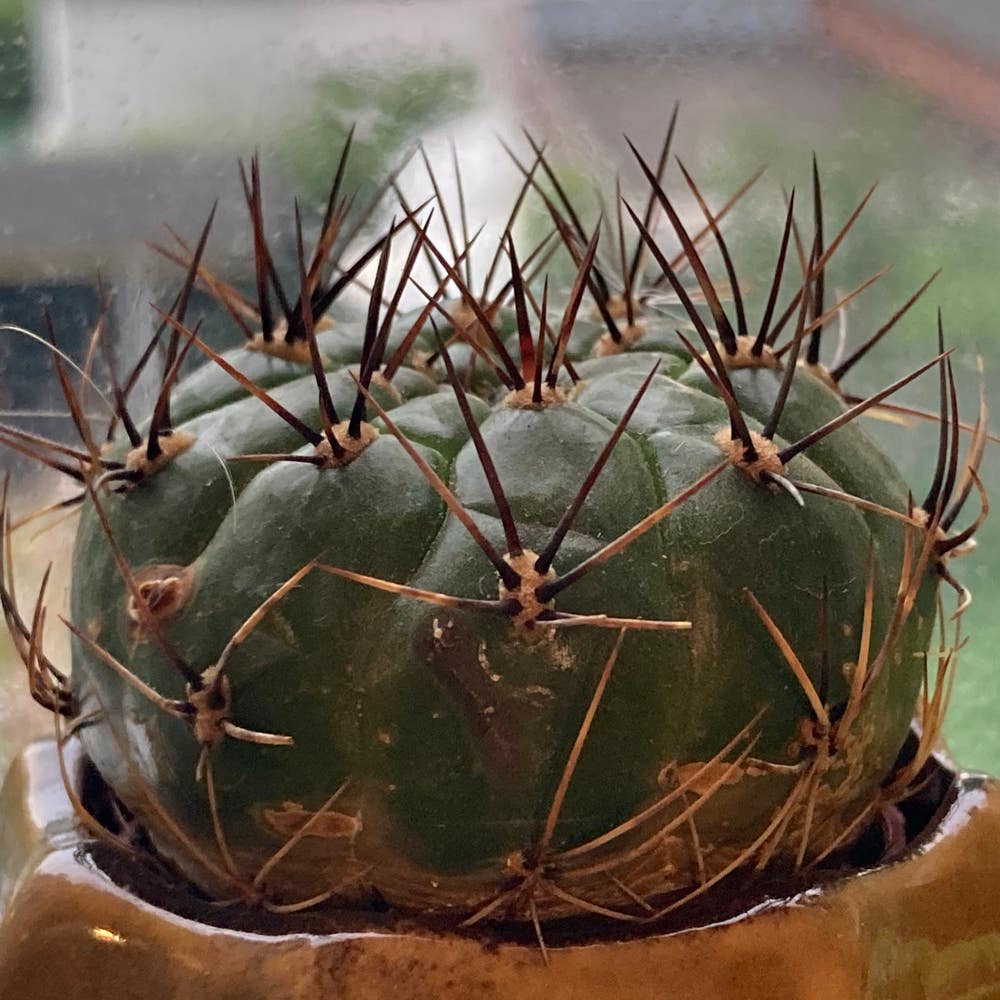
🌵 Why Are My Matucana madisoniorum Leaves Falling Over?
Matucana madisoniorum
By the Greg Editorial Team
Feb 14, 2024•7 min read
This article was created with the help of AI so we can cover more plants for you. May contain errors. See one? Report it here.
Learn to stop your cactus 🌵 from keeling over with these essential care tips!
- Overwatering? Look for yellowing leaves and a mushy base.
- Underwatering? Watch for wrinkled leaves and soil shrinkage.
- Consistent care includes proper light, watering, and monitoring.
Spotting the Trouble Signs
💧 Overwatering Symptoms
Yellowing leaves are your cactus's white flag, signaling surrender to too much water. A base that feels mushy is crying out SOS, potentially indicating root rot. If the pot is heavier than your last grocery bag, or if the soil is wetter than a soaked sponge, it's time to rethink your watering strategy.
🏜️ Underwatering Symptoms
Wrinkled, shriveled leaves are the cactus's way of saying it's been in the desert sun too long without a drink. Soil pulling away from the pot's edge, as dry as a bone, and growth as sluggish as a snail in peanut butter are your cues to up the hydration game.
🌎 Environmental Stress Indicators
Watch for a cactus that's leaning like it's trying to escape its pot – it's not plotting a getaway; it's likely a victim of uneven watering. Discoloration, such as a faded green hue, or the presence of mold, are distress signals for too much humidity. If your cactus is wilting or dropping leaves like a tree in autumn, it's time to assess the environmental factors at play.
Getting to the Root of the Problem
💧 Assessing Your Watering Habits
Light and heat aren't just making your cactus look pretty; they're guzzling down its water reserves. If your cactus is soaking up the sun, it's also soaking up moisture. Cooler, dimmer conditions mean less frequent watering. It's time to match your watering schedule to the rhythm of your cactus's sunbathing habits.
💦 When to Water
Your Matucana madisoniorum's age matters. Young cacti are thirsty little things, craving more water to fuel their growth. As they age, they become the camels of the plant world, storing water in their roots and needing less from you. Watch your cactus grow, and let your watering habits grow with it.
🌍 Evaluating the Environment
The Right Home
Your cactus's home should be as comfortable as your favorite pair of jeans. Light, temperature, and humidity need to be just right. Too much humidity, and your cactus might as well be trying to breathe underwater. Too little, and it's living in a desert within a desert.
🌡️ Temperature and Airflow
Keep the air moving. A gentle fan can mimic a desert breeze indoors, while ensuring your cactus isn't suffocating in a stagnant outdoor corner. And remember, as the temperature goes up, so does your cactus's need for water. But don't drown it in enthusiasm; overwatering is the silent killer of cacti dreams.
💨 Humidity: The Balancing Act
Humidity can be as elusive as a good hair day. Too much, and your cactus is swimming; too little, and it's parched. Aim for that sweet spot where the air feels like a fresh morning in the desert. And if you're living in a place where humidity swings more than your moods, keep a closer eye on your spiky friend.
☀️ Light: The Great Influencer
More light equals more water. It's simple photosynthesis, folks. If your cactus is living it up in the sunlight, it'll need more frequent watering. In a low-light lounge, it's more of a casual sipper. Adjust your watering to the spotlight your cactus is under.
Soil Check
Get your hands dirty. Stick a finger in the soil; if the top inch is dry, it's time for a drink. If it's damp, give it a break. Use room-temperature water to avoid shocking your cactus's roots—nobody likes an unexpected cold shower.
The Recovery Plan
💧 Rescuing an Overwatered Cactus
Cease watering immediately—your Matucana madisoniorum's life depends on it. If the soil feels like a wet sponge, it's time to intervene. Let the soil dry out completely; this isn't a suggestion, it's a cactus SOS.
Step 1: Unpot and Inspect
Gently remove your cactus from its pot. Examine the roots; healthy ones are firm and white. If you spot rotten roots—dark and mushy—grab your sterilized scissors. It's surgery time: snip the bad parts away.
Step 2: Air Out
Let the roots air dry and callous over. Think of it as a timeout for the roots to 'chill' after their trauma.
Step 3: Repot
Once the roots are dry, repot in fresh, well-draining soil. Choose a pot with drainage holes—non-negotiable for cactus survival.
Step 4: Resist Watering
Don't water immediately after repotting. Give it time, like letting a wound heal. Only water when the soil is dry an inch down from the surface.
🌵 Reviving an Underwatered Cactus
Underwatering is less of a death sentence but still a serious issue. Your cactus thirsts for a comeback.
Step 1: Gradual Rehydration
Introduce water slowly. Submerge the pot in water for 5-10 minutes, ensuring even soil moisture. Feel the topsoil; when it whispers moisture, it's enough.
Step 2: Monitor and Adjust
Keep a close watch post-watering. Your cactus should start to plump up. Adjust the watering frequency, ensuring the soil is moist but not soggy.
Step 3: Soil Amendment
For severely dehydrated plants, consider adding peat moss or vermiculite to the soil to improve water retention. Trim any dead material to help the plant focus on recovery.
Step 4: Consistent Care
Establish a new watering routine based on your cactus's response. Remember, it's easier to give more water than to take it away. When in doubt, underwater rather than overwater.
Keeping Your Cactus Happy and Upright
🌵 Consistent Care Routine
Establishing a care routine is like setting the tempo for a healthy cactus life. Your Matucana madisoniorum craves predictability—think watering schedules that don't play hard to get and light exposure that doesn't ghost.
👀 Regular Monitoring
Vigilance is your cactus's best pal. Keep a keen eye on its posture, color, and soil moisture. If it's leaning like a tipsy poet or its color fades like old jeans, it's time to intervene. Regular check-ups can prevent a full-blown plant pout.
🌞 Sunlight and Temperature
Your cactus isn't a sunbather or a snowbird; it prefers a Goldilocks zone of bright, indirect light and mild temperatures. Too much direct sun is a no-go, and cold drafts are about as welcome as a hiccup during a speech.
💧 Watering Wisdom
Watering is an art—too much, and you're drowning the mood, too little, and it's a desert out there. Let the soil dry out between drinks to hit the sweet spot. Remember, overwatering is the fast track to a cactus flop.
🌱 Soil and Stability
A sturdy pot with a well-draining soil mix is the unsung hero here. It's the foundation that keeps your cactus from doing the limbo. Make sure it's packed just right—not too tight, not too loose.
🐜 Pest Patrol
Pests are party crashers for your cactus. Regular inspections for freeloaders like mealybugs or spider mites can save you from an infestation hangover. Catch them early, and show them the door.
🌿 Fertilization: Less is More
Fertilize like you're seasoning a dish—a little goes a long way. Overfeeding is the equivalent of a food coma for your cactus. Stick to a light feeding schedule during the growing season.
✂️ Pruning and Grooming
Keep your cactus trim and proper with occasional pruning. It's not vanity; it's about balance and health. Snip away the dead or damaged parts to keep your cactus looking sharp and standing tall.
🌍 Environmental Harmony
Mimic your cactus's natural habitat for a zen-like existence. A consistent environment that doesn't swing from the Sahara to the Arctic will keep your cactus from throwing a tantrum.
🎛️ Attentive Adjustments
Stay responsive to your cactus's needs. Like a good DJ reading the room, you've got to tune into your plant's vibe. If it's leaning, it's speaking—so listen up and adjust your care routine accordingly.
By sticking to these care commandments, your Matucana madisoniorum will stand tall and proud, less like a weary traveler and more like a sentinel of the windowsill. Keep the rhythm, and your cactus will do the rest.
⚠️ Safety First
This content is for general information and may contain errors, omissions, or outdated details. It is not medical, veterinary advice, or an endorsement of therapeutic claims.
Always consult a qualified healthcare professional before using any plant as food, medicine, or supplement.
Never eat any plant (or feed one to pets) without confirming its identity with at least two trusted sources.
If you suspect poisoning, call Poison Control (800) 222-1222, the Pet Poison Helpline (800) 213-6680, or your local emergency service immediately.
Spotted an error? Please report it here.
Revive your Matucana madisoniorum from the brink with Greg's custom watering plans, ensuring perfect hydration 🌵 and a thriving cactus environment.