🌵 How Much Sunlight For Your Matucana madisoniorum
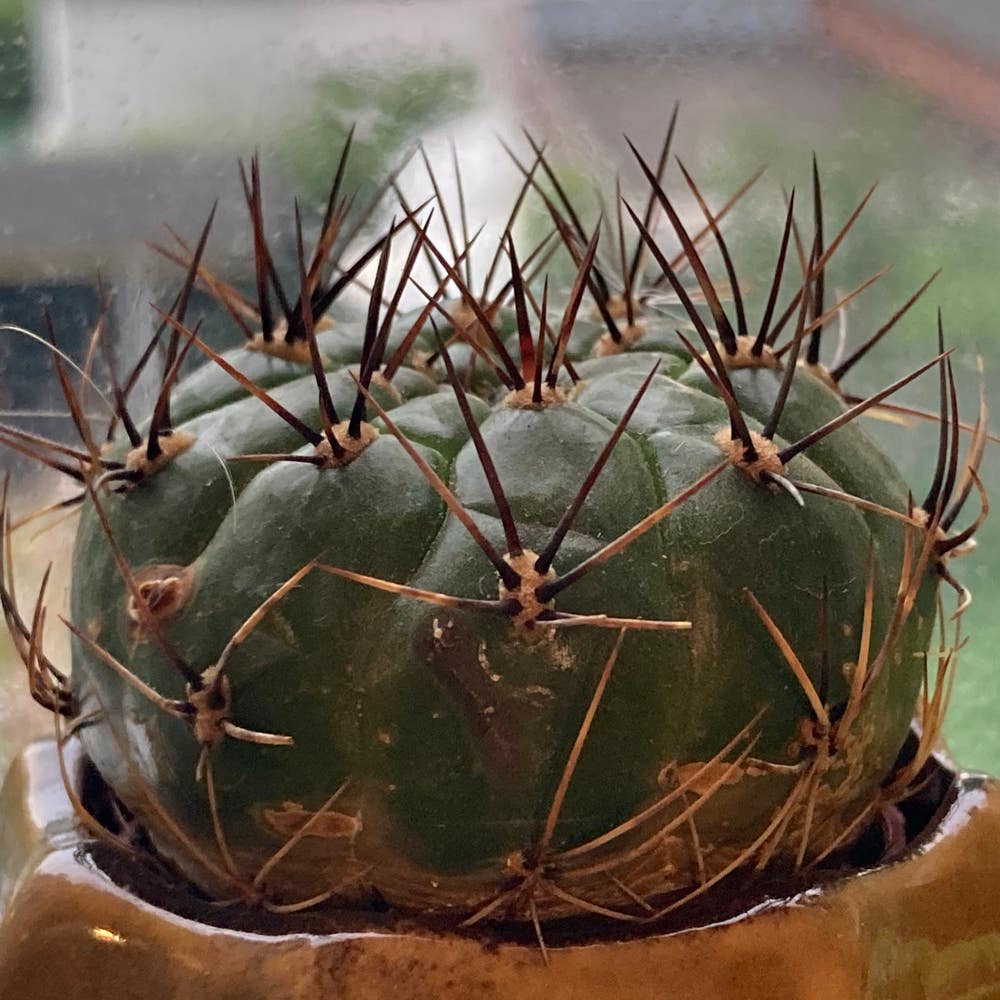
Matucana madisoniorum
By the Greg Editorial Team
Feb 14, 2024•3 min read
This article was created with the help of AI so we can cover more plants for you. May contain errors. See one? Report it here.
Nurture vibrant Matucana blooms 🌸 with the ideal sunlight recipe for cactus perfection!
- 🌞 Morning sun and afternoon shade are ideal for outdoor Matucana madisoniorum.
- 💡 Rotate and use LED grow lights for even growth and blooming indoors.
- ⏲️ Mimic natural light cycles with timers for consistent, healthy flowering.
Basking in the Right Rays: Sunlight Needs for Matucana madisoniorum
🌞 Catching the Outdoor Sun
Finding the perfect outdoor location for your Matucana madisoniorum isn't just about sticking it where the sun shines brightest. You're aiming for a Goldilocks zone: plenty of morning sun with a break from the afternoon's fiery temperament.
Partial shade in the afternoon is your cactus's best friend. It's like sunscreen for your spiky buddy, preventing those unsightly brown sunburn spots. If your cactus starts looking like it's been in a tanning bed too long, it's time to intervene with some strategic shading.
🕶 Dodging the Harsh Rays: Protecting your cactus from sunburn
Sunburn on a cactus? Yep, it's a thing. Acclimatization is key when moving your cactus outdoors. Think of it as a plant's version of dipping toes in the water before diving in. Start with indirect light and gradually introduce more sun to avoid the crispy-leaf look.
🌇 Soaking up the Indoor Sun
South-facing windows are the VIP section for your Matucana madisoniorum when it's living the indoor life. They offer a consistent light buffet, but don't rule out east or west-facing windows, which can also serve up a decent dose of sunshine.
Rotate your cactus regularly to ensure an even tan—er, growth. This prevents your cactus from leaning into the light like a sunflower on a sunny day. It's all about balance, ensuring every side gets its moment in the spotlight.
🔁 Turn, turn, turn: Why rotating your Matucana matters
Rotating your cactus isn't just about aesthetics; it's about even growth. Without a regular spin, your cactus might start reaching for the light, resulting in a lopsided look. Keep it turning, and you'll have a well-rounded plant, both literally and figuratively.
Let There Be Blooms: Light's Role in Flowering
🌼 Triggering the Show
To ignite the blooming process in Matucana madisoniorum, ample light is non-negotiable. These cacti crave bright, indirect sunlight to kick-start their star-shaped show. Position them where they'll soak up those rays without getting scorched. It's a balancing act—too much direct sun risks sunburn, too little and the blooms might as well be a myth.
🌸 Keeping the Blooms Coming
Consistency is the name of the game for sustained flowering. Matucana madisoniorum doesn't take kindly to light changes. As seasons shift, so should your cactus, maintaining that sweet spot of light exposure. Think of it as setting the stage for an encore; the right light keeps the blooms coming. If natural light is a no-show, consider a full-spectrum grow light to keep the performance alive.
Artificial Sunshine: Using Grow Lights Effectively
💡 Choosing Your Sun Substitute
Grow lights are the backstage heroes for your Matucana madisoniorum when the sun's on hiatus. LEDs are the go-to, offering energy efficiency and a cooler touch, preventing your cactus from overheating. Full-spectrum LEDs are like a buffet, serving up a balanced diet of wavelengths. Alternatively, fluorescent lights are the wallet-friendly option, less flashy but still effective.
💡 Setting the Stage
Placement is crucial; aim for a sweet spot 6 to 12 inches above your cactus to avoid sunburn or underexposure. Timing is about rhythm; use a timer to replicate the sun's natural cycle, keeping your plant in a comfortable routine. Monitor your plant's response—adjust light distance and duration based on its reaction. Remember, your cactus needs its beauty sleep, so ensure a period of darkness to rest.
⚠️ Safety First
This content is for general information and may contain errors, omissions, or outdated details. It is not medical, veterinary advice, or an endorsement of therapeutic claims.
Always consult a qualified healthcare professional before using any plant as food, medicine, or supplement.
Never eat any plant (or feed one to pets) without confirming its identity with at least two trusted sources.
If you suspect poisoning, call Poison Control (800) 222-1222, the Pet Poison Helpline (800) 213-6680, or your local emergency service immediately.
Spotted an error? Please report it here.
Ensure your Matucana madisoniorum thrives in just the right light by letting Greg orchestrate 🎵 the perfect sun dance with personalized reminders and care tips.