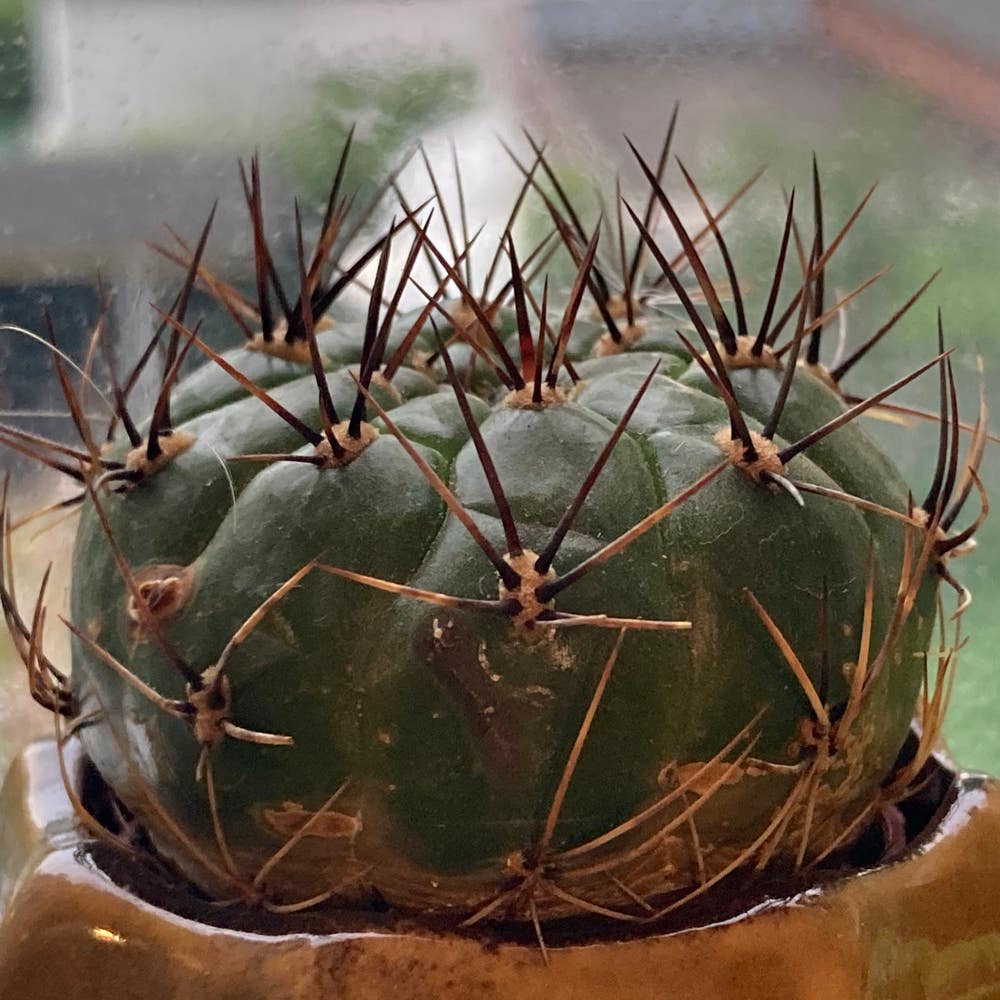
Matucana Madisoniorum Root Rot Solutions
Matucana madisoniorum
By the Greg Editorial Team
Feb 14, 2024•3 min read
This article was created with the help of AI so we can cover more plants for you. May contain errors. See one? Report it here.
Rescue your cactus 🌵 from root rot's grip with expert tips that ensure a healthy, thriving future.
- Wilting, yellowing, soft base? Likely root rot in your cactus.
- Prune with sterilized shears, then treat with systemic fungicide.
- Repot with well-draining soil and pot; water when soil's dry.
Spotting the Red Flags: Identifying Root Rot in Your Cactus
🚨 Visual Symptoms to Watch For
Wilting Matucana madisoniorum? It's not just a bad cactus day. Yellowing leaves and a base that's softer than usual scream trouble. These are your cactus crying out for help, not trying to make a fashion statement with autumnal colors.
🕳 Beyond the Surface: What's Happening Underground
Dig a little deeper and you'll find the real horror show. Healthy roots are firm and white, not mushy and discolored like overcooked spaghetti. A foul odor is the equivalent of a smoke alarm for root health. If your cactus's roots are emitting a stench, it's time to spring into action.
The Rescue Operation: Treating Root Rot in Matucana Madisoniorum
🌵 First Response: Inspecting and Pruning the Roots
Root rot in Matucana madisoniorum demands immediate action. Start by extracting your cactus from its pot with care. Brush off loose soil to reveal the root condition. Healthy roots are firm and white, while rotting ones are mushy and discolored.
Grab sterilized shears and get to work. Cut away all the damaged roots until only healthy tissue remains. Sterilize your tools after each cut to prevent spreading pathogens. It's like performing surgery: precise, clean, and absolutely necessary for survival.
🌱 Aftercare: Fungicides and Healing
Once the bad roots are history, it's time for the healing to begin. If the rot was extensive, a fungicide may be your cactus's new best friend. Choose a systemic fungicide and apply it according to the label's instructions—this isn't a time for improvisation.
Post-trim, let the roots air out and callous over before repotting. This is crucial for preventing further infection. When repotting, select a new pot with excellent drainage and fill it with a gritty, well-draining soil mix. Think of it as setting up a fresh, clean apartment for your cactus.
Resist the urge to water immediately after repotting. Your cactus needs time to acclimate to its new environment. When you do water, make it count: thorough and infrequent is the way to go. Remember, overwatering is what likely got you into this mess, so let's not repeat history.
Cultivating Resilience: Preventing Future Root Rot
💧 Water Wisdom: Balancing Thirst and Drought
Watering Matucana madisoniorum is less a science and more a ritual. It's about reading the soil like a mood ring—dry? Time to water. Moist? Take a break.
Deep watering encourages roots to grow strong and deep, but always let the soil dry out before the next session. It's like giving your cactus a taste of its natural desert habitat, minus the scorching sun and coyotes.
🌱 The Right Foundation: Soil and Pot Selection
Choosing the right pot and soil for your Matucana madisoniorum is like setting up a trust fund for its future. Drainage holes are a must—no exceptions. They're the escape route for excess water, keeping your cactus's feet dry.
Mix your soil like you're crafting a gourmet meal for the roots—well-draining is the dress code here. Add perlite, sand, or pumice to keep it airy. Think of it as creating a breathable, fluffy bed for your cactus to rest its roots.
⚠️ Safety First
This content is for general information and may contain errors, omissions, or outdated details. It is not medical, veterinary advice, or an endorsement of therapeutic claims.
Always consult a qualified healthcare professional before using any plant as food, medicine, or supplement.
Never eat any plant (or feed one to pets) without confirming its identity with at least two trusted sources.
If you suspect poisoning, call Poison Control (800) 222-1222, the Pet Poison Helpline (800) 213-6680, or your local emergency service immediately.
Spotted an error? Please report it here.
Prevent future root rot in your Matucana Madisoniorum by tracking 🌵 soil moisture with Greg's personalized reminders for watering perfection.