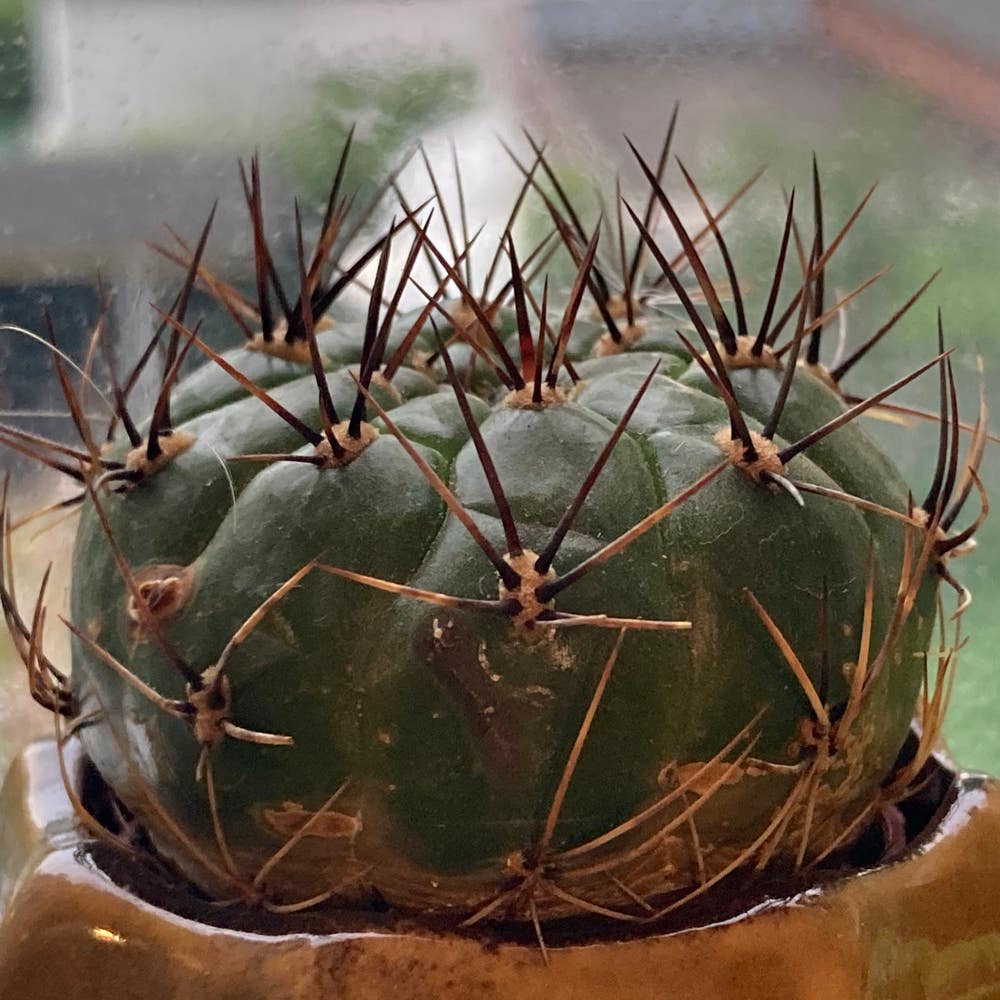
📏 How Tall Your Madison's Matucana Can Get
Matucana madisoniorum
By the Greg Editorial Team
Sep 29, 2024•5 min read
This article was created with the help of AI so we can cover more plants for you. May contain errors. See one? Report it here.
Master the art of growing Madison's Matucana 🌱 by understanding its height, spread, and growth habits for a thriving garden!
- 🌱 Madison's Matucana grows 12-24 inches tall with proper care and conditions.
- ☀️ Full sun exposure boosts growth; aim for well-draining soil for health.
- 🌿 Dwarf and giant varieties offer options for different garden styles and spaces.
Mature Height and Spread
Typical Mature Height 🌱
The typical mature height of a Madison's Matucana ranges from 12 to 24 inches (30 to 60 cm). This height can vary based on several factors, including the plant's age, the care it receives, and the environmental conditions it endures.
Factors Influencing Height 📏
Age plays a significant role in how tall your plant can grow. Additionally, proper care—like adequate watering and sunlight—can help it reach its full potential.
Mature Spread 🌿
When it comes to spread, expect an average of 6 to 12 inches (15 to 30 cm). The growth habit can differ; some plants may grow in a clumping manner, while others may spread out more solitary, depending on their growing conditions.
Growth Habit 🌼
Understanding the growth habit is crucial for planning your garden layout. Clumping varieties can create a fuller look, while solitary growth may require more space between plants.
This knowledge about height and spread sets the stage for understanding how to optimize your plant's growth. Next, we’ll explore the growth rate and the time it takes for your Madison's Matucana to reach maturity.
Growth Rate and Time to Maturity
🌱 Growth Rate
The average growth rate of a Madison's Matucana is about 1 to 2 inches (2.5 to 5 cm) per year. This growth can vary significantly based on factors like light exposure, water availability, and soil conditions.
⚙️ Factors Affecting Growth Rate
- Light: Full sun promotes faster growth compared to partial shade.
- Water: Consistent watering is crucial; too little can stunt growth.
- Soil Conditions: Well-draining soil supports healthier plants than compacted soil.
⏳ Time to Maturity
Reaching full size typically takes around 3 to 5 years. However, this timeline can fluctuate based on the care provided and the environmental conditions.
🔄 Variability in Time to Maturity
- Care: Regular maintenance and optimal conditions can speed up maturity.
- Environment: Plants in ideal climates may mature faster than those in less favorable settings.
Understanding these growth dynamics helps you nurture your Madison's Matucana effectively, ensuring it thrives and reaches its full potential. As you cultivate your plant, consider how these factors interplay to influence its growth journey.
Next, we’ll explore how different environmental conditions can impact the size of your Madison's Matucana.
Size Variability in Different Conditions
🌍 Environmental Impact on Size
The size of your Madison's Matucana can vary significantly based on environmental factors. Light plays a crucial role; full sun exposure typically encourages taller growth, while partial shade may stunt its height.
Soil conditions also matter. Well-draining soil promotes healthy root development, whereas compacted soil can hinder growth. Additionally, the water needs of the plant are vital; consistent watering at the right frequency can lead to robust growth, while neglect can limit its potential.
🌱 Container Growth vs. Ground Growth
When it comes to growth, container-grown plants often lag behind those planted in the ground. Limited root space in pots can restrict size, making them smaller than their ground counterparts.
For optimal growth in containers, choose pots with a minimum diameter of 6 inches (15 cm). This size allows for better root expansion and overall plant health, ensuring your Madison's Matucana thrives.
Understanding these factors can help you create the ideal conditions for your plant, maximizing its growth potential. Next, we’ll explore the fascinating world of dwarf and giant varieties, revealing how size can vary even within the same species.
Dwarf and Giant Varieties
Dwarf Varieties 🌱
Dwarf varieties of the Madison's Matucana are charming little plants, typically reaching heights of just 6 to 12 inches (15 to 30 cm). They thrive in conditions similar to their standard counterparts but are perfect for smaller spaces, making them ideal for container gardening or compact gardens.
Giant Varieties 🌳
On the other end of the spectrum, giant varieties can exceed 24 inches (60 cm) in height, creating a stunning focal point in any garden. To cultivate these impressive plants, ensure they have ample space and optimal growing conditions, allowing them to reach their full potential without constraints.
Understanding the differences between dwarf and giant varieties can help you choose the right fit for your gardening style. Whether you're looking to fill a small nook or create a grand display, there's a Madison's Matucana variety for you.
Controlling Size
Pruning Techniques ✂️
Pruning is essential for maintaining your Madison's Matucana at a desirable size and shape. It helps promote healthy growth and prevents overcrowding.
- Remove dead or damaged segments to keep the plant looking its best.
- Trim back excessive growth to encourage a bushier appearance.
- Timing is key: the best period for pruning is early spring, just before the plant enters its active growth phase.
Growth Control through Pot Size 🪴
The size of your pot plays a significant role in controlling the growth of your Matucana. Smaller pots can restrict root development, leading to stunted growth.
To promote larger dimensions, consider increasing the pot size as your plant grows. A pot that’s too small can limit your plant's potential, so aim for a minimum diameter of 6 inches (15 cm) for optimal growth.
Fertilization Impact on Size 🌱
Fertilization is another crucial factor in managing your plant's size. Light feeding during the growing season can support healthy growth without overwhelming the plant.
Use a balanced cactus fertilizer to provide essential nutrients. However, be cautious with over-fertilization, as it can lead to excessive growth and a weakened structure.
By mastering these techniques, you can effectively control the size of your Madison's Matucana, ensuring it thrives in your care. Next, let’s explore the fascinating world of dwarf and giant varieties, which offer unique characteristics and cultivation tips.
⚠️ Safety First
This content is for general information and may contain errors, omissions, or outdated details. It is not medical, veterinary advice, or an endorsement of therapeutic claims.
Always consult a qualified healthcare professional before using any plant as food, medicine, or supplement.
Never eat any plant (or feed one to pets) without confirming its identity with at least two trusted sources.
If you suspect poisoning, call Poison Control (800) 222-1222, the Pet Poison Helpline (800) 213-6680, or your local emergency service immediately.
Spotted an error? Please report it here.
Unlock the full potential of your Madison's Matucana's growth 🌵 with Greg's tailored care reminders and expert tips to ensure it thrives beautifully in your garden!