🌼 9 Perfect Plant Partners for Matucana
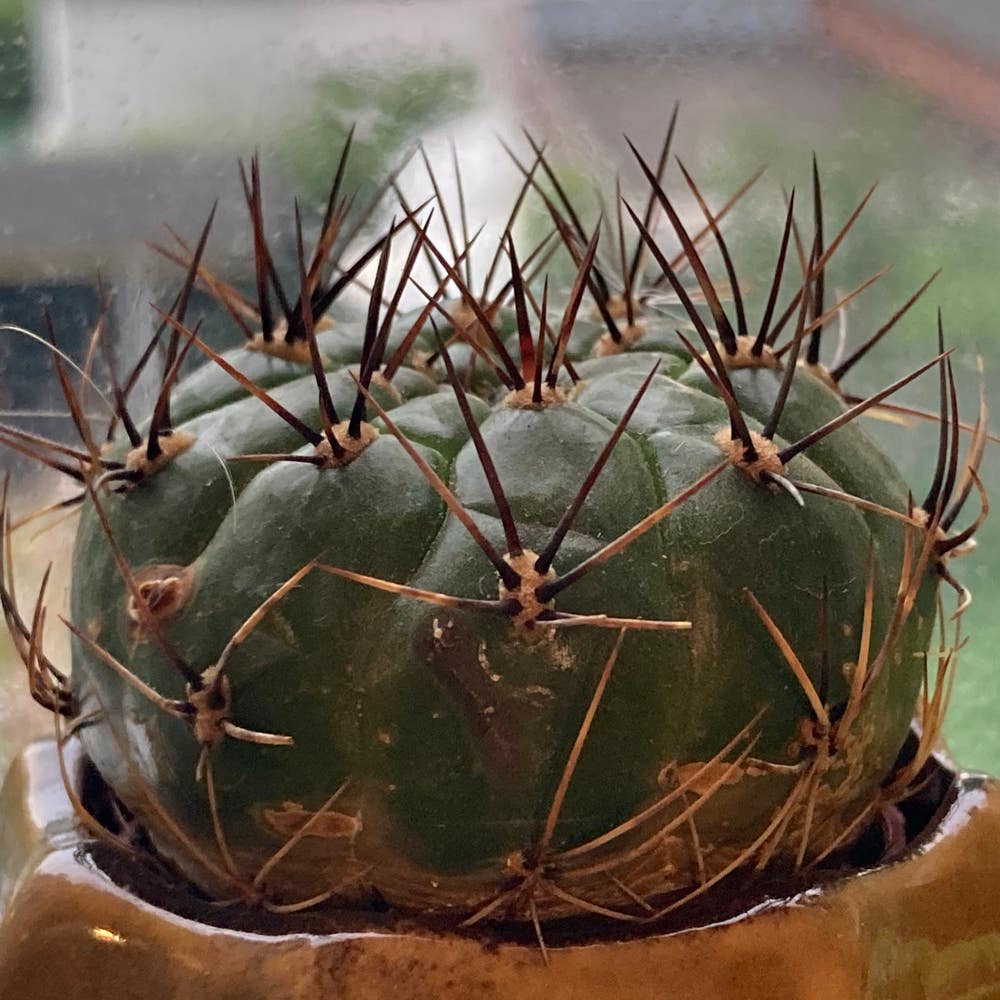
Matucana madisoniorum
By the Greg Editorial Team
Sep 29, 2024•4 min read
This article was created with the help of AI so we can cover more plants for you. May contain errors. See one? Report it here.
Elevate your garden's beauty 🌼 and health by pairing Madison's Matucana with ideal companion plants!
- 🌵 Echinopsis and Sedum thrive alongside Matucana, enhancing beauty and drought tolerance.
- 🌼 Marigolds and Oregano repel pests while adding vibrant color and culinary benefits.
- 🌿 Avoid heavy-feeding plants like tomatoes to prevent competition for nutrients with Matucana.
Best Companion Plants for Madison's Matucana
🌵 Plant 1: Echinopsis
Echinopsis is a fantastic companion for Madison's Matucana, boasting similar growth habits and drought tolerance. This vibrant cactus not only attracts pollinators but also thrives in the same soil and sunlight conditions.
🌿 Plant 2: Sedum
Sedum is a low-growing succulent that adds a splash of color with its vibrant foliage. It complements Matucana's aesthetic beautifully while thriving in similar environmental conditions.
🪴 Plant 3: Agave
Agave stands out as a large, architectural succulent that shares drought tolerance with Matucana. Its spiky leaves can deter pests, making it a practical choice for your garden.
🌱 Plant 4: Aloe Vera
Known for its medicinal properties, Aloe Vera is another excellent companion. It has similar watering needs and can help repel pests, ensuring a healthier garden environment.
🌼 Plant 5: Haworthia
Haworthia is a small, rosette-forming succulent that thrives in the same soil conditions as Matucana. Its unique shape provides visual contrast, enhancing the overall garden design.
🌾 Plant 6: Yucca
Yucca is a tall, striking plant with sword-like leaves that can add height to your garden. It's drought-tolerant and can provide shade for Matucana, making it a versatile addition.
🌵 Plant 7: Cacti (General)
Various cacti species thrive in arid conditions, making them ideal companions for Matucana. They share similar care needs, creating a cohesive desert-themed garden that’s visually appealing.
🌿 Plant 8: Oregano
Oregano is more than just a culinary herb; its aromatic leaves can deter pests and attract beneficial insects. This makes it a practical choice for enhancing your garden's health.
🌼 Plant 9: Marigold
Marigolds are bright, flowering annuals known for their pest-repelling properties. They add a burst of color to the garden while helping to keep unwanted insects at bay.
These companion plants not only enhance the beauty of your garden but also contribute to a healthier ecosystem around Madison's Matucana. As you plan your garden, consider these options to create a thriving, vibrant space. Next, we'll explore which plants to avoid near Matucana for optimal growth.
Plants to Avoid Near Madison's Matucana
🌱 Heavy-Feeding Vegetables (e.g., Tomatoes)
When planning your garden, it's wise to steer clear of heavy-feeding vegetables like tomatoes. These plants compete fiercely for nutrients and water, which can stunt the growth of your beloved Matucana.
🌵 Other Large Succulents (e.g., Jade Plant)
Another group to avoid includes other large succulents, such as jade plants. They share similar resource needs, leading to competition that can stress both plants and hinder their overall health.
By being mindful of these choices, you can create a thriving environment for Madison's Matucana. Next, let's explore effective pest management strategies that can enhance your garden's health and vitality.
Pest Management Strategies
Companion plants are more than just pretty faces in your garden; they play a crucial role in pest management. By using natural deterrents through their scent and chemical properties, these plants can help keep unwanted pests at bay.
🐞 Attracting Beneficial Insects
One of the most effective strategies is attracting beneficial insects. These helpful critters, like ladybugs and lacewings, prey on common garden pests, reducing their populations naturally.
🚫 Specific Pests and Their Deterrents
Certain companion plants are particularly effective against specific pests:
Aphids: Strong-scented herbs like oregano are known to repel these pesky insects. Their aroma is a natural deterrent, keeping aphids away from your Matucana.
Mealybugs: Marigolds are not just colorful additions; they also deter mealybugs and other unwanted visitors. Their vibrant blooms can enhance your garden while protecting your plants.
By strategically choosing companion plants, you create a harmonious ecosystem that supports your Matucana and minimizes pest issues. This approach not only fosters a healthier garden but also enhances your gardening experience.
As you explore the next section, consider how visual appeal and aesthetic combinations can further elevate your garden's charm.
Visual Appeal and Aesthetic Considerations
🎨 Color and Texture Combinations with Matucana
Pairing vibrant flowers with Madison's Matucana can create a stunning visual impact. The unique cylindrical shape of Matucana beautifully contrasts with the lively blooms of companion plants, enhancing the overall aesthetic.
Utilizing contrasting leaf shapes and colors adds further interest. For instance, the spiky leaves of Agave juxtaposed with the soft, rounded foliage of Sedum can create a dynamic garden space.
🏡 Creating a Visually Appealing Garden Layout
Layering plants is key to achieving depth and dimension in your garden. Taller plants like Yucca can provide a backdrop, while shorter companions like Haworthia fill in the foreground, creating a lush, multi-dimensional look.
Grouping plants with similar care needs simplifies maintenance. This strategy not only makes gardening easier but also ensures that your plants thrive together, creating a harmonious environment.
Incorporating these visual strategies will not only enhance the beauty of your garden but also promote a thriving ecosystem. Next, let’s explore how companion plants can aid in pest management, ensuring your Matucana remains healthy and vibrant.
⚠️ Safety First
This content is for general information and may contain errors, omissions, or outdated details. It is not medical, veterinary advice, or an endorsement of therapeutic claims.
Always consult a qualified healthcare professional before using any plant as food, medicine, or supplement.
Never eat any plant (or feed one to pets) without confirming its identity with at least two trusted sources.
If you suspect poisoning, call Poison Control (800) 222-1222, the Pet Poison Helpline (800) 213-6680, or your local emergency service immediately.
Spotted an error? Please report it here.
Create a thriving garden ecosystem 🌵 around your Madison's Matucana with Greg's personalized care tips that ensure every companion plant flourishes beautifully!