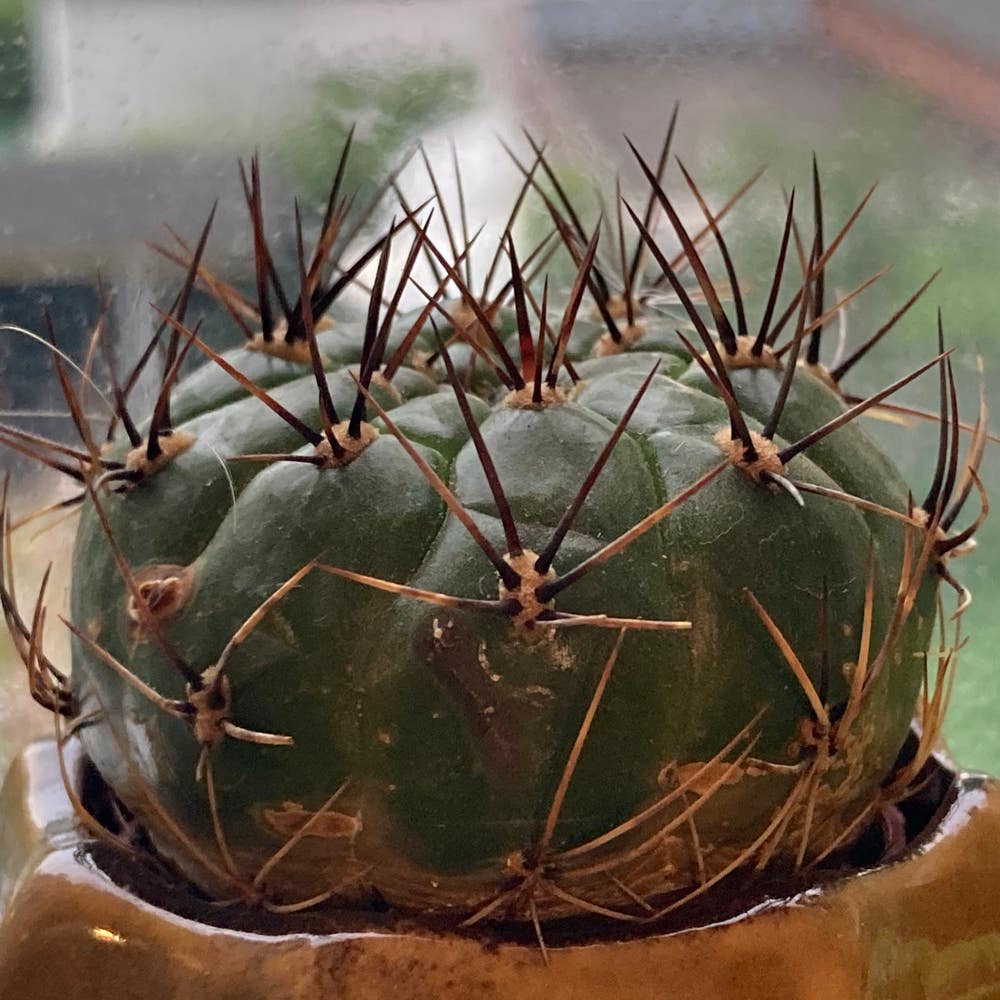
🌵 Black Spots on My Matucana madisoniorum Leaves
Matucana madisoniorum
By the Greg Editorial Team
Feb 14, 2024•3 min read
This article was created with the help of AI so we can cover more plants for you. May contain errors. See one? Report it here.
Banish black spots 🕵️♂️ from your Matucana madisoniorum and restore its vibrant health with expert tips! 🌵
- Fungi, bacteria, or stress cause black spots on Matucana madisoniorum.
- Spot clues: powdery texture for fungi, greasy with holes for bacteria.
- Prevent with care: proper watering, light, airflow, and cleanliness.
Spotting the Culprit: Identifying and Understanding Black Spots
🕵️ Visual Clues
Black spots on your Matucana madisoniorum can be a real downer. These spots typically show up as small, dark blemishes on the leaves. They may start as tiny specks but can grow or merge into larger, more noticeable blotches.
🍄 Fungal Foes
Fungi are often behind these unsightly spots. Look for circular or irregular shapes with a powdery or crusty texture. A yellow halo around the spot is a dead giveaway that a fungus is crashing your cactus's party.
🦠 Bacterial Baddies
Bacterial spots can look like a greasy mess. They often start as water-soaked lesions, sometimes with a purple-brown hue and lighter centers. If you see a hole forming around these spots, it's a red flag that bacteria are doing more than just loitering.
🌿 Environmental Stress Signals
Not all black spots are a microbial rave. Environmental stress can also lead to these marks. Overwatering, poor drainage, or insufficient airflow could be your plant's way of saying, "I'm not okay." These spots often lack the dramatic flair of concentric rings or powdery textures.
Remember, texture and pattern are your clues. Fungal spots might feel powdery, while bacterial ones could be slimy. And if the spots are more like a silent protest against living conditions, it's time to reassess your plant care routine.
Turning the Tide: Treating Black Spots
🍄 Battling Fungal Infections
Fungicides are your first line of defense against the fungal invasion. Rotate your fungicidal agents to outsmart resistance. Tebuconazole and triticonazole might just be the dynamic duo you need. Apply with precision—think sniper, not shotgun.
🦠 Addressing Bacterial Infections
For those bacterial bullies, it's time to get surgical. Remove affected leaves immediately and consider copper compounds or targeted bactericides. But watch it—overuse could brew a superbug storm. Keep treatments consistent and monitor your plant like a hawk.
😅 Easing Environmental Stress
Now, let's talk stress relief. Boost sunlight and airflow to give fungi the cold shoulder. Adjust moisture levels; too much is a fungi fiesta, too little is a cactus crisis. Remember, your Matucana madisoniorum wants to chill in just-right conditions.
Keeping the Spots at Bay: Prevention Strategies
🌱 Cultural Practices for Plant Health
Watering wisdom is non-negotiable. Your Matucana madisoniorum despises soggy feet. Ensure the soil is dry before giving it a drink. Soil smarts mean using a mix that drains faster than a sink with no stopper.
🌞 Environmental Harmony
Light is life, but too much is a no-go. Morning sun is your cactus's caffeine, but by afternoon, it's ready for shade. Keep temperatures consistent; think desert, not tropical paradise. Airflow should be steady, preventing any fungal freeloaders from settling in.
🧼 Cleanliness is Key
Hygiene isn't just for hands. Keep your cactus's space tidy, and pests will look elsewhere for a party. Regular inspections are like routine health check-ups, catching problems before they balloon. And remember, quarantine new plants like they're fresh from a sneeze-filled subway car.
⚠️ Safety First
This content is for general information and may contain errors, omissions, or outdated details. It is not medical, veterinary advice, or an endorsement of therapeutic claims.
Always consult a qualified healthcare professional before using any plant as food, medicine, or supplement.
Never eat any plant (or feed one to pets) without confirming its identity with at least two trusted sources.
If you suspect poisoning, call Poison Control (800) 222-1222, the Pet Poison Helpline (800) 213-6680, or your local emergency service immediately.
Spotted an error? Please report it here.