Best Ways to Protect Madison's Matucana from Frost ❄️
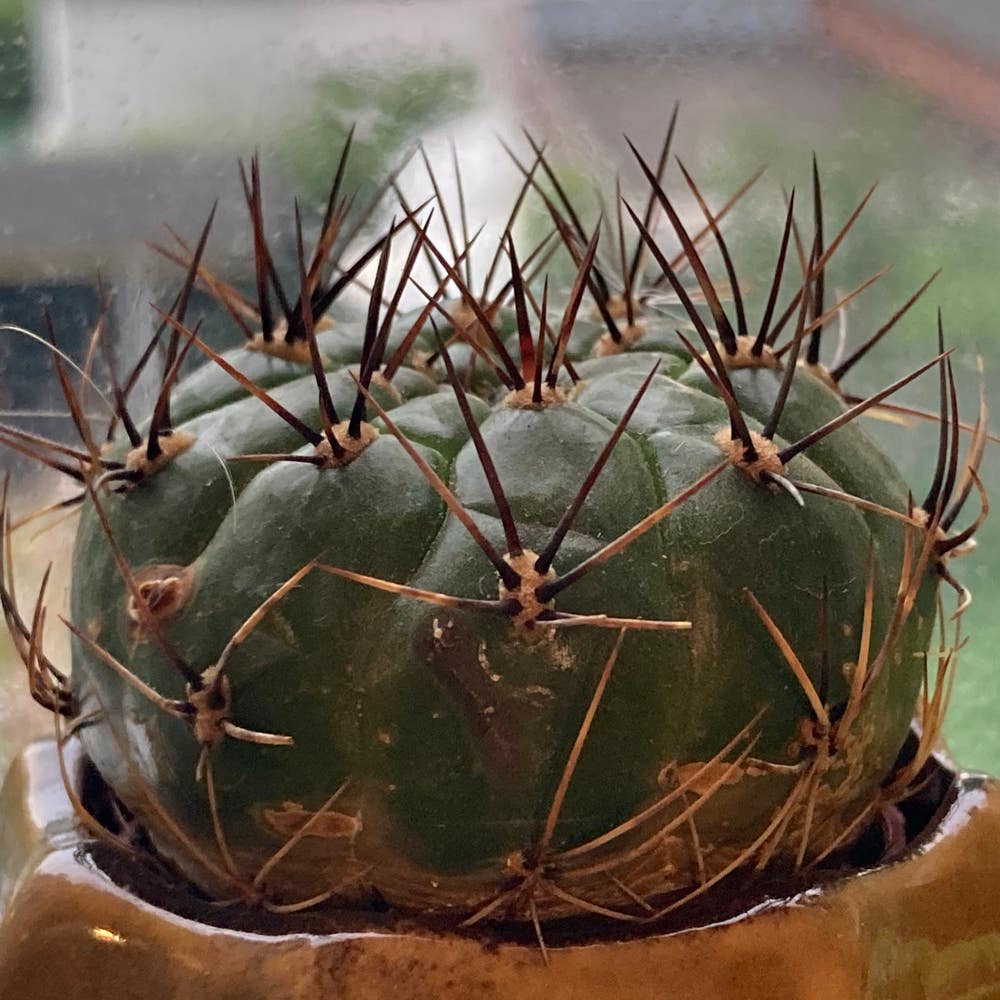
Matucana madisoniorum
By the Greg Editorial Team
Sep 29, 2024•6 min read
This article was created with the help of AI so we can cover more plants for you. May contain errors. See one? Report it here.
Ensure your Madison's Matucana thrives this winter 🌨️ with essential care tips for cold resilience!
- ❄️🌱 Madison's Matucana thrives in cold due to its unique water storage structure.
- 🌬️🌡️ Environmental factors like humidity and wind affect frost sensitivity; monitor closely.
- 🏡🛡️ Use cloches and mulch for effective frost protection and root insulation.
Characteristics of Winter Growth
🌨️ Unique Structure and Cold Hardiness
Madison's Matucana is a resilient plant, thanks to its unique structure that allows it to store water effectively. This water storage is crucial during winter, as it helps the plant endure cold temperatures and reduces the risk of frost damage.
However, the plant's sensitivity to frost can vary significantly based on environmental conditions. Factors like humidity, wind exposure, and temperature fluctuations play a vital role in how well the Matucana withstands winter challenges.
Understanding these characteristics is essential for providing the right winter care. By recognizing the plant's needs, you can better prepare it for the frosty months ahead.
💧 Water Storage and Its Impact on Winter Care
The ability of Madison's Matucana to store water not only aids in its survival but also influences your winter care routine. During dormancy, it's important to monitor soil moisture levels closely to prevent overwatering, which can lead to root rot.
By ensuring the plant retains enough moisture without becoming waterlogged, you can help it thrive even in harsh winter conditions. This balance is key to maintaining its health and vigor throughout the cold season.
❄️ Sensitivity to Frost: Variability Based on Environmental Conditions
Frost sensitivity in Madison's Matucana can be unpredictable. In some cases, the plant may handle light frosts with ease, while in others, even a slight dip in temperature can cause damage.
To mitigate this risk, consider the specific environmental conditions in your area. Factors such as microclimates, shelter from wind, and the overall health of the plant can all influence its frost resilience.
By staying informed about these variables, you can take proactive steps to protect your Matucana from potential frost damage. This knowledge empowers you to create a tailored winter care plan that suits your plant's unique needs.
As you prepare for winter, understanding these characteristics will set the foundation for effective frost protection strategies. Next, we’ll explore practical methods to safeguard your Matucana from the cold.
Frost Protection Strategies
🌳 Best Practices for Outdoor Protection
Timing: When to Start Implementing Frost Protection Measures
To effectively protect your Matucana from frost, timing is crucial. Begin implementing frost protection measures as temperatures start to dip, typically in late fall.
Mulching: Benefits of Using Organic Materials to Insulate Roots
Mulching is a game-changer for winter care. Organic materials like straw or shredded leaves not only insulate roots but also retain moisture, creating a more stable environment.
Location: Choosing the Right Spot to Minimize Frost Exposure
The location of your Matucana can significantly impact its frost resilience. Plant it in a sheltered area, such as near a wall or fence, to reduce exposure to cold winds.
🛡️ Using Cloches and Frost Blankets
Types of Cloches: Materials and Designs Suitable for Protection
Cloches come in various materials, including glass, plastic, and fabric. Each type offers unique benefits, so choose one that suits your climate and aesthetic preferences.
Proper Covering Techniques: Ensuring Ventilation and Securing Against Wind
When using cloches or frost blankets, proper covering techniques are essential. Ensure there's adequate ventilation to prevent overheating during sunny days, and secure them against wind to maintain stability.
These strategies will help your Matucana thrive through the winter months. Next, let’s explore how to adjust watering and fertilizing practices during dormancy for optimal health.
Watering and Fertilizing Adjustments
🌱 Adjusting Watering Frequency During Dormancy
During winter dormancy, it's crucial to reduce watering to prevent root rot. Overwatering can lead to stagnant conditions that harm the roots, so less is definitely more during this time.
Aim for a watering schedule that allows the soil to dry out between sessions. Typically, watering every two to three weeks is sufficient, depending on your indoor climate.
❄️ Fertilizing Needs in Winter
Fertilizing during dormancy is less frequent but still important. Generally, you should fertilize once a month to provide essential nutrients without overwhelming the plant.
Opt for a balanced, slow-release fertilizer that supports winter growth. This ensures your Matucana gets the nourishment it needs without the risk of over-fertilization.
By adjusting your watering and fertilizing practices, you set your Matucana up for a healthy recovery come spring. Next, let's explore how to create optimal indoor conditions for your plant during the colder months.
Indoor Winter Care
Optimal Indoor Conditions 🌡️
Keeping your Matucana comfortable indoors is crucial during winter. Aim for a temperature range of 60°F to 70°F (15°C to 21°C) to ensure it thrives.
Humidity is another key factor. Maintaining a humidity level of around 40-60% helps prevent stress and overwatering, which can lead to root rot.
Light Requirements During Winter Months 💡
Light is vital for dormant plants like the Matucana. Even in winter, they need adequate exposure to keep them healthy and ready for spring.
Consider your light sources carefully. Natural light is great, but if it’s lacking, supplement with artificial lighting to ensure your plant gets the brightness it craves.
By providing the right indoor conditions, you set your Matucana up for a successful winter. This preparation will make the transition back outdoors much smoother when spring arrives.
Spring Preparation and Recovery
🌨️ Signs of Winter Damage to Look For
As spring approaches, it's crucial to assess your Matucana for signs of frost damage. Look for browning or wilting leaves, which can indicate that the plant has suffered from the cold.
Another symptom to monitor is the softness of stems. If they feel mushy or discolored, this could signal frostbite or rot, requiring immediate attention.
✂️ Steps for Recovery and Rejuvenation in Spring
Pruning Damaged Areas
Start by carefully pruning any visibly damaged areas. Use clean, sharp tools to make precise cuts, removing dead or unhealthy sections while preserving healthy growth.
Assess the overall structure of the plant as you prune. This helps ensure that you’re not cutting away too much, allowing the Matucana to recover effectively.
💧 Reintroducing Water and Nutrients
After pruning, it’s time to reintroduce water and nutrients gradually. Begin with a light watering schedule, allowing the soil to dry slightly between sessions to prevent root rot.
Consider using a diluted, balanced fertilizer to support new growth. This will help your plant regain strength without overwhelming it.
🌱 Transitioning Back to Outdoor Care
⏰ Timing for Moving Outdoors
When the risk of frost has passed, it’s time to transition your Matucana back outside. Aim for a day when temperatures are consistently mild, ideally above 50°F (10°C).
This gradual acclimatization is key. Start by placing the plant in a shaded area for a few days before exposing it to full sunlight.
👀 Monitoring for Stress
Keep a close eye on your Matucana during this transition. Watch for signs of stress, such as drooping leaves or discoloration, which may indicate that it’s struggling to adapt.
If you notice any issues, consider bringing it back indoors temporarily. This will help it recover before making another attempt at outdoor living.
With these steps, your Matucana will be well on its way to thriving in the warmer months ahead. Now, let’s explore how to adjust watering and fertilizing practices for optimal growth.
⚠️ Safety First
This content is for general information and may contain errors, omissions, or outdated details. It is not medical, veterinary advice, or an endorsement of therapeutic claims.
Always consult a qualified healthcare professional before using any plant as food, medicine, or supplement.
Never eat any plant (or feed one to pets) without confirming its identity with at least two trusted sources.
If you suspect poisoning, call Poison Control (800) 222-1222, the Pet Poison Helpline (800) 213-6680, or your local emergency service immediately.
Spotted an error? Please report it here.
Keep your Madison's Matucana frost-free ❄️ this winter with Greg's tailored reminders and expert tips for optimal care during the chilly months!