💧 Why Are My Matucana madisoniorum Leaves Mushy?
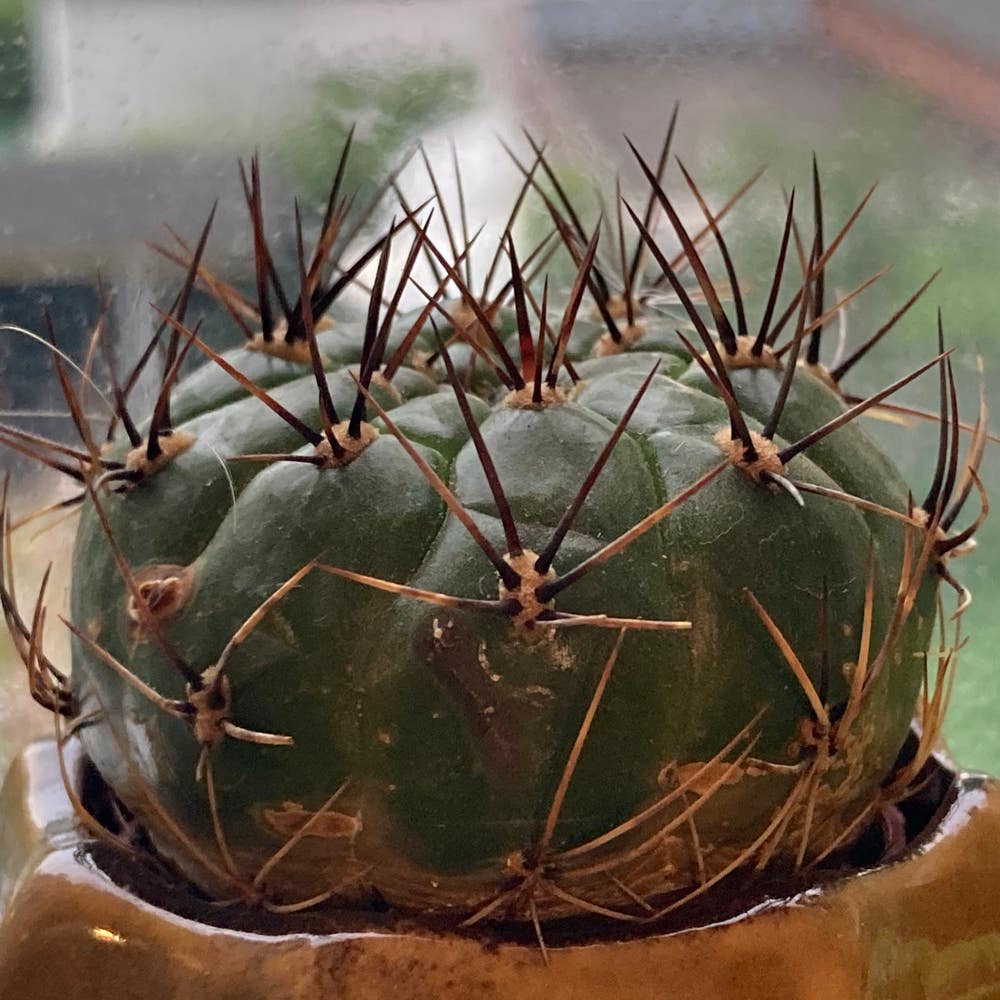
Matucana madisoniorum
By the Greg Editorial Team
Feb 14, 2024•3 min read
This article was created with the help of AI so we can cover more plants for you. May contain errors. See one? Report it here.
Rescue your cactus 🌵 from mushy mishaps with these essential care tips for Matucana madisoniorum!
- Overwatering? Soggy soil and squishy leaves are your red flags.
- Root rot symptoms: Dark roots and foul odor need immediate action.
- Prevent fungus with good airflow, morning watering, and terracotta pots.
Spotting Trouble: Signs Your Matucana madisoniorum Has Mushy Leaves
🚱 Overwatering Red Flags
Soggy soil is a glaring sign that your Matucana madisoniorum is swimming in excess water. If the earth clings to your fingers like wet clay, it's a cry for less hydration.
Leaves that feel like a squashed tomato when given a gentle squeeze are screaming for an intervention. A healthy cactus leaf should snap back, not cave under pressure.
🚫 Root Rot Symptoms
Root rot is a stealthy destroyer. If your cactus's roots resemble overcooked noodles, you're in the danger zone. Dark, mushy roots are a testament to too much water and not enough air.
A foul odor from the soil is your cactus's version of an S.O.S. signal. When roots go from vibrant white to a lifeless brown or black, it's time to act fast.
🍄 Fungal Foes
Fungal infections come with their own set of red flags. Look out for a moldy smell or a fuzzy white presence on the soil, like unwanted guests at a party.
Discoloration of leaves, from yellow to brown, is like a bad paint job on your cactus. It's not just unsightly; it's a sign of fungal foul play.
First Aid for Mushy Leaves
🌵 Rescuing Overwatered Cacti
If your Matucana madisoniorum feels more like a sponge than a cactus, take action. Remove it from its pot and bid farewell to any dark, squishy roots by trimming them off. Let the roots air out until they're no longer wet to the touch, then repot in a mix that drains faster than a sink with new pipes.
🌱 Root Rot Revival Tactics
Root rot is like a bad habit, hard to break but not impossible. After the cactus amputation, let the roots dry thoroughly before introducing them to their new home—a fresh pot with well-draining soil. Think of it as a fresh start in a new city for your cactus.
🍄 Fighting Off Fungal Infections
Fungal infections turn your cactus into a sad, mushy mess. Grab a fungicide made for cacti and follow the label like it's a treasure map. For a more DIY approach, a diluted vinegar spray can act as a preventative measure. But remember, the best offense is a good defense—keep the soil on the drier side to prevent a fungal sequel.
Turning the Tide: Preventative Measures
💧 Mastering the Art of Watering
Watering your Matucana madisoniorum is less about sticking to a strict schedule and more about understanding its thirst. Check the soil before you water; if the top inch is bone-dry, it's time for a drink. Aim for moist, not drenched, and remember, your cactus is more camel than goldfish—it stores water, so overdoing it is a no-no.
🚰 Ensuring the Right Environment
Terracotta pots are your cactus's best friend, wicking away extra moisture like a pro. Ensure your pot has drainage holes; it's essential, like a fire exit in a building. Your soil should be a gritty mix, think sandpit, not swamp. It's all about recreating that desert vibe—airy and uncluttered.
🍄 Keeping Fungus at Bay
Fungus is the party crasher nobody wants. Keep it out by ensuring good airflow and morning watering routines. This gives your cactus the whole day to dry out, avoiding the dreaded evening dampness. And if you spot any uninvited guests, treat with a fungicide faster than you'd swipe left on a bad dating profile.
⚠️ Safety First
This content is for general information and may contain errors, omissions, or outdated details. It is not medical, veterinary advice, or an endorsement of therapeutic claims.
Always consult a qualified healthcare professional before using any plant as food, medicine, or supplement.
Never eat any plant (or feed one to pets) without confirming its identity with at least two trusted sources.
If you suspect poisoning, call Poison Control (800) 222-1222, the Pet Poison Helpline (800) 213-6680, or your local emergency service immediately.
Spotted an error? Please report it here.
Ensure your Matucana madisoniorum goes from mushy to magnificent 🌵 with Greg's tailored moisture monitoring for cacti care success!