🌵 Matucana Buds Won't Open
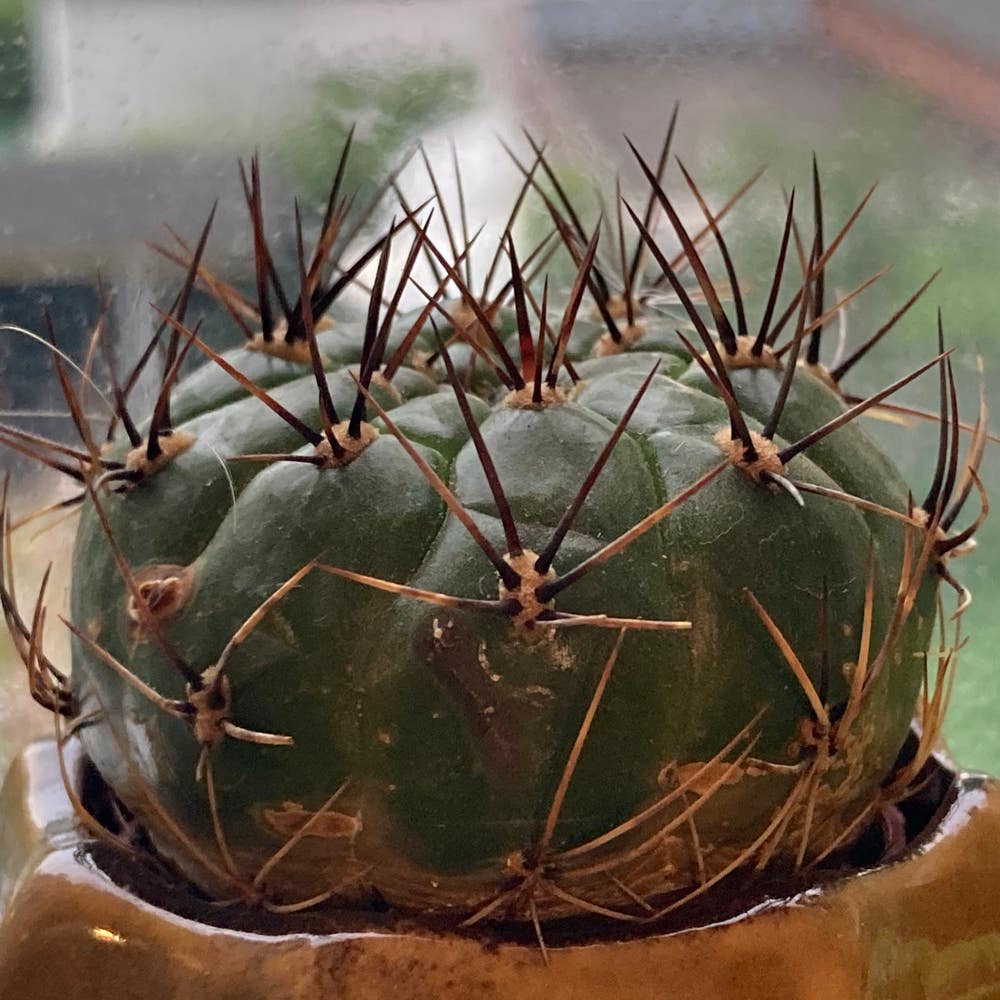
Matucana madisoniorum
By the Greg Editorial Team
Sep 29, 2024•3 min read
This article was created with the help of AI so we can cover more plants for you. May contain errors. See one? Report it here.
Transform your Madison's Matucana into a blooming beauty 🌸 with essential tips on light and care!
- 🌞 Insufficient light exposure can prevent Madison's Matucana from blooming effectively.
- 🌡️ Optimal temperatures between 20°C to 30°C are crucial for flower development.
- 🌱 Balanced fertilization during growth supports healthy blooms and prevents bud drop.
Flowering Problems in Madison's Matucana
🌸 Failure to Bloom
Potential Causes
Light is crucial for blooming. Insufficient light exposure can significantly hinder the bloom cycle of Madison's Matucana.
Temperature also plays a vital role. Extreme temperatures can stress the plant, leading to poor flowering outcomes.
Nutrition is another key factor. A lack of essential nutrients can result in underdeveloped flowers.
Solutions and Adjustments
To encourage blooming, adjust light exposure. Ensure your Matucana receives at least 6 hours of direct sunlight daily.
Maintaining optimal temperature is essential. Keep the environment within 20°C to 30°C (68°F to 86°F) for best results.
Fertilization is equally important. Use a balanced fertilizer during the growing season to support healthy growth.
🌼 Premature Flower Drop
Common Triggers
Stress factors can lead to premature flower drop. Environmental stressors, such as sudden temperature changes, can be particularly damaging.
Watering issues are another common culprit. Both overwatering and underwatering can result in bud drop, disrupting the blooming process.
Remedies and Preventive Measures
Monitor your watering habits closely. Ensure the soil is dry between watering sessions to avoid stress on the plant.
Stabilizing the environment is also crucial. Avoid placing the plant in drafty areas or near heat sources to maintain consistent conditions.
🌺 Abnormal Flower Development
Identifying Abnormal Growth Patterns
Look for signs of abnormality in flower development. Flowers that are misshapen or discolored indicate potential issues.
Understanding typical Matucana blooms helps in identifying abnormalities. Familiarize yourself with their normal morphology for better comparison.
Factors Influencing Flower Morphology
Nutritional deficiencies can alter flower appearance. A lack of specific nutrients may lead to unexpected growth patterns.
Environmental stress is another influencing factor. Changes in light or temperature can significantly affect flower quality.
Solutions for Encouraging Normal Development
Adjusting nutrient intake is vital. Providing a specialized cactus fertilizer can help restore balance.
Optimizing environmental conditions is equally important. Ensure stable light and temperature to encourage normal flower development.
✂️ Pruning and Maintenance for Flowering
Pruning Techniques
When and How to Prune for Optimal Blooms
Timing is key when it comes to pruning. Prune your Matucana after flowering to encourage new growth.
Using clean, sharp tools is essential. This helps avoid damage and promotes healthy recovery.
Impact of Pruning on Flowering
Pruning can stimulate flowering in the next cycle. It encourages new growth, setting the stage for a vibrant bloom.
Removing dead or damaged parts is also beneficial. This helps focus the plant's energy on healthy growth.
🌦️ Seasonal Considerations
Timing of Care Practices Relative to Bloom Cycle
Understanding the bloom cycle is crucial. Align your care practices with flowering periods for optimal results.
Adjusting care before expected bloom times can make a difference. Increase fertilization to support the upcoming flowering phase.
Adjustments Based on Seasonal Changes
Winter care requires a different approach. Reduce watering and fertilization during dormancy to prevent stress.
As spring approaches, gradually increase light and nutrients. This helps your Matucana awaken and thrive as growth resumes.
⚠️ Safety First
This content is for general information and may contain errors, omissions, or outdated details. It is not medical, veterinary advice, or an endorsement of therapeutic claims.
Always consult a qualified healthcare professional before using any plant as food, medicine, or supplement.
Never eat any plant (or feed one to pets) without confirming its identity with at least two trusted sources.
If you suspect poisoning, call Poison Control (800) 222-1222, the Pet Poison Helpline (800) 213-6680, or your local emergency service immediately.
Spotted an error? Please report it here.
Unlock the secret to blooming brilliance 🌼 with Madison's Matucana by using Greg's tailored care reminders to optimize light, temperature, and watering for stunning flowers!