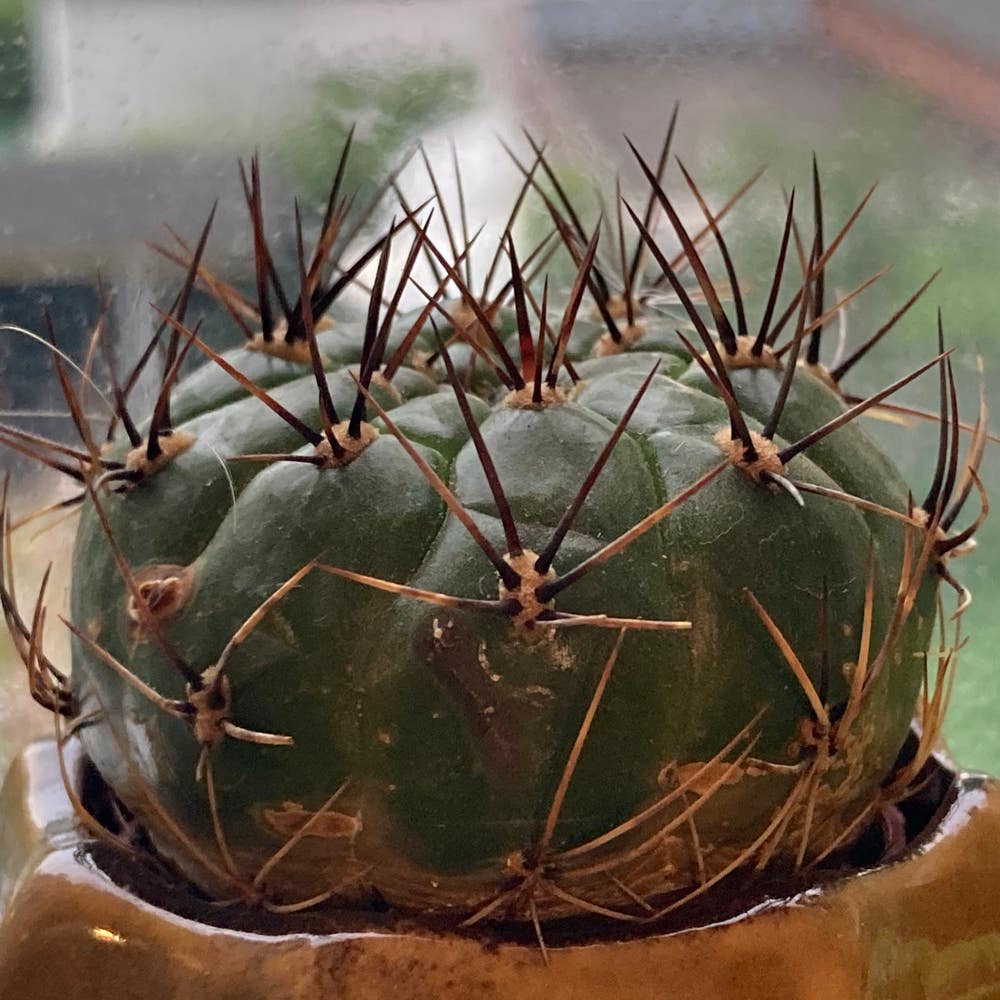
🌞 Growing Your Madison's Matucana Outdoors
Matucana madisoniorum
By the Greg Editorial Team
Sep 29, 2024•6 min read
This article was created with the help of AI so we can cover more plants for you. May contain errors. See one? Report it here.
Transform your Matucana into a thriving beauty 🌱 with essential care tips for every season!
- ☀️ Madison's Matucana needs 6-8 hours of sunlight daily for optimal growth.
- 💧 Water every 2-4 weeks with well-draining soil to prevent root rot.
- 🌱 Fertilize every 4-6 weeks during the growing season for robust flowering.
General Outdoor Care
🌞 Sunlight Needs and Optimal Placement
Madison's Matucana thrives in full sun, requiring 6 to 8 hours of direct sunlight daily. Insufficient sunlight can lead to stunted growth and fewer flowers, so placement is key.
For optimal light exposure, position your plant in a southern or western spot. This ensures it receives the maximum amount of sunlight throughout the day.
💧 Watering Requirements and Frequency
During the growing season, water your Matucana every 2 to 4 weeks. Pay attention to signs of overwatering, such as yellowing leaves and mushy stems.
Deep watering is essential to encourage robust root growth. This method allows water to penetrate deeply, promoting a healthier plant.
🌱 Soil Preferences and Amendments
Madison's Matucana prefers well-draining cactus mix or sandy loam. The ideal soil pH ranges from slightly acidic to neutral, between 6.0 and 7.0.
To improve drainage, consider adding perlite or coarse sand to your soil mix. This will help prevent water retention, which can be detrimental to your plant.
🌼 Fertilization Schedule and Types of Fertilizers
Fertilize your Matucana every 4 to 6 weeks during the growing season. A balanced, water-soluble cactus fertilizer with an NPK ratio of 10-10-10 is recommended.
Regular fertilization supports both growth and flowering, ensuring your plant remains vibrant and healthy. This simple step can make a significant difference in its overall vitality.
As you care for your Matucana, remember that each element—sunlight, water, soil, and nutrients—plays a crucial role in its health. Next, we’ll explore the different planting options available for your Matucana, helping you decide the best approach for your garden.
Planting Options
Benefits and Drawbacks of Container Planting 🌱
Container planting offers remarkable mobility. You can easily shift your Matucana to capture optimal sunlight or shield it from harsh weather.
Another advantage is the control over soil quality and drainage. You can select the perfect mix for your plant's needs.
However, limited root space can be a drawback. This restriction may hinder overall growth.
Additionally, containers often require increased watering frequency. The soil dries out faster, demanding more attention.
Benefits and Drawbacks of In-Ground Planting 🌍
In-ground planting provides a natural growth environment. Your Matucana can spread its roots freely, promoting healthier growth.
Another benefit is better moisture retention in the soil. This can be particularly advantageous during dry spells.
On the downside, you have less control over soil quality and drainage. The ground may not always provide the ideal conditions for your plant.
Moreover, in-ground plants can be more vulnerable to pests and diseases. This risk requires regular monitoring and proactive care.
Choosing between container and in-ground planting ultimately depends on your gardening style and the specific needs of your Matucana. Each option has its unique advantages and challenges, so consider what aligns best with your gardening goals.
Next, let’s explore how to protect your Matucana from environmental factors.
Protection from Environmental Factors
🌤️ Weather Protection Strategies
To keep your Matucana thriving, consider using shade cloth during extreme heat. This simple addition can shield your plant from scorching sun while allowing some light to filter through.
Mulching is another effective strategy. It helps retain soil moisture and regulates temperature, creating a more stable environment for your plant.
When cold snaps hit, frost protection becomes crucial. Cover your Matucana with frost cloth or bring it indoors to prevent damage from freezing temperatures.
🐞 Common Outdoor Pests and How to Manage Them
Outdoor Matucana can attract pests like aphids, mealybugs, and spider mites. Identifying these pests early is key to effective management.
For pest control, neem oil and insecticidal soap are excellent options. You can also introduce beneficial insects to help keep the pest population in check.
Regular inspection of your plants is essential. Early detection allows for timely intervention, ensuring your Matucana remains healthy and vibrant.
🦠 Diseases Affecting Outdoor Matucana and Prevention Methods
Common diseases that can affect your Matucana include root rot and fungal infections. These issues often arise from poor drainage or overwatering.
To prevent these diseases, ensure your soil is well-draining and avoid excessive watering. This simple practice can save your plant from significant harm.
If you do encounter disease, act quickly. Remove affected parts and apply fungicides as needed to restore your plant's health.
Understanding these protective measures will help you cultivate a robust Matucana. With the right care, your plant can flourish despite environmental challenges.
Seasonal Care
🌸 Spring Care Tips
As temperatures rise, it's crucial to reassess your Matucana's watering needs. Increased warmth means your plant may require more frequent hydration.
Start fertilizing as growth resumes to give your Matucana the nutrients it craves. This is also the perfect time to inspect for pests that may have emerged after winter dormancy.
☀️ Summer Care Considerations
During the hot summer months, you'll need to increase your watering frequency. Heat can quickly dry out the soil, so keep an eye on moisture levels.
Monitor your Matucana for signs of sunburn on exposed areas. Providing shade during extreme heat events can help protect your plant from damage.
🍂 Fall Preparation for Winter
As temperatures begin to drop, reduce your watering frequency. Your Matucana will enter a period of dormancy, so it's essential to adjust care accordingly.
Cease fertilization to prepare your plant for winter. Additionally, protect it from early frost by covering or relocating it if necessary.
❄️ Winter Care and Protection
For container plants, bringing them indoors is vital during the winter months. This helps shield them from harsh outdoor conditions.
Outdoor care involves using frost cloths and mulching to insulate your Matucana. Regularly monitor for pests that may thrive indoors, ensuring your plant stays healthy throughout the season.
Transitioning into seasonal care is essential for maintaining the health of your Matucana. Understanding the specific needs of your plant during each season will set you up for success as you move forward.
Climate Zone Considerations
🌍 Identifying Suitable Climate Zones
To thrive, Madison's Matucana prefers USDA zones 9-11. These zones offer the warm, dry conditions that this plant loves, making them ideal for outdoor growth.
🌦️ Adjusting Care Based on Climate Zone
Watering needs can vary significantly between humid and arid climates. In humid areas, you might find that less frequent watering is necessary, while arid climates will require more regular hydration.
Sunlight exposure is another critical factor. Depending on your local weather patterns, you may need to adjust where you place your Matucana to ensure it gets the optimal amount of light.
❄️ Special Considerations for Extreme Climates
In extreme heat, your Matucana will benefit from increased watering and some shade during the hottest parts of the day. This helps prevent stress and keeps the plant healthy.
Conversely, in extreme cold, consider insulating your plants or relocating them indoors to protect them from frost.
Understanding local microclimates is essential for optimal care. These small variations in climate can significantly impact how you care for your Matucana, ensuring it thrives no matter the conditions.
With the right adjustments, your Matucana can flourish in various climates, setting the stage for a vibrant outdoor display.
⚠️ Safety First
This content is for general information and may contain errors, omissions, or outdated details. It is not medical, veterinary advice, or an endorsement of therapeutic claims.
Always consult a qualified healthcare professional before using any plant as food, medicine, or supplement.
Never eat any plant (or feed one to pets) without confirming its identity with at least two trusted sources.
If you suspect poisoning, call Poison Control (800) 222-1222, the Pet Poison Helpline (800) 213-6680, or your local emergency service immediately.
Spotted an error? Please report it here.
Transform your outdoor space with a thriving Madison's Matucana 🌞 by using Greg for personalized watering reminders and expert tips that ensure your plant flourishes in the sun!