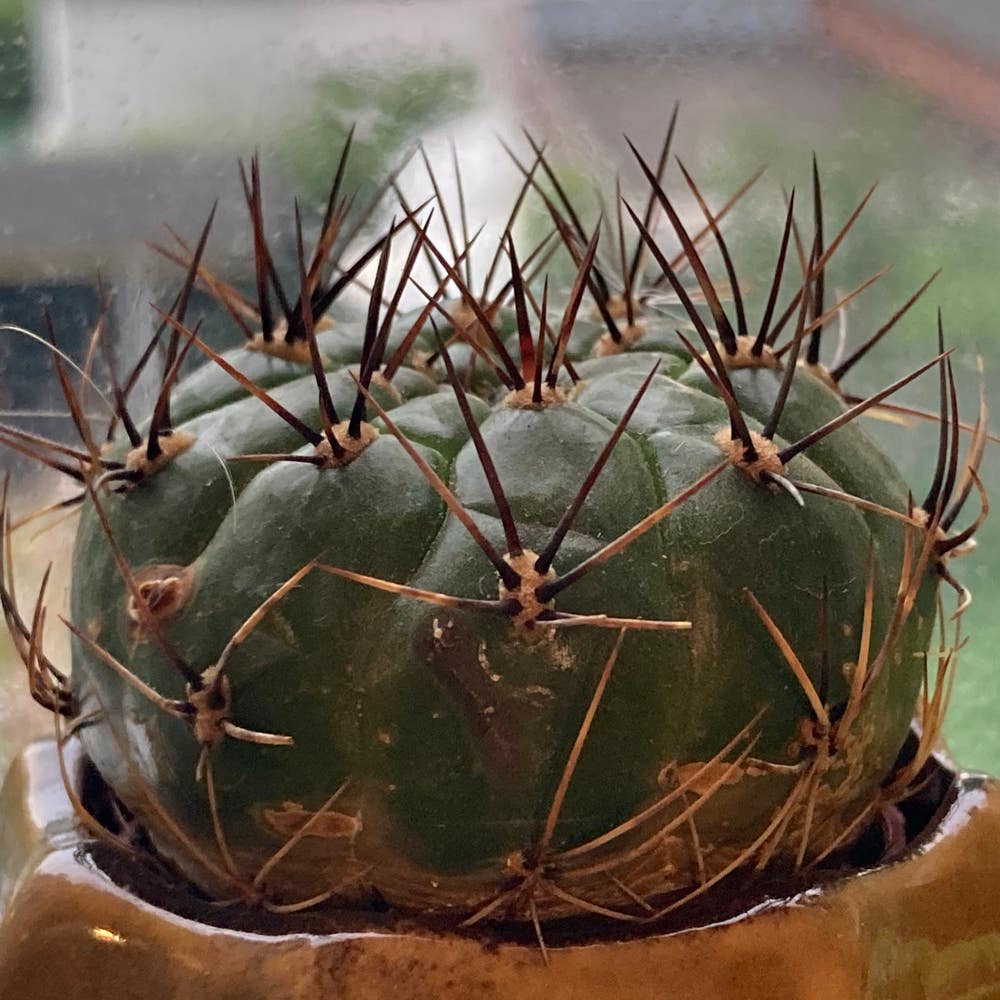
The Best Pollinators for Your Madison's Matucana 🐝
Matucana madisoniorum
By the Greg Editorial Team
Sep 29, 2024•5 min read
This article was created with the help of AI so we can cover more plants for you. May contain errors. See one? Report it here.
Unlock your garden's potential 🌱 by mastering self and cross-pollination for thriving Madison's Matucana! 🌼
- 🌼 Madison's Matucana self-pollinates, ensuring reproduction without external help.
- 🐝 Bees, butterflies, and hummingbirds are key pollinators for stronger plants.
- 🌱 Hand pollination boosts success; timing and conditions matter for optimal results.
Self-Pollination vs. Cross-Pollination
Self-Pollination 🌱
Madison's Matucana stands out for its remarkable ability to self-pollinate. This feature ensures that the plant can reproduce even when pollinators are absent, making it resilient in various conditions.
Self-pollination also accelerates seed production. This can be particularly beneficial for gardeners looking to propagate their plants quickly and efficiently.
Cross-Pollination 🌼
While self-pollination is a reliable method, cross-pollination offers significant advantages. It enhances genetic diversity, which can lead to stronger and more adaptable plants.
Understanding both self-pollination and cross-pollination is essential for optimal cultivation. By leveraging both methods, you can maximize the health and productivity of your Madison's Matucana.
Flower Structure
Description of Flower Parts 🌸
Madison's Matucana boasts vibrant petals that are not just visually stunning but also serve a crucial purpose: attracting specific pollinator species. These colorful petals are complemented by sepals, which form a protective outer layer, often green and leaf-like, safeguarding the delicate inner structures.
The flower's stamens are the male reproductive parts, responsible for producing pollen. In contrast, the pistils serve as the female reproductive parts, designed to receive pollen and facilitate fertilization.
How Flower Structure Facilitates Pollination 🐝
The unique arrangement of these flower parts plays a significant role in attracting pollinators. The shape and color of the petals are essential in guiding pollinators directly to the reproductive organs, ensuring effective pollination.
Understanding this structure can enhance your cultivation efforts. By appreciating how these elements work together, you can create an environment that maximizes pollination success for your Madison's Matucana.
As we delve deeper into the pollination process, it's essential to recognize how these flower structures interact with pollinators in the wild.
Pollination Process
🌼 Mechanisms of Self-Pollination
Madison's Matucana has a fascinating self-pollination mechanism. Pollen is transferred from the stamens to the pistils within the same flower, ensuring reproduction even when external pollinators are absent.
Optimal conditions for self-pollination include warm temperatures and moderate humidity. These factors create a favorable environment for the pollen to successfully fertilize the ovules.
🐝 Role of Cross-Pollination and Primary Pollinators
While self-pollination is effective, cross-pollination significantly enhances genetic diversity. Primary pollinators for Madison's Matucana include bees, butterflies, and hummingbirds, each playing a crucial role in the plant's reproductive success.
The plant attracts these pollinators through vibrant colors and enticing scents. This combination not only draws them in but also ensures that pollen is efficiently transferred between flowers, promoting a healthy ecosystem.
Understanding both self-pollination and the role of pollinators is essential for optimal cultivation. This knowledge empowers gardeners to create conditions that support both methods, leading to a thriving plant.
Hand Pollination
Step-by-Step Instructions for Hand Pollination 🌼
Hand pollination can be a rewarding way to ensure the success of your Madison's Matucana. Follow these simple steps to get started:
Identify Male and Female Parts: First, locate the male flower parts, known as stamens, and the female parts, called pistils. This is crucial for effective pollination.
Collect Pollen: Use a small brush or cotton swab to gently collect pollen from the stamens. This step requires a steady hand to avoid damaging the delicate flower structures.
Transfer Pollen: Carefully transfer the collected pollen to the stigma of the pistil. This is where fertilization occurs, so precision is key.
Timing is Everything: Perform this process during peak flowering periods for the best results. Pollination is most effective when flowers are fully open.
Identifying Male and Female Flower Parts 🔍
Understanding the visual cues for distinguishing between stamens and pistils is essential.
Stamens: Look for the slender, filament-like structures topped with pollen sacs. They are often more numerous and can vary in color.
Pistils: The pistil is typically central and larger, often with a sticky stigma at the top, designed to catch pollen.
Careful handling is vital to avoid damaging these structures. A gentle touch ensures that your efforts lead to successful pollination, enhancing the vitality of your plants.
With these steps, you can take an active role in the pollination process, ensuring your Madison's Matucana thrives. Next, let’s explore the common challenges you might face during pollination and how to overcome them.
Pollination Challenges
Common Obstacles to Successful Pollination 🌪️
Pollination can be tricky, especially for Madison's Matucana. Several environmental factors can hinder this vital process.
- Temperature Fluctuations: Sudden changes in temperature can stress plants, affecting their ability to produce viable pollen.
- Low Humidity Levels: Dry conditions can lead to pollen desiccation, reducing its effectiveness.
- Lack of Pollinator Presence: If pollinators like bees and butterflies are scarce, the chances of successful cross-pollination diminish.
Solutions for Overcoming Pollination Challenges 🛠️
Fortunately, there are effective strategies to tackle these challenges head-on.
- Using Row Covers: Protect your flowers from harsh weather and pests by using row covers. This creates a microclimate that can enhance pollination success.
- Timing Planting: Align your planting schedule with peak pollinator activity. This increases the likelihood of attracting the right pollinators when your flowers are in bloom.
Monitoring environmental conditions is crucial. Keeping an eye on temperature and humidity can help you make timely adjustments, ensuring optimal pollination for your Madison's Matucana.
With these strategies in place, you can enhance your plant's reproductive success and enjoy a thriving garden. Next, let’s explore the fascinating process of hand pollination and how you can take control of your plant's future.
⚠️ Safety First
This content is for general information and may contain errors, omissions, or outdated details. It is not medical, veterinary advice, or an endorsement of therapeutic claims.
Always consult a qualified healthcare professional before using any plant as food, medicine, or supplement.
Never eat any plant (or feed one to pets) without confirming its identity with at least two trusted sources.
If you suspect poisoning, call Poison Control (800) 222-1222, the Pet Poison Helpline (800) 213-6680, or your local emergency service immediately.
Spotted an error? Please report it here.
Unlock the secrets of successful pollination for your Madison's Matucana and boost your garden's vitality 🌱 with Greg's personalized tips and reminders that ensure your plants thrive!