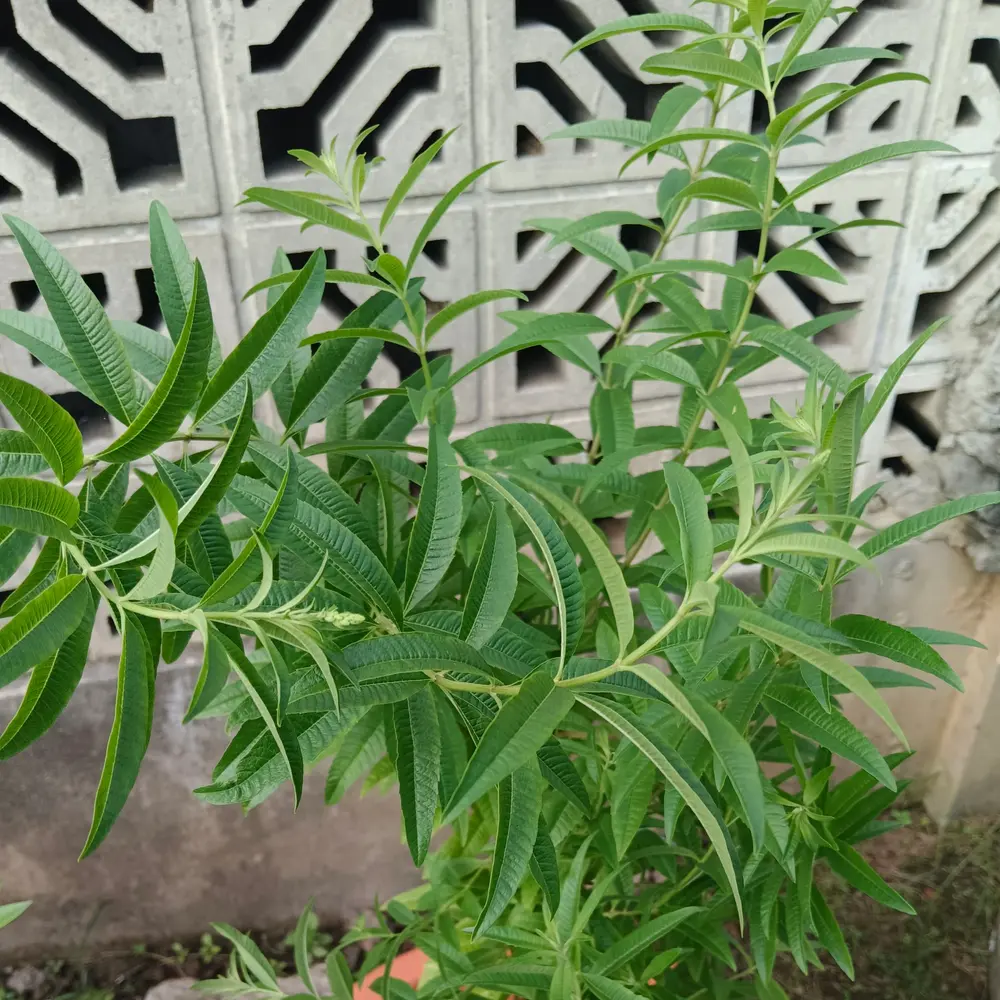
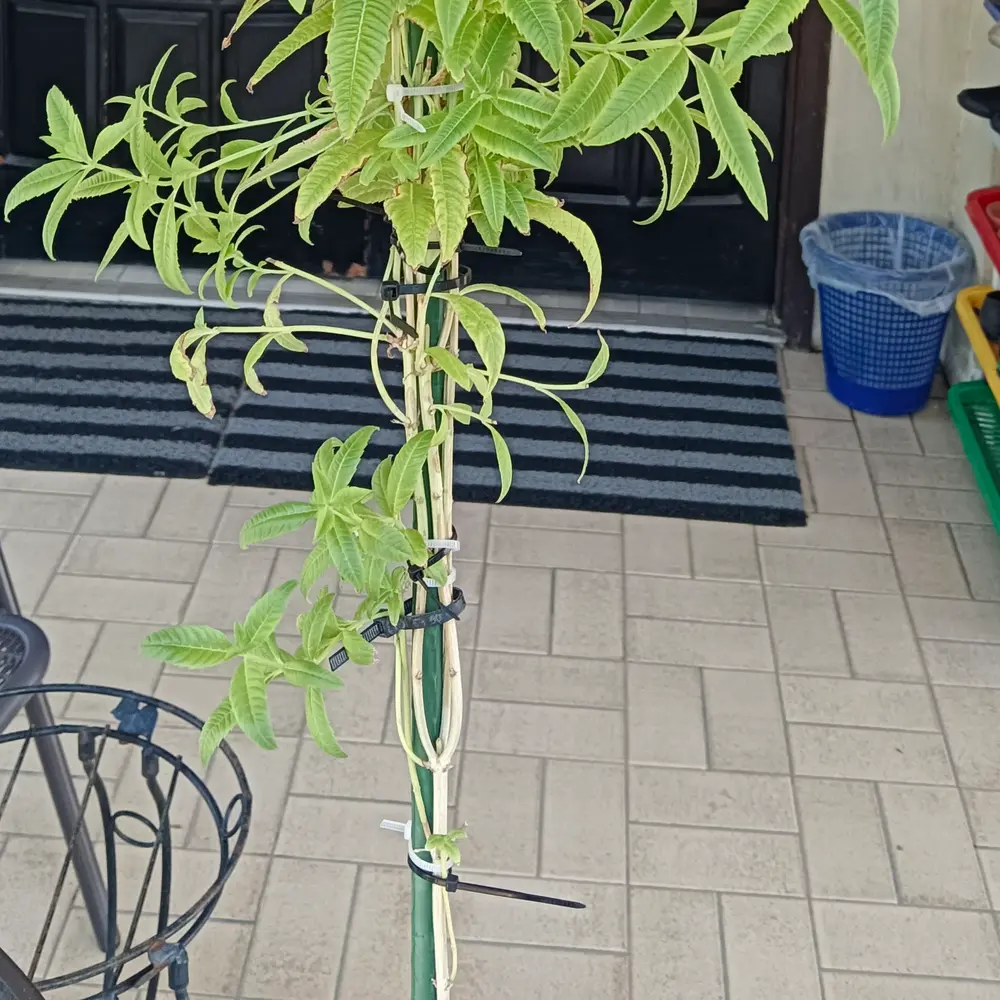
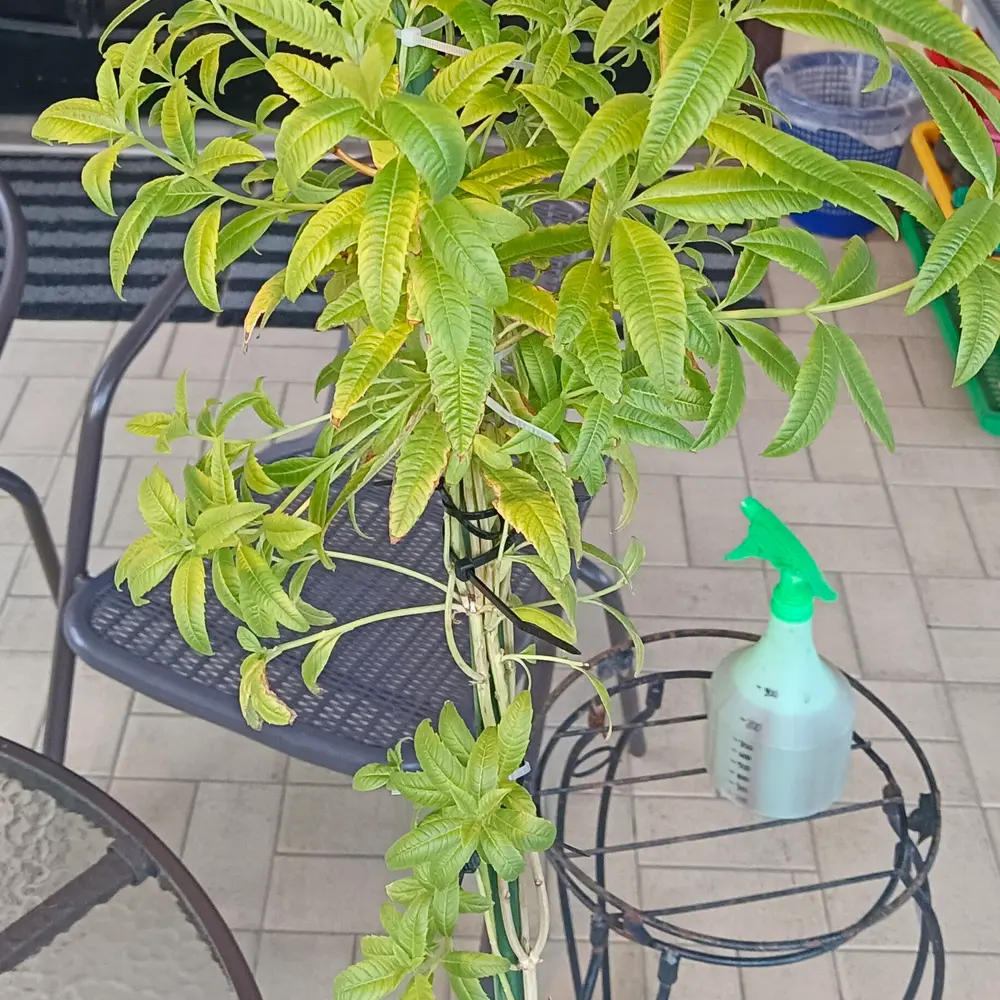
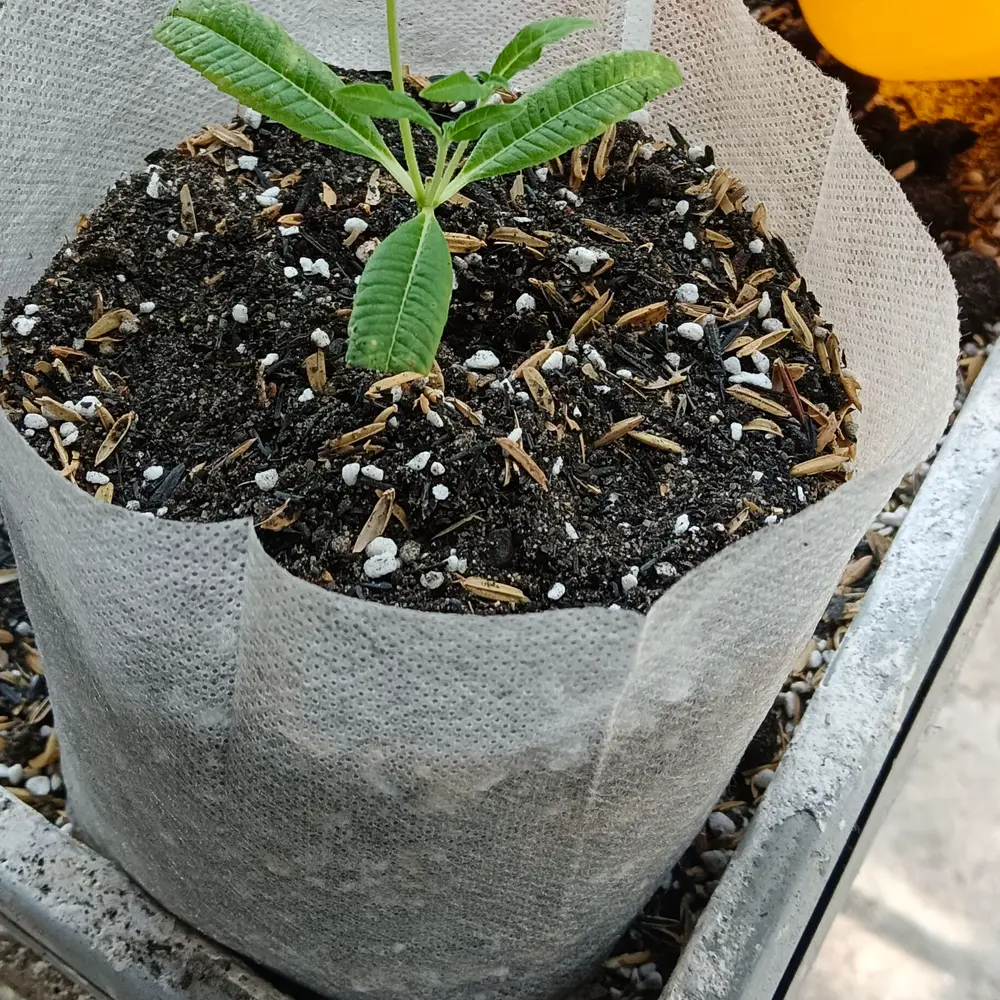
Identifying What is Eating Your Lemon Verbena 🍋
Aloysia citrodora
By the Greg Editorial Team
Jan 06, 2025•7 min read
This article was created with the help of AI so we can cover more plants for you. May contain errors. See one? Report it here.
- 🦌 Deer and rabbits can severely damage lemon verbena; use fencing and netting to deter them.
- 🐿️ Squirrels and birds threaten your plants; reflective objects and fake predators can help.
- 🌱 Monitor young shoots closely in spring; they are most vulnerable to herbivores.
Common Herbivores
🦌 Deer
Signs of presence
Look for distinctive hoof prints in the soil, which indicate deer activity. Additionally, dark, pellet-like droppings near your lemon verbena can confirm their presence.
Type of damage caused
Deer are notorious for browsing on leaves and stems, often stripping them bare. This can lead to stunted growth and weakened plants.
Beneficial vs. harmful interaction
Interactions with deer are generally harmful, as they can decimate populations of your plants. Protecting your garden from these herbivores is crucial for maintaining plant health.
Deterrent methods (difficulty: moderate)
To deter deer, consider installing 8-foot tall fencing around your garden. Alternatively, you can use commercial deer repellents or homemade solutions like garlic spray to keep them at bay.
🐇 Rabbits
Signs of presence
Rabbits leave behind clean cuts on young shoots, indicating they’ve been munching. You may also find small, round droppings scattered near the plants.
Type of damage caused
These furry pests gnaw on leaves and stems, leading to significant loss of foliage. Their feeding habits can severely impact the growth of young plants.
Beneficial vs. harmful interaction
Rabbits are generally harmful to your garden, particularly to young plants. Their voracious appetites can quickly lead to devastation.
Deterrent methods (difficulty: easy)
To protect your lemon verbena, cover plants with mesh netting to prevent rabbit access. You can also modify the habitat by removing dense brush nearby, reducing their shelter.
🐿️ Squirrels
Signs of presence
Squirrels often leave irregular holes in foliage from their chewing. You might also spot nests in nearby trees or shrubs, indicating their presence.
Type of damage caused
These critters can strip bark and chew leaves, which weakens the plant structure. This damage can lead to stress and reduced growth for your lemon verbena.
Beneficial vs. harmful interaction
Squirrels are generally harmful, as their activities can lead to significant plant stress. Keeping them away is essential for your garden's health.
Deterrent methods (difficulty: moderate)
To deter squirrels, use reflective objects or noise-making devices to scare them off. Installing physical barriers around the base of the plant can also help protect it.
🐦 Birds
Signs of presence
Look for small holes or peck marks on leaves, which indicate bird feeding. Nests in nearby trees or shrubs can also signal their activity.
Type of damage caused
Birds often feed on seeds and flowers, which can reduce your plant's reproductive success. This feeding can impact the overall health of your lemon verbena.
Beneficial vs. harmful interaction
While birds can be generally beneficial by controlling insect populations, their feeding habits can still pose a threat. Balancing their presence is key.
Deterrent methods (difficulty: easy)
To keep birds away, use fake predators as decoys or hang shiny materials to deter them. These simple methods can help protect your plants.
🐭 Rodents
Signs of presence
Rodents leave small holes in the ground near your plants, indicating tunneling activity. You may also find gnaw marks on stems or roots.
Type of damage caused
These pests can cause root damage, leading to wilting and even death of your plants. Their impact can be severe if not addressed promptly.
Beneficial vs. harmful interaction
Rodents are generally harmful, as they can cause significant damage to your plants. Taking action against them is essential for maintaining a healthy garden.
Deterrent methods (difficulty: hard)
To manage rodent populations, consider using snap traps or live traps. Encouraging natural predators like owls or hawks in the area can also help keep them in check.
🦡 Groundhogs
Signs of presence
Look for large burrows near your plants, which indicate groundhog activity. Chewed plants with distinctive bite marks on stems and leaves are another telltale sign.
Type of damage caused
Groundhogs can cause extensive feeding, often completely stripping plants. Their impact can be devastating for your herb garden.
Beneficial vs. harmful interaction
Interactions with groundhogs are generally harmful, as they can wreak havoc on your plants. Protecting your garden from these animals is crucial.
Deterrent methods (difficulty: moderate)
To deter groundhogs, install underground fencing to prevent burrowing. You can also use commercial or homemade repellents, such as castor oil, to keep them away.
As you identify these common herbivores, it's essential to implement effective protection strategies. Understanding their signs and the damage they cause will help you maintain the health of your lemon verbena.
Beneficial Animals
Pollinators 🐝
Pollinators play a crucial role in the ecosystem, especially for plants like lemon verbena. They are essential for fruit and seed production, ensuring that your garden thrives.
These busy creatures also contribute to pest control. By attracting beneficial insects that prey on harmful pests, pollinators help maintain a healthy balance in your garden.
Encouraging pollinators can lead to a flourishing environment. Consider planting a variety of flowers to attract bees, butterflies, and other helpful insects.
Incorporating pollinator-friendly practices not only benefits your plants but also supports biodiversity. A vibrant garden filled with life is a joy to behold and a testament to nature's interconnectedness.
As you nurture your lemon verbena, remember the importance of these beneficial animals. Their presence can enhance your gardening experience and promote a thriving ecosystem.
Next, let’s explore some effective protection strategies to keep your plants safe from herbivores while encouraging these helpful allies.
Protection Strategies
🛡️ Preventive Measures
To protect your lemon verbena from herbivores, start with plant placement. Position your plants away from known herbivore pathways to minimize encounters.
Companion planting is another effective strategy. Pair lemon verbena with plants that deter herbivores, such as marigolds, to create a natural barrier.
⚠️ Reactive Solutions
When damage occurs, take immediate action. Prune affected areas to promote new growth and help your plants recover.
If the damage is severe, consider replanting. Replacing heavily damaged plants not only maintains the aesthetics of your garden but also ensures the continued health of your herb garden.
🌱 Maintaining a Balanced Ecosystem
Creating a thriving garden involves encouraging beneficial insects. These allies can help control harmful herbivores, striking a balance in your ecosystem.
By fostering a healthy environment for both plants and insects, you can deter harmful herbivores while promoting the growth of your beloved lemon verbena.
With these strategies in place, your garden can flourish despite the challenges posed by herbivores. Next, let’s explore the seasonal considerations that can impact your lemon verbena's health.
Seasonal Considerations
🌱 Seasonal Variations
As the seasons change, so does the behavior of herbivores. In spring, increased activity is noticeable as animals emerge from hibernation, eager to munch on fresh foliage.
Summer marks the peak feeding times for many herbivores. With abundant food sources, your lemon verbena may face heightened threats from these hungry visitors.
⏰ Timing of Plant Growth
Understanding the growth cycles of your plants is crucial. Young shoots are particularly vulnerable in early spring, making it essential to monitor them closely during this period.
By recognizing these seasonal patterns, you can better protect your lemon verbena from potential damage. This proactive approach ensures your plants thrive throughout the growing season.
Toxic Effects
Potential toxicity 🌿
Lemon verbena can have mild toxic effects if consumed in large quantities. While it’s generally safe, excessive intake may lead to digestive upset, making moderation key for both humans and animals.
Implications for interactions 🦙
Understanding the toxicity of lemon verbena is crucial for managing interactions with herbivores. By recognizing these effects, you can better protect your plants and maintain a healthy garden ecosystem.
This knowledge empowers you to create strategies that deter unwanted visitors while promoting the well-being of your lemon verbena. As you cultivate your garden, keep in mind how these dynamics play out, ensuring a thriving environment for both plants and beneficial wildlife.
⚠️ Safety First
This content is for general information and may contain errors, omissions, or outdated details. It is not medical, veterinary advice, or an endorsement of therapeutic claims.
Always consult a qualified healthcare professional before using any plant as food, medicine, or supplement.
Never eat any plant (or feed one to pets) without confirming its identity with at least two trusted sources.
If you suspect poisoning, call Poison Control (800) 222-1222, the Pet Poison Helpline (800) 213-6680, or your local emergency service immediately.
Spotted an error? Please report it here.
Keep your lemon verbena thriving 🌱 by using Greg's tailored tips to identify pests and set up effective deterrents for a flourishing garden!