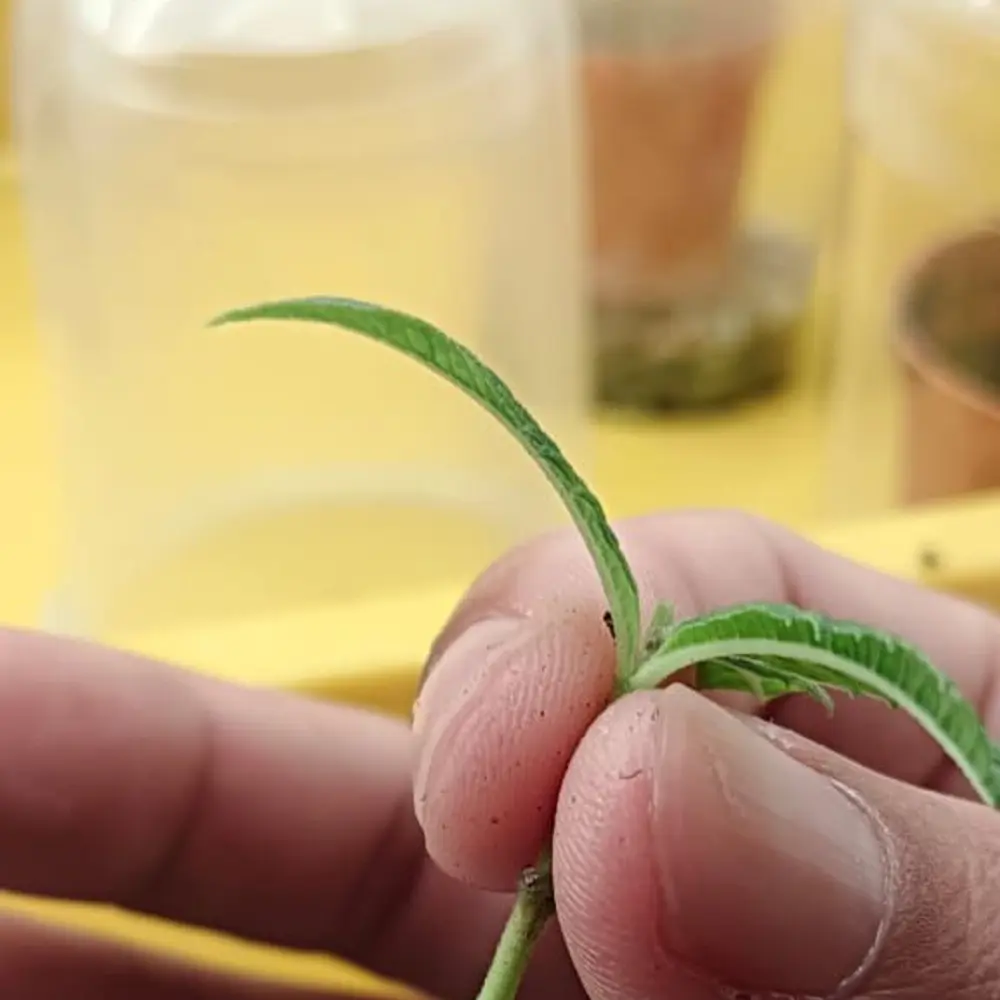
Black Spots on My Lemon Verbena Leaves
Aloysia citrodora
By the Greg Editorial Team
Jun 18, 2024•4 min read
This article was created with the help of AI so we can cover more plants for you. May contain errors. See one? Report it here.
- Black spots indicate distress, hinting at fungal or bacterial issues.
- Fungicides and pruning help treat infections; airflow and moisture control prevent them.
- Plant hygiene is crucial; clean tools, water at base, inspect regularly.
Spotting the Culprit: Recognizing Black Spots
🚩 What Do Black Spots Look Like?
Black spots on Lemon Verbena leaves are the plant equivalent of a red flag. They start as tiny specks, often less than ⅛ inch in diameter, and can expand into unsightly blotches. These spots aren't just a cosmetic issue; they signal potential distress in your plant's health.
🕵️ Clues on the Leaves: Size, Shape, and Pattern
Size matters: initially small, these spots can grow or merge if ignored. Shape and pattern also give clues; irregular edges and concentric rings suggest an infection partying at your plant's expense. Spots may appear on either side of the leaves, but the undersides are their favorite hideout. Regular inspections are like routine health check-ups for your Lemon Verbena.

Unearthing the Causes: Fungal vs. Bacterial
🍄 Fungal Foes: Common Culprits
Fungal infections in plants are like unwanted party crashers that refuse to leave. Black spots on Lemon Verbena leaves often point to these fungal gatecrashers. They come in various forms, with powdery mildew and sooty mold being the usual suspects. These fungi love to feast on the organic matter on leaves, especially when the conditions are humid and the air stagnant.
Look for a powdery residue or spots with a yellowish halo – these are the calling cards of a fungal invasion. The spores spread with ease, hitching a ride on the wind or splashing up from infected soil during a rain dance.
🦠 Bacterial Baddies: Recognizing the Signs
Bacterial infections are the slimy handshakes of the plant world; they're unpleasant and often leave a lasting impression. Bacterial spots are typically more water-soaked in appearance, making the leaves look as though they've been dipped in a puddle. They can turn into a blight party, spreading rapidly in wet conditions.
These bacterial baddies can be sneaky, entering through wounds or natural openings in the plant's armor. Once inside, they multiply like they own the place, leading to leaf spots, wilts, and in severe cases, plant death.
To spot these microscopic troublemakers, look for irregular spots that ooze or give the leaf a blistered look. If the leaf looks more like it's sweating than breathing, you might be dealing with a bacterial issue.

Battling Black Spots: Treatment Tactics
🍄 Fungicide to the Rescue: Choosing and Using
When black spots crash your Lemon Verbena's party, reach for fungicides. But don't just grab any bottle; precision is key. Overuse? Forget about it. Rotate your fungicides like a DJ spins tracks—keep those pathogens offbeat. For a targeted hit, tebuconazole and triticonazole are your fungal nemeses.
💉 Bacterial Battles: Pruning and Products
Bacteria causing havoc? Time to play surgeon. Prune the infected parts with sterilized tools—think of it as a plant's necessary evil. Post-op, copper compounds and targeted bactericides are your meds. But handle with care; overuse could breed superbugs, and nobody wants that.
🌱 Cultural Combat: Adjusting Plant Care to Fight Off Infections
Cultural practices are your Lemon Verbena's personal trainer—keeping it fit to fight infections. Ensure bright, indirect light and consistent temperatures to avoid stress. Water at the base during the early morning, so the sun can dry the leaves, dodging the fungal bullet. And remember, cleanliness is not just for show; it's your plant's shield against repeat offenders.

Keeping Black Spots at Bay: Prevention Strategies
🌬️ Environmental Vigilance: Airflow and Moisture Control
Airflow is crucial. It's the silent guardian against black spots. Ensure your Lemon Verbena isn't suffocating in still air; a gentle breeze from a fan or an open window can be a lifesaver.
Humidity can be a frenemy. Too much, and you're hosting a fungal fiesta; too little, and your plant's thirsting for moisture. Strike a balance. Use a hygrometer to keep tabs on the humidity levels, and adjust with a dehumidifier or humidifier as needed.
🧼 Plant Hygiene: Cleanliness is Key
Clean tools are non-negotiable. After each use, give them a scrub. It's like enforcing a strict hand-washing policy to prevent the spread of germs.
Watering is an art—aim for the soil, not the leaves. Keeping foliage dry is like dodging rain in a downpour; it's essential for avoiding those dreaded black spots.
Pruning isn't just for aesthetics. It's about survival. Remove overcrowded branches to promote circulation and reduce the risk of infection. Think of it as giving your plant room to breathe.
Lastly, be proactive. Regular inspections are like checking for food in your teeth; they prevent embarrassing situations—or in this case, black spots from taking over.
⚠️ Safety First
This content is for general information and may contain errors, omissions, or outdated details. It is not medical, veterinary advice, or an endorsement of therapeutic claims.
Always consult a qualified healthcare professional before using any plant as food, medicine, or supplement.
Never eat any plant (or feed one to pets) without confirming its identity with at least two trusted sources.
If you suspect poisoning, call Poison Control (800) 222-1222, the Pet Poison Helpline (800) 213-6680, or your local emergency service immediately.
Spotted an error? Please report it here.