8 Essential Outdoor Lemon Verbena Care Routines 🍋
Aloysia citrodora
By the Greg Editorial Team
Jan 06, 2025•5 min read
This article was created with the help of AI so we can cover more plants for you. May contain errors. See one? Report it here.
- 🌞 Lemon verbena needs 6-8 hours of sunlight for optimal growth and fragrance.
- 💧 Water when the top inch of soil is dry to prevent drooping and yellowing.
- 🌱 Fertilize every 4-6 weeks during the growing season for healthy growth.
Sunlight Requirements
Ideal Exposure 🌞
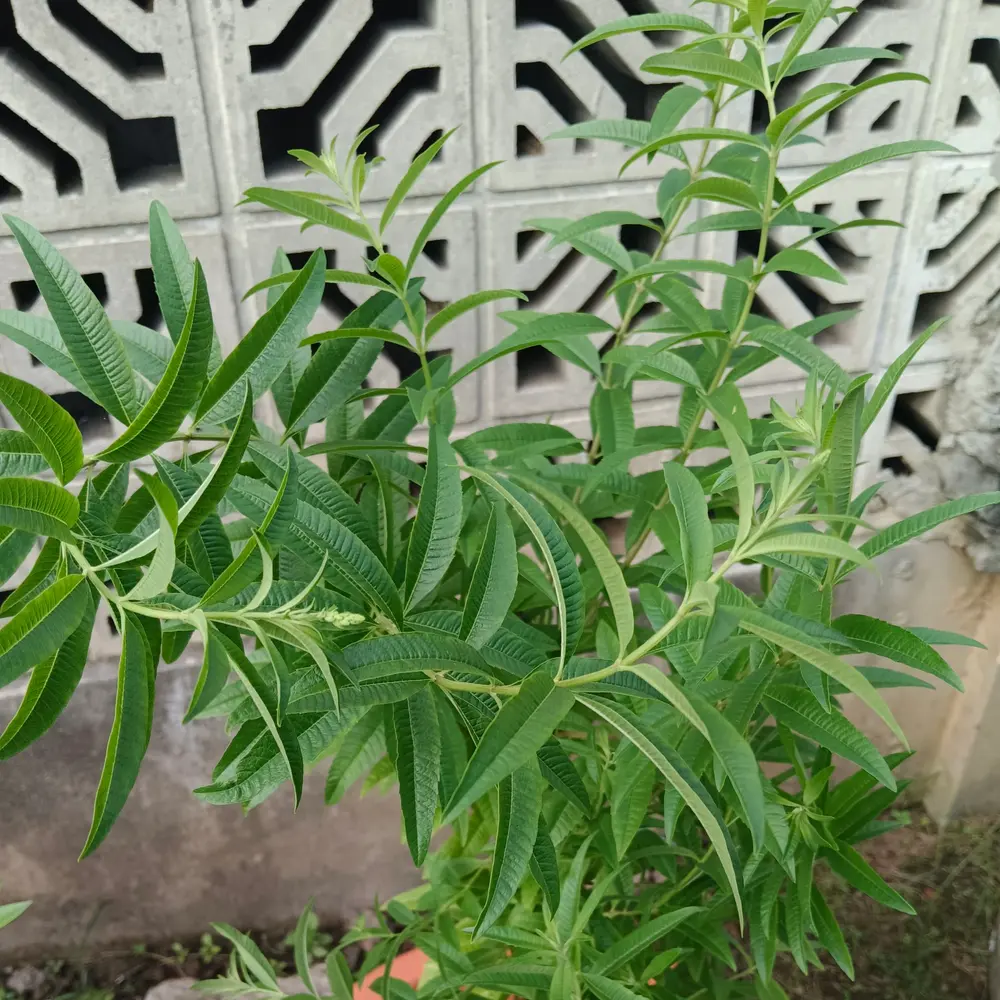
Lemon verbena thrives in full sun, requiring at least 6-8 hours of direct sunlight each day. This exposure is crucial as it promotes healthy growth and enhances the plant's delightful fragrance.
Signs of Insufficient Sunlight 🚫☀️
If your lemon verbena shows leggy growth, with stretched stems and fewer leaves, it’s a sign it’s not getting enough light. Additionally, you may notice a reduced fragrance, as the leaves become less aromatic without adequate sunlight.
Adjusting Exposure 🔄
For container plants, simply move them to sunnier locations as needed to boost their light intake. If your lemon verbena is planted in the ground, consider relocating it to areas with minimal shade to ensure it receives the sunlight it craves.
With the right sunlight exposure, your lemon verbena will flourish, setting the stage for the next essential care routine: watering needs.
Watering Needs
🌊 General Guidelines
Watering lemon verbena is straightforward. Allow the top inch of soil to dry out between waterings to maintain optimal moisture levels.
Consistent moisture is crucial for preventing stress and promoting healthy growth. This plant thrives when it has just the right amount of water.
🚫 Signs of Overwatering and Underwatering
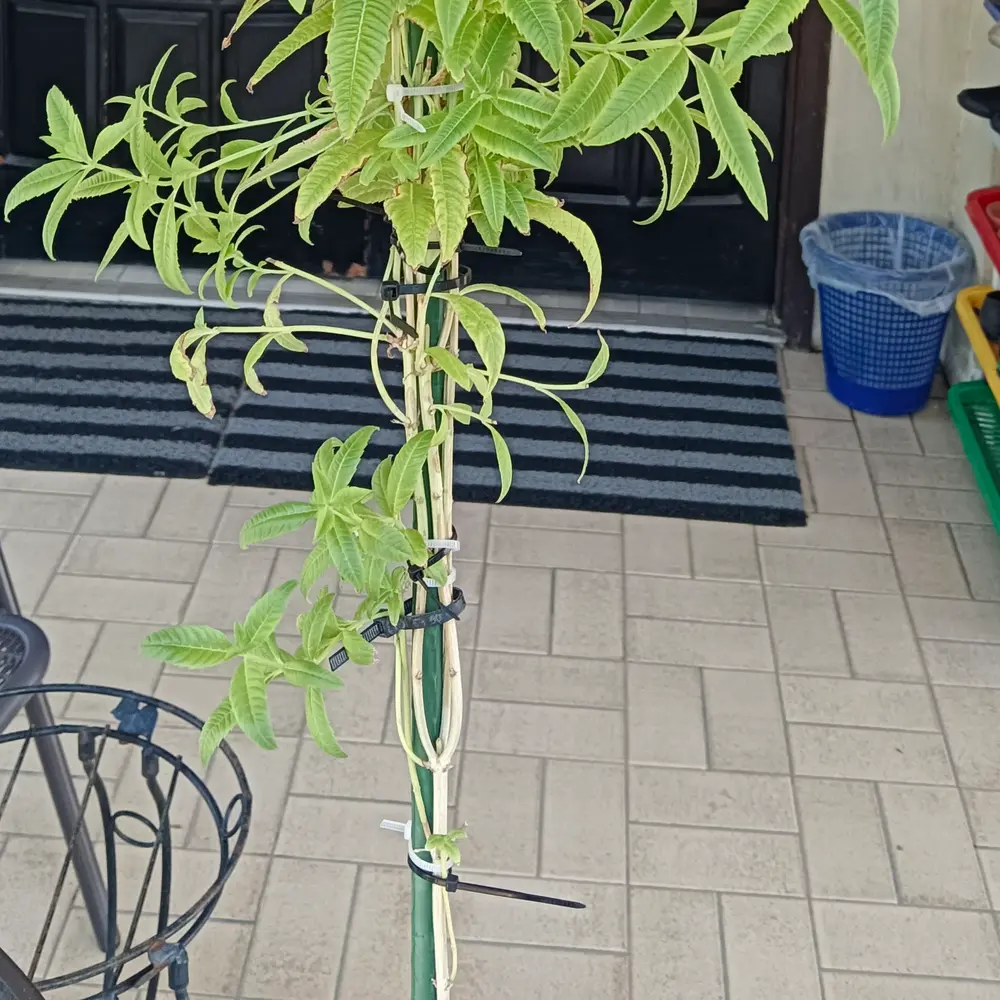
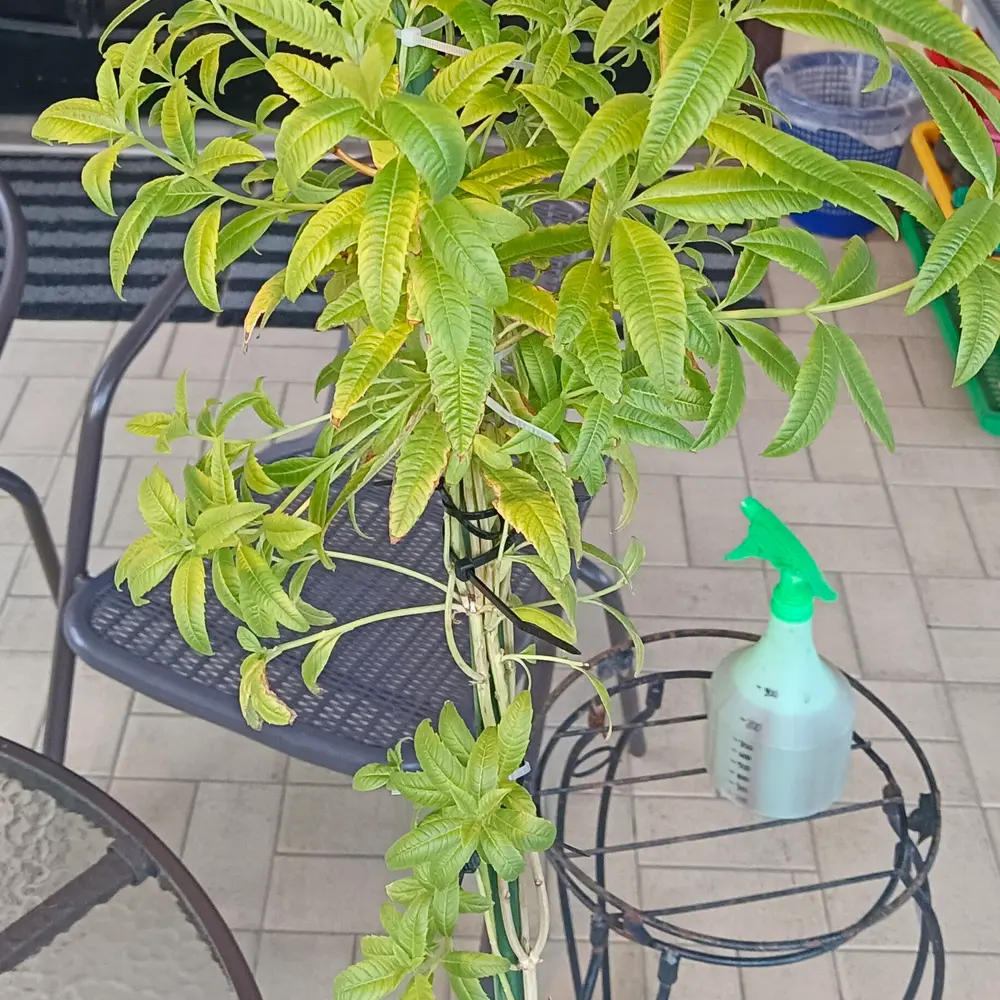
Recognizing the signs of overwatering is essential. Look for yellowing leaves, wilting, and root rot as indicators that your plant is getting too much water.
On the flip side, underwatering can lead to drooping leaves, dry soil, and stunted growth. Keep an eye on your plant's appearance to ensure it stays healthy.
🌦️ Seasonal Adjustments
As the seasons change, so should your watering routine. Increase watering frequency during the hot summer months when the plant needs more hydration.
Conversely, reduce watering in the cooler fall and winter months. Adjusting your approach based on the season helps your lemon verbena thrive year-round.
With these watering tips, your lemon verbena will flourish, setting the stage for the next essential care routine: soil preferences and fertilization.
Soil Preferences and Fertilization
Ideal Soil Composition 🌱
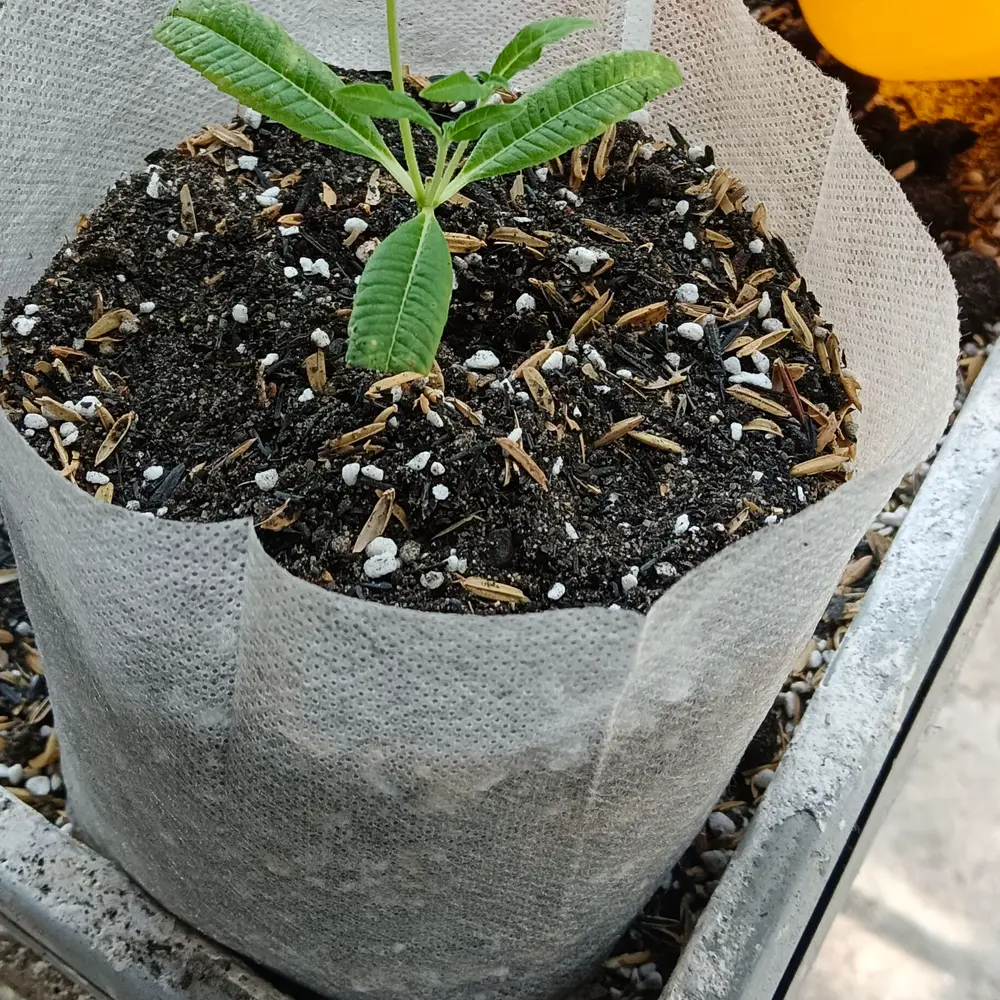
Lemon verbena thrives in well-draining soil, ideally sandy loam or a quality potting mix. Aim for a pH level between 6.0 and 7.0, which is slightly acidic to neutral, to ensure optimal growth.
Soil Amendments 🧑🌾
To enhance soil quality, consider adding organic matter such as compost or well-rotted manure. This not only improves drainage but also boosts fertility, providing essential nutrients for your plant.
Importance of Drainage 🚰
Good drainage is crucial for lemon verbena. It prevents root rot and encourages healthy root development, allowing your plant to flourish.
Fertilization Practices 💧
During the growing season, fertilize your lemon verbena every 4-6 weeks. Use a balanced NPK fertilizer, like 10-10-10, or opt for organic options such as fish emulsion to nourish your plant naturally.
Final Thoughts 🌟
By ensuring the right soil composition and regular fertilization, you set the stage for vibrant lemon verbena growth. Next, let’s explore the best planting options to maximize your plant’s potential.
Planting Options
Container vs. Ground Planting 🌱
When deciding between container and ground planting for your lemon verbena, consider your space and lifestyle. Each option has its unique advantages and challenges.
Container Planting 🪴
Container planting offers fantastic mobility and allows you to control the soil quality. You can easily move your lemon verbena to catch the sun or protect it from harsh weather.
However, containers come with limitations. They restrict root space, which can stunt growth, and require more frequent watering since they dry out faster than ground soil.
Ground Planting 🌍
Ground planting provides ample space for root growth, promoting a robust and healthy plant. Additionally, the earth retains moisture better, reducing the need for constant watering.
On the downside, you have less control over soil quality and may face increased vulnerability to pests. Ground-planted lemon verbena can also be more challenging to protect from extreme weather conditions.
Choosing the right planting option depends on your gardening goals and environment. Whether you opt for containers or ground planting, both can yield beautiful, fragrant lemon verbena with the right care.
Protection and Seasonal Care
🌦️ Weather Protection Strategies
Mulching is a fantastic way to protect your lemon verbena. A layer of mulch helps retain moisture and regulates soil temperature, ensuring your plant stays healthy.
During cold snaps, frost protection becomes crucial. Using row covers or blankets can shield your plants from harsh temperatures, keeping them safe and sound.
🐞 Pest Management
Common Outdoor Pests
Aphids are a common nuisance for lemon verbena. Look for signs like curled leaves or sticky residue, and consider using insecticidal soap for control.
Spider mites can also invade your plants. Check for fine webbing on the leaves and treat with neem oil or a strong spray of water to dislodge them.
🌱 Seasonal Care Routines
Spring is the perfect time for fertilization and pruning. This sets your lemon verbena up for vigorous growth as the weather warms.
In summer, increase your watering and keep an eye out for pests. Regular monitoring helps catch any issues before they escalate.
As fall approaches, prepare for cooler temperatures by mulching around your plants. This insulation helps protect roots from the chill.
During winter, consider bringing container plants indoors. For ground-planted varieties, ensure they have adequate frost protection to survive the colder months.
🌍 Climate Zone Considerations
Lemon verbena thrives in USDA zones 8-11, making it sensitive to frost. If you live in a cooler zone, container planting is a smart choice for easier protection.
Adjusting your care routine based on your climate zone ensures your lemon verbena remains healthy and vibrant throughout the year.
With these strategies in place, your lemon verbena will flourish, ready to provide its delightful fragrance and flavor. Next, let’s explore the ideal soil preferences and fertilization practices to keep your plant thriving.
⚠️ Safety First
This content is for general information and may contain errors, omissions, or outdated details. It is not medical, veterinary advice, or an endorsement of therapeutic claims.
Always consult a qualified healthcare professional before using any plant as food, medicine, or supplement.
Never eat any plant (or feed one to pets) without confirming its identity with at least two trusted sources.
If you suspect poisoning, call Poison Control (800) 222-1222, the Pet Poison Helpline (800) 213-6680, or your local emergency service immediately.
Spotted an error? Please report it here.
Keep your lemon verbena thriving and fragrant 🌿 with Greg's tailored watering alerts and sunlight tracking, ensuring it gets the care it needs to flourish all year round!