🍋 Lemon Verbena Root Rot Solutions
Aloysia citrodora
By the Greg Editorial Team
Jun 18, 2024•4 min read
This article was created with the help of AI so we can cover more plants for you. May contain errors. See one? Report it here.
- Yellow leaves and wilting signal Lemon Verbena root rot.
- Trim rotten roots; adjust soil/watering to treat and prevent.
- Use well-draining soil and proper containers to avoid future issues.
Spotting the Red Flags: Symptoms of Root Rot
🚩 Visual Clues: Yellowing Leaves and Wilting
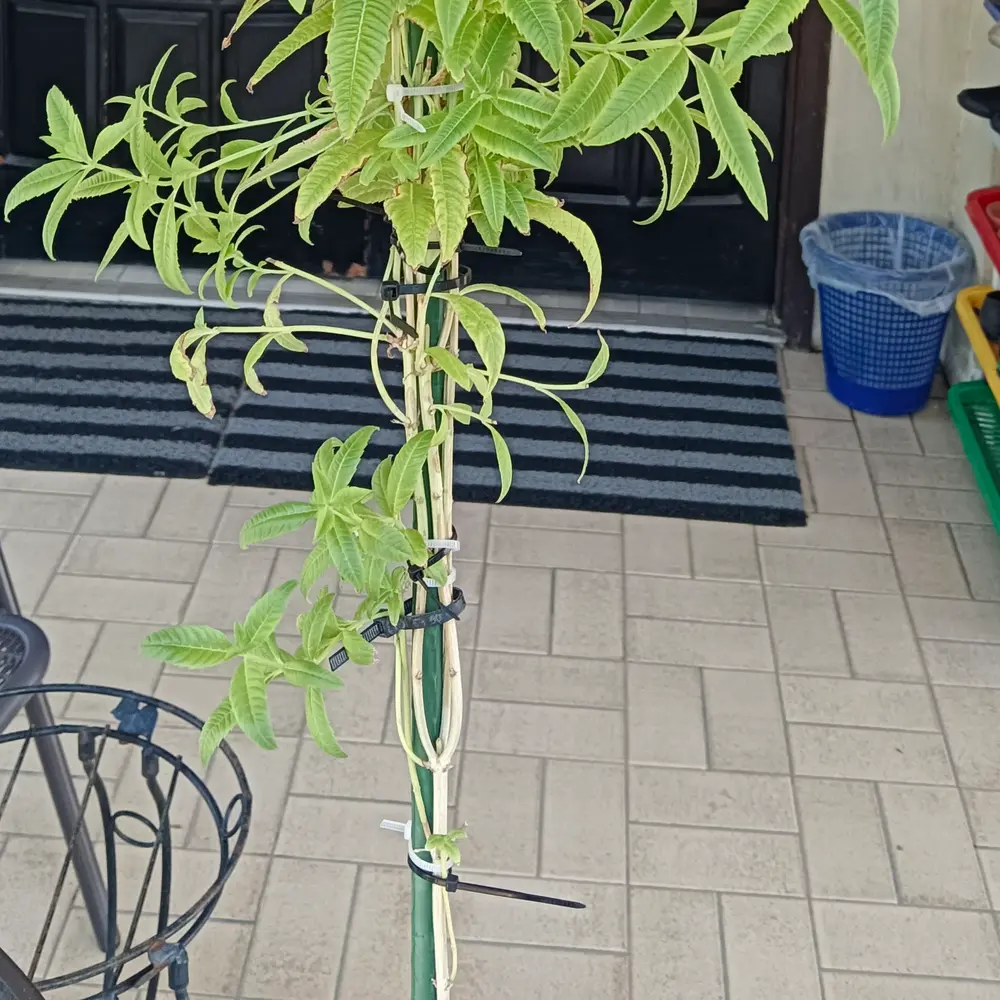
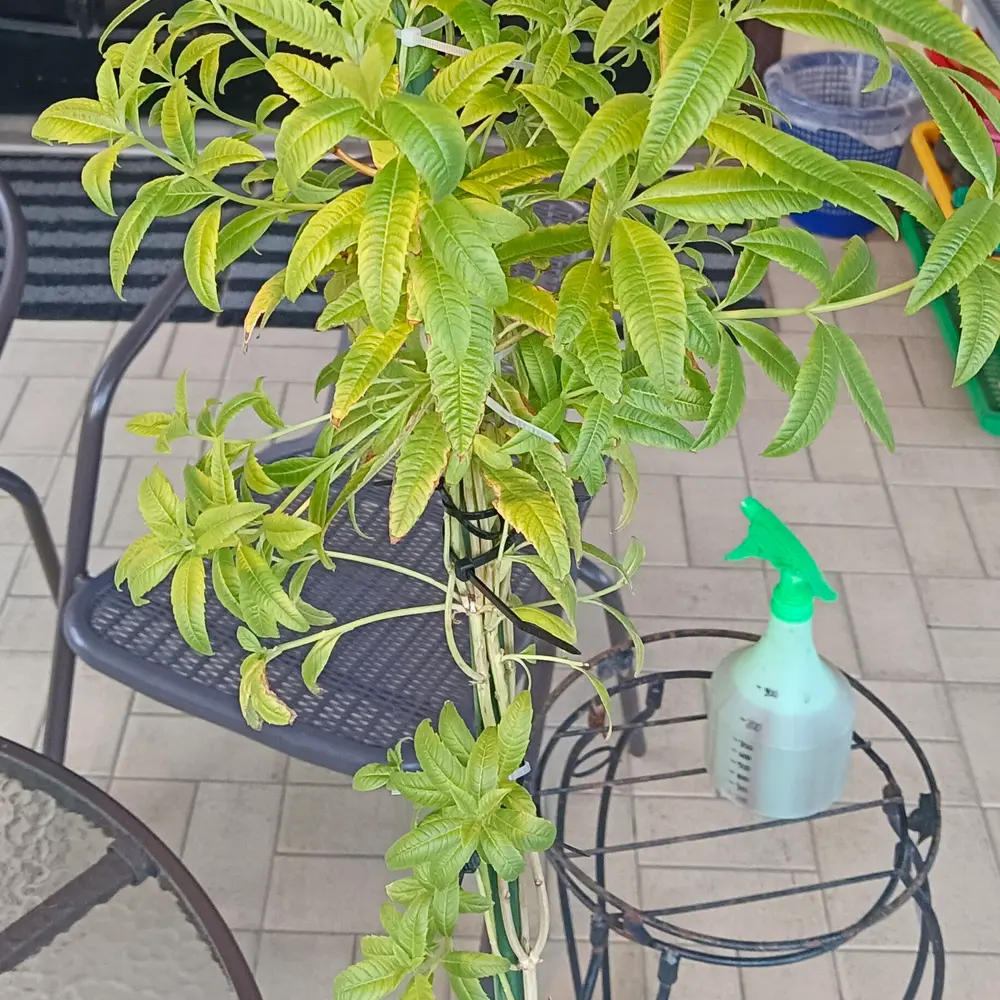
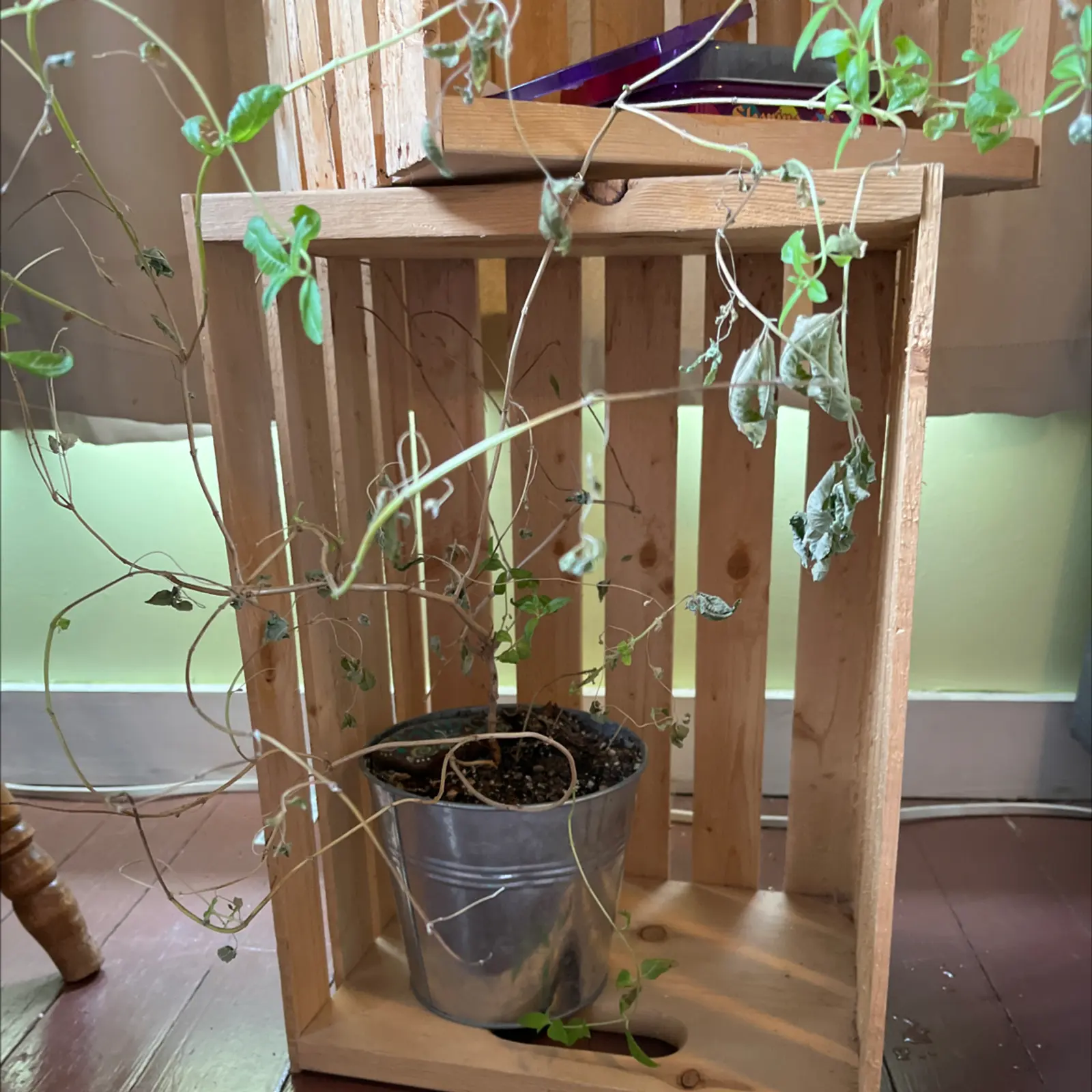
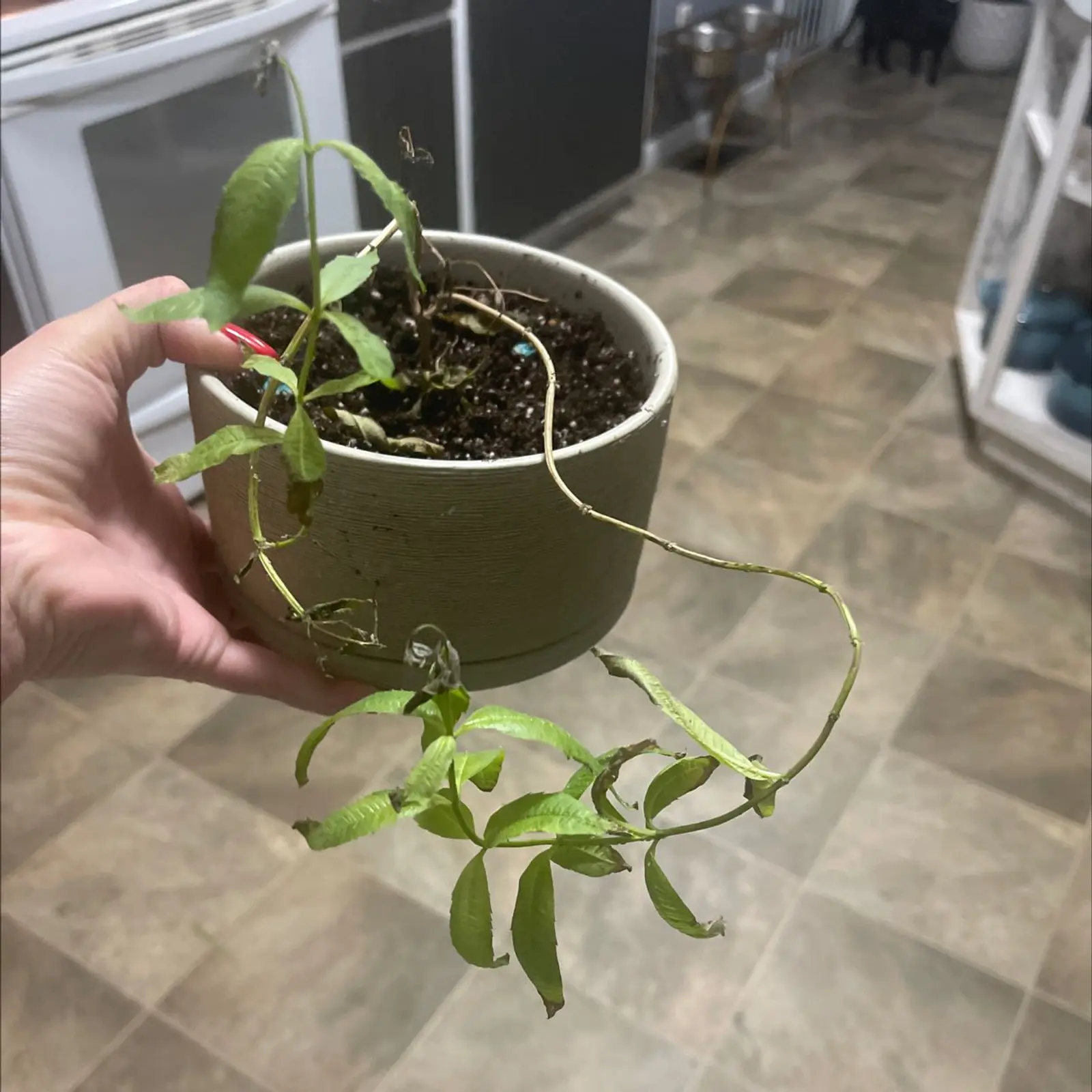
Yellowing leaves and a wilting demeanor are the plant's equivalent of an SOS flare. If your Lemon Verbena looks more like a limp noodle than a zesty herb, it's time to perk up your senses.
👃 Sniff Test: Detecting Foul Odors
Trust your nose. A stench akin to last week's forgotten leftovers is a dead giveaway that root rot might be crashing your garden party.
🔍 Root Inspection: Discoloration and Mushiness
When roots resemble overcooked spaghetti—brown and mushy—it's a clear distress signal. If they fall apart with a gentle tug, sounding the alarm is not just wise; it's necessary.
Getting to the Root of the Problem: Diagnosing Root Rot
🌱 How to Examine Lemon Verbena's Roots
To diagnose root rot in Lemon Verbena, start by gently removing the plant from its pot. Brush away the soil to expose the roots. Healthy roots are typically firm and white, while rotten ones are brown, mushy, and possibly smelly. Use sterilized shears to snip off any affected parts immediately.
🕵️ Differentiating Root Rot from Other Issues
Root rot can be a master of disguise, mimicking other plant ailments. To pinpoint the issue, check if the roots are squishy or dark—classic signs of rot. A foul odor emanating from the soil is another giveaway. However, don't jump to conclusions; verify that the soil pH isn't too high, which could attract other pathogens. A soil test can confirm the presence of fungal foes and rule out other suspects.
The Rescue Mission: Treating Root Rot in Lemon Verbena
🌱 Surgical Precision: Trimming Rotten Roots
Root rot in Lemon Verbena requires immediate action. Begin by gently removing the plant from its pot and inspecting the roots. Healthy roots are firm and white, while rotten ones are mushy and discolored. With sterilized shears, cut away the affected roots. This is plant surgery, and precision is non-negotiable.
💧 Soil and Water Management: Adjusting Care Practices
After excising the rotten roots, it's time to rethink your soil and watering regimen. Lemon Verbena thrives in well-draining soil; consider adding perlite or sand to improve drainage. Water only when the top inch of soil is dry, and never let the plant sit in water. Overwatering is a surefire way to end up back at square one.
🍄 Fungal Foes: Using Fungicides and Natural Remedies
Fungicides can be a Lemon Verbena's lifeline, but they're not the only option. If you prefer a more natural approach, concoctions of baking soda and soap can deter fungal growth. Whichever route you choose, apply with the precision of a sniper—every nook and cranny matters. Remember, the goal is a thriving plant, not a chemical wasteland.

Building Defenses: Preventing Future Root Rot
🌱 The Right Foundation: Choosing Well-Draining Soil
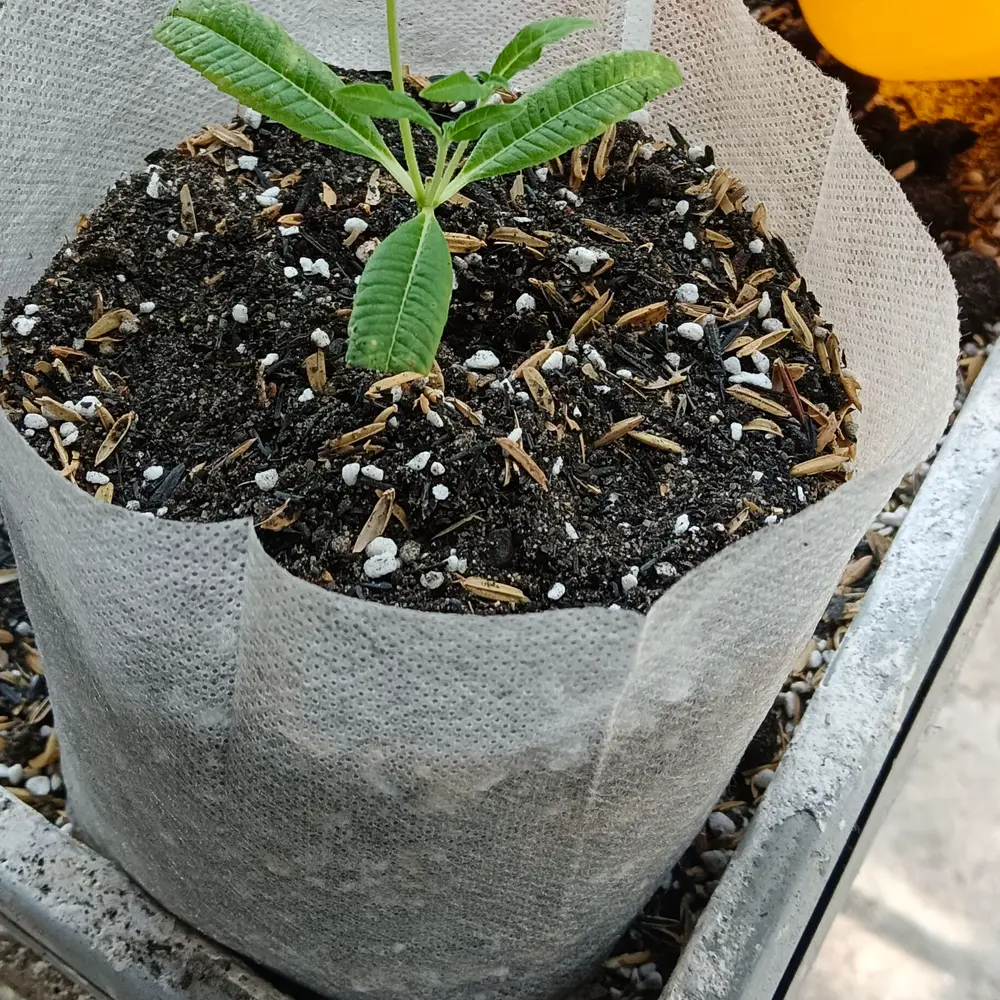
Well-draining soil isn't just a preference; it's a necessity for Lemon Verbena. Opt for a mix that's the horticultural equivalent of a breathable fabric—light, airy, and quick to dry. A blend of peat, perlite, and vermiculite will give your plant's roots the luxury suite they deserve, with plenty of room to breathe and drain.
💧 Water Wisdom: Mastering the Art of Watering
Overwatering is the root rot's best friend. To avoid unwanted soggy situations, adopt the "finger test." If the top inch of soil feels damp, hold off on the H2O. Your plant's thirst varies with the seasons—less in winter, more in summer. Remember, watering is an art, and you're aiming to be the Picasso of plant care.
🌿 Container Considerations: Ensuring Proper Drainage
The pot is your plant's castle, and every castle needs good drainage. Ensure your container has drainage holes; they're the unsung heroes in the epic battle against root rot. If you're using a saucer, empty it post-watering—standing water is a big no-no. It's like leaving your plant in a wet diaper, and honestly, that's just cruel.
⚠️ Safety First
This content is for general information and may contain errors, omissions, or outdated details. It is not medical, veterinary advice, or an endorsement of therapeutic claims.
Always consult a qualified healthcare professional before using any plant as food, medicine, or supplement.
Never eat any plant (or feed one to pets) without confirming its identity with at least two trusted sources.
If you suspect poisoning, call Poison Control (800) 222-1222, the Pet Poison Helpline (800) 213-6680, or your local emergency service immediately.
Spotted an error? Please report it here.
Keep your lemon verbena's roots healthy and strong 🌿 by using Greg's custom watering reminders to prevent overwatering and root rot before they start.