🍋 Ultimate Guide to Growing Lemon Verbena
Aloysia citrodora
By the Greg Editorial Team
Jan 06, 2025•5 min read
This article was created with the help of AI so we can cover more plants for you. May contain errors. See one? Report it here.
- ☀️ Lemon verbena thrives in full sun, needing 6-8 hours of direct sunlight daily.
- 🌡️ Ideal temperatures for growth are 20°C to 30°C; protect from frost!
- 🌱 Well-draining soil with pH 6.0-7.0 is crucial for healthy lemon verbena.
Site Selection and Soil Preparation
Choosing the Right Location 🌞
When growing lemon verbena, sunlight is non-negotiable. Aim for full sun exposure, which means at least 6-8 hours of direct sunlight daily for optimal growth.
Temperature is another critical factor. Lemon verbena thrives in warm climates, ideally between 20°C to 30°C (68°F to 86°F). However, it's sensitive to frost, so be prepared to protect your plants during colder months.
Soil Type and Preparation for Optimal Growth 🏞️
Lemon verbena prefers well-draining soil with a pH between 6.0 and 7.0. This ensures that the roots can access the nutrients they need without sitting in waterlogged conditions.
To prepare your soil effectively, follow these steps:
- Test soil pH and amend as necessary to achieve the ideal range.
- Incorporate organic matter, such as compost, to enhance drainage and fertility.
- Ensure the soil is loose and aerated before planting to promote healthy root development.
By selecting the right location and preparing your soil properly, you set the stage for a thriving lemon verbena plant. Next, let's explore the best methods for planting your lemon verbena.
Planting
🌱 Seed vs. Cutting Propagation
When it comes to propagating lemon verbena, you have two solid options: seeds or cuttings.
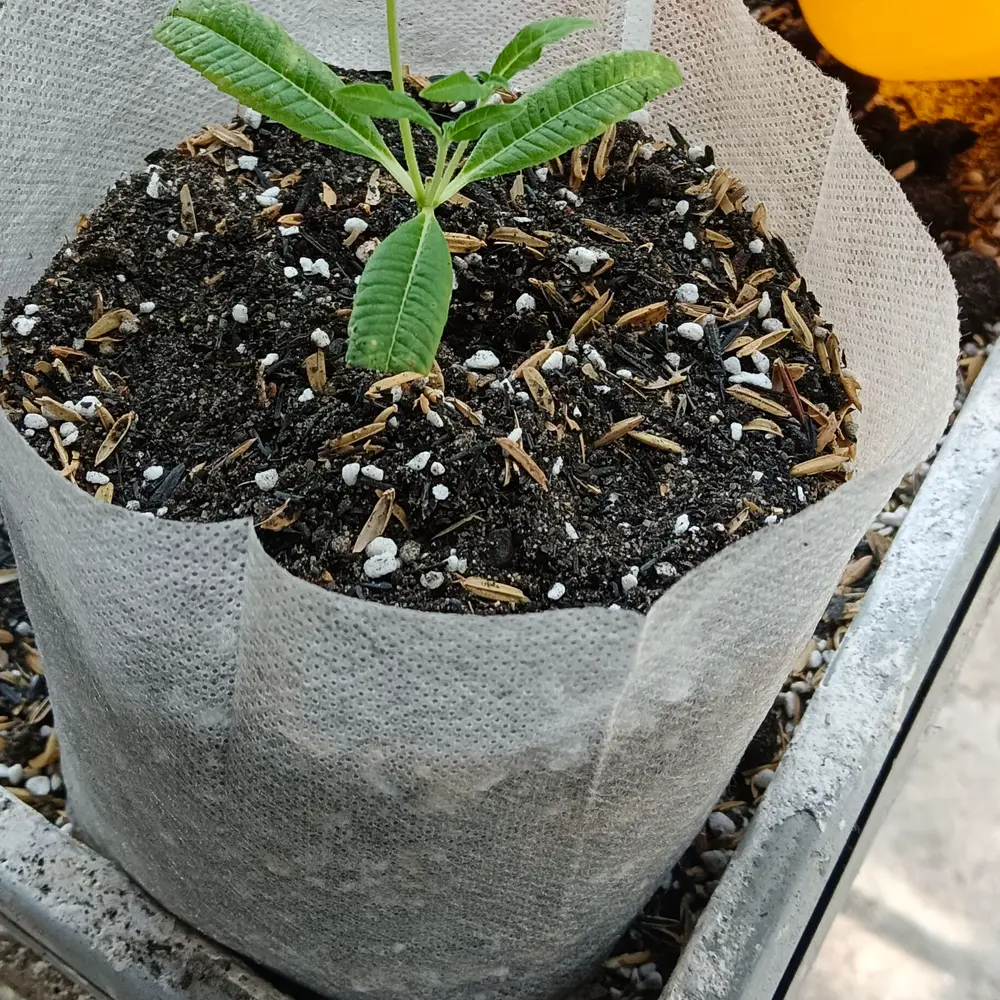
Seed Propagation is moderately difficult. Start by sowing seeds indoors 8-10 weeks before the last frost date. Expect germination to take about 14-21 days at a cozy temperature of 20°C (68°F).
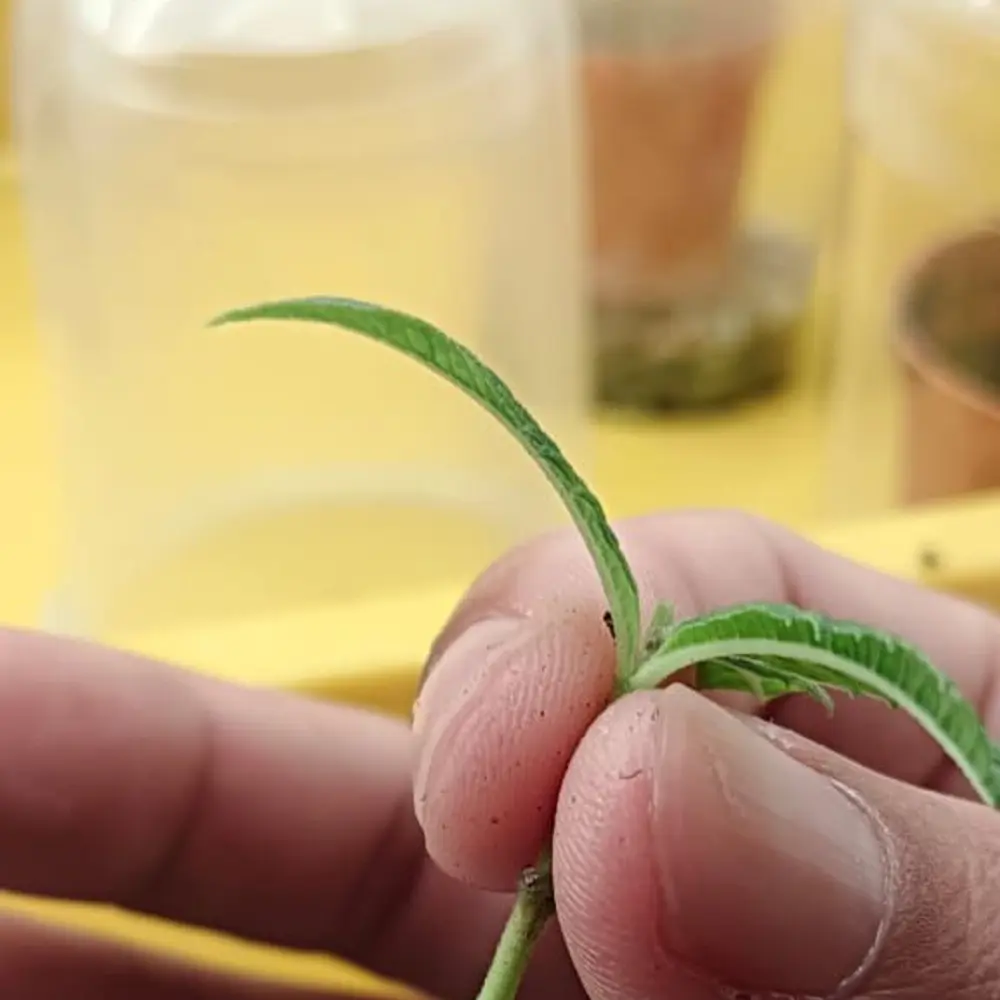
On the other hand, Cutting Propagation is a breeze. Simply take 4-6 inch cuttings from healthy plants and place them in a rooting medium made of equal parts peat and perlite. This method is not only easier but also quicker.
🌍 Planting Depth and Spacing
Getting the planting depth right is crucial for healthy growth.
For Seeds, plant them about 1/4 inch deep. When using Cuttings, ensure they are just below the soil surface to encourage rooting.
Spacing is equally important. Aim to space your plants 18-24 inches apart. This gives them room to grow and thrive without competing for resources.
🪴 Container vs. Ground Planting
Deciding between container or ground planting can impact your lemon verbena's success.
For Container Growing, opt for pots with drainage holes, ideally sized between 12-16 inches in diameter. A lightweight potting mix will ensure optimal drainage, keeping your plants happy.
If you prefer Outdoor Growing, select a sunny garden bed with well-draining soil. This environment will help your lemon verbena flourish and produce those fragrant leaves you crave.
With these planting tips in mind, you're well on your way to cultivating a thriving lemon verbena garden. Next, let's dive into the essential aspects of watering and fertilizing your plants for optimal growth.
Watering and Fertilizing
💧 Watering Frequency and Techniques
Watering lemon verbena requires a careful balance. Water deeply but infrequently, allowing the soil to dry out between waterings.
Aim for a frequency of every 1-2 weeks, adjusting based on weather conditions. During hot spells, you might need to increase this slightly.
For the best results, consider using drip irrigation or watering at the base of the plant. This technique helps avoid wetting the foliage, which can lead to fungal issues.
🌱 Best Fertilizers
Fertilizing your lemon verbena is crucial for robust growth. Apply a balanced, slow-release fertilizer every 4-6 weeks during the growing season.
Opt for organic options like fish emulsion or compost tea. These not only nourish the plant but also enrich the soil, promoting a healthy ecosystem.
🚰 Signs of Overwatering or Underwatering
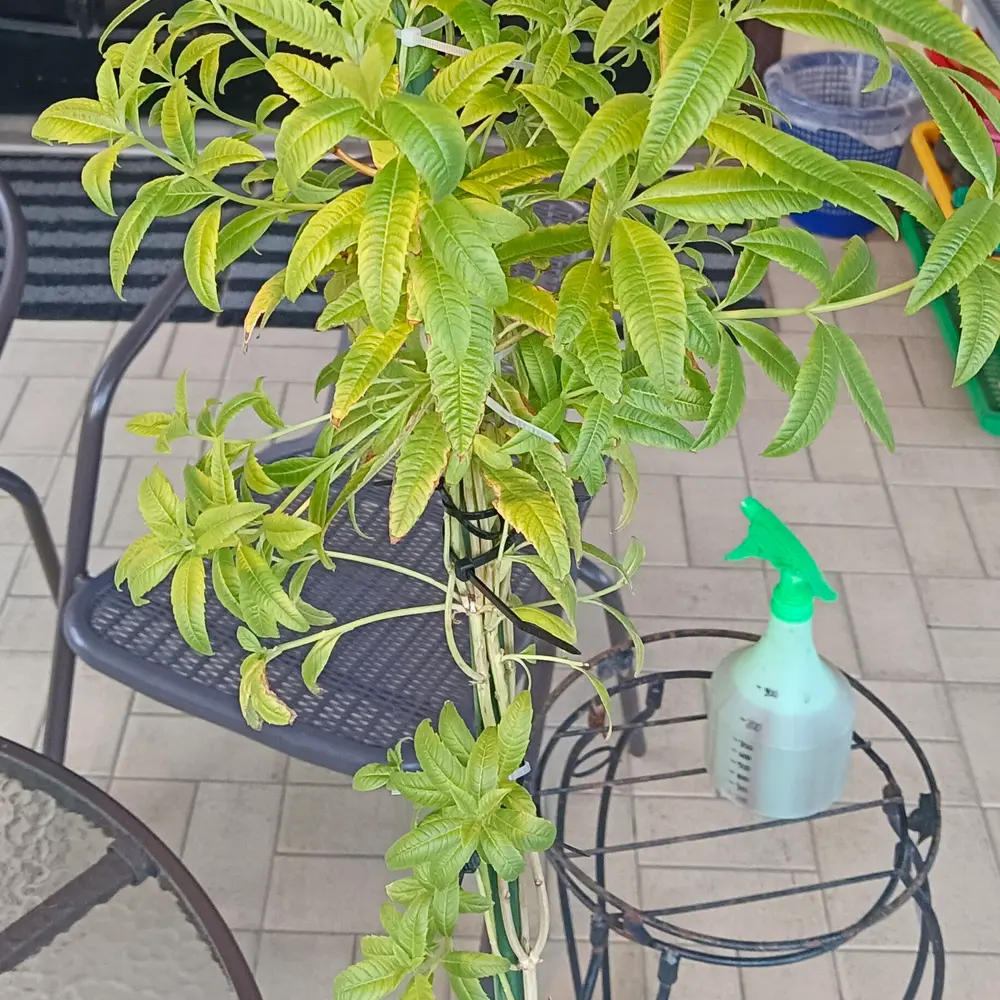
Recognizing the signs of overwatering or underwatering is essential for maintaining plant health. Overwatering often manifests as yellowing leaves, wilting, and root rot.
On the flip side, underwatering leads to drooping leaves, dry soil, and stunted growth. Keep a close eye on your plant’s condition to ensure it thrives.
With proper watering and fertilizing, your lemon verbena will flourish, setting the stage for the next stage of growth.
Pruning and Maintenance
When and How to Prune 🌱
Pruning lemon verbena is essential for promoting healthy growth. Aim to prune in early spring, just before the new growth starts.
To prune effectively, remove any dead or damaged stems. This not only tidies up the plant but also encourages bushiness, leading to a fuller appearance.
Maintaining Plant Health and Shape 🌿
Regular maintenance is key to keeping your lemon verbena thriving. Keep an eye out for pests and diseases, as early detection can save your plant.
Ensure you maintain proper watering and fertilization practices. Additionally, removing spent flowers will encourage new growth, keeping your plant vibrant and productive.
By staying proactive in your care routine, you can enjoy a lush and healthy lemon verbena throughout the growing season.
Next, let’s explore common challenges you might face and how to tackle them effectively.
Common Challenges and Solutions
🐛 Pests and Diseases
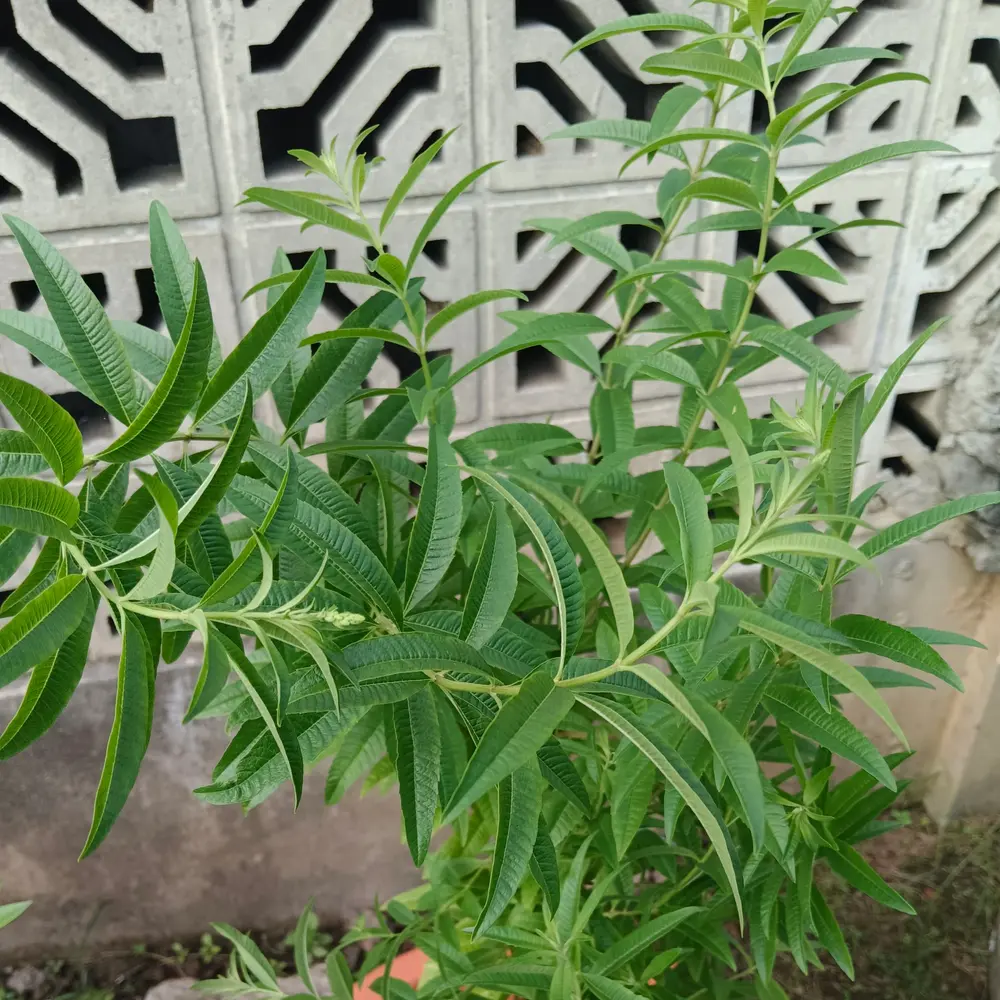
Lemon verbena can attract a few pesky pests. Aphids are a common issue, identifiable by curled leaves and a sticky residue on the plant.
Spider mites are another threat; look for fine webbing and stippled leaves as signs of their presence. To combat these pests, consider using insecticidal soap or neem oil, both effective and eco-friendly options.
🌪️ Environmental Stress Factors
Environmental stress can significantly impact your lemon verbena's health. Heat stress manifests as wilting and leaf scorch, so providing shade during extreme heat is crucial.
On the flip side, cold stress can lead to leaf drop and stunted growth. If you’re growing in containers, bring them indoors during frost to protect them from chilly temperatures.
🧐 Troubleshooting Growth Issues
If your lemon verbena is growing slowly, it may be time to investigate. Check for nutrient deficiencies or inadequate sunlight, as both can hinder growth.
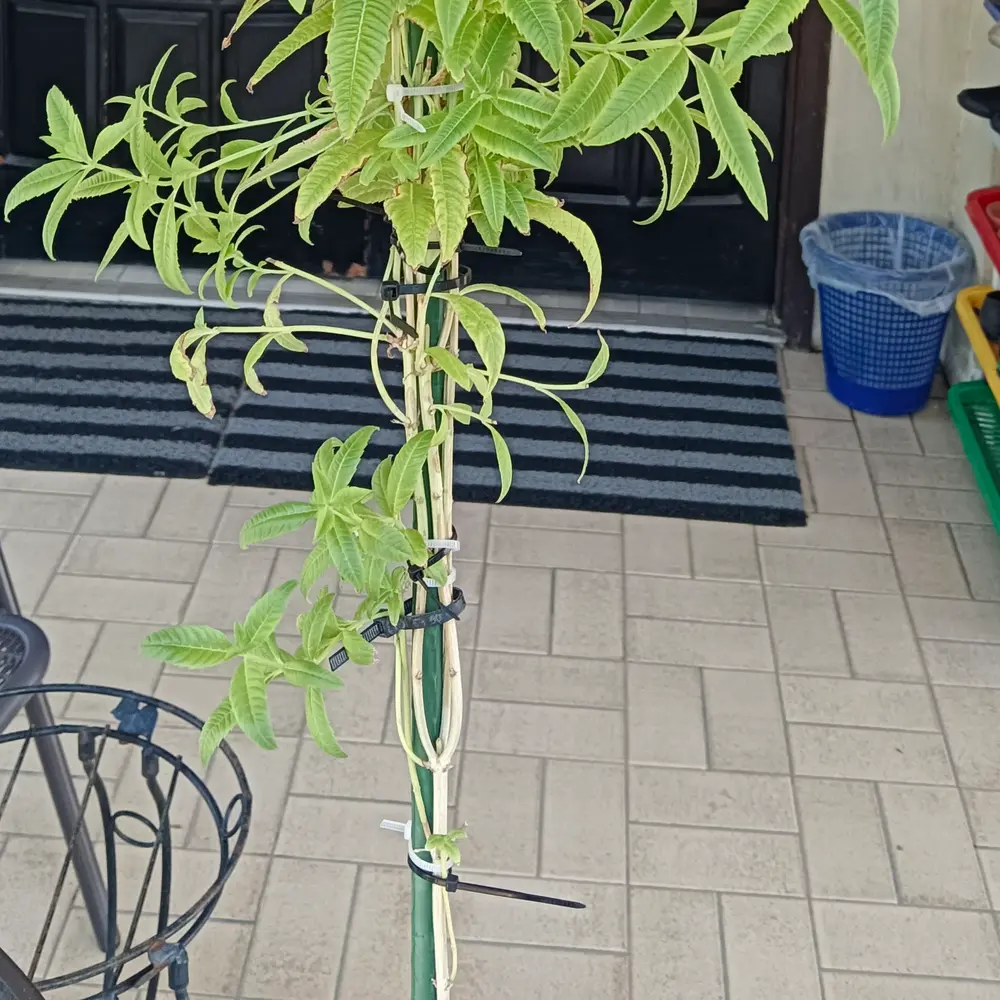
Leaf discoloration is another red flag. Assess your watering practices and soil conditions to identify potential issues that could be affecting your plant's health.
By staying vigilant and addressing these challenges promptly, you can ensure your lemon verbena thrives beautifully. Next, let’s explore the essential pruning and maintenance techniques to keep your plant in top shape.
⚠️ Safety First
This content is for general information and may contain errors, omissions, or outdated details. It is not medical, veterinary advice, or an endorsement of therapeutic claims.
Always consult a qualified healthcare professional before using any plant as food, medicine, or supplement.
Never eat any plant (or feed one to pets) without confirming its identity with at least two trusted sources.
If you suspect poisoning, call Poison Control (800) 222-1222, the Pet Poison Helpline (800) 213-6680, or your local emergency service immediately.
Spotted an error? Please report it here.
Unlock the fragrant bounty of lemon verbena 🌿 with Greg's tailored care tips and reminders, ensuring your plants flourish in their ideal growing conditions!