Top 5 Pot Options to Make Your Lemon Verbena Thrive 🍋
Aloysia citrodora
By the Greg Editorial Team
Jan 06, 2025•3 min read
This article was created with the help of AI so we can cover more plants for you. May contain errors. See one? Report it here.
- 🌱 Choose pot sizes wisely: 4-6 inches for seedlings, 10-14 inches for mature plants.
- 🏺 Clay pots enhance air circulation, while plastic pots are lightweight but may degrade.
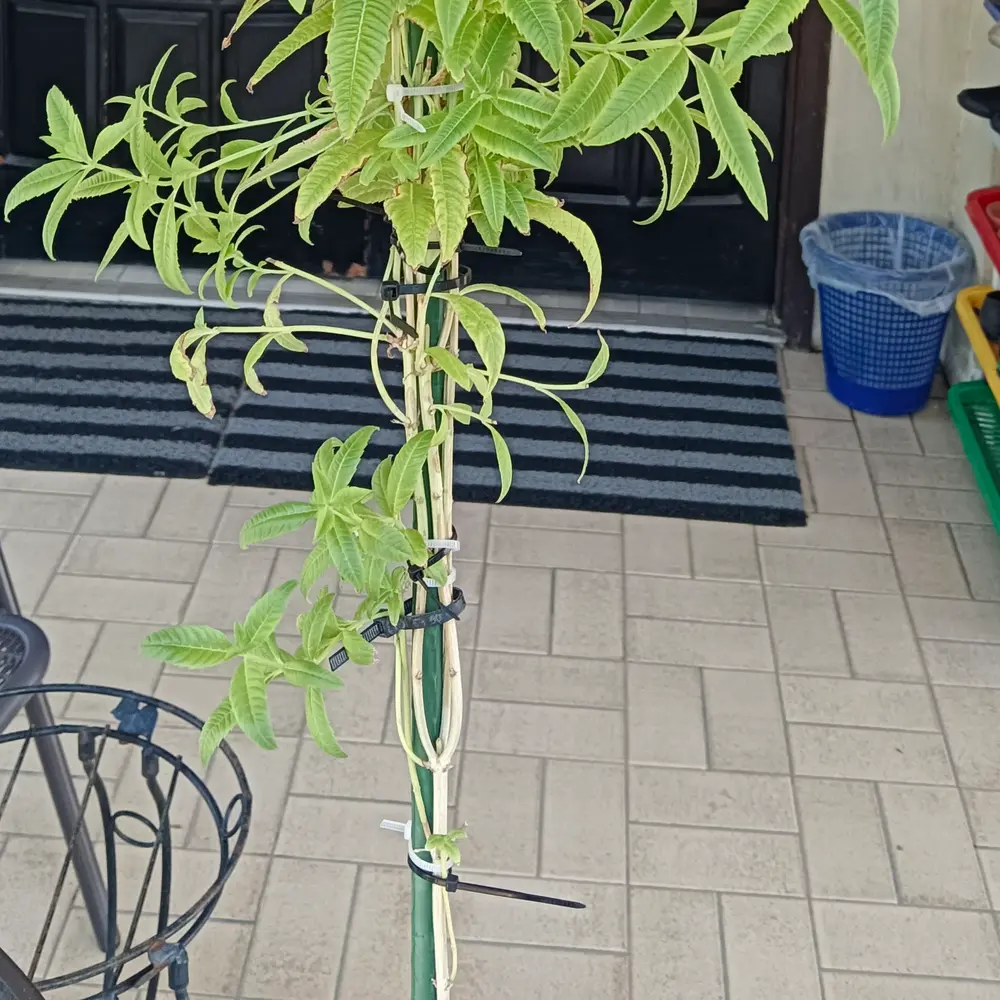
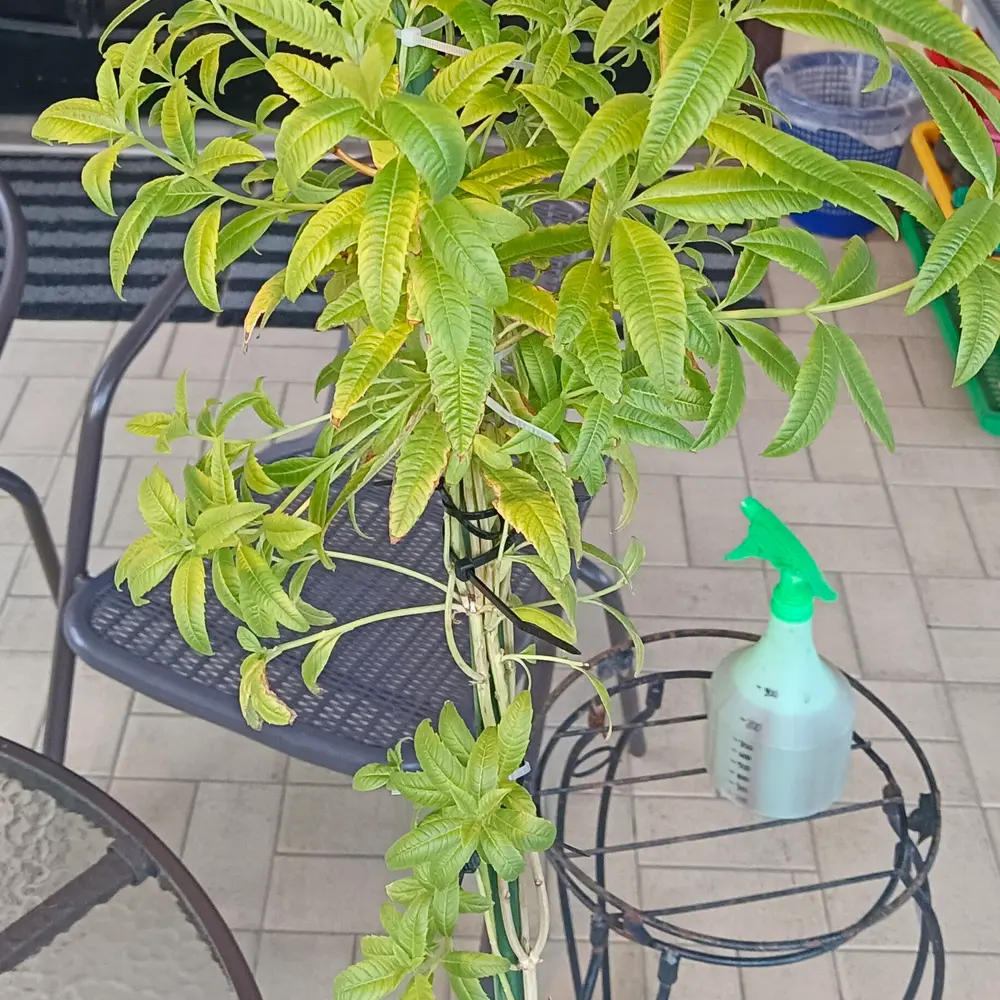
- 💧 Ensure proper drainage to prevent root rot; look for yellowing leaves as a warning.
Pot Selection for Lemon Verbena
🌱 Pot Size Considerations
Choosing the right pot size is crucial for the healthy growth of your Lemon Verbena.
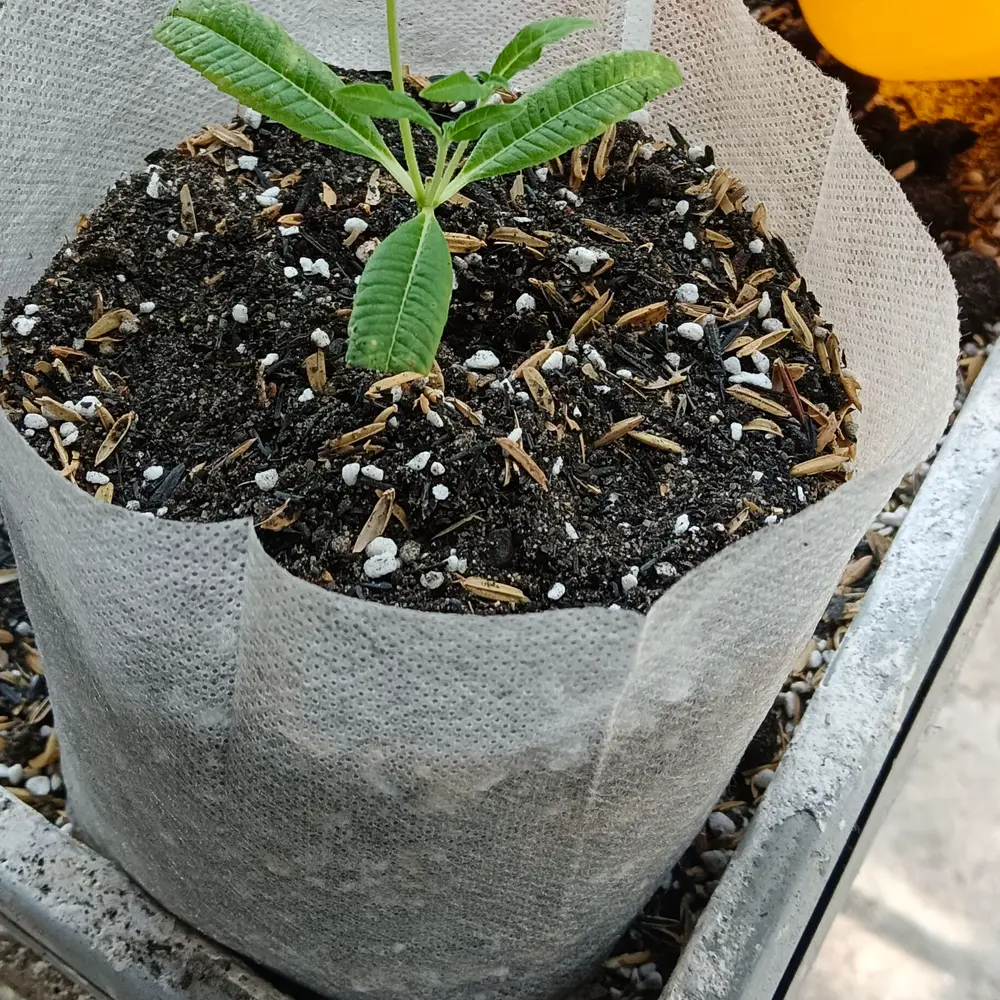
- Seedling Stage: Use pots that are 4-6 inches in diameter.
- Young Plant Stage: Opt for 6-10 inch pots.
- Mature Plant Stage: Select pots ranging from 10-14 inches.
The size of the pot significantly impacts growth. Too small pots can lead to root binding and stunted growth, while overly large pots may cause overwatering risks and nutrient dilution.
🏺 Ideal Pot Materials
When it comes to pot materials, both clay and plastic have their pros and cons.
Clay Pots
Clay pots are a popular choice for many gardeners.
Benefits:
- Breathability: They promote air circulation, which is vital for root health.
- Moisture Regulation: Clay absorbs excess moisture, reducing the risk of root rot.
Considerations:
Plastic Pots
Plastic pots offer a different set of advantages.
Advantages:
- Lightweight: They are easy to move around as needed.
- Variety: Available in numerous colors and styles to match your aesthetic.
Considerations:
- Insulation: Plastic may retain heat, which can affect soil temperature.
- Durability: While less prone to breakage, plastic can degrade over time.
🚰 Drainage Considerations
Proper drainage is essential for the health of your Lemon Verbena.
-
- They prevent waterlogging, which is crucial for plant health.
- They facilitate the removal of excess water, reducing the risk of root rot.
Signs of Poor Drainage:
- Visual Indicators: Look for yellowing leaves or wilting, even after watering.
- Soil Moisture Checks: Consistently soggy soil is a red flag.
🔄 Repotting Lemon Verbena
Knowing when and how to repot your Lemon Verbena can make a significant difference in its growth.
When to Repot
Watch for signs that indicate it's time to repot.
- Root Growth: If roots are visible through drainage holes, it’s time for a new pot.
- Soil Condition: Compacted soil or depleted nutrients are also signs that repotting is necessary.
Choosing the Right Pot for Repotting
When selecting a new pot, consider these factors.
- Size: Follow the recommended pot sizes for each growth stage.
- Material: Decide between clay and plastic based on your specific conditions.
Step-by-Step Guide to Repotting
Follow these steps for a successful repotting experience:
- Prepare New Pot: Ensure it has drainage holes.
- Remove Lemon Verbena from Old Pot: Gently loosen the soil and roots.
- Inspect Roots: Trim any damaged or rotten roots.
- Place in New Pot: Center the plant and fill with fresh potting mix.
- Water Thoroughly: This helps settle the soil and eliminates air pockets.
❌ Common Potting Mistakes
Avoid these common pitfalls to ensure your Lemon Verbena thrives.
Overpotting vs. Underpotting: Finding the right balance is key.
- Overpotting can lead to water retention issues.
- Underpotting may cause root binding and nutrient deficiency.
Ignoring Drainage Needs: Always prioritize drainage holes.
Choosing the Wrong Material: The material can significantly impact moisture retention and root health.
With the right pot selection, your Lemon Verbena can flourish beautifully. Next, let’s explore how to care for your plant to ensure it thrives in its new home.
⚠️ Safety First
This content is for general information and may contain errors, omissions, or outdated details. It is not medical, veterinary advice, or an endorsement of therapeutic claims.
Always consult a qualified healthcare professional before using any plant as food, medicine, or supplement.
Never eat any plant (or feed one to pets) without confirming its identity with at least two trusted sources.
If you suspect poisoning, call Poison Control (800) 222-1222, the Pet Poison Helpline (800) 213-6680, or your local emergency service immediately.
Spotted an error? Please report it here.
Give your Lemon Verbena the perfect pot 🪴 for thriving growth with Greg's tailored reminders and expert tips that keep your plant's needs in check!