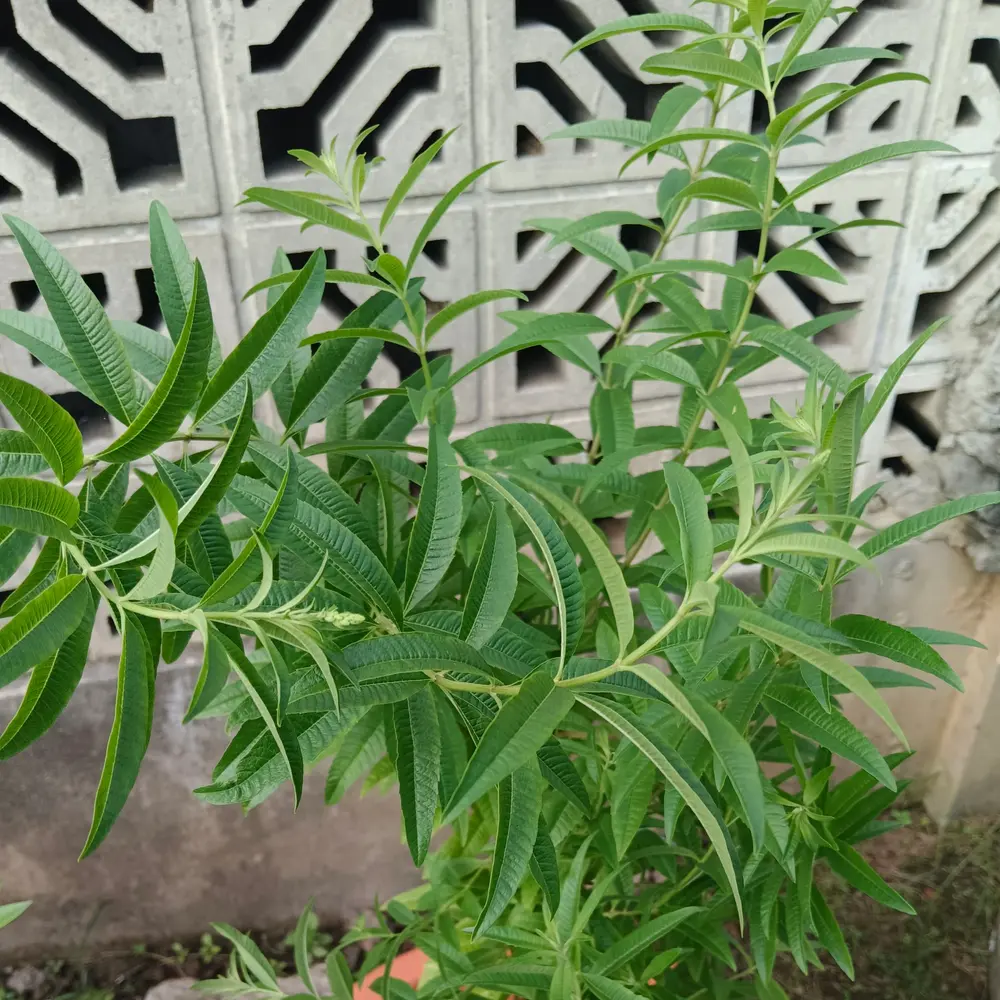
Understanding Aloysia cordata: The Basics 🍋
Aloysia citrodora
By the Greg Editorial Team
Feb 02, 2025•12 min read
This article was created with the help of AI so we can cover more plants for you. May contain errors. See one? Report it here.
- 🌞 Aloysia cordata thrives in 6-8 hours of sunlight; ensure proper light exposure.
- 🌱 Well-drained, fertile soil with pH 6.0-7.0 is essential for healthy growth.
- 🌿 Regular watering and pruning promote robust growth and prevent yellowing leaves.
How to Grow
Choosing a Location 🌞
Aloysia cordata thrives in full sun to partial shade, requiring about 6-8 hours of sunlight daily. When deciding between outdoor and container growing, consider the plant's space needs and your local climate.
Soil Preparation 🏞️
For optimal growth, use well-drained, fertile soil. Aim for a soil pH between 6.0 and 7.0, which is slightly acidic to neutral.
Planting Techniques 🌱
The best time to plant is in spring, after the last frost has passed. Space your plants 18-24 inches apart to allow for healthy growth and airflow.
Watering Requirements 🚰
Regular watering is essential to maintain consistent moisture in the soil. Watch for signs of overwatering, like yellowing leaves, or underwatering, indicated by drooping foliage.
Fertilizing Schedule 🍽️
Feed your Aloysia cordata with a balanced fertilizer every 4-6 weeks during the growing season. This will support robust growth and vibrant foliage.
Pruning Methods ✂️
Prune your plants in late winter or early spring, just before new growth begins. Pinching back the tips encourages a bushier appearance and promotes healthy branching.
Ongoing Care 🌿
For container plants, ensure proper drainage and monitor moisture levels closely. If growing outdoors, apply mulch to help retain moisture and suppress weeds, keeping your plants happy and healthy.
With these guidelines, you’re well on your way to cultivating a thriving Aloysia cordata. Next, let’s explore how to propagate this delightful plant.
Propagation
🌱 Methods of Propagation
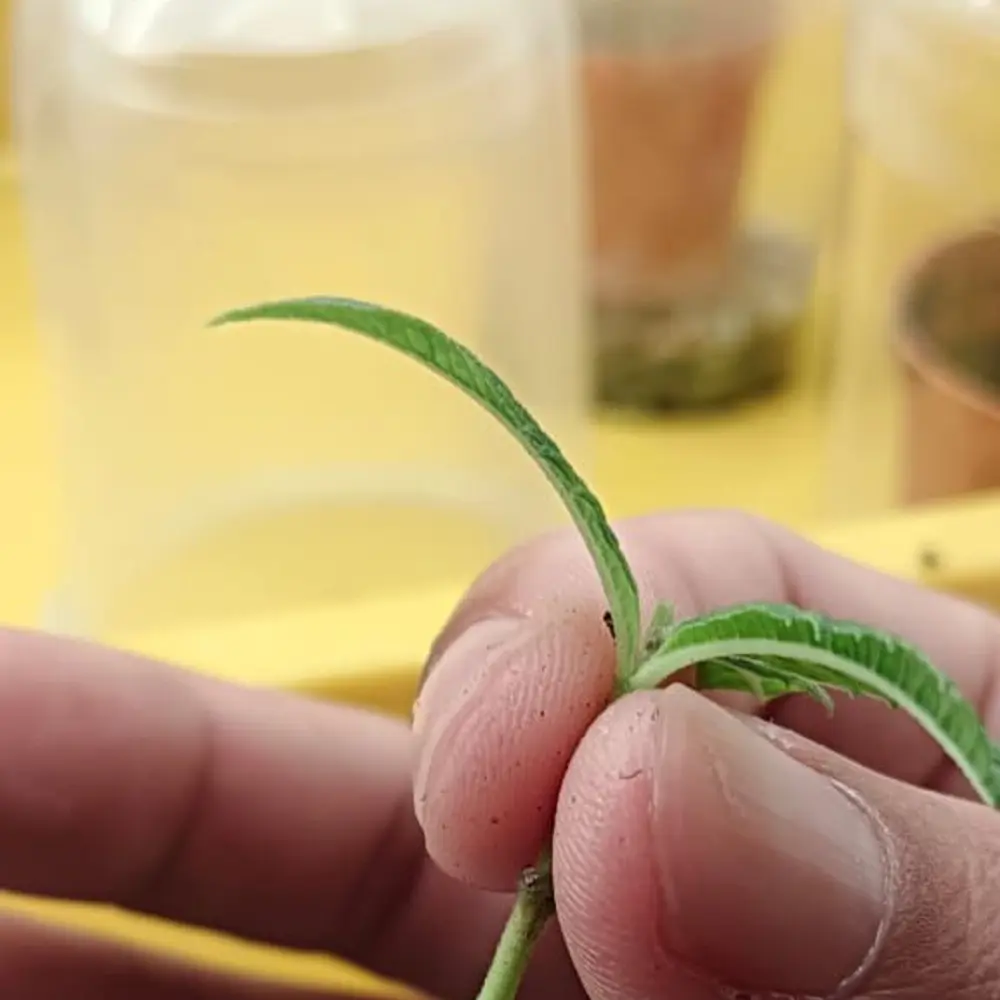
Aloysia cordata can be propagated through two primary methods: seeds and cuttings. Both techniques are effective, but they cater to different preferences and skill levels.
📋 Step-by-Step Instructions for Each Method
1. Seeds (difficulty: easy)
To start from seeds, plant them at a depth of 1/4 inch in well-drained soil. Expect germination within 14-21 days, ideally at a temperature of 70°F (21°C) for the best results.
2. Cuttings (difficulty: moderate)
For cuttings, select healthy stems that are 4-6 inches long. Use a rooting medium made of equal parts peat moss and perlite, and you can anticipate rooting in about 2-4 weeks.
Propagation is a rewarding process that allows you to expand your Aloysia cordata collection or share with friends. Whether you choose seeds or cuttings, each method offers a unique experience in nurturing these delightful plants.
Next, let’s explore the lifecycle of Aloysia cordata, from germination to maturity.
Lifecycle
🌱 Lifecycle Stages
Aloysia cordata goes through several distinct stages in its lifecycle.
- Germination: This initial phase takes about 14-21 days from seed.
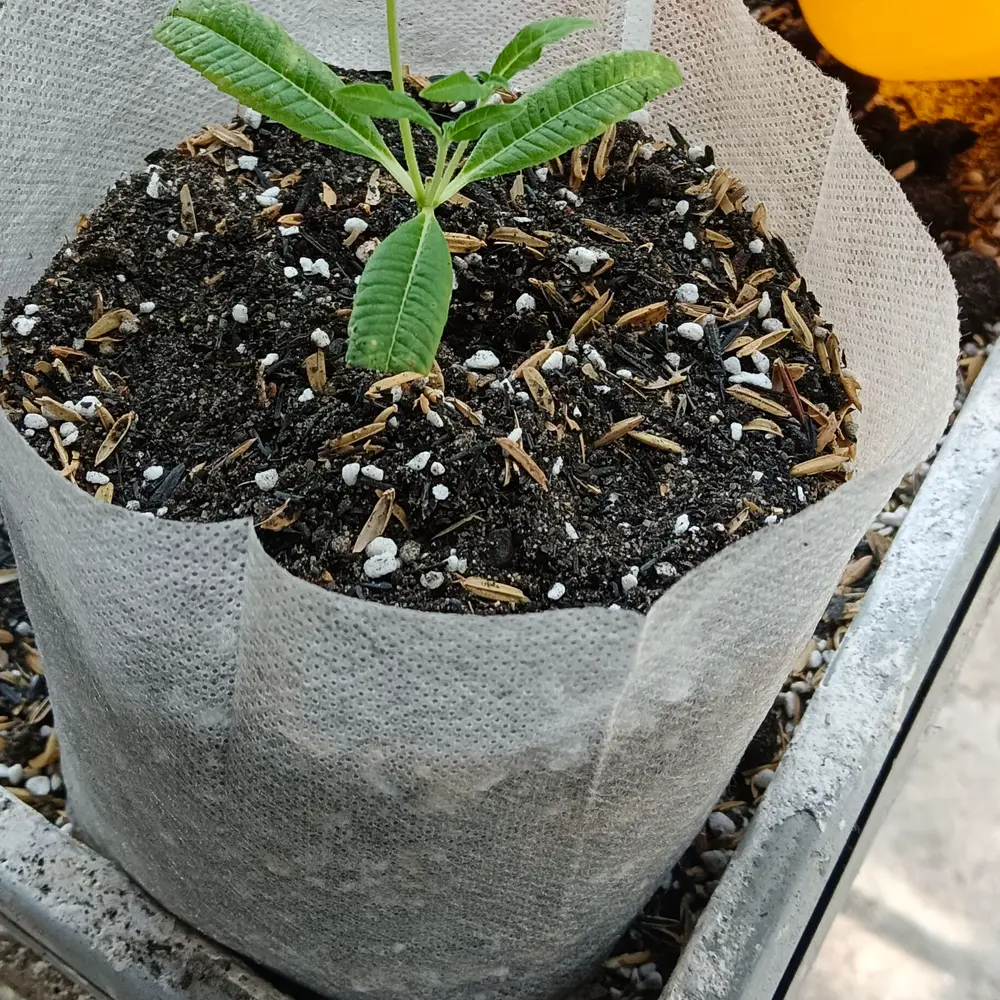
- Seedling Stage: Here, the plant develops its true leaves, marking its transition to a more established form.
- Vegetative Growth: This is the rapid growth phase where the plant expands significantly.
- Flowering: Expect beautiful blooms in late summer, adding charm to your garden.
- Seed Production: After flowering, seeds develop, ensuring the continuation of the species.
⏳ Lifespan and Growth Timeline
The overall lifespan of Aloysia cordata typically ranges from 3 to 5 years.
- Time to Maturity: It usually takes about 1 to 2 years for the plant to reach its full growth potential.
📈 Growth Rate
In terms of growth rate, Aloysia cordata is considered moderate.
- It can grow approximately 1 to 2 feet per year, making it a manageable addition to your garden.
Understanding these lifecycle stages and growth characteristics will help you nurture your Aloysia cordata effectively. Next, let’s explore its size and how it can fit into your garden design.
Size
🌱 Mature Height and Spread
Aloysia cordata typically reaches a mature height and spread of 2 to 3 feet. This compact size makes it an excellent choice for gardens of all sizes.
🌿 Growth Habits
This plant exhibits a bushy growth habit with upright stems. Its moderate growth rate is influenced by environmental conditions, meaning it can thrive in various settings.
📏 Size Variability
Several factors can affect the size of Aloysia cordata. Soil quality, light exposure, and watering practices all play crucial roles in determining how large your plant will grow.
Understanding these elements can help you optimize your plant's growth potential.
As you consider the size of Aloysia cordata, keep in mind how it fits into your garden design. The plant's dimensions can complement other flora, enhancing the overall aesthetic while providing aromatic benefits.
Next, let's explore the fascinating lifecycle of Aloysia cordata and how it develops from seed to maturity.
Roots
Characteristics of the Root System 🌱
Aloysia cordata features a fibrous root system that is essential for its growth. This root system is typically shallow, extending about 12-18 inches deep, but it spreads wider than the plant's canopy.
Common Root-Related Issues ⚠️
One of the most common problems is root rot, which occurs due to overwatering. To prevent this, ensure proper drainage in your planting medium.
Identifying healthy roots is crucial for the plant's health. Healthy roots are firm and white, while unhealthy roots appear brown and mushy.
Recognizing Rootbound Plants 🔗
If you notice roots growing out of the drainage holes, your plant may be rootbound.
To remedy this, consider repotting the plant into a larger container or dividing it to promote healthier growth.
Understanding these root characteristics and issues will help you maintain a thriving Aloysia cordata. Next, we’ll explore the numerous benefits this plant offers.
Benefits
Top 5 Benefits of Aloysia cordata 🌿
1. Aromatic Foliage
Aloysia cordata, commonly known as lemon verbena, boasts fragrant leaves that enhance sensory experiences in any garden. The delightful scent can uplift your mood and create a calming atmosphere.
2. Culinary Uses
The leaves of Aloysia cordata are versatile in the kitchen. They can be infused in teas, added to desserts, or used in savory dishes to impart a refreshing lemon flavor.
3. Medicinal Properties
Traditionally, lemon verbena has been valued for its medicinal benefits. It's often used to aid digestion and promote relaxation, making it a great addition to herbal remedies.
4. Attracts Pollinators
The flowers of Aloysia cordata are a magnet for pollinators. Bees and butterflies flock to its blooms, supporting local ecosystems and enhancing biodiversity in your garden.
5. Aesthetic Appeal
Beyond its practical uses, Aloysia cordata adds beauty to your garden. Its lush greenery and fragrant leaves create an inviting space, making it a favorite among gardeners.
These benefits make Aloysia cordata a fantastic choice for anyone looking to enrich their garden and culinary experiences. Next, let’s explore the concept of companion planting and how it can enhance your gardening efforts.
Companion Plants
🌱 Concept of Companion Planting
Companion planting is a gardening strategy that promotes plant diversity and pest management. By pairing compatible plants, you can create a healthier ecosystem that benefits all species involved.
🌼 Best Companion Plants
When growing Aloysia cordata, consider these excellent companions:
- Basil: Thrives in similar conditions and repels pests.
- Rosemary: Shares care needs and can deter harmful insects.
- Marigolds: Known for their pest-repelling properties, they add vibrant color to your garden.
These plants not only coexist well but also enhance the overall health of your garden.
🚫 Plants to Avoid
Be cautious with heavy feeders, as they can compete for nutrients with Aloysia cordata. Plants like corn or tomatoes may drain the soil of essential resources, hindering your plant's growth.
By choosing the right companions and avoiding nutrient hogs, you can create a flourishing garden that supports Aloysia cordata's growth and vitality. Next, let’s explore the potential problems you might encounter while caring for this aromatic plant.
Toxicity to Humans
Safety of Aloysia cordata 🌿
Aloysia cordata, commonly known as lemon verbena, is not listed as toxic by major poison control centers. This means you can enjoy its aromatic leaves without worrying about severe health risks.
However, it's worth noting that consuming large quantities may lead to mild skin irritation or digestive discomfort. Always exercise caution and consult a medical professional if you experience any unusual symptoms after consumption.
In summary, while Aloysia cordata is generally safe, moderation is key. Embrace its culinary and aromatic benefits while being mindful of your intake.
Edible Properties
Edible Parts 🌿
The leaves of Aloysia cordata are the star of the show when it comes to edibility. While the stems are not typically consumed, the aromatic leaves can elevate your culinary creations.
Identification and Harvesting 🥬
When it’s time to harvest, simply pick the leaves as needed. Always remember to wash them thoroughly before use to ensure they’re clean and ready for your dishes.
Nutritional Value 🥗
These leaves are not just flavorful; they’re also packed with antioxidants. Incorporating them into your diet may aid digestion, making them a beneficial addition to your meals.
Aloysia cordata offers a delightful blend of taste and health benefits, making it a fantastic choice for both culinary enthusiasts and health-conscious individuals. Now that you know how to enjoy this plant, let’s explore its potential benefits in your garden!
Toxicity to Dogs
Safety of Aloysia cordata 🌿
Aloysia cordata is generally safe for dogs, as it is not listed as toxic by major pet poison control centers. However, if your furry friend indulges in too much of this plant, you might notice mild gastrointestinal upset.
Monitoring Your Dog 🐶
To ensure your dog's safety, keep Aloysia cordata out of reach. Always monitor their behavior around new plants, as curiosity can lead to unexpected munching.
Conclusion 📝
While Aloysia cordata poses minimal risk to dogs, it's wise to exercise caution. This way, you can enjoy your aromatic plant without worrying about your pet's health.
Toxicity to Cats
Safety of Aloysia cordata 🐱
Aloysia cordata is not listed as toxic by major pet poison control centers, making it a safe choice for homes with cats. However, if consumed in large quantities, it may cause mild gastrointestinal upset.
Monitoring Cat Behavior 👀
It's always a good idea to keep an eye on your cat's behavior around new plants. If you notice any unusual symptoms or changes in their eating habits, consult a veterinarian for advice.
Tips for Cat Owners 🏠
To ensure your feline friend stays safe, consider placing Aloysia cordata out of reach. This simple precaution can help prevent any potential issues while allowing you to enjoy the plant's aromatic benefits in your home.
Conclusion 📝
With proper care and monitoring, Aloysia cordata can coexist peacefully with your cats, providing both beauty and fragrance without the worry of toxicity. Now, let's explore the edible properties of this delightful plant!
Problems
Common Problems 🌱
Aloysia cordata can face several challenges that may hinder its growth. Here are the most common issues to watch out for:
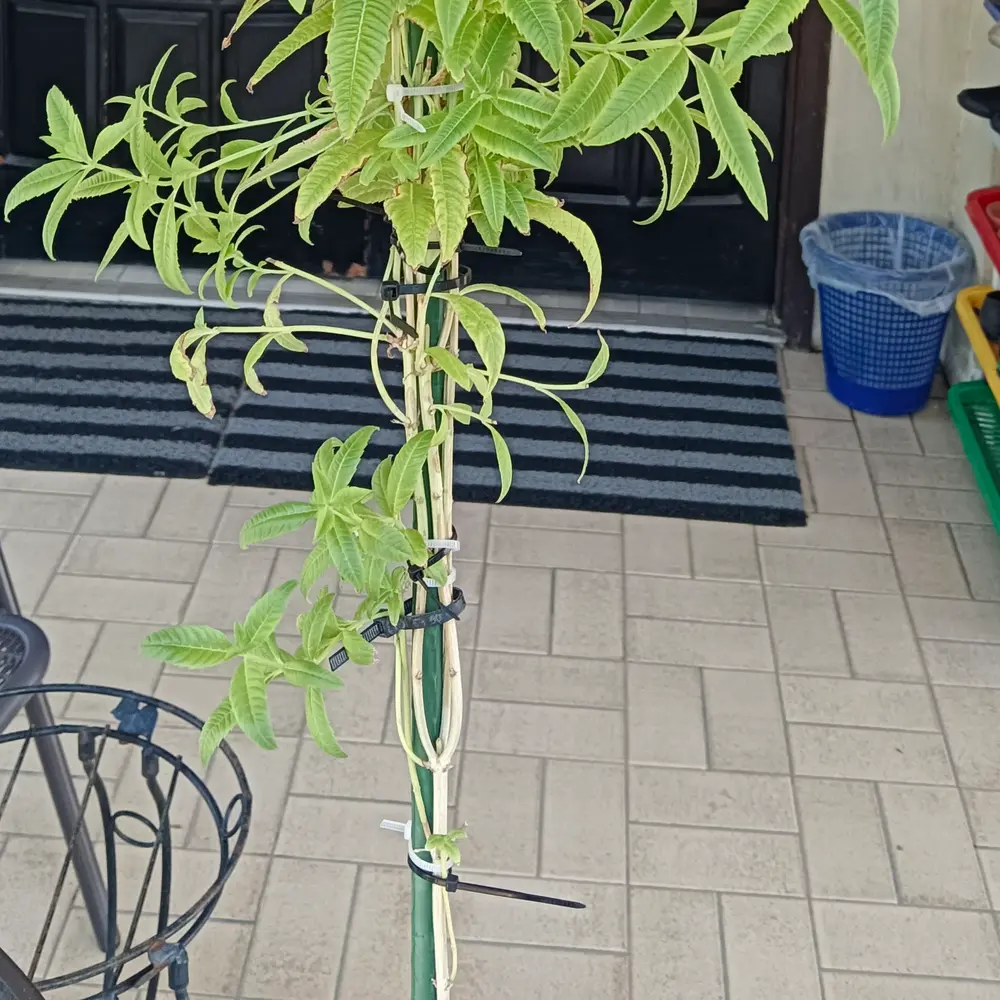
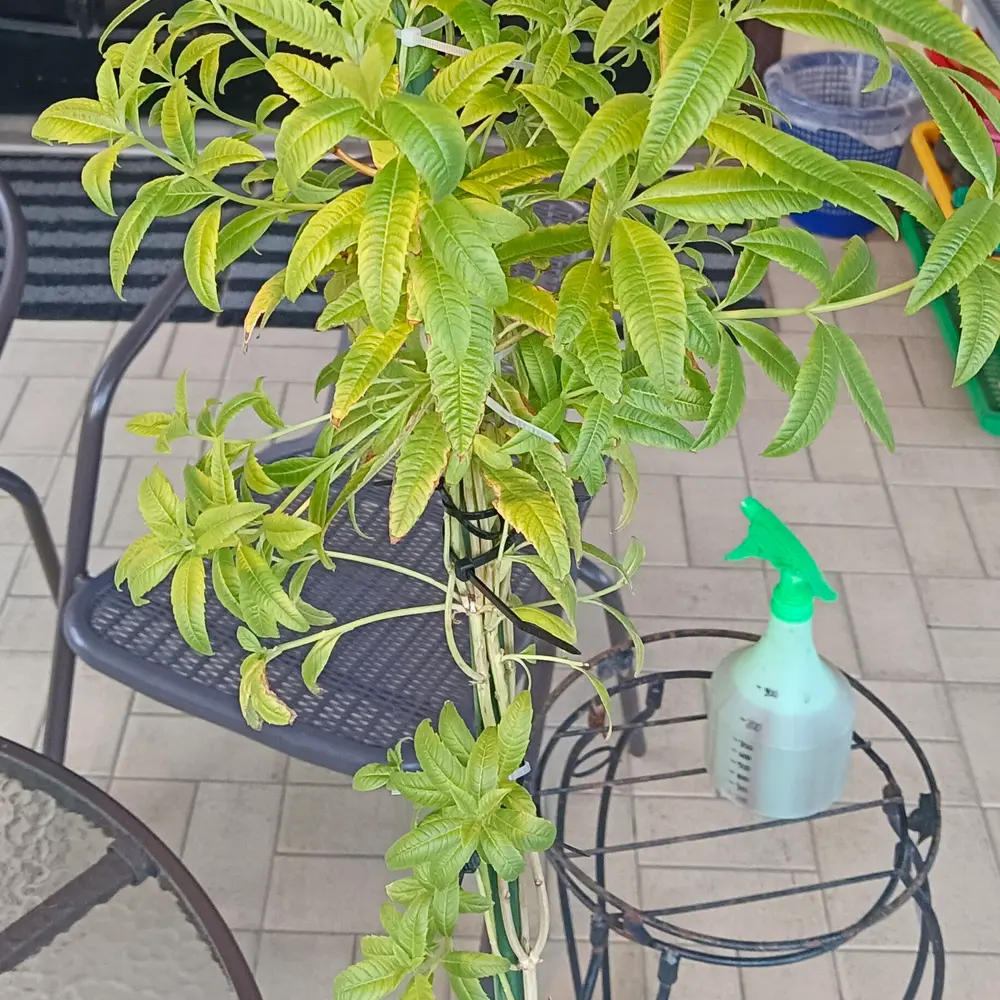
Incorrect Watering: Overwatering can lead to yellowing leaves, while underwatering results in drooping foliage. It's crucial to find a balance to keep your plant thriving.
Incorrect Light Conditions: Too much sun can cause leaf scorch, leading to crispy, brown edges. Ensure your plant receives the right amount of light for optimal health.
Incorrect Temperature: Cold damage can occur in frost-prone areas, affecting the plant's overall vitality. Protect your Aloysia cordata from harsh temperatures to maintain its lush appearance.
Diseases: Fungal issues, like powdery mildew, can plague your plant if conditions are too humid. Regular monitoring can help catch these problems early.
Leaf Issues: Yellowing or fuzzy growth often indicates stress. Identifying the cause is key to restoring your plant's health.
Identification and Solutions 🔍
Recognizing symptoms is the first step in addressing these problems.
Watering Issues: Check the soil moisture regularly. Adjust your watering schedule based on the plant's needs.
Light Conditions: Observe your plant's leaves. If they show signs of scorch, consider relocating it to a spot with filtered sunlight.
Temperature Concerns: Protect your plant from extreme cold by covering it or moving it indoors during frosty nights.
Disease Management: If you notice powdery mildew, remove affected leaves and improve air circulation around the plant.
Leaf Stress: Investigate potential stressors, such as pests or nutrient deficiencies, and take corrective action.
By staying vigilant and proactive, you can keep your Aloysia cordata healthy and flourishing. Next, let’s explore how to manage pests that may threaten your plant's well-being.
Bugs
🐜 Potential Pest Issues
Aloysia cordata is generally pest-resistant, making it a robust choice for gardeners. However, it can still fall prey to a few common pests that may require your attention.
🔍 Identification and Damage
Keep an eye out for spider mites, aphids, and whiteflies. These pests can cause noticeable damage, such as yellowing leaves or webbing, which can indicate a larger infestation.
🛠️ Treatment Options
When it comes to managing these pests, you have options. Organic methods, like neem oil or insecticidal soap, can be effective, while chemical treatments may also be necessary for severe infestations. Always tailor your approach based on the specific pest you’re dealing with.
By staying vigilant and addressing pest issues promptly, you can keep your Aloysia cordata thriving and healthy. Next, let’s explore what animals might be interested in snacking on your plant.
What Eats Aloysia cordata
🦌 Common Animals
Aloysia cordata, also known as lemon verbena, can attract a variety of hungry critters. Deer, rabbits, and squirrels are particularly fond of its aromatic leaves.
🚨 Signs of Damage
Keep an eye out for signs of damage to your plants. Browsing on leaves and evidence of digging around the base can indicate that these animals are enjoying a snack.
🛡️ Deterrent Methods
To protect your Aloysia cordata, consider implementing a few deterrent methods. Fencing can create a physical barrier, while repellents can mask the plant's appealing scent.
Additionally, companion planting with species that deter these animals can enhance your garden's defenses. By combining these strategies, you can help ensure your lemon verbena thrives without unwanted visitors.
⚠️ Safety First
This content is for general information and may contain errors, omissions, or outdated details. It is not medical, veterinary advice, or an endorsement of therapeutic claims.
Always consult a qualified healthcare professional before using any plant as food, medicine, or supplement.
Never eat any plant (or feed one to pets) without confirming its identity with at least two trusted sources.
If you suspect poisoning, call Poison Control (800) 222-1222, the Pet Poison Helpline (800) 213-6680, or your local emergency service immediately.
Spotted an error? Please report it here.
Cultivate a thriving lemon verbena 🌱 with Greg's tailored care reminders and expert tips, ensuring your Aloysia cordata flourishes beautifully in your garden!