🍋 Why Are My Lemon Verbena Leaves Falling Over?
Aloysia citrodora
By the Greg Editorial Team
Jun 18, 2024•5 min read
This article was created with the help of AI so we can cover more plants for you. May contain errors. See one? Report it here.
- Wilting or discoloration indicates Lemon Verbena distress; investigate further.
- Water wisely: check soil moisture, ensure drainage, and balance watering.
- Stable environment and nutrients keep Lemon Verbena leaves perky and healthy.
Spotting the Signs: When Your Lemon Verbena is Unhappy
🚩 Visual Clues
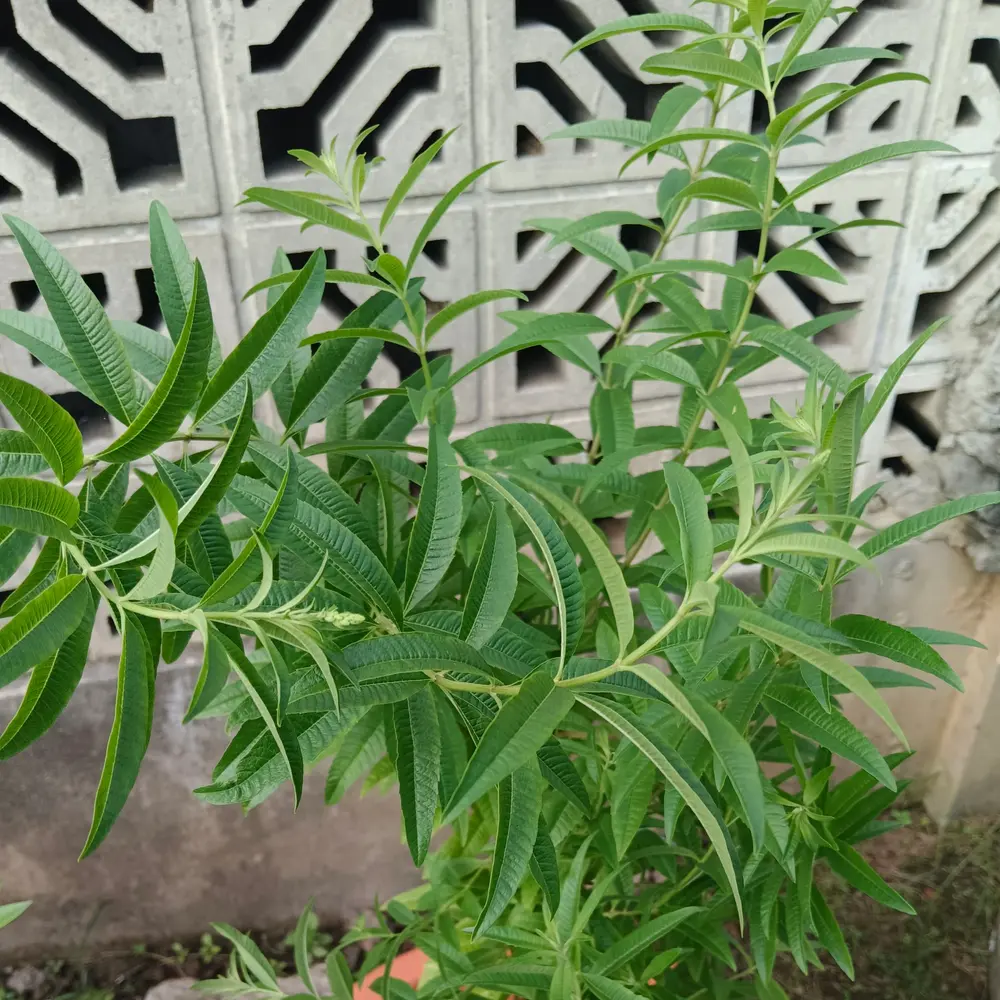
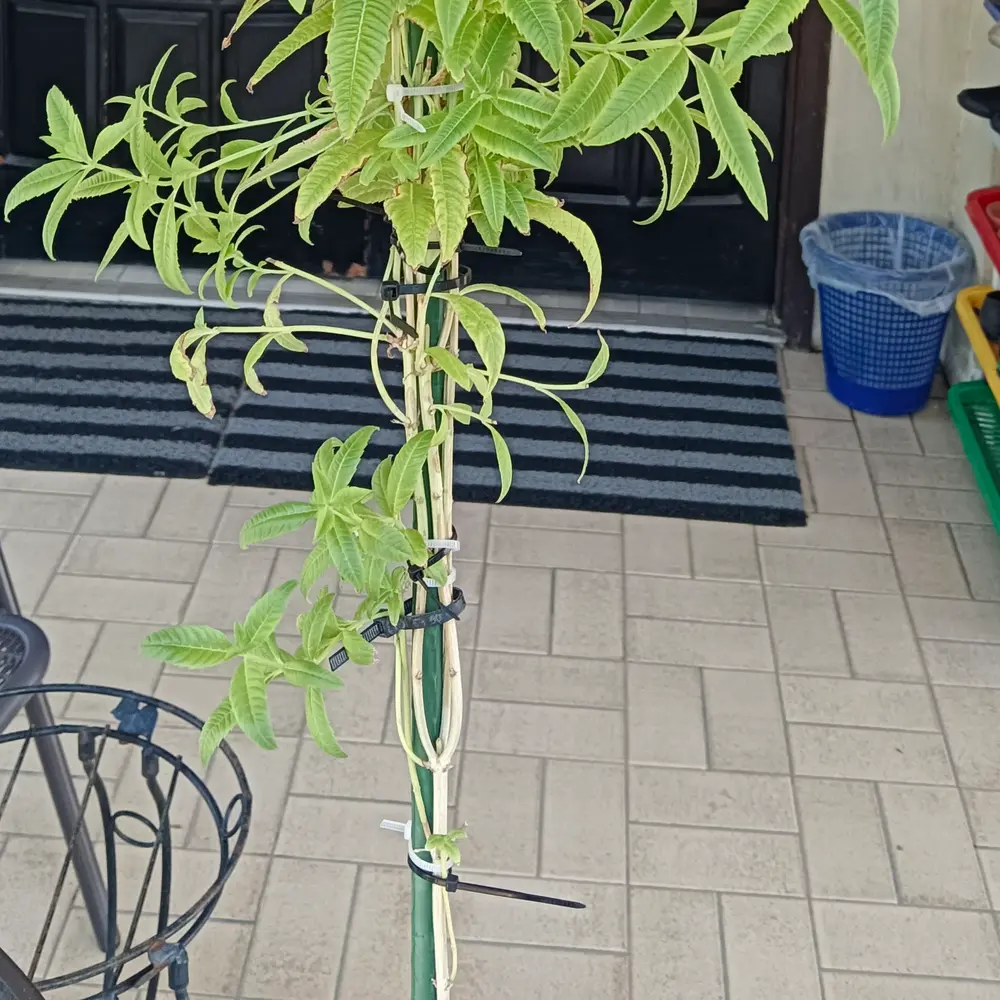
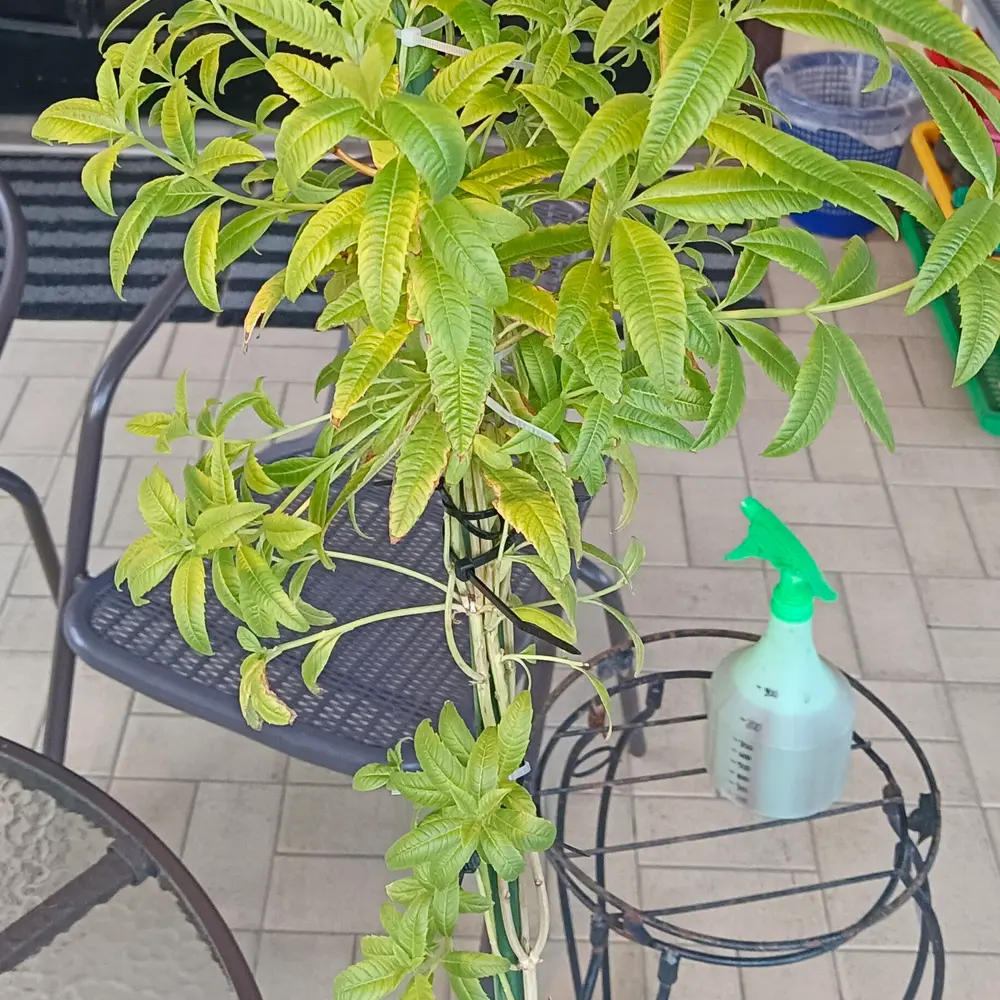
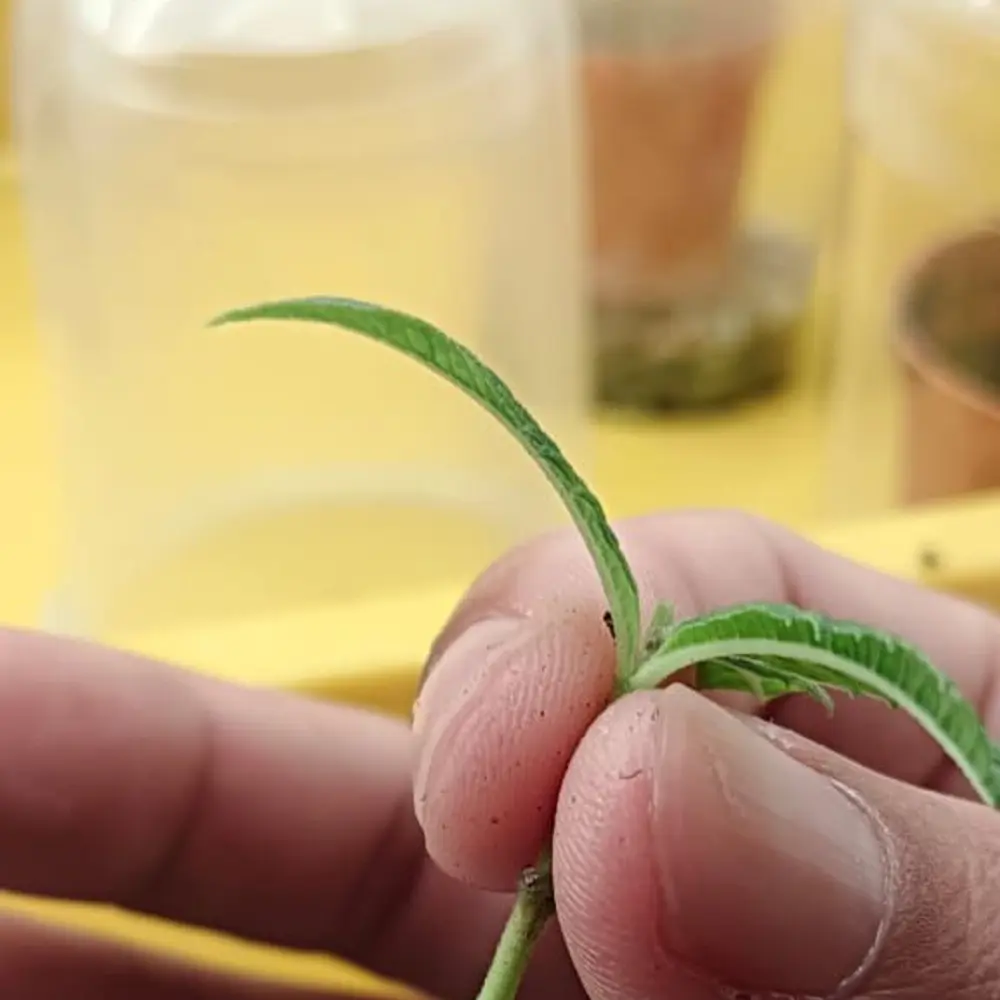
Wilting leaves on your Lemon Verbena are red flags; they're the plant's version of a distress signal. Yellowing or browning leaves are a visual shout for help, often pointing to watering mishaps or nutrient shortages. Curling leaves are the plant's SOS; it's time to play detective and root out the issue.
🕰 Timing and Patterns
Drooping might be a natural part of your Lemon Verbena's life cycle or a sign of distress. Seasonal changes can cause leaf drop, with Lemon Verbena shedding leaves around 45 degrees Fahrenheit as it enters dormancy. However, if droopiness occurs outside of these cooler temperatures, it's a cue for concern. Keep an eye on the patterns; consistent drooping regardless of season is a call to action.
The Watering Balancing Act
🌊 Too Much of a Good Thing
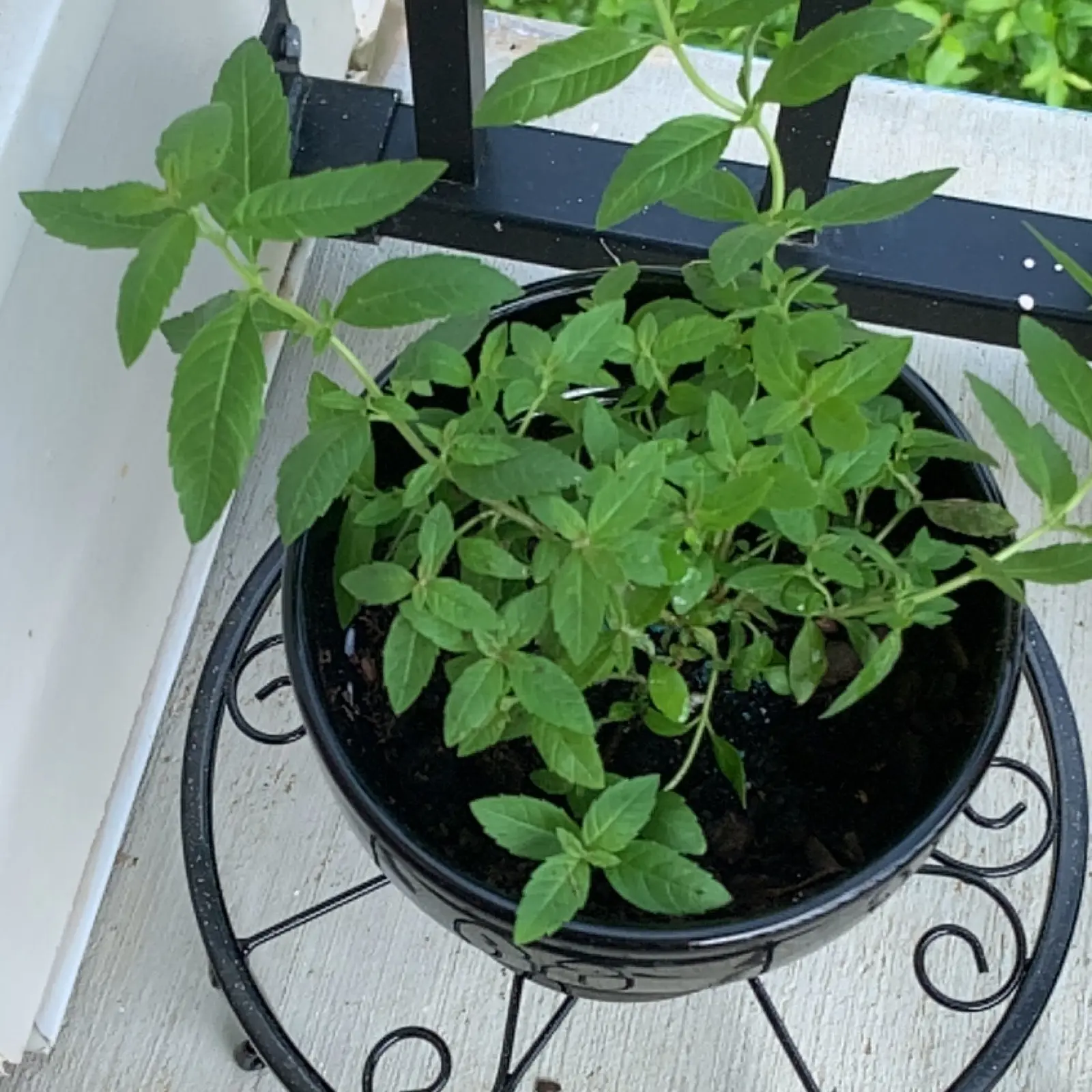
Overwatering your Lemon Verbena is like throwing a pool party without checking if anyone can swim. Roots need oxygen as much as they need water, and too much of the latter can lead to a soggy, breathless mess. If your plant's leaves are drooping with a certain je ne sais quoi of despair, it's time to reassess your watering enthusiasm.
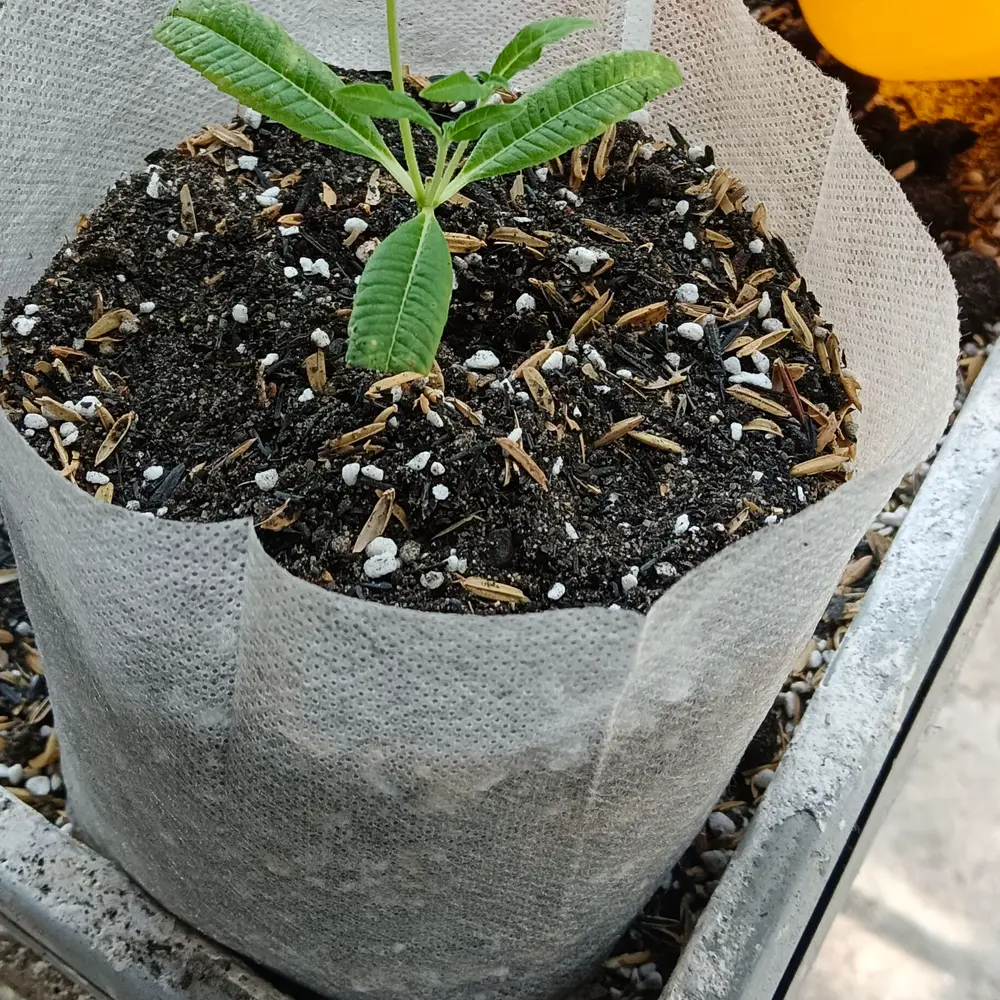
Check the soil moisture before you water—stick your finger in; if it's wet, hold off on the H2O. If the soil is more swamp than slightly moist, consider improving drainage or switching to a well-draining soil mix.
💧 Not Enough Hydration
Conversely, underwatering turns your Lemon Verbena into a botanical drama queen, wilting for attention. Leaves that are crispier than your favorite chips are a dead giveaway. A thirsty plant is a sad plant, so when the soil feels dry a couple of inches down, it's time to water.
Make sure to water deeply and thoroughly, allowing excess water to drain. This encourages roots to grow downward, seeking moisture and stability. Remember, your plant's watering needs change with the seasons—less in winter, more in summer. Keep a watchful eye and adjust accordingly.
Creating the Perfect Lemon Verbena Lair
🛡️ Shielding from Stress
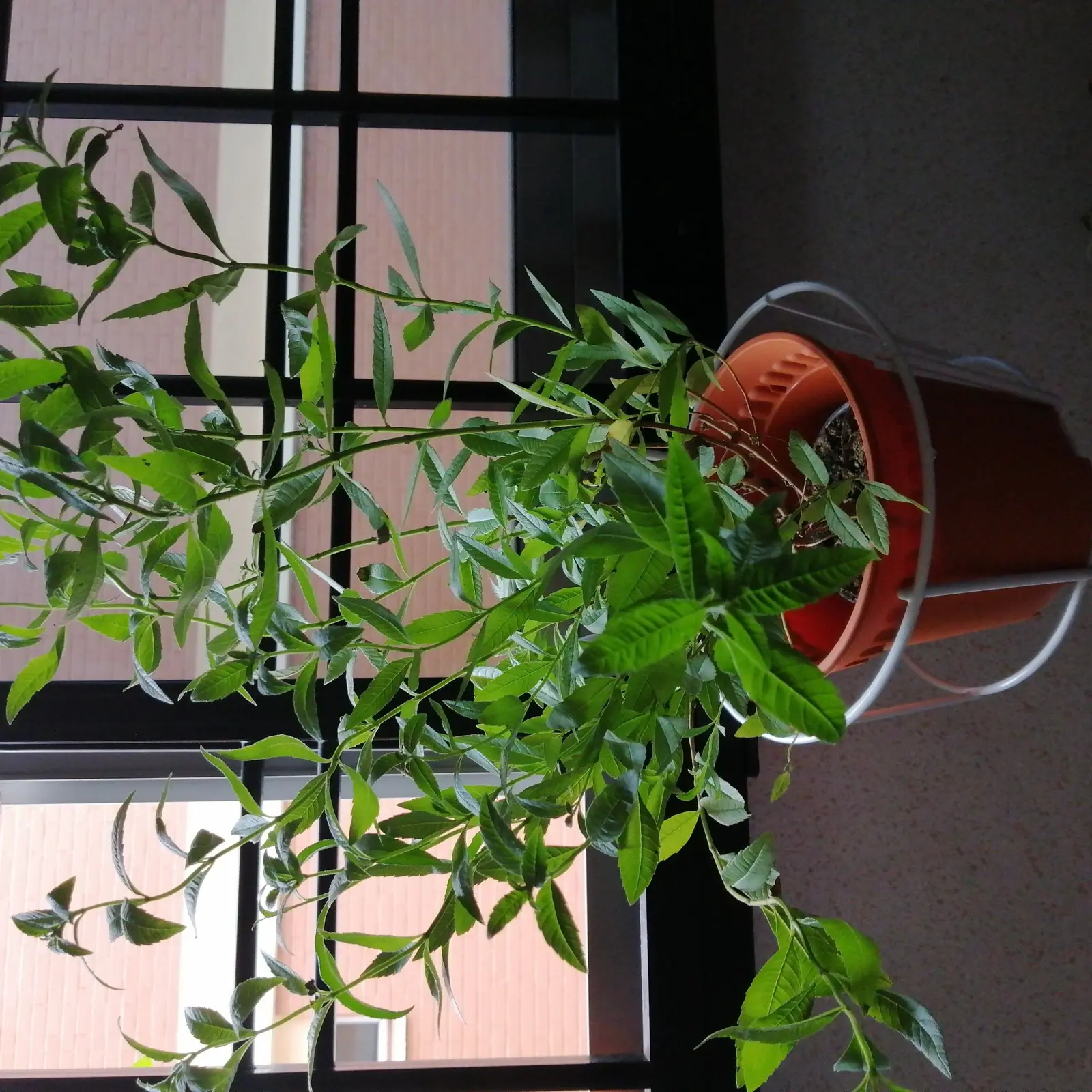
Lemon Verbena thrives in stability. To shield it from environmental stress, avoid placing it where sudden temperature changes are common. Bright, indirect light is ideal; direct midday sunlight can be too intense. Use a shade cloth if necessary. Airflow is also key—ensure there's enough circulation to prevent the air from becoming stagnant, which can contribute to droopiness.
⛅️ Climate Control
Temperature and humidity are critical for Lemon Verbena. Aim for a consistent temperature around 70°F (21°C) and moderate humidity. If your indoor air is dry, consider using a mister like the Lyfe Rose Gold Signature Mister for a touch of humidity. In winter, when indoor heating can dry out the air, a humidifier or a pebble tray with water can help maintain the right humidity levels. Remember, too much humidity can invite pests, so balance is essential. Keep your plant away from drafts and heating vents to avoid sudden temperature fluctuations that can cause stress.
Feeding Finesse: Nutrients for Upright Leaves
💪 The Role of Nutrients
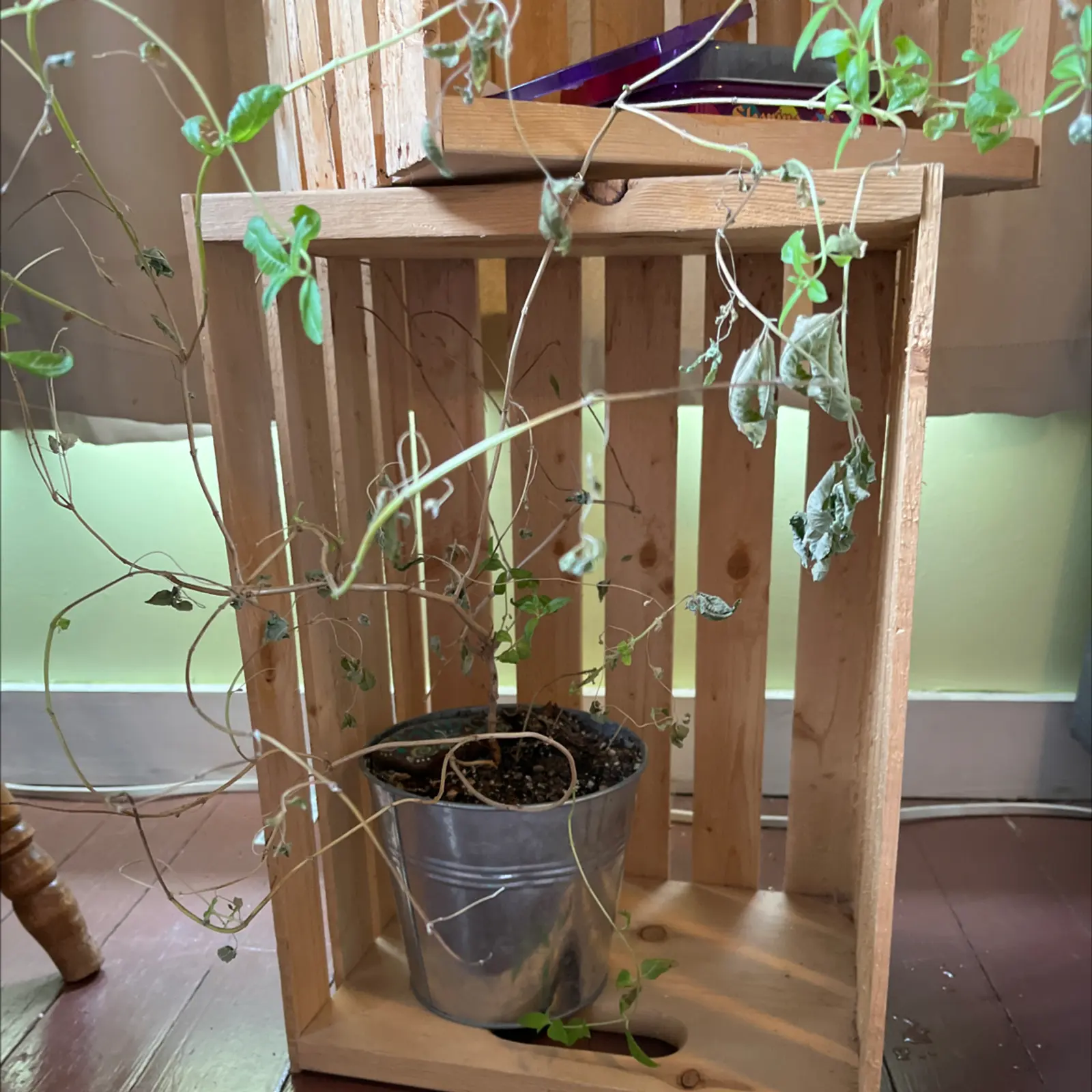
Nutrient deficiencies are the silent saboteurs of your Lemon Verbena's posture. A lack of nitrogen might leave your plant's older leaves looking like they've seen better days, while insufficient potassium can make leaf tips appear as if they've been singed. Calcium deficiency? That's a recipe for new growth looking more twisted than a pretzel.
To correct these, observe your plant's symptoms and respond with a targeted nutritional boost. Think of it as a dietary intervention, where you're the nutritionist and your plant's the patient.
🌱 Fertilizer Fix
Choosing the right fertilizer is like picking the perfect pair of shoes; it needs to be just the right fit. A balanced, water-soluble option is your best bet. But remember, moderation is key—too much and you're looking at the equivalent of a nutrient hangover for your plant.
Foliar feeding can be a quick fix, delivering nutrients straight to the leaves, but it's not a long-term solution. Soil fertilization is your bread and butter. Keep an eye on your plant's response, and tweak as necessary. It's less about sticking to a rigid schedule and more about adapting to your plant's feedback.
Remember, your Lemon Verbena doesn't want a fast-food diet; it craves a gourmet meal, tailored to its needs. Keep the nutrients balanced, and your plant will thank you with upright, vibrant leaves.
Defending Against Invisible Invaders
🐜 Pest Patrol
Pests can be the silent saboteurs of your Lemon Verbena's vitality. Aphids, spider mites, and whiteflies are the usual suspects, turning robust leaves into droopy disappointments. Regular check-ups are crucial; flip those leaves and inspect the nooks for any freeloaders. If you spot them, it's time for action. A soapy water mix can be a gentle yet effective way to show these pests the exit. For the eco-conscious, introducing natural predators like ladybugs can be a game-changer, turning your plant into a no-fly zone for pests.
🦠 Disease Detectives
Diseases are the stealthy ninjas of the plant world, often going unnoticed until it's too late. Fungal infections can cause your Lemon Verbena to wilt, with symptoms like yellowing leaves and unsightly spots. Prevention is your best weapon—ensure good air circulation and cleanliness to keep your plant's immune system robust. If disease strikes, organic options like neem oil can be your ally. It's like hitting the reset button on your plant's health, giving diseases the boot without harsh chemicals. Remember, the key is early detection and swift action. Keep your eyes peeled and your reflexes ready.
⚠️ Safety First
This content is for general information and may contain errors, omissions, or outdated details. It is not medical, veterinary advice, or an endorsement of therapeutic claims.
Always consult a qualified healthcare professional before using any plant as food, medicine, or supplement.
Never eat any plant (or feed one to pets) without confirming its identity with at least two trusted sources.
If you suspect poisoning, call Poison Control (800) 222-1222, the Pet Poison Helpline (800) 213-6680, or your local emergency service immediately.
Spotted an error? Please report it here.
Ensure your Lemon Verbena's leaves stay perky and healthy 🍋 with Greg's personalized care reminders for the right water, light, and pest control based on your home environment.