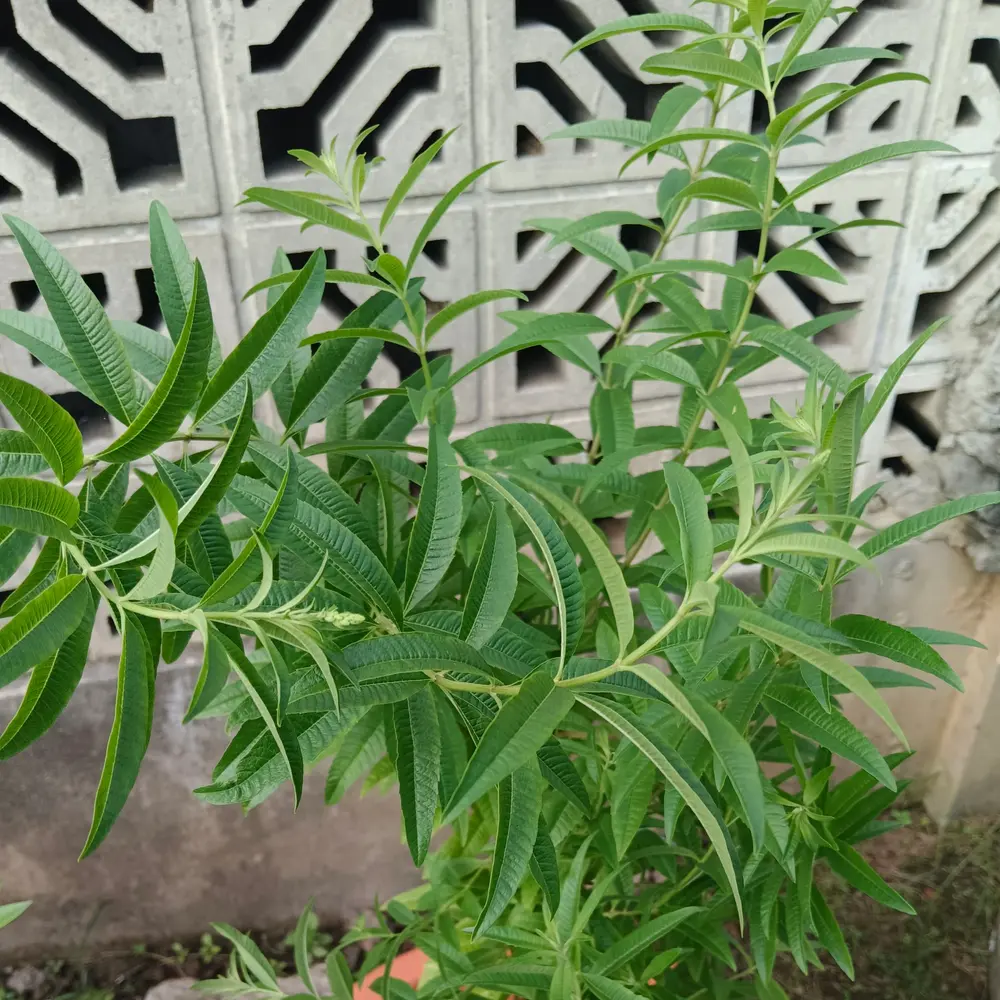
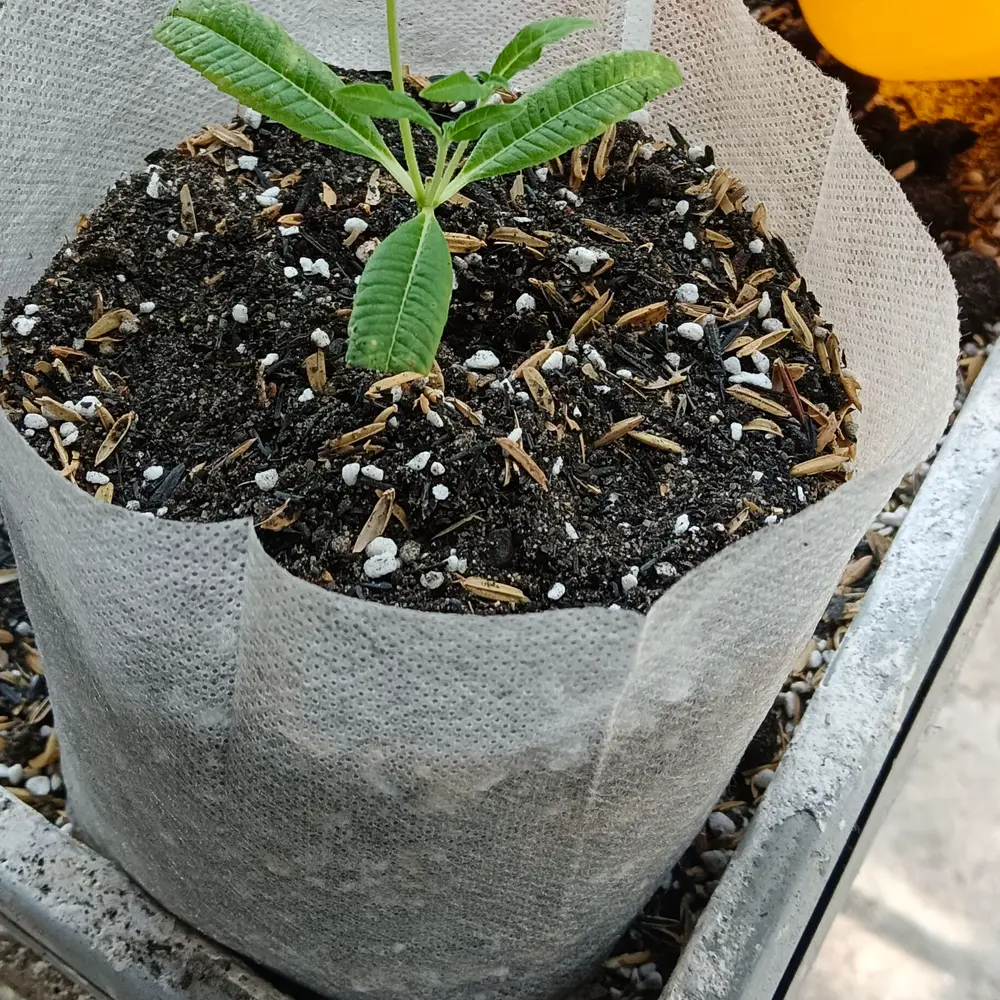
Understanding Why Lemon Verbena May Not Flower 🍋
Aloysia citrodora
By the Greg Editorial Team
Jan 06, 2025•5 min read
This article was created with the help of AI so we can cover more plants for you. May contain errors. See one? Report it here.
- 🌞 Lemon verbena needs 6-8 hours of sunlight daily for optimal blooming.
- 🌡️ Temperature between 20°C to 30°C is crucial for flowering success.
- 🌱 Balanced nutrients and proper watering prevent issues like yellowing leaves and root rot.
Common Reasons for Failure to Bloom
☀️ Insufficient Light Exposure
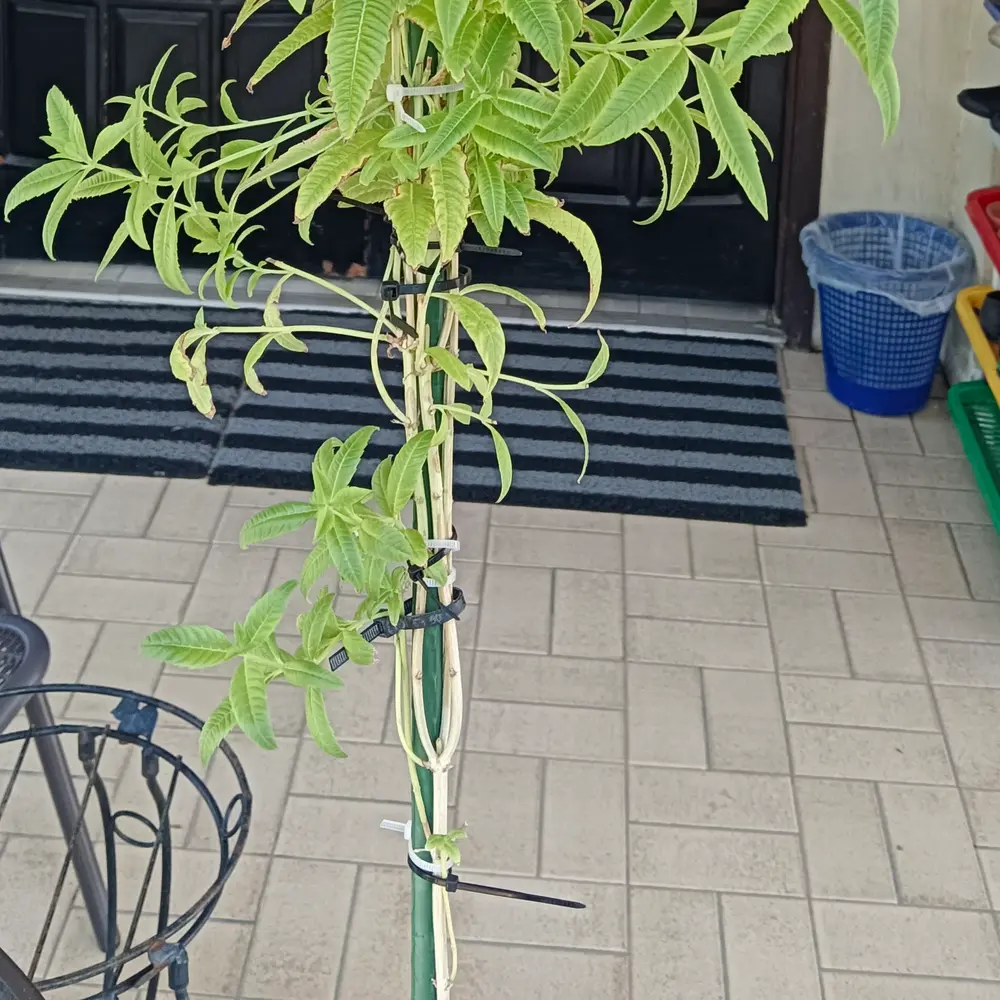
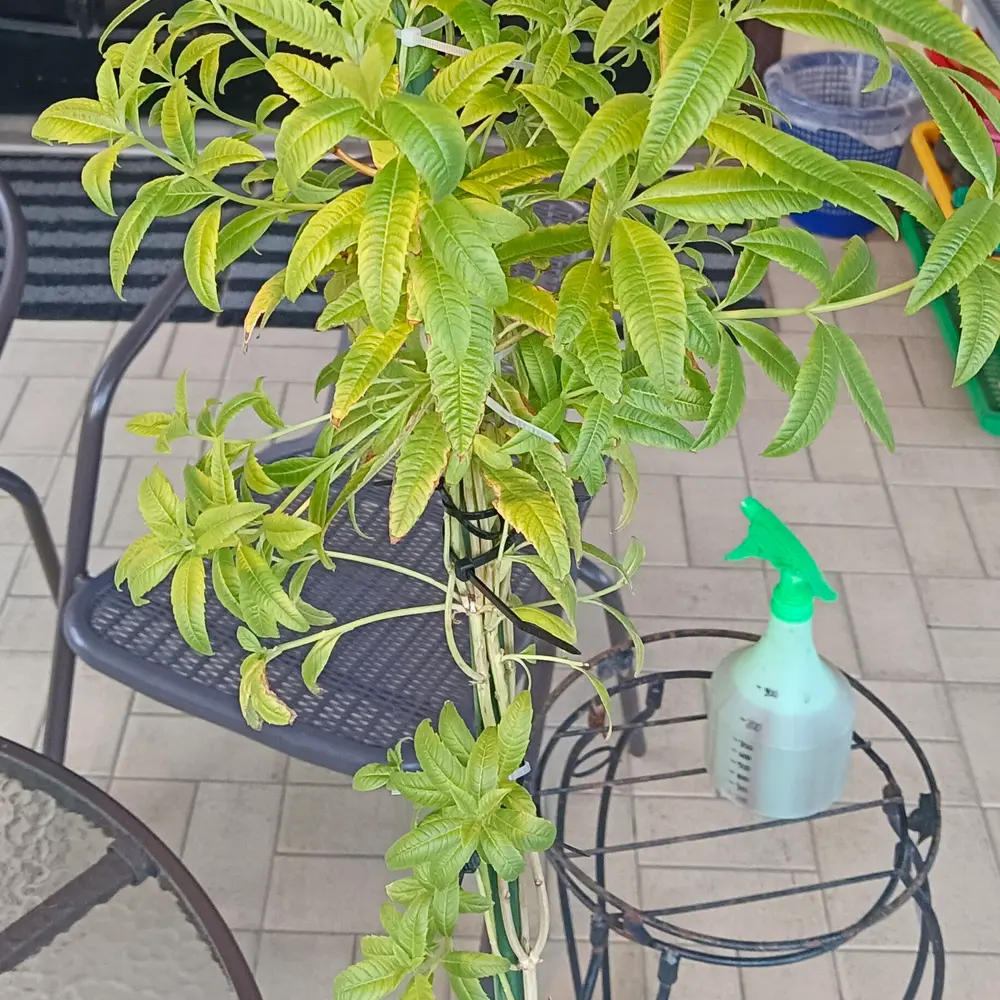
Lemon verbena thrives on sunlight, requiring a minimum of 6-8 hours of direct exposure each day. Without this, you might notice leggy growth and pale leaves, clear indicators that your plant is craving more light.
🌡️ Environmental Stress Factors
Temperature plays a crucial role in flowering. Lemon verbena prefers a cozy range between 20°C to 30°C (68°F to 86°F), while moderate humidity levels of 40%-60% help keep it happy and blooming.
💧 Soil Moisture Issues
Watering habits can make or break your plant's ability to flower. Overwatering leads to yellowing leaves and root rot, while underwatering results in wilting and dry leaf edges, both of which hinder blooming.
🌱 Nutritional Deficiencies
Lack of essential nutrients can stifle your lemon verbena's growth and flowering potential. Key nutrients like nitrogen, phosphorus, and potassium are vital, and deficiencies often manifest as poor growth and a noticeable lack of blooms.
Understanding these common reasons can help you troubleshoot and revive your lemon verbena's flowering potential. Next, let’s explore the factors that can lead to premature flower drop.
Factors Leading to Premature Flower Drop
🌪️ Environmental Stressors
Sudden temperature changes can wreak havoc on your lemon verbena, causing flowers to drop unexpectedly. Keeping your plant in a stable environment is crucial for flower retention.
High winds and heavy rains also pose a threat, physically damaging delicate flowers. Protecting your plant from these elements can help maintain its blooms.
⚖️ Nutritional Imbalances
An excess of nitrogen can lead to lush foliage but at the cost of flowers. It's essential to balance your fertilization to encourage blooming rather than just leafy growth.
Conversely, a lack of potassium can hinder flower development. Ensuring your plant receives adequate potassium is vital for vibrant blooms.
🐜 Pest Impact on Flowering
Pests like aphids and spider mites can be detrimental, feeding on flower buds and causing them to drop. Regularly inspecting your plant for these pests can prevent significant damage.
Signs of infestation include sticky residue on leaves and webbing, indicating spider mites are at work. Addressing these issues promptly can save your flowers from premature loss.
Understanding these factors can empower you to take proactive steps in caring for your lemon verbena, ensuring it thrives and blooms beautifully. Next, let’s explore how to manage pests and diseases that can affect flowering.
Abnormal Flower Development and Its Causes
🧬 Genetic Factors
Some lemon verbena cultivars are notorious for their irregular flowering patterns. This genetic variability can lead to unexpected blooms or, in some cases, a complete lack of flowers.
🌦️ Environmental Influences
Inconsistent watering practices can significantly affect the size and shape of flowers. Additionally, the quality of light plays a crucial role; insufficient light spectrum can result in malformed or underdeveloped blooms.
🥦 Nutritional Issues
Imbalanced fertilization is another culprit behind abnormal flower development. Over-fertilization can lead to excessive growth, resulting in leaf burn and stunted blooms, which detracts from the plant's overall beauty.
Understanding these factors is essential for nurturing healthy lemon verbena plants. By addressing genetic, environmental, and nutritional aspects, you can encourage vibrant and plentiful flowering.
Next, let’s explore the nutritional needs for optimal flowering to ensure your plants thrive.
Nutritional Needs for Optimal Flowering
🌱 Essential Nutrients for Flowering
To achieve vibrant blooms, lemon verbena requires three key nutrients: nitrogen, phosphorus, and potassium. These elements play distinct roles in plant health, with nitrogen promoting lush foliage, phosphorus supporting root development, and potassium enhancing flower production.
For optimal growth, establish a fertilization schedule that includes feeding your lemon verbena monthly during the growing season. This routine ensures your plant receives the necessary nutrients to thrive and produce beautiful flowers.
⚠️ Signs of Nutritional Deficiencies Affecting Blooms
Recognizing the signs of nutritional deficiencies is crucial for maintaining healthy blooms. A lack of nitrogen often results in yellowing leaves and stunted growth, while phosphorus deficiency can lead to poor root development and fewer flowers.
Potassium deficiency manifests as weak stems and reduced flower size. By monitoring these symptoms, you can take timely action to correct any imbalances and encourage your lemon verbena to flourish.
Understanding these nutritional needs not only helps in nurturing your plant but also sets the stage for addressing potential pest and disease issues that may arise.
Pest and Disease Management
Common Pests That Affect Flowering 🐞
Pests can wreak havoc on your lemon verbena, leading to poor flowering or even bud drop. Aphids are tiny, sap-sucking insects that can quickly infest your plant, leaving behind a sticky residue and curling leaves.
To manage aphids, consider introducing natural predators like ladybugs or using insecticidal soap. Regularly check the undersides of leaves for signs of these pests, and act quickly to prevent a larger infestation.
Spider mites are another common foe, often appearing as fine webbing on your plant. They thrive in dry conditions and can cause significant damage by feeding on the plant's sap.
To control spider mites, increase humidity around your plant and use a strong jet of water to dislodge them. If the problem persists, insecticidal soap or neem oil can be effective treatments.
Diseases That Can Lead to Bud Drop or Abnormal Flowers 🦠
Diseases can also contribute to issues with flowering. Root rot is a serious condition caused by overwatering or poorly draining soil. Symptoms include yellowing leaves and a foul smell from the roots.
To prevent root rot, ensure your lemon verbena is planted in well-draining soil and only water when the top inch of soil is dry. If you suspect root rot, remove the plant from its pot, trim away the affected roots, and repot in fresh soil.
Powdery mildew is another disease that can affect your plant, characterized by a white, powdery coating on leaves. This fungal infection thrives in humid conditions and can lead to bud drop.
To combat powdery mildew, improve air circulation around your plant and avoid overhead watering. Fungicidal sprays can also help manage severe cases, but prevention is key.
By staying vigilant against pests and diseases, you can help your lemon verbena thrive and enjoy its beautiful blooms. Next, let’s explore the nutritional needs essential for optimal flowering.
⚠️ Safety First
This content is for general information and may contain errors, omissions, or outdated details. It is not medical, veterinary advice, or an endorsement of therapeutic claims.
Always consult a qualified healthcare professional before using any plant as food, medicine, or supplement.
Never eat any plant (or feed one to pets) without confirming its identity with at least two trusted sources.
If you suspect poisoning, call Poison Control (800) 222-1222, the Pet Poison Helpline (800) 213-6680, or your local emergency service immediately.
Spotted an error? Please report it here.
Unlock the secret to a thriving lemon verbena with Greg's tailored care tips and reminders, ensuring your plant gets the sunlight, nutrients, and pest protection it needs to bloom beautifully! 🌿