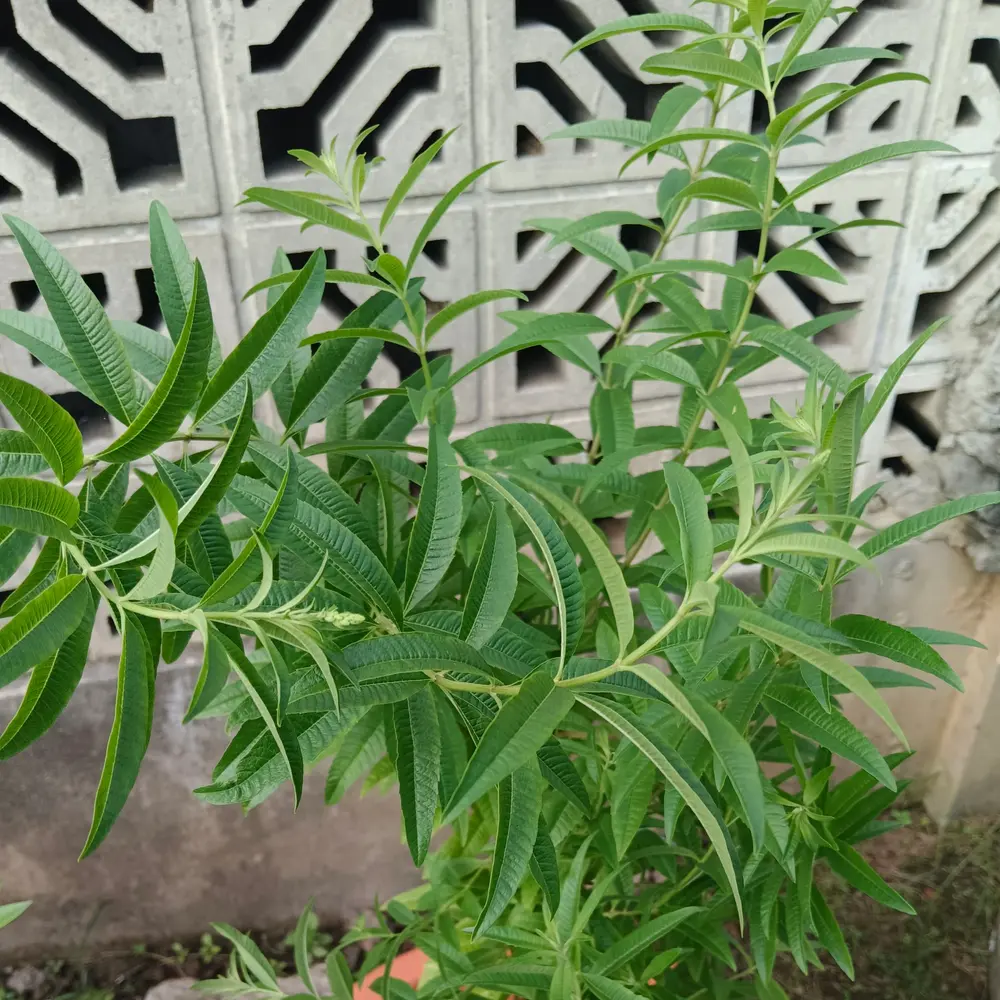
🍋 Choosing Fertilizer For My Lemon Verbena
Aloysia citrodora
By the Greg Editorial Team
Jun 18, 2024•4 min read
This article was created with the help of AI so we can cover more plants for you. May contain errors. See one? Report it here.
- Organic vs. Synthetic: Choose based on Lemon Verbena's needs—sustainability or quick nutrients.
- Balanced NPK ratio is key, avoid urea-based fertilizers for healthy blooms.
- Fertilize early spring and mid-summer to kickstart and sustain growth.
Picking the Perfect Fertilizer for Your Lemon Verbena
💡 Organic vs. Synthetic: What's Best for Blooms?
When it comes to Lemon Verbena, the fertilizer debate is real. Organic fertilizers are the long game, slowly releasing nutrients and enriching the soil ecosystem. They're the tortoise in the race, steady and sustainable. Synthetic fertilizers, however, are the hare, quick to deliver a nutrient punch tailored to your plant's immediate needs.
Reading labels is key. Look for a balanced NPK ratio; Lemon Verbena isn't fussy but flourishes with equilibrium. Avoid fertilizers with urea for Lemon Verbena, as it may harm the delicate roots. Always check the Guaranteed Analysis on the label to ensure compatibility.
🍽️ Tailoring Nutrients to Lemon Verbena's Taste
Nitrogen, phosphorus, and potassium are the VIPs of the fertilizer world for Lemon Verbena. Nitrogen spurs foliage growth, phosphorus is pivotal for blooms, and potassium fortifies overall health. A balanced blend, like a 10-10-10, is a safe start, but you can tweak the mix as your plant progresses through different growth stages.
Micronutrients might seem like extras, but they're essential for the full picture of plant health. They're the supporting cast that helps the stars shine. While Lemon Verbena isn't a heavy feeder, a monthly application of a slow-release fertilizer can keep those fragrant flowers coming. For container-grown plants, a water-soluble option is your go-to for a quick nutrient uptake.

Timing is Everything: When to Fertilize for Fabulous Flowers
🌱 Kickstarting Growth in Early Spring
Early spring marks the start of Lemon Verbena's growth cycle. As the plant emerges from its winter dormancy, it's primed for a nutrient boost. Fertilize as new leaves appear, providing the energy needed for vigorous growth. This is the plant's version of a hearty breakfast, setting the stage for lush foliage and robust blooms.
☀️ Mid-Summer Feeding Finesse
By mid-summer, Lemon Verbena is in full swing, but it may start to show signs of fatigue. This is the time for a mid-season pick-me-up. Adjust your fertilization strategy to sustain blooming and encourage new growth. Think of it as a second wind for your plant, ensuring a continuous display of fragrant flowers.
Fertilizer Application: A Gentle Touch for Delicate Blooms
🌱 The Art of Soil Application
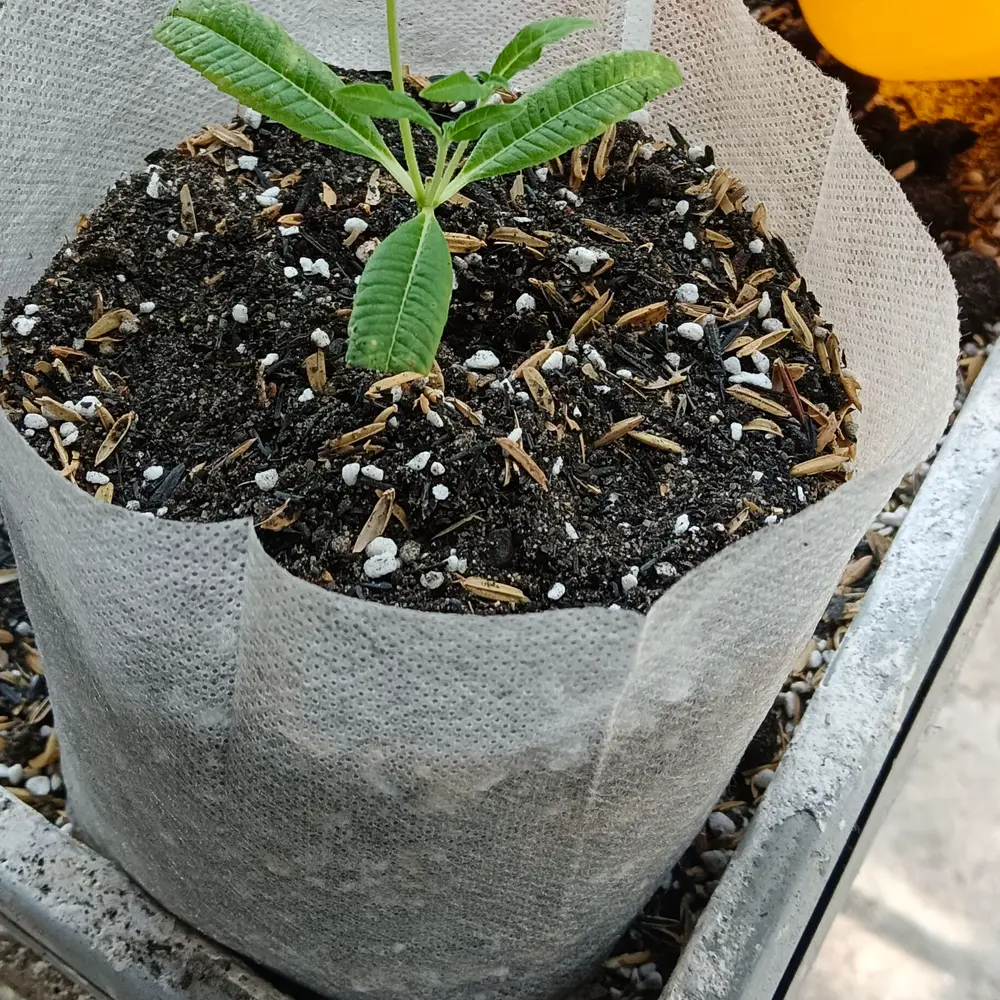
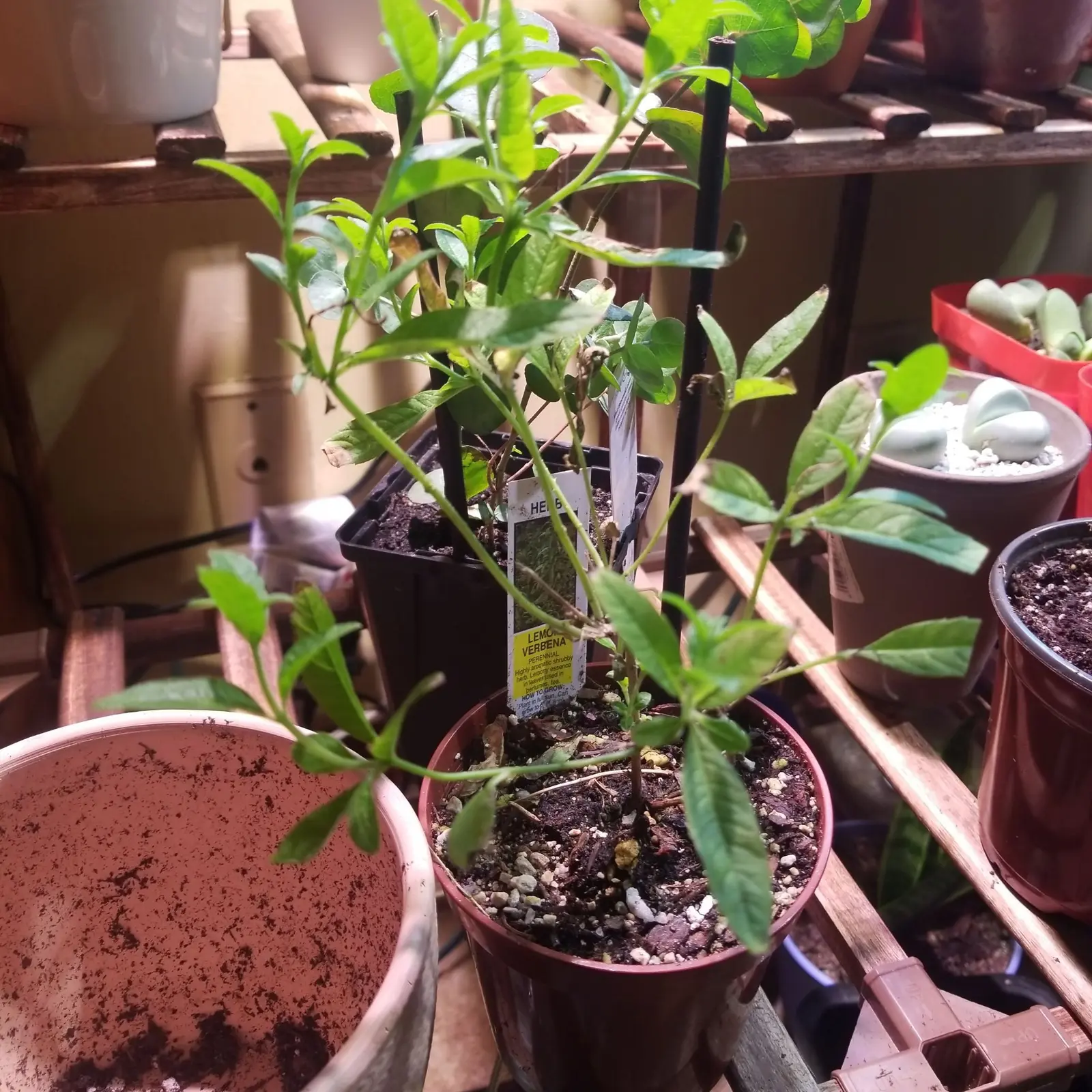
Granular fertilizers are the slow-release friends of your Lemon Verbena. They should be sprinkled around the base, avoiding direct contact with the stem or leaves. Water immediately after to help the nutrients seep into the soil, not evaporate into a cloud of wasted potential.
🥤 Liquid Love: Feeding Your Lemon Verbena
Liquid fertilizers are like a shot of espresso for your plants—quick and potent. Mix them at half-strength to prevent nutrient shock. Apply directly to the soil, circling the outskirts of the Lemon Verbena's reach. This method ensures the roots get first dibs without any leaf-burn drama.
Keeping it Balanced: Avoiding Over-Fertilization
🚫 Spotting the Tell-Tale Signs
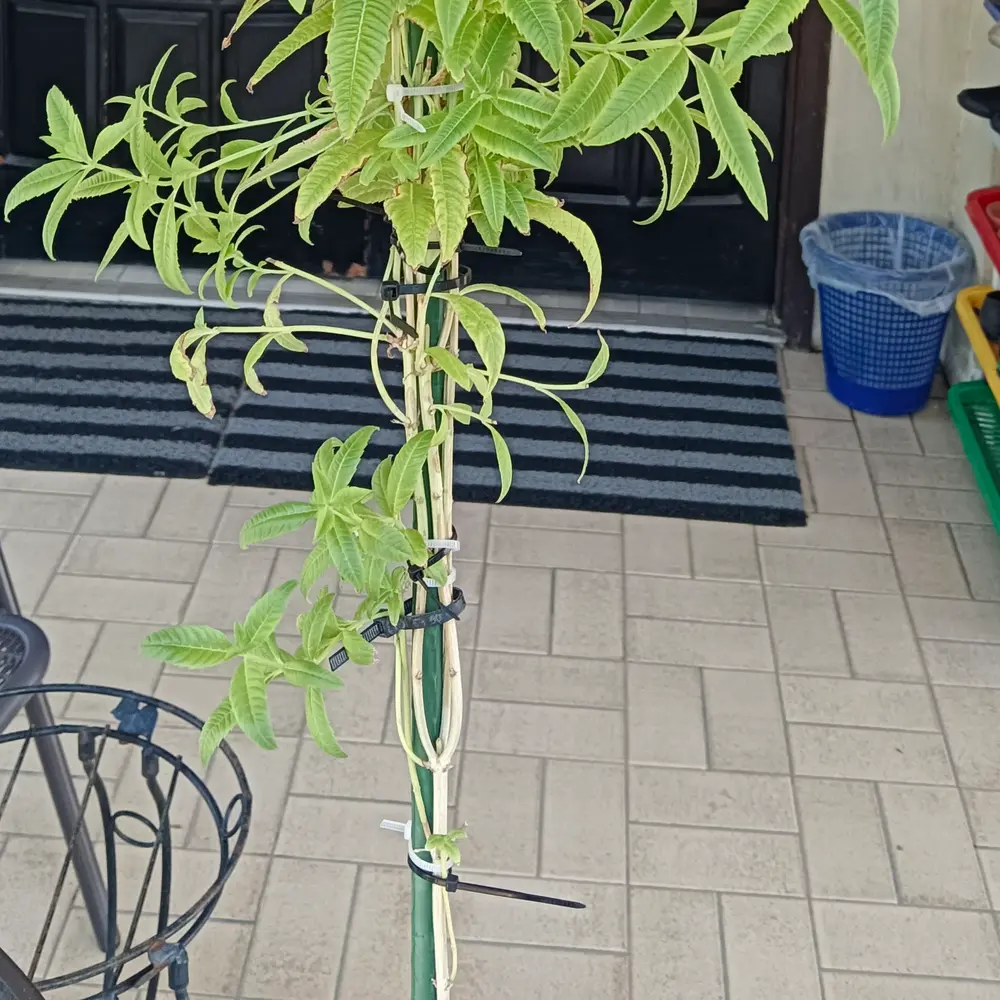
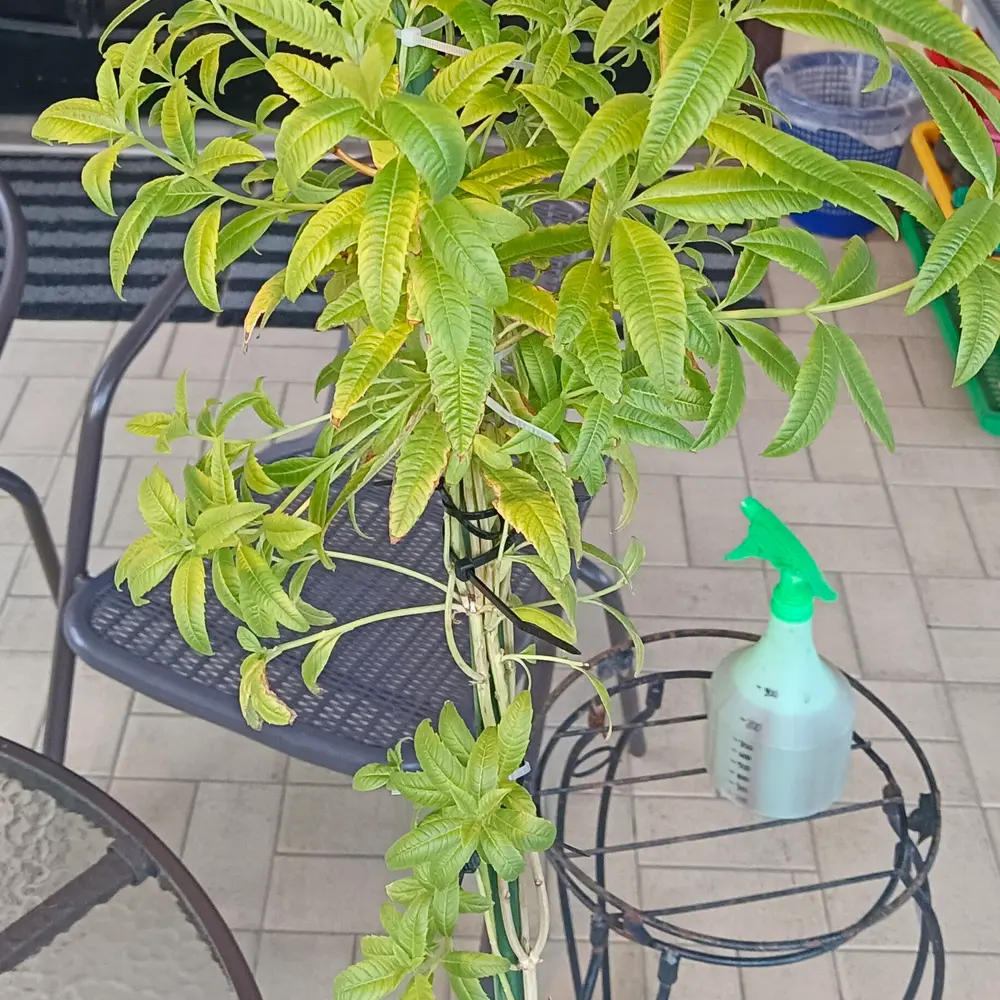
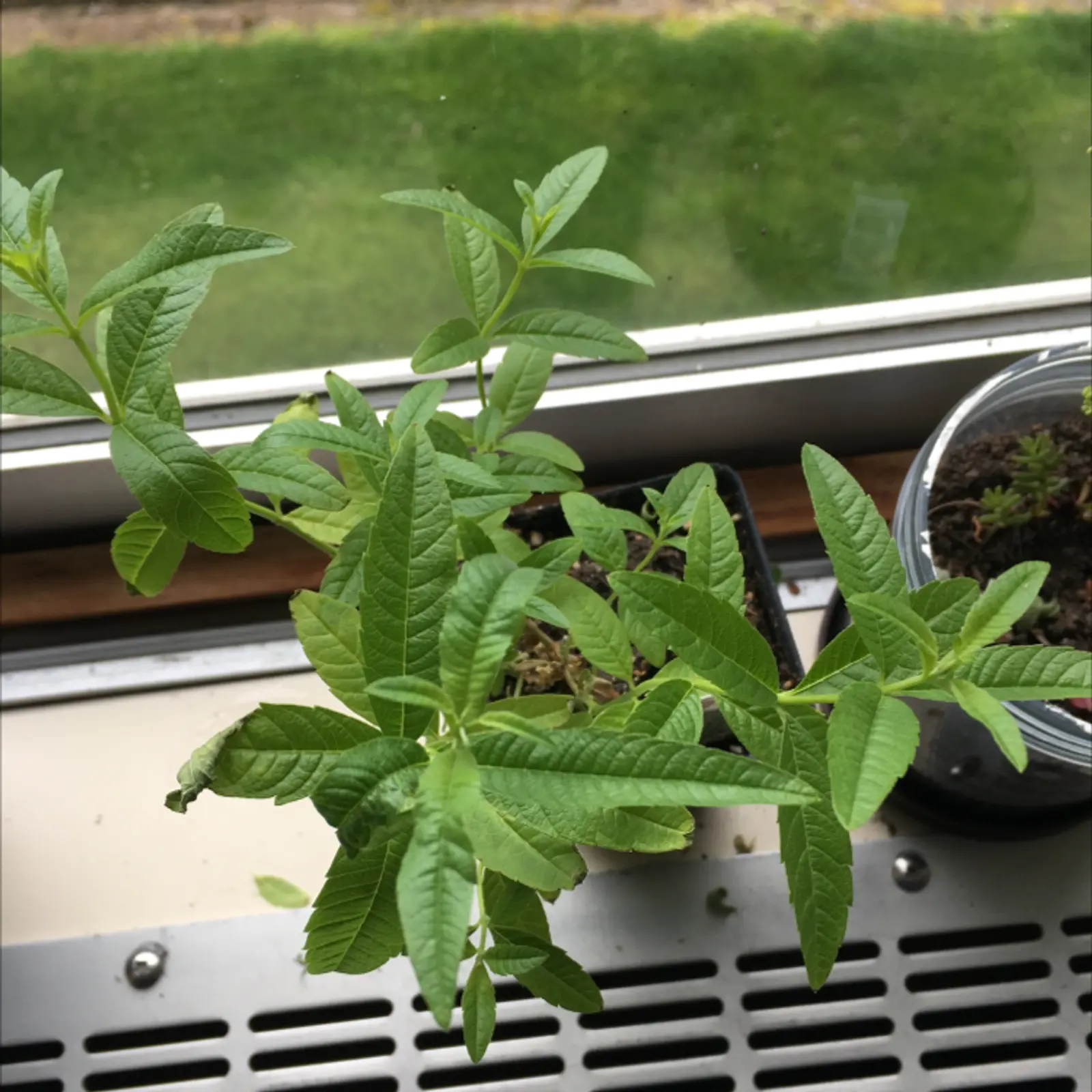
Recognizing over-fertilization is crucial for the health of your Lemon Verbena. Look out for a white crust on the soil surface, a sign of salt buildup. Yellowing or browning of leaves, especially at the tips and margins, can indicate nutrient overload. Roots may appear brown or black and limp, while leaves wilt despite moist soil. Over-fertilization symptoms often manifest soon after application, so keep a vigilant eye post-feeding.
🛠 Quick Fixes for Fertilizer Faux Pas
If you've been heavy-handed with the fertilizer, it's time for damage control. Start by removing visible fertilizer from the soil. Flush the soil with water to leach out excess salts—think of it as a detox for your plant's roots. You may need to repeat this every few days. Prune away any damaged foliage; they won't recover. In severe cases, consider repotting with fresh soil. For future applications, remember that a little goes a long way—dilute your fertilizer to half-strength to avoid a repeat mishap.
⚠️ Safety First
This content is for general information and may contain errors, omissions, or outdated details. It is not medical, veterinary advice, or an endorsement of therapeutic claims.
Always consult a qualified healthcare professional before using any plant as food, medicine, or supplement.
Never eat any plant (or feed one to pets) without confirming its identity with at least two trusted sources.
If you suspect poisoning, call Poison Control (800) 222-1222, the Pet Poison Helpline (800) 213-6680, or your local emergency service immediately.
Spotted an error? Please report it here.
Nurture your Lemon Verbena to peak vitality 🍋 with Greg's tailored fertilizing reminders, avoiding the over-fertilization blues and ensuring a happy, healthy plant.