🍋 How to Prepare Your Lemon Verbena for Winter
Aloysia citrodora
By the Greg Editorial Team
Jan 06, 2025•5 min read
This article was created with the help of AI so we can cover more plants for you. May contain errors. See one? Report it here.
- ❄️ Protect lemon verbena from frost using breathable covers, not plastic.
- 🌱 Mulch with straw or wood chips to insulate roots during winter.
- 🌞 Transition indoors before frost and acclimatize gradually for best results.
Frost Protection Strategies
🌨️ Methods for Protecting from Frost
When winter approaches, protecting your lemon verbena from frost is crucial. One effective method is covering your plants with frost cloths or blankets on cold nights.
Avoid using plastic covers; they can trap moisture and lead to damage. Instead, opt for breathable materials that allow air circulation while providing warmth.
Another essential strategy is mulching. Applying a layer of mulch around the base of your plant helps insulate the roots against freezing temperatures.
Recommended mulch types include straw, wood chips, or shredded leaves, all of which provide excellent insulation.
🛡️ Best Practices for Covering Outdoor Plants
Timing is everything when it comes to frost protection. Make sure to cover your plants before temperatures dip below 32°F (0°C) to ensure they stay warm.
Securing your covers is also important; anchor them down to prevent wind from blowing them away.
On warmer days, remember to remove the covers to allow sunlight and air circulation, which are vital for your plant's health.
By following these best practices, you can help your lemon verbena thrive through the winter months.
Watering and Fertilizing Adjustments
🌨️ Adjusting Watering Schedules During Winter
As winter sets in, it's crucial to adjust your watering routine for lemon verbena. Reduce the frequency of watering to prevent root rot, which can occur in colder, damp conditions.
Before watering, always check the soil moisture. The ideal moisture level is when the soil feels slightly dry to the touch, ensuring your plant stays healthy without drowning.
❄️ Fertilizing in Winter
When it comes to fertilizing, timing is everything. Avoid fertilizing during the plant's dormancy; instead, wait until early spring when growth resumes.
Opt for a balanced, slow-release fertilizer to support your lemon verbena's recovery. Remember, fertilizing during dormancy can stress the plant, so patience is key for a thriving garden come spring.
Indoor Care
Transitioning Indoors 🌬️
Moving your lemon verbena indoors is crucial before the first frost hits. Aim to do this when temperatures start to dip, ensuring your plant is safe from the cold.
Acclimatization is key for a smooth transition. Gradually introduce your plant to indoor conditions over a week to help it adjust without shock.
Optimal Indoor Conditions ☀️
Providing the right light is essential for your lemon verbena's health. Aim for bright, indirect sunlight; if natural light falls short, consider using grow lights to supplement.
Temperature is another critical factor. Keep indoor temperatures between 60°F to 70°F (15°C to 21°C) to create a comfortable environment for your plant.
Humidity levels also play a significant role in your plant's well-being. Strive for moderate humidity, and consider using a humidity tray or misting to maintain optimal moisture levels.
With these indoor care tips, your lemon verbena will thrive throughout the winter months. Next, let’s explore how to prepare for spring and ensure a robust recovery as the seasons change.
Spring Preparation and Recovery
🌱 Signs of Winter Damage and Recovery Strategies
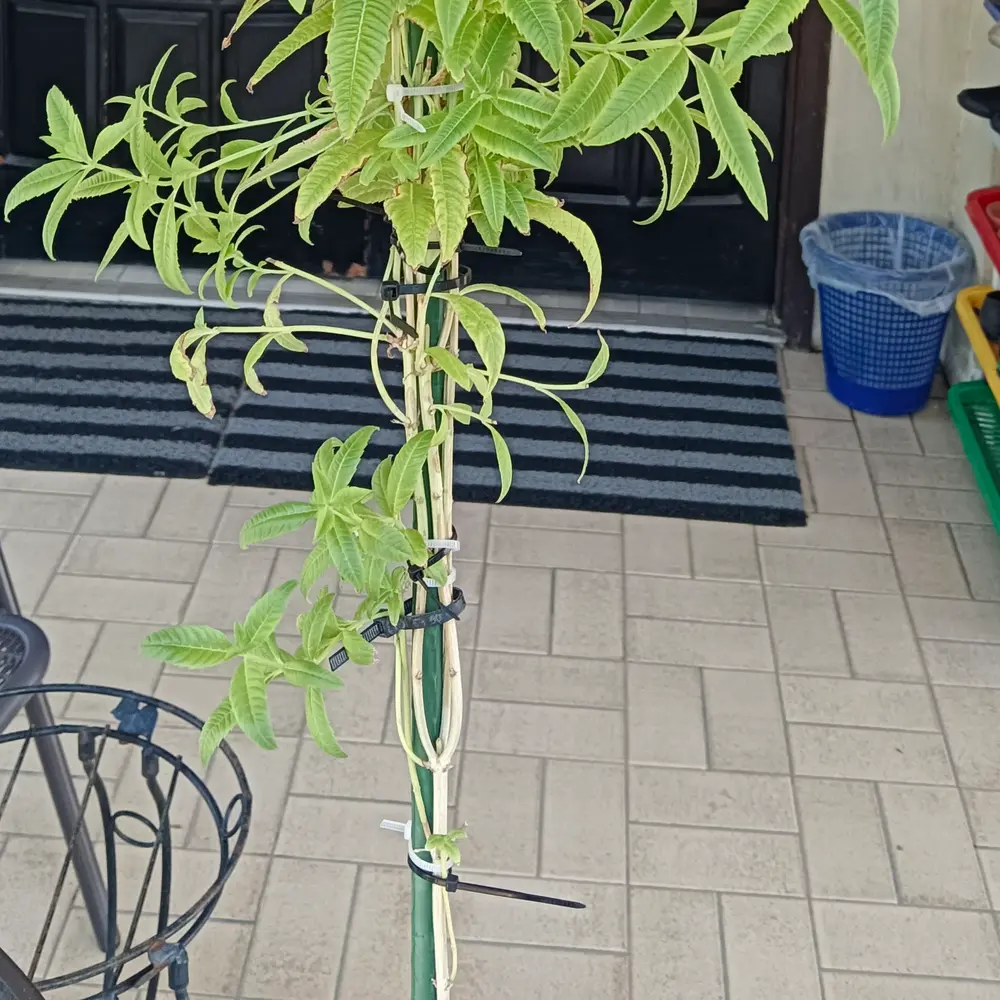
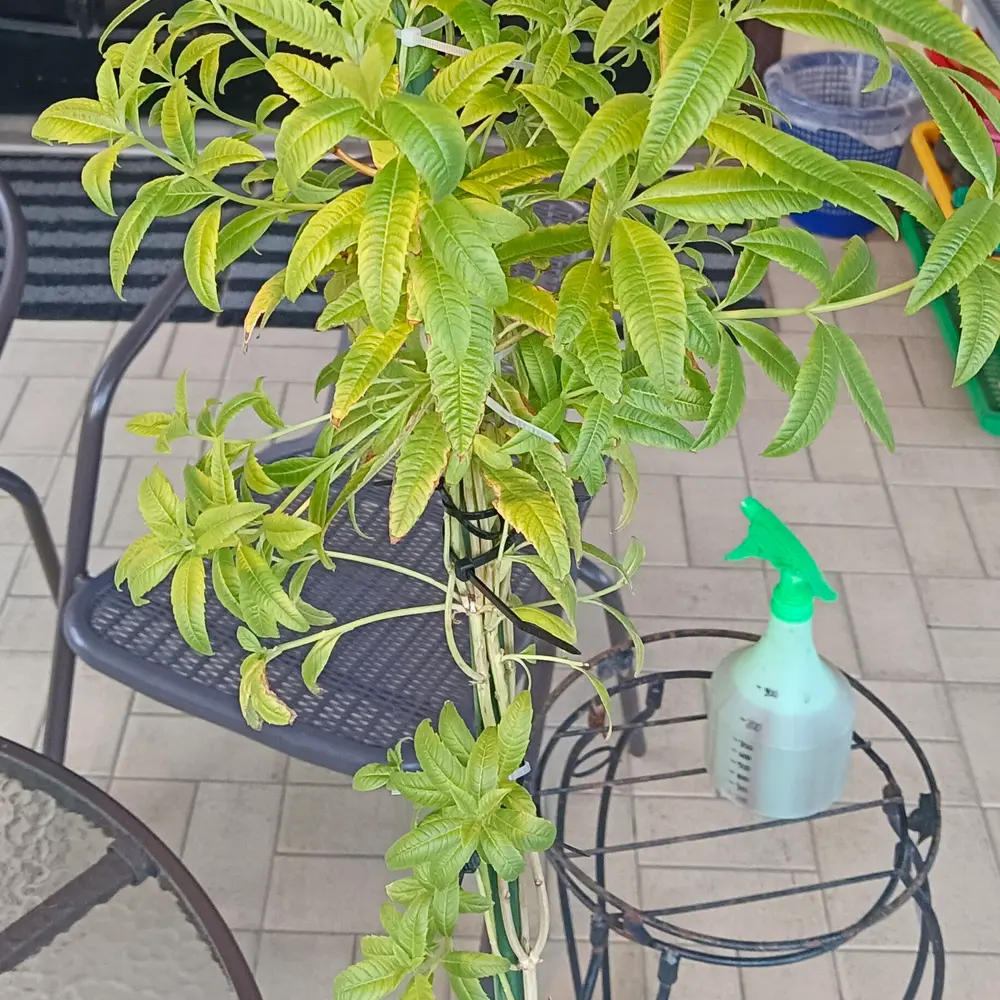
As winter fades, it's crucial to assess your lemon verbena for any signs of damage. Look for brown, wilted leaves or stunted growth, which indicate that your plant may have suffered during the colder months.
Once you've identified any damage, take a moment to evaluate the extent. If the damage is minimal, a little extra care can help your plant bounce back. Ensure it receives adequate water and light, and consider removing any severely affected leaves to promote healthier growth.
✂️ Pruning and Care Tips for Spring Revival
Pruning is an essential step in reviving your lemon verbena. Start by removing dead or damaged stems; this encourages new growth and helps the plant focus its energy on healthier parts.
Timing is key—prune in early spring, just before new growth begins. This way, your plant can thrive as it wakes from dormancy. After pruning, apply a balanced fertilizer to support that fresh growth and give your lemon verbena the boost it needs to flourish.
With these steps, your lemon verbena will be well on its way to a vibrant spring. Next, let’s explore how to tackle common challenges and ensure your plant remains healthy throughout the season.
Common Challenges and Solutions
🌨️ Addressing Cold Hardiness Issues
Lemon Verbena is particularly sensitive to frost, making it crucial to understand its cold hardiness. To protect your plants, select sheltered locations that provide some natural windbreaks.
Consider using pots for your Lemon Verbena. This allows for easy relocation indoors during unexpected cold snaps, ensuring your plants stay safe and healthy.
🐛 Dealing with Pests During Winter Months
Winter can bring its own set of challenges, especially with pests like aphids, spider mites, and whiteflies. Regularly inspect your plants for any signs of these unwelcome guests.
If you spot pests, don't panic. Use insecticidal soap or neem oil to manage the situation effectively. Maintaining overall plant health is key to minimizing pest issues during the winter months.
By staying vigilant and proactive, you can ensure your Lemon Verbena thrives even in the colder season. Now that you’re equipped to tackle these challenges, let’s explore how to prepare your plants for a successful spring revival.
⚠️ Safety First
This content is for general information and may contain errors, omissions, or outdated details. It is not medical, veterinary advice, or an endorsement of therapeutic claims.
Always consult a qualified healthcare professional before using any plant as food, medicine, or supplement.
Never eat any plant (or feed one to pets) without confirming its identity with at least two trusted sources.
If you suspect poisoning, call Poison Control (800) 222-1222, the Pet Poison Helpline (800) 213-6680, or your local emergency service immediately.
Spotted an error? Please report it here.
Keep your lemon verbena thriving this winter ❄️ with Greg's tailored reminders for frost protection and watering adjustments to ensure your plant stays healthy and happy indoors!