🍋 Why Are My Lemon Verbena Leaves Curling?
Aloysia citrodora
By the Greg Editorial Team
Jun 18, 2024•5 min read
This article was created with the help of AI so we can cover more plants for you. May contain errors. See one? Report it here.
- Curling leaves signal distress; look for yellowing, spots, or droopiness too.
- Combat pests and fungi with soapy wipe-downs, neem oil, and fungicides.
- Proper care prevents curling: balance water, nutrients, and environment.
Spotting the Signs of Trouble
🍋 Recognizing Leaf Curling
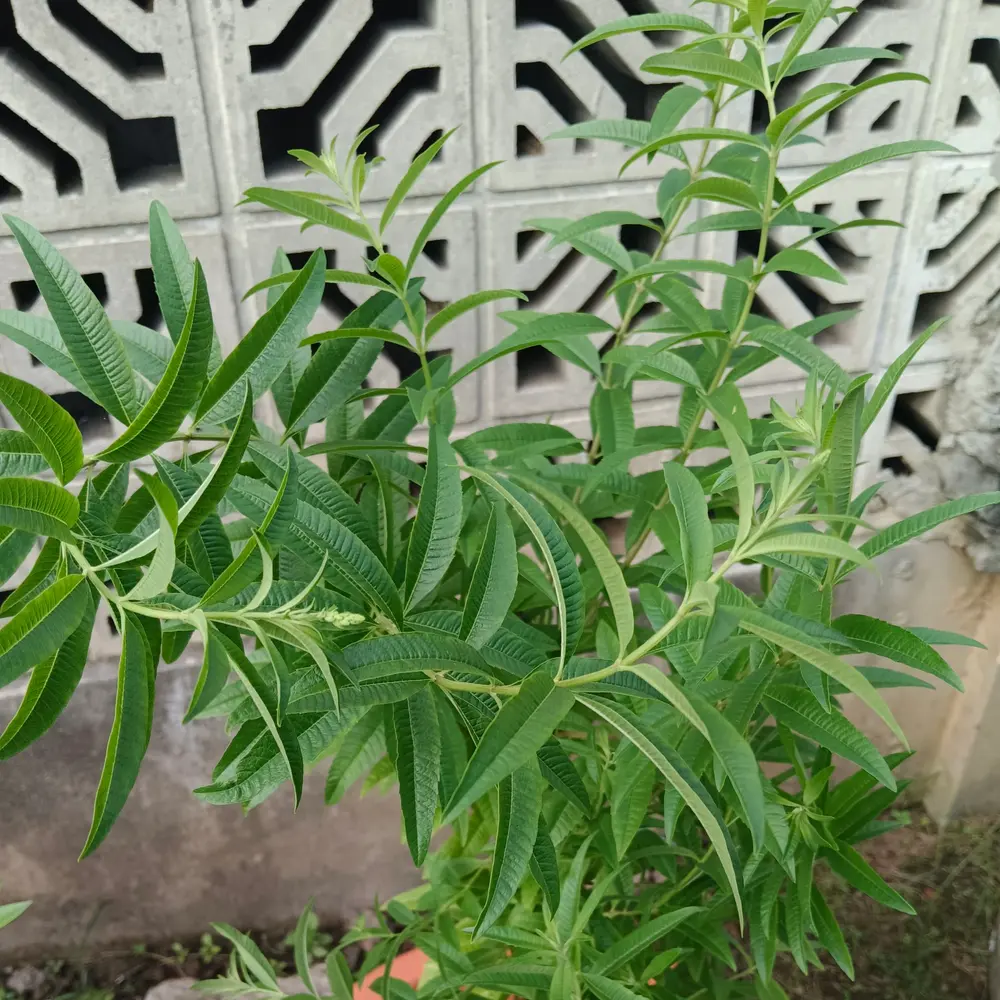
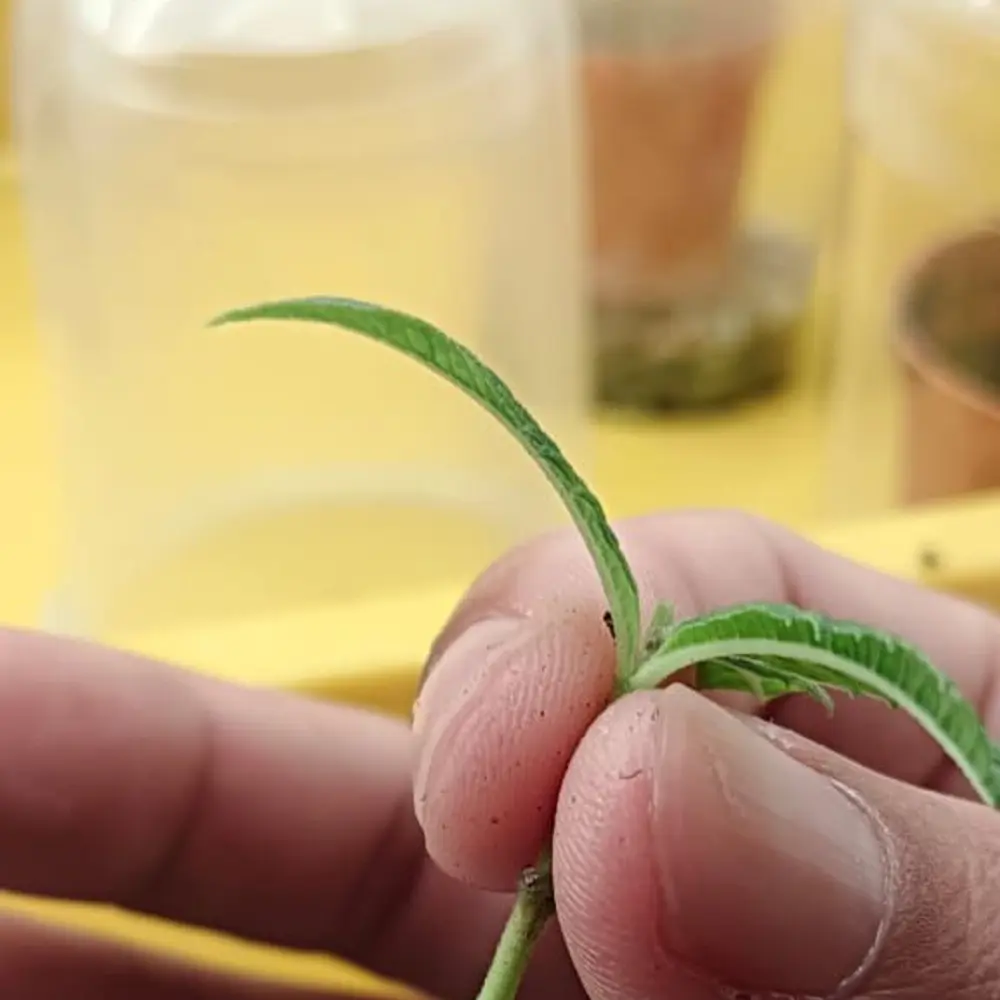
Lemon Verbena's leaves should be lush and lively, not curled like party ribbons. Pronounced curling or twisting is your cue that something's amiss. This isn't a quirky plant feature; it's a distress signal.
🚩 Early Warning Signals
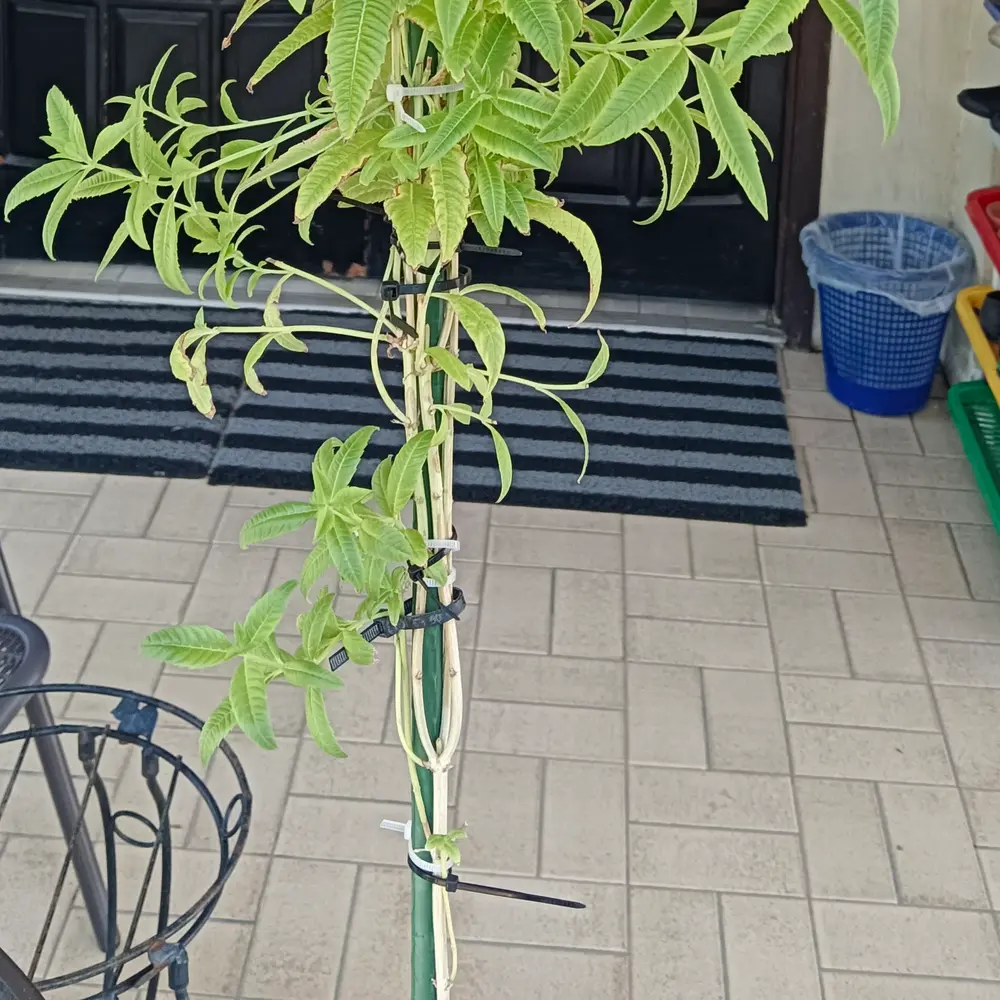
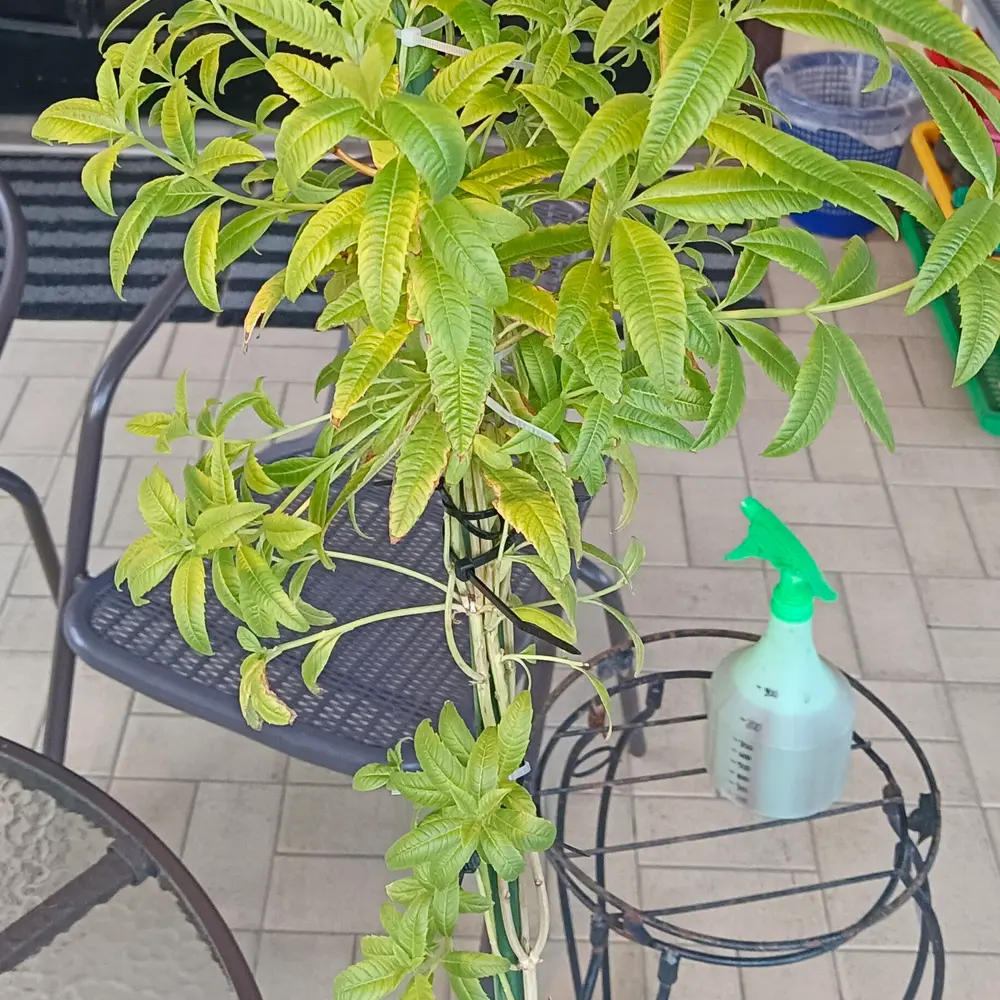
Beyond the curl, look for companion symptoms: leaves turning yellow, brown spots, or a general droopiness. These are the plant's version of a white flag, signaling it's time to intervene.
Common Culprits Behind Leaf Curling
🐞 Battle Against Bugs
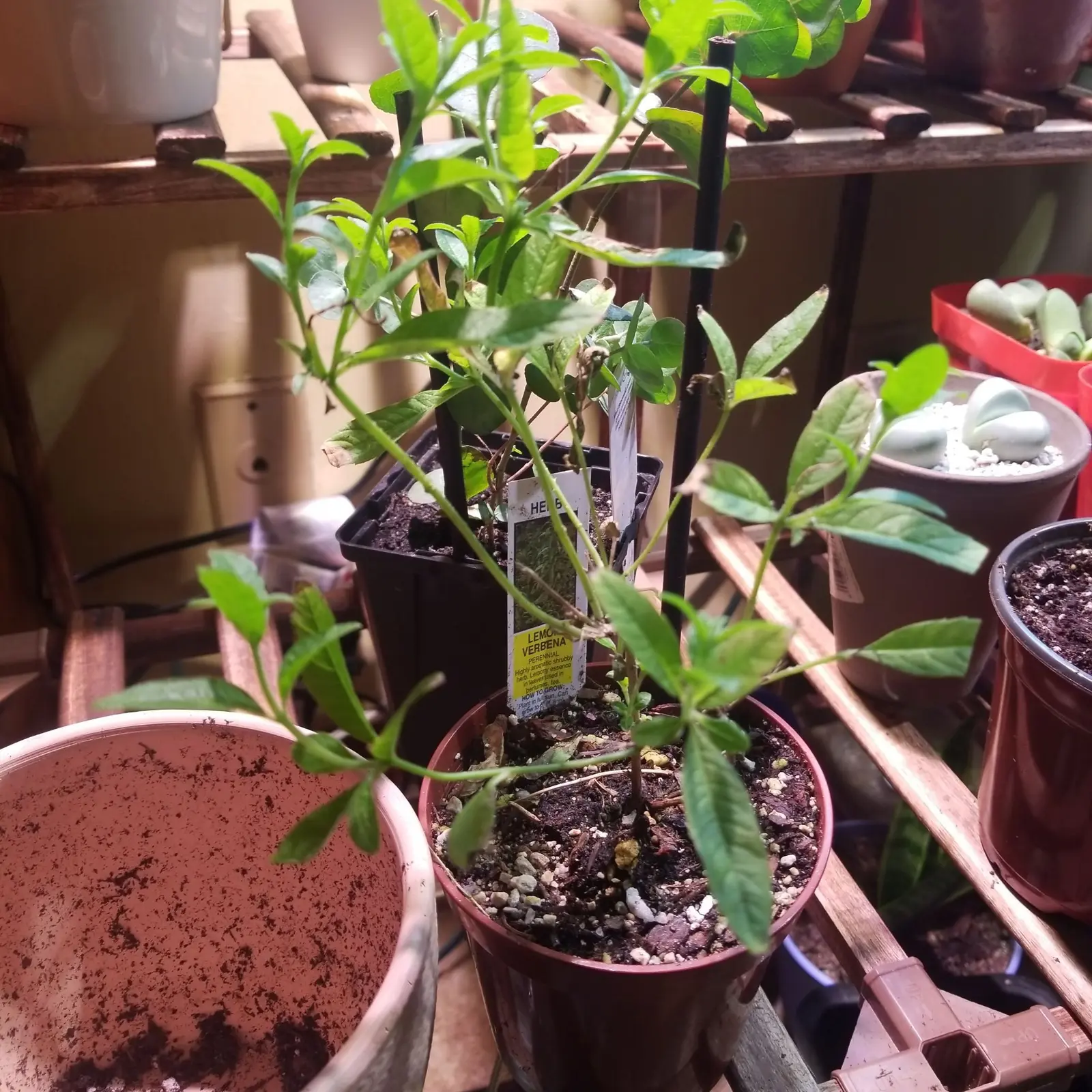
Aphids and spider mites are the usual suspects when it comes to curled leaves on your Lemon Verbena. These pests are like the stealthy ninjas of the garden, often going unnoticed until the damage is done. Aphids, those tiny green vampires, suck the life out of leaves, leaving them deformed and curled. Spider mites, on the other hand, spin their fine webs and leave behind yellow speckling as a sign of their feast on your plant's sap.
Identifying Specific Symptoms
- Spider mites: Look for fine webs and yellow speckling.
- Aphids: Tiny green insects sucking the sap, causing deformation.
🍄 Fungal Foes
Fungal diseases, like powdery mildew, are another archenemy of Lemon Verbena. This particular fungus is like a white, powdery graffiti artist, leaving its mark on the leaves. The result? Leaves that curl and distort as if they've been through a carnival mirror.
Recognizing Diseases
- Powdery mildew: A white, powdery coating on the leaves.
- Other fungi: Look for unusual spotting or growths.
💊 Remedies and Prevention Strategies
For pests, consider giving your plant a spa day with a soapy cloth wipe-down or a spritz of diluted isopropyl alcohol. If the party's still raging, bring in the bouncers—insecticidal soap or neem oil. For fungi, it's time to play surgeon—remove affected foliage with sterilized shears and treat with a fungicide. But remember, the best offense is a good defense: keep those leaves dry and the air moving to prevent future fungal gatecrashers.
Nailing the Right Care Routine
💧 Water Wisdom
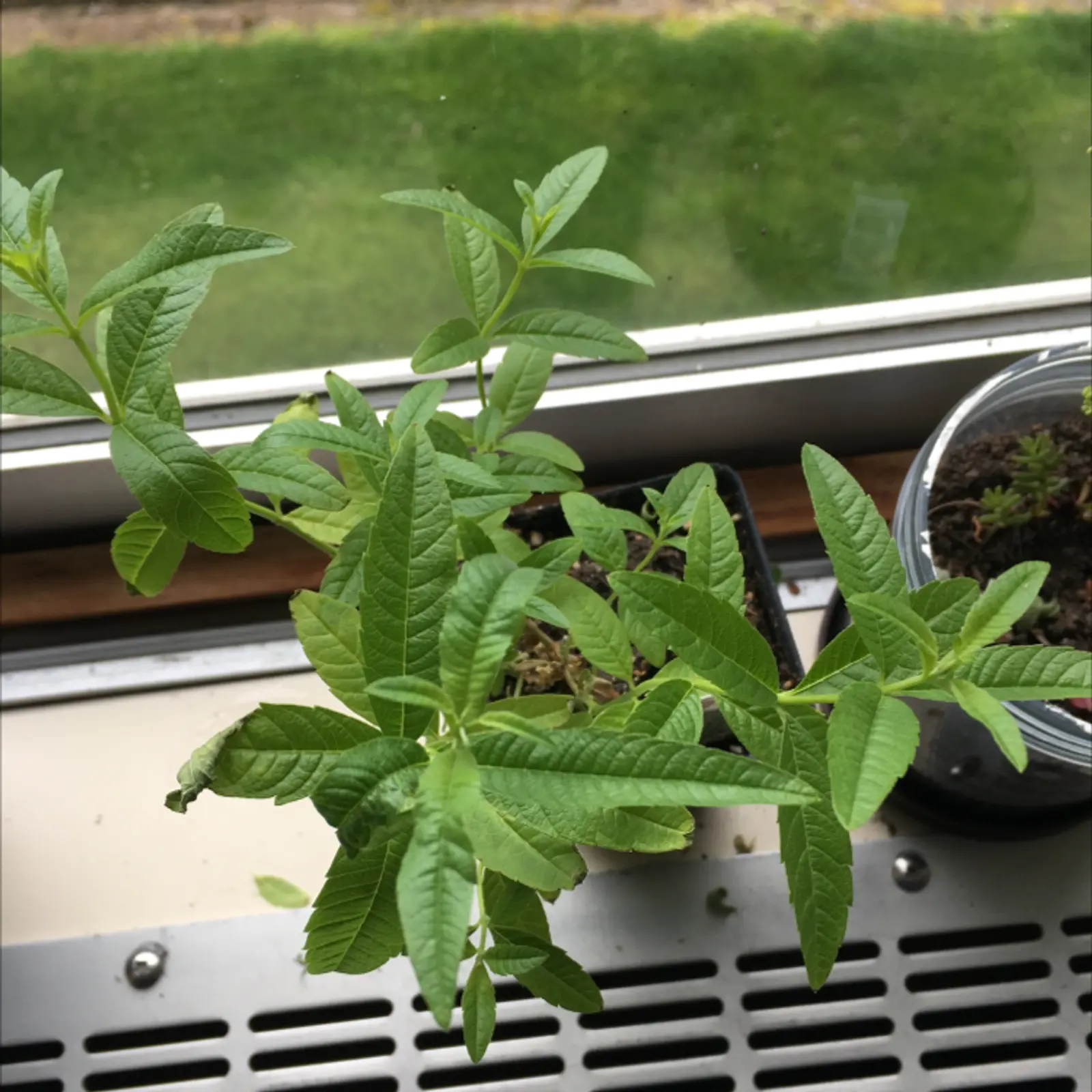
Watering your Lemon Verbena is a delicate dance. Too much and the roots will throw in the towel, too little and the leaves start the curling tango. Check the top inch of soil; if it's dry, it's showtime for watering. But hold the applause—let the soil dry out before the next watering encore.
Soil Savvy
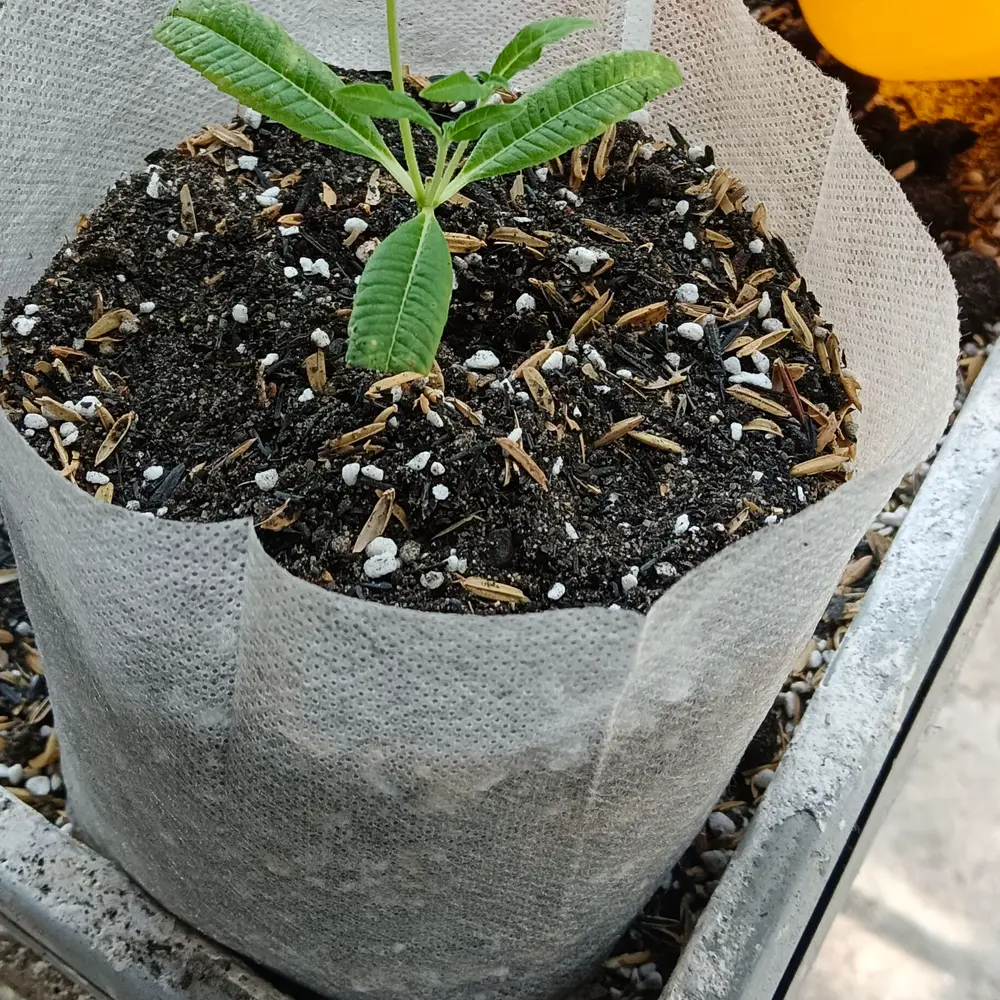
Your Lemon Verbena's roots crave a well-draining stage. Mix in some perlite or sand to keep the soil mix light on its feet. Compacted soil is the villain of this play, suffocating roots and prompting those dreaded leaf curls. Aim for a soil composition that's more ballroom, less mosh pit.
Feeding Your Lemon Verbena Right
💡 Nutrient Know-How
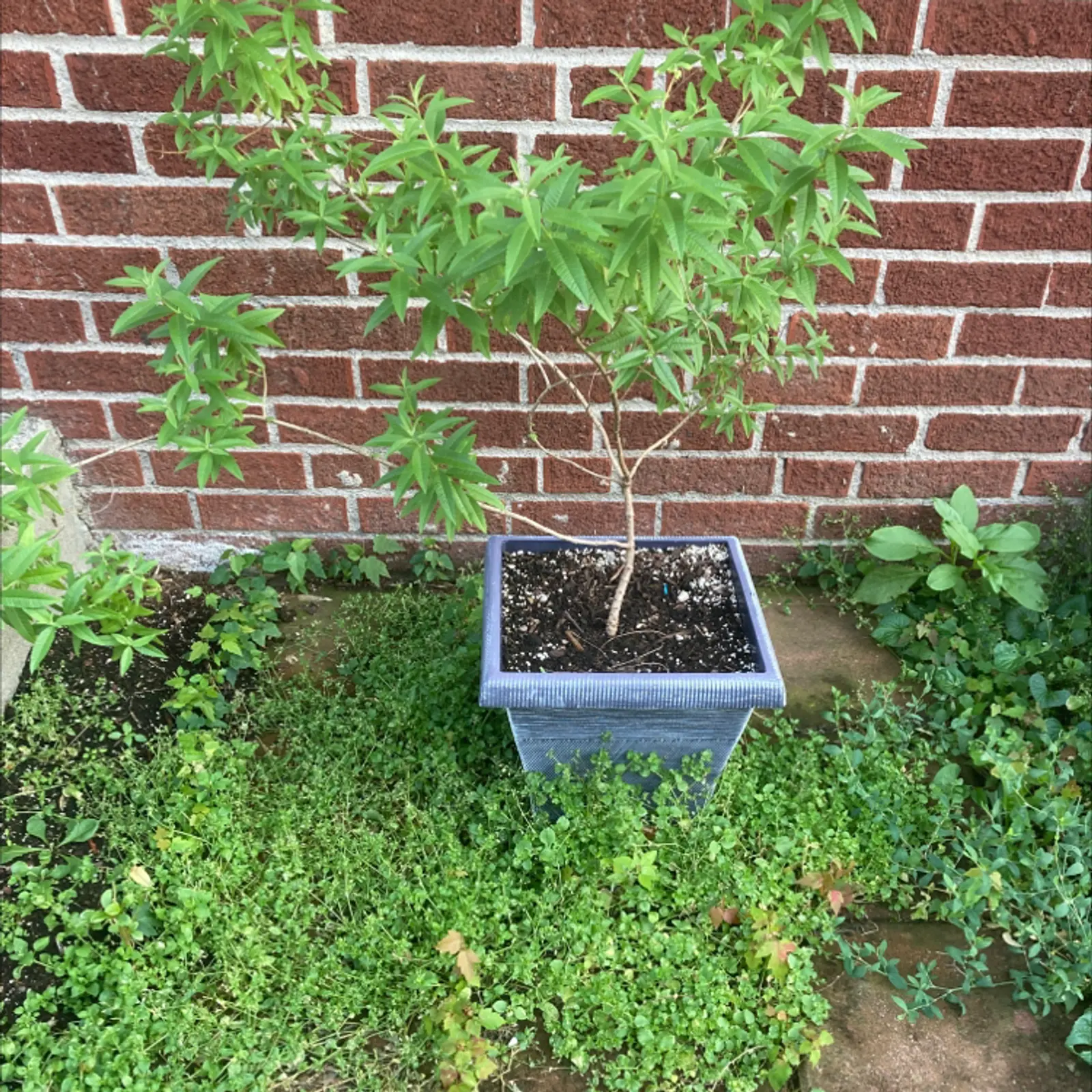
Lemon Verbena's leaves curling? Nutrient deficiencies might be the silent culprits. A lack of essentials like nitrogen, potassium, and magnesium can leave your plant's leaves looking more like a crumpled napkin than lush foliage. To correct this, you'll want to play plant nutritionist—start by testing your soil to pinpoint exactly what's missing.
🍽️ Fertilizer Facts
Choosing the right fertilizer is like picking the perfect seasoning—it can make or break your Lemon Verbena's health. Opt for a balanced, water-soluble fertilizer with an NPK ratio like 5-5-5. This is the plant equivalent of a well-rounded meal. But remember, moderation is key—overfeeding leads to nutrient burn, and nobody likes a burnt meal. If you've been heavy-handed, flush the soil to clear out the excess. It's like hitting the reset button on your plant's root system.
Regularly fertilizing with compost or manure tea can also keep your Lemon Verbena in top shape. Think of it as the occasional herbal tea for your herb—it's soothing and packed with nutrients. And if you're feeling adventurous, consider a plant probiotic supplement to boost soil fertility and your plant's ability to absorb those tasty nutrients. Just like you'd take a probiotic to aid digestion, your plant could use a little help too.
Turning Things Around for Curled Leaves
🌡️ Adjusting the Environment
In the quest to unfurl those Lemon Verbena leaves, think of yourself as a plant's personal meteorologist. Temperature and humidity are your prime suspects in leaf curling crimes. Aim for that spring day vibe—moderate warmth without turning your plant into a sunbather or an ice sculpture. If the air's drier than a stand-up comedian's wit, consider a humidifier or a pebble tray to up the moisture. Air circulation should be like a soft background music, enough to keep the air fresh without blasting your plant with gale-force winds.
🐜 Pest and Disease Defense
When it comes to pests and diseases, it's a full-on spy game. Regular plant check-ups are your surveillance—catch those aphids and spider mites red-handed before they turn your Lemon Verbena into their personal buffet. If you spot trouble, don't just stand there—act. Neem oil is like the bouncer at the club, keeping the riff-raff out. And if you've got a full-blown infestation, it's pesticide time, but remember: it's a targeted strike, not carpet bombing. Keep the foliage dry to avoid fungal parties and rotate your pots like a DJ spins records, for even growth and disease deterrence. Stay sharp, stay vigilant, and your Lemon Verbena will thank you with perfectly poised leaves.
⚠️ Safety First
This content is for general information and may contain errors, omissions, or outdated details. It is not medical, veterinary advice, or an endorsement of therapeutic claims.
Always consult a qualified healthcare professional before using any plant as food, medicine, or supplement.
Never eat any plant (or feed one to pets) without confirming its identity with at least two trusted sources.
If you suspect poisoning, call Poison Control (800) 222-1222, the Pet Poison Helpline (800) 213-6680, or your local emergency service immediately.
Spotted an error? Please report it here.
Keep your Lemon Verbena thriving 🌿 by using Greg to monitor for pests and create the perfect watering schedule, ensuring those leaves stay beautifully uncurled.