Step-by-Step Guide to Growing Lemon Verbena Indoors 🍋
Aloysia citrodora
By the Greg Editorial Team
Jan 06, 2025•5 min read
This article was created with the help of AI so we can cover more plants for you. May contain errors. See one? Report it here.
- 🌞 Lemon verbena needs 6-8 hours of sunlight daily for optimal growth and fragrance.
- 💧 Water every 1-2 weeks; check soil moisture to avoid yellowing leaves and root rot.
- 🌿 Maintain humidity between 40-60% to prevent leaf curling and browning tips.
Light Requirements
Ideal Indoor Light Levels 🌞
Lemon verbena thrives on full sun exposure, requiring 6-8 hours of direct sunlight daily. Bright light is crucial not only for healthy growth but also for enhancing the plant's delightful fragrance.
Using Grow Lights 💡
When natural light is scarce, such as during winter months or in dimly lit rooms, grow lights become essential. The best options for lemon verbena are full-spectrum LED or fluorescent lights, which mimic natural sunlight effectively.
Placement of Grow Lights
Position your grow lights 6-12 inches above the plant. As your lemon verbena grows, be sure to adjust the height of the lights to maintain optimal light exposure.
With the right light conditions, your lemon verbena will flourish, setting the stage for the next crucial aspect of its care: watering needs.
Watering Needs
Watering Techniques 🌊
Maintaining consistent moisture is crucial for your Lemon Verbena's health. However, be cautious—overwatering can lead to serious issues like yellowing leaves, wilting, and root rot.
Watering Schedule 📅
To keep your plant thriving, follow this simple watering schedule:
- Check soil moisture: Stick your finger about 1 inch into the soil to gauge moisture levels.
- Watering frequency: Aim to water every 1-2 weeks, adjusting based on your indoor conditions.
- Best time to water: Early morning or late afternoon is ideal to minimize evaporation.
By adhering to these guidelines, you'll help your Lemon Verbena flourish indoors. Next, let’s explore how to control humidity for optimal growth.
Humidity Control
🌬️ Ideal Humidity Levels
Maintaining the right humidity is crucial for your lemon verbena's health. Aim for an optimal humidity range of 40-60% to keep your plant thriving.
Low humidity can lead to issues like leaf curling and browning tips. These signs indicate that your plant is struggling, so it's essential to monitor and adjust the humidity levels accordingly.
💧 Humidity Control Methods
Using a Humidifier
One effective way to manage humidity is by using a humidifier. Set it to maintain the desired humidity levels, especially during dry seasons.
🪨 Pebble Trays
Another simple method is to create a pebble tray. Fill a shallow tray with water and pebbles, then place your pot on top. As the water evaporates, it will increase the humidity around your plant.
🌱 Grouping Plants
Grouping your plants together can also help. This technique increases local humidity through transpiration, creating a mini ecosystem that benefits all your plants.
By implementing these humidity control methods, you can ensure your lemon verbena remains healthy and vibrant. Next, let’s explore the best soil and fertilization practices to support its growth.
Soil and Fertilization
🌱 Best Soil for Lemon Verbena
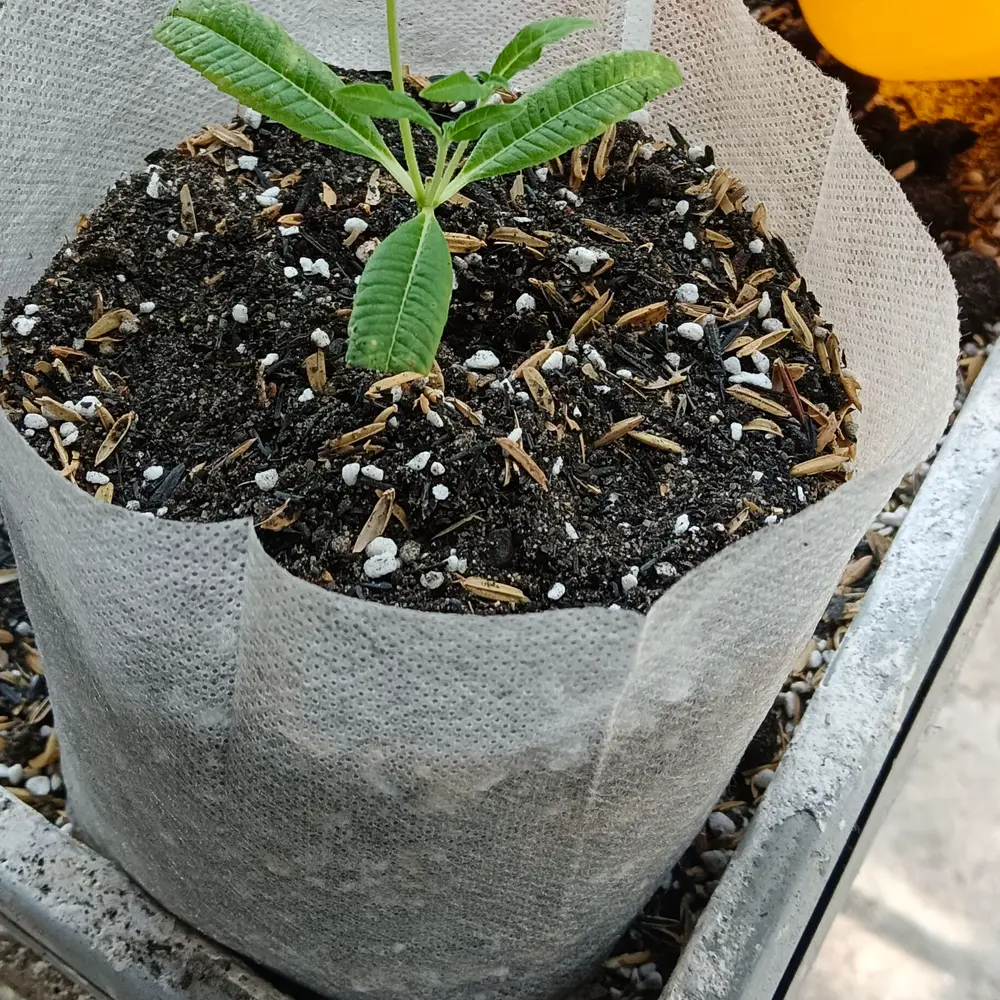
To thrive, Lemon Verbena needs a well-draining potting mix. A combination of peat moss, perlite, and compost creates the ideal environment for healthy root development.
The soil pH should be slightly acidic to neutral, ideally between 6.0 and 7.0. This range ensures that the plant can absorb nutrients effectively.
🌿 Fertilization Needs
Lemon Verbena benefits from regular feeding during its growing season. Fertilize every 4-6 weeks in spring and summer to promote robust growth.
For the best results, use a balanced liquid fertilizer, such as NPK 10-10-10, or consider organic options like fish emulsion. These choices provide essential nutrients without overwhelming the plant.
💧 Application Techniques
When applying fertilizer, follow these simple steps:
- Dilute the fertilizer according to package instructions to avoid burning the roots.
- Apply it to moist soil, which helps prevent root burn and ensures even distribution.
- Avoid fertilizing during dormancy in fall and winter, as the plant's nutrient needs decrease significantly.
By following these guidelines, you can ensure your Lemon Verbena remains healthy and vibrant throughout its growing season. Next, let’s explore common issues and maintenance tips to keep your plant thriving.
Common Issues and Maintenance
🐛 Identifying and Preventing Pests
Lemon verbena can attract common pests like aphids, spider mites, and whiteflies. Regular inspections are crucial; catching these pests early can save your plant from significant damage.
To maintain plant health, ensure your lemon verbena is thriving. A healthy plant is less likely to attract pests, so focus on providing optimal light, water, and nutrients.
🍃 Addressing Yellowing Leaves and Other Problems
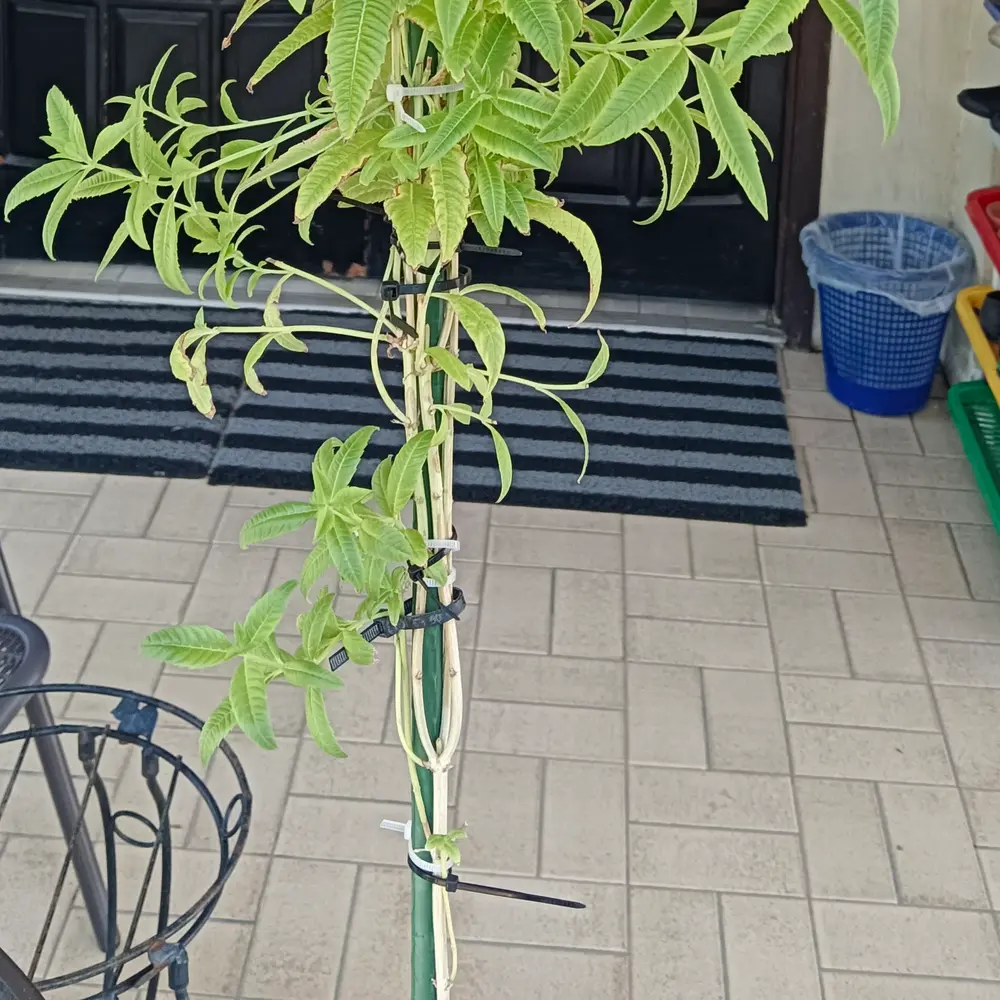
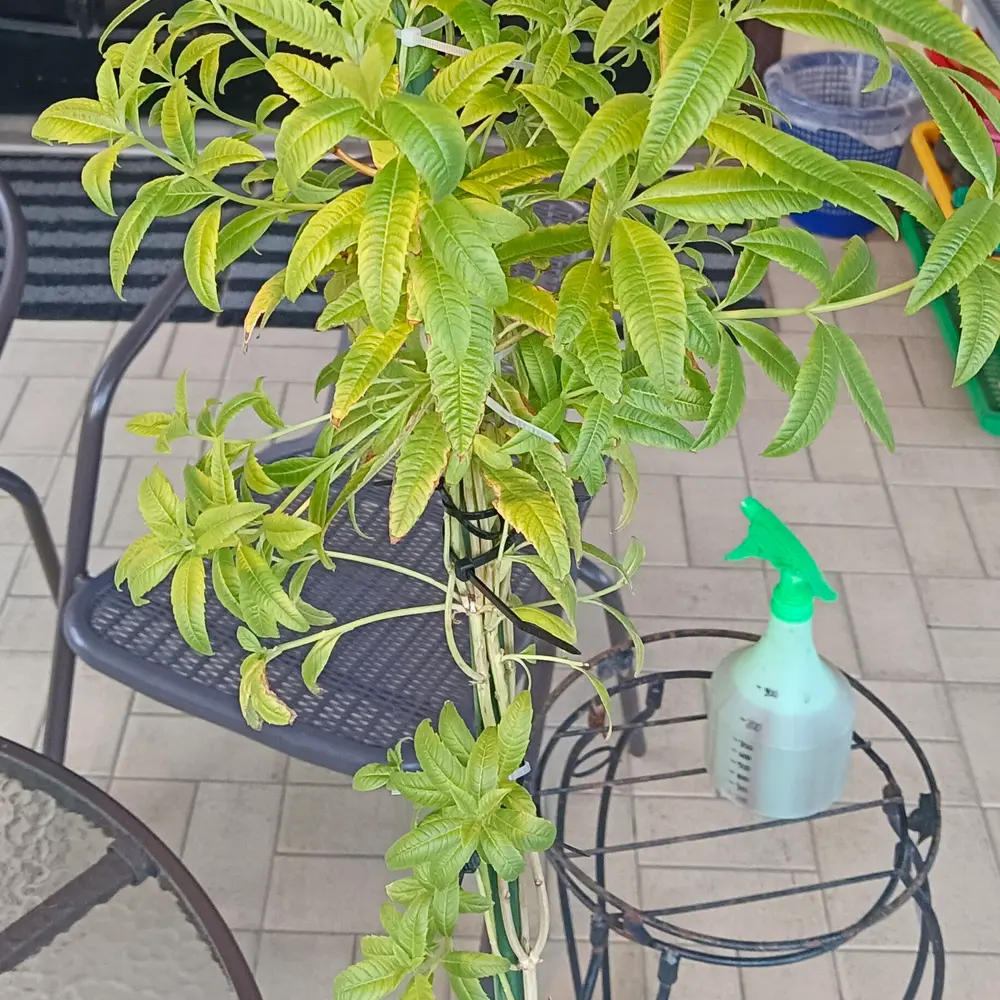
Yellowing leaves can signal various issues, including overwatering, nutrient deficiency, or insufficient light. Identifying the cause is key to restoring your plant's health.
If you notice yellowing, first check your watering schedule. Adjust as needed, and consider fertilizing or improving light exposure to help your lemon verbena bounce back.
✂️ Pruning and Seasonal Care
Regular pruning is essential for encouraging bushier growth and preventing legginess. Trim back any overly long stems to promote a fuller appearance.
As seasons change, adjust your watering and fertilization practices accordingly. During winter, keep an eye on humidity levels, as indoor air can become quite dry.
By staying proactive with these maintenance tips, you can ensure your lemon verbena remains healthy and vibrant throughout the year. Next, let’s explore the best soil and fertilization practices to support your plant's growth.
⚠️ Safety First
This content is for general information and may contain errors, omissions, or outdated details. It is not medical, veterinary advice, or an endorsement of therapeutic claims.
Always consult a qualified healthcare professional before using any plant as food, medicine, or supplement.
Never eat any plant (or feed one to pets) without confirming its identity with at least two trusted sources.
If you suspect poisoning, call Poison Control (800) 222-1222, the Pet Poison Helpline (800) 213-6680, or your local emergency service immediately.
Spotted an error? Please report it here.
Grow vibrant lemon verbena indoors 🌿 with Greg's personalized watering reminders and humidity tips, ensuring you enjoy its delightful fragrance all year round!