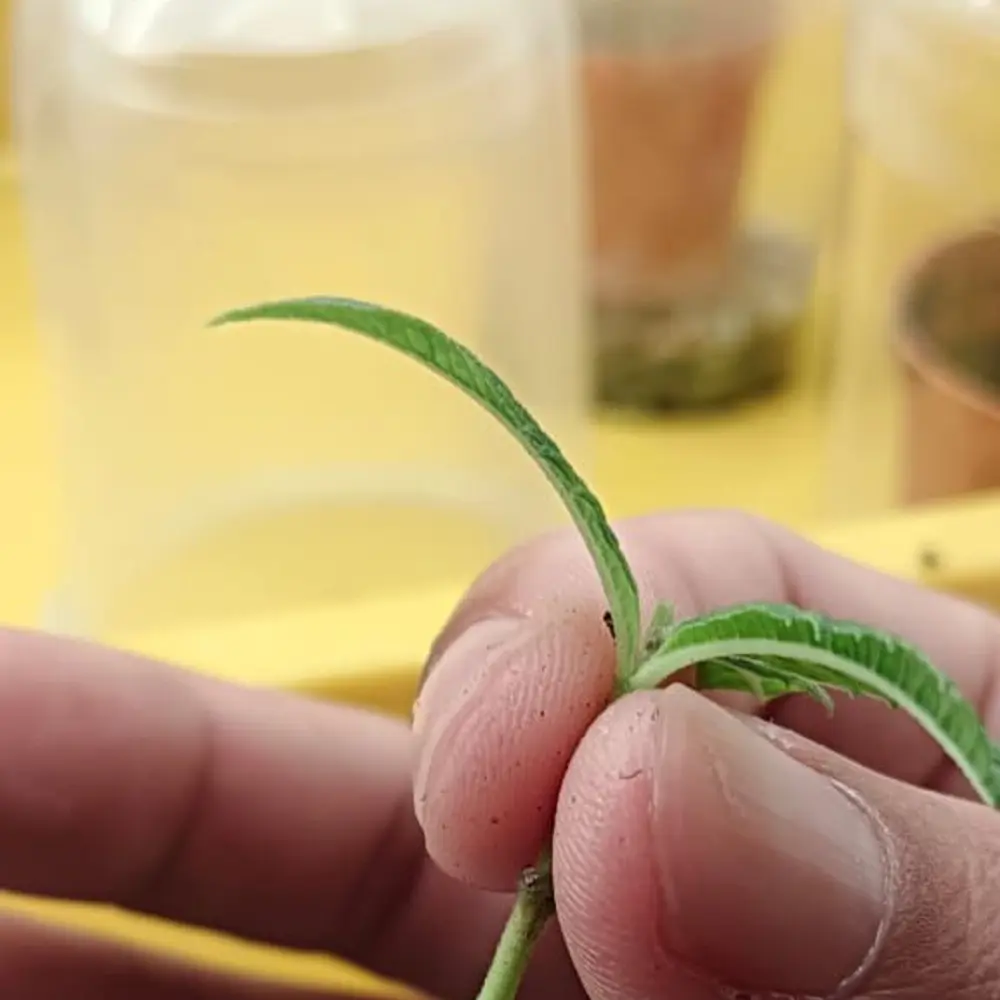
🍋 How Frequently Should I Water My Lemon Verbena?
Aloysia citrodora
By the Greg Editorial Team
Jun 18, 2024•4 min read
This article was created with the help of AI so we can cover more plants for you. May contain errors. See one? Report it here.
- Wilting leaves signal dehydration, while yellow leaves indicate overwatering.
- Seasonal adjustments are key: more water in summer, less in winter.
- Deep watering and mulching promote healthier, drought-resistant plants.
When to Water: Reading Your Lemon Verbena's Thirst Cues
🌱 Spotting Thirsty Leaves
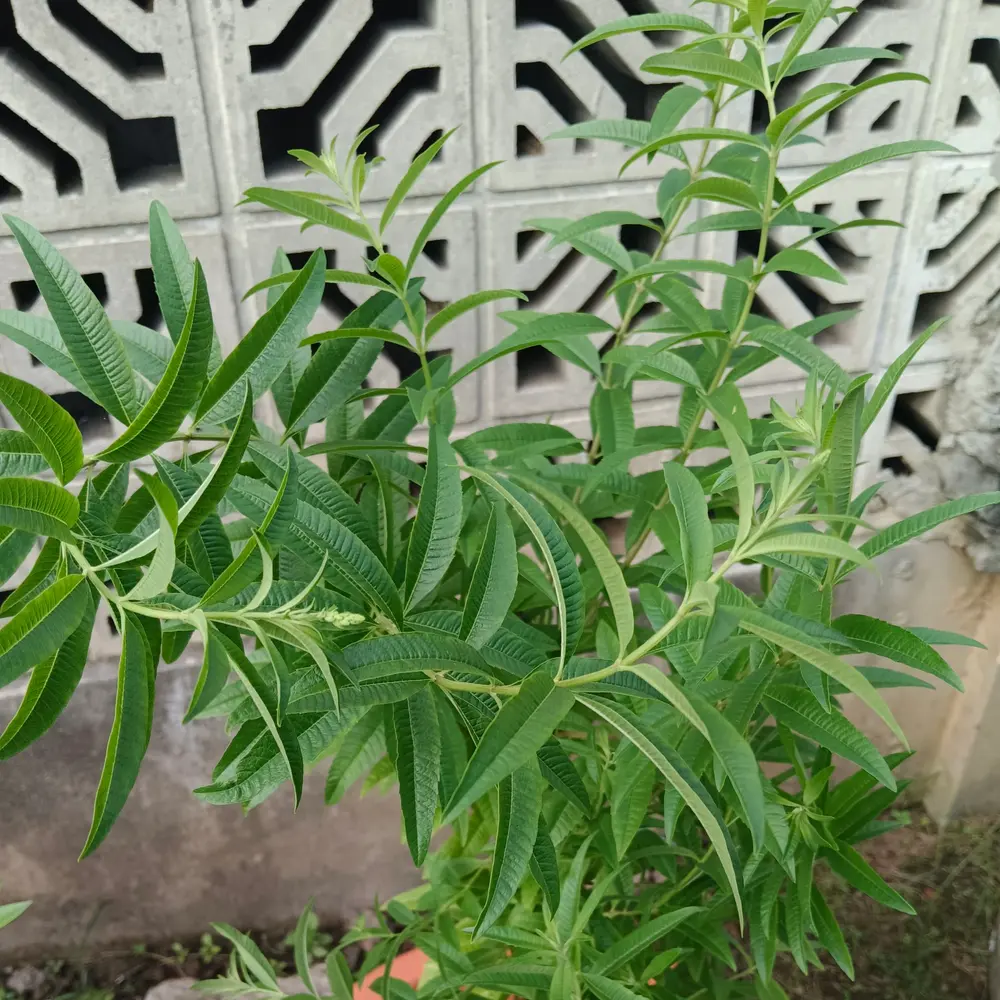
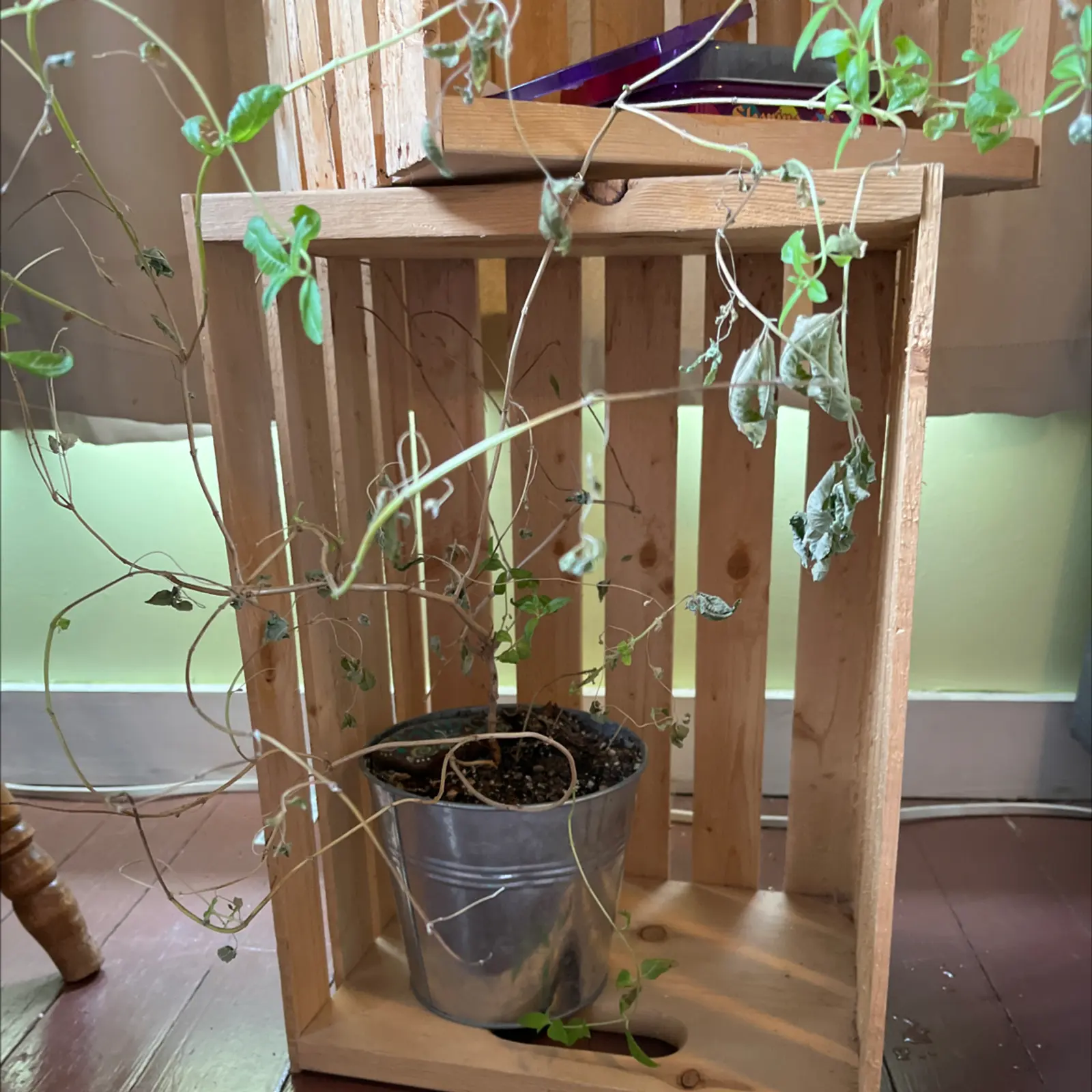
Wilting is your lemon verbena's non-verbal SOS; it's a clear signal that your plant is dehydrated. If the leaves resemble crumpled paper, it's high time for a drink. Conversely, leaves that have more brown tips than a seasoned barista's tip jar are pleading for hydration.
🌊 The Dangers of Drowning
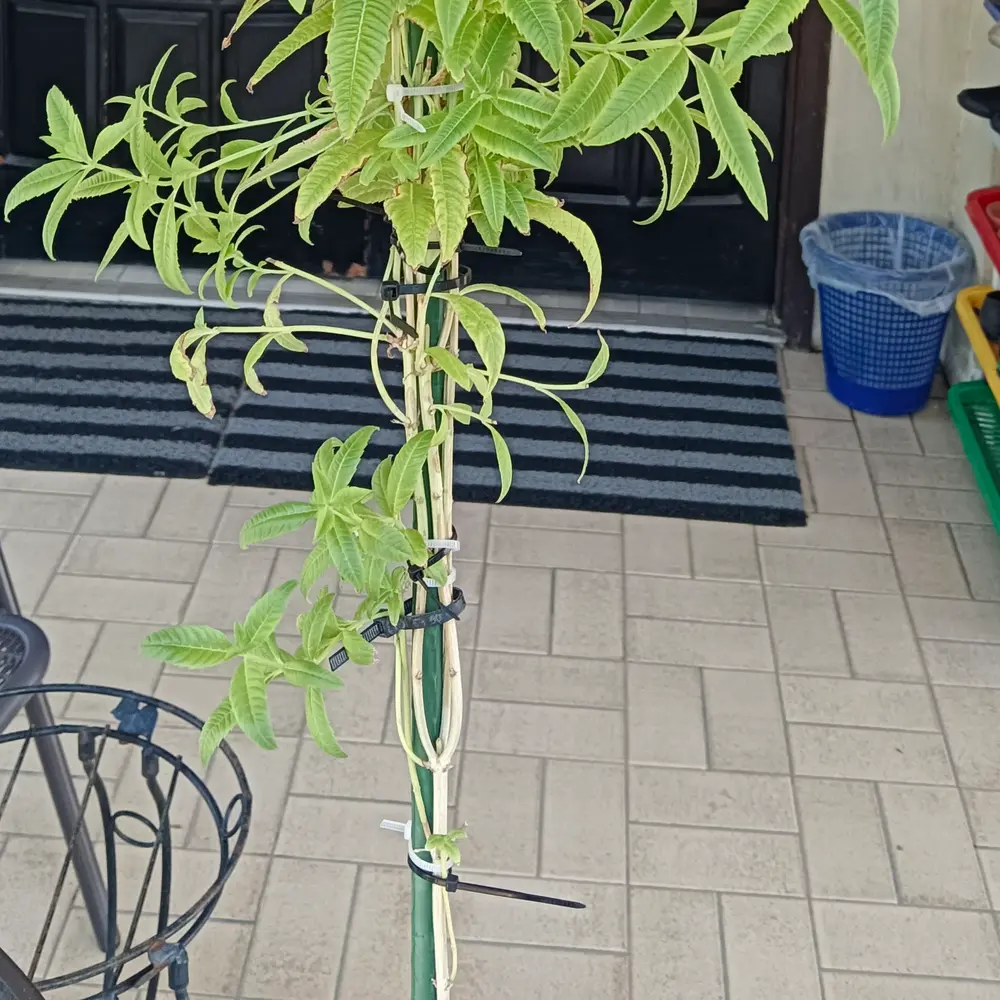
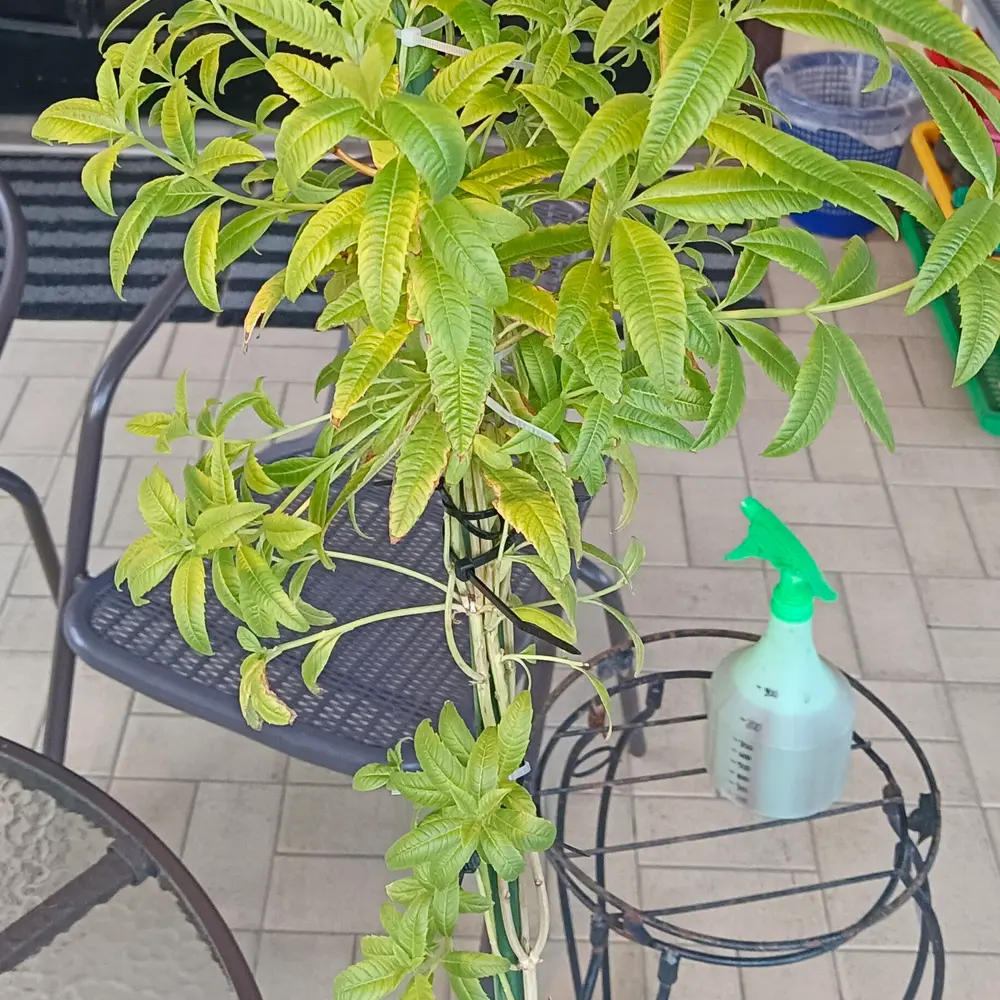
Overwatering is the silent killer in the plant world. Yellow leaves creeping back from the tips are your first red flag. If the stem feels as mushy as overripe fruit, you've probably overdone it. And if you spot blisters on the underside of leaves, it's a definite cry for less water. Remember, a thirsty lemon verbena is preferable to a drowned one.
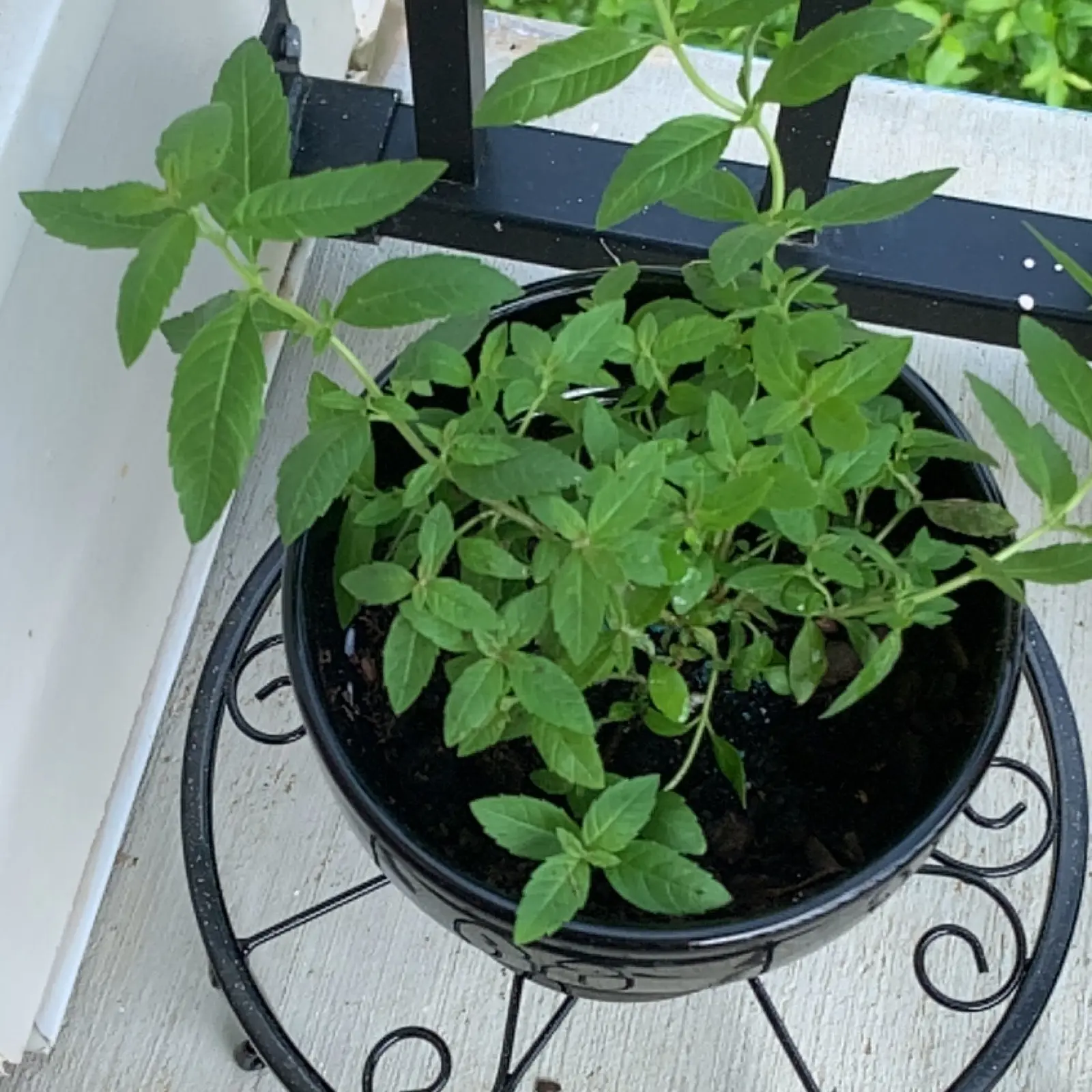
Seasonal Watering Rhythms
🌞 Summer Sips and Winter Gulps
In the summer, your lemon verbena is like a teen at a pool party—thirsty. The plant's metabolism is in overdrive, and it's cranking out growth. Increase watering to keep up with its demands, but don't turn your soil into a swamp. The goal is moist, not soggy.
Come winter, lemon verbena slows down, like a bear hibernating. It's not looking to chug water; it's more about the occasional sip. Reduce your watering frequency; let the soil dry out a bit more between drinks to prevent root rot. It's a delicate dance of attentiveness.
🌦️ Weather Whims
When a heatwave strikes, your lemon verbena might as well be sunbathing in the Sahara. It'll need extra hydration to cope with the scorching temps, so don't skimp on the water. Think of it as providing a refreshing mist with a fan.
Conversely, during a rainy spell, your plant could be drowning in excess love from the skies. Ease up on the watering can; nature is picking up your slack. Keep an eye on the forecast and adjust accordingly—your lemon verbena will thank you for not washing it away.
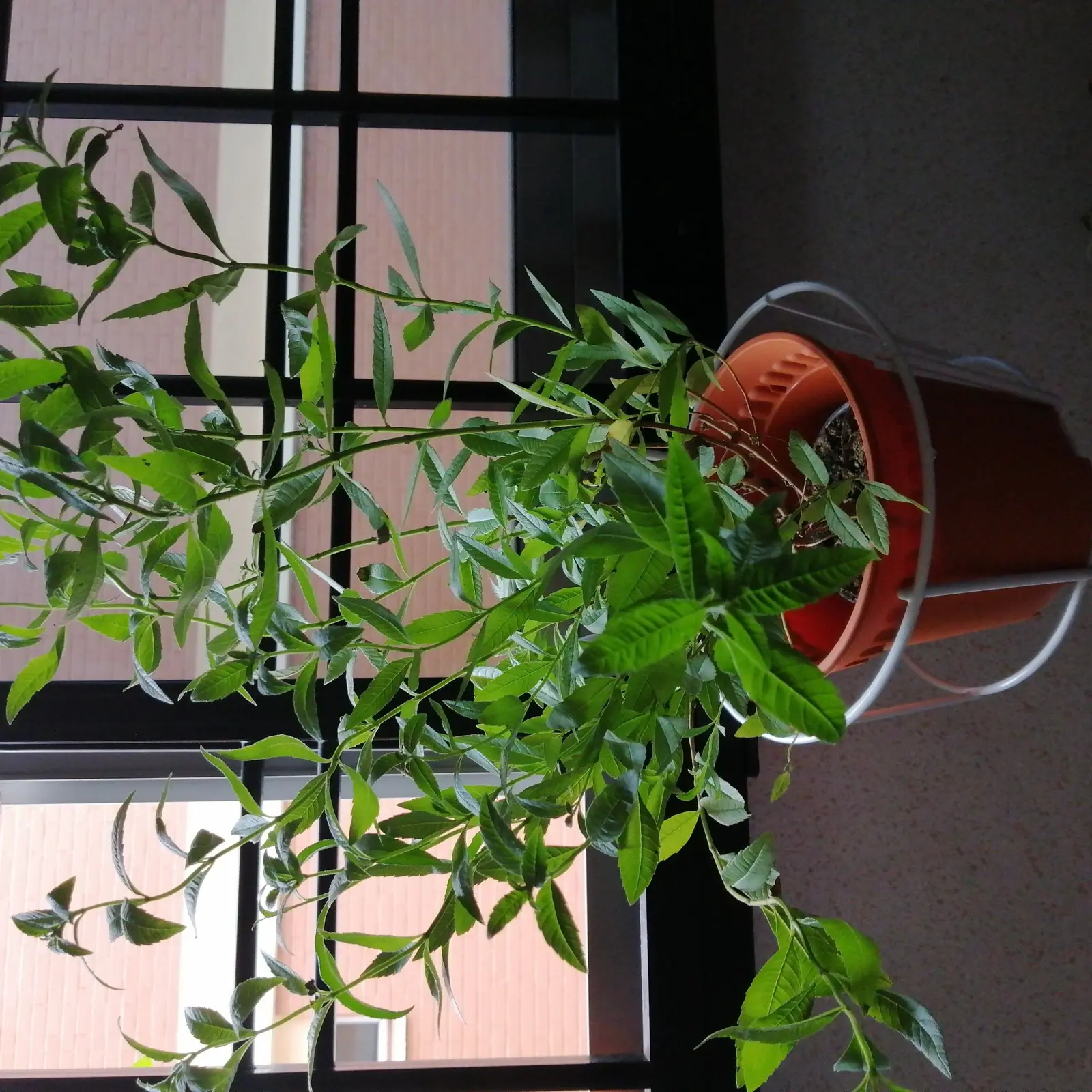
The Perfect Drink: Watering Techniques for Lemon Verbena
💧 Deep Watering vs. Light Spritzing
Deep watering is like a full meal for your lemon verbena, encouraging roots to reach further into the soil, building a robust system. It's about giving the plant a thorough soak, ensuring that the water penetrates down to the root zone. This method is preferable to frequent light spritzing, which can lead to shallow root growth and a plant that's more vulnerable to drought.
On the flip side, light spritzing is akin to snacking – not quite satisfying and potentially habit-forming. While it might seem like a gentle way to water, it can leave your plant's deeper roots thirsting for more. It's okay for a quick moisture fix, but don't make it the main event.
🌱 Mulching for Moisture
Mulch is your lemon verbena's best friend. It's like a cozy blanket that keeps soil moisture consistent and temperature fluctuations at bay. By adding a layer of organic mulch around your plant, you're helping to retain water, suppress weeds, and add a slow release of nutrients back into the soil.
Think of mulch as the ultimate wingman for water. It helps prevent the soil from drying out too quickly, meaning you can water less often. But remember, moderation is key – a mulch layer that's too thick can become waterlogged and smother your plant. A few inches should do the trick.
Tailoring Watering to Your Environment
💧 The Role of Soil and Sun
Your lemon verbena's thirst is dictated by soil and sunlight. Like a sponge, sandy soil drains quickly, screaming for more water. Clay, on the other hand, is your stingy aunt, holding onto moisture for dear life. Sunlight is your plant's personal trainer, ramping up its water needs with every extra ray. Less sun means less water; it's that simple.
🌱 Pot Size and Plant Size
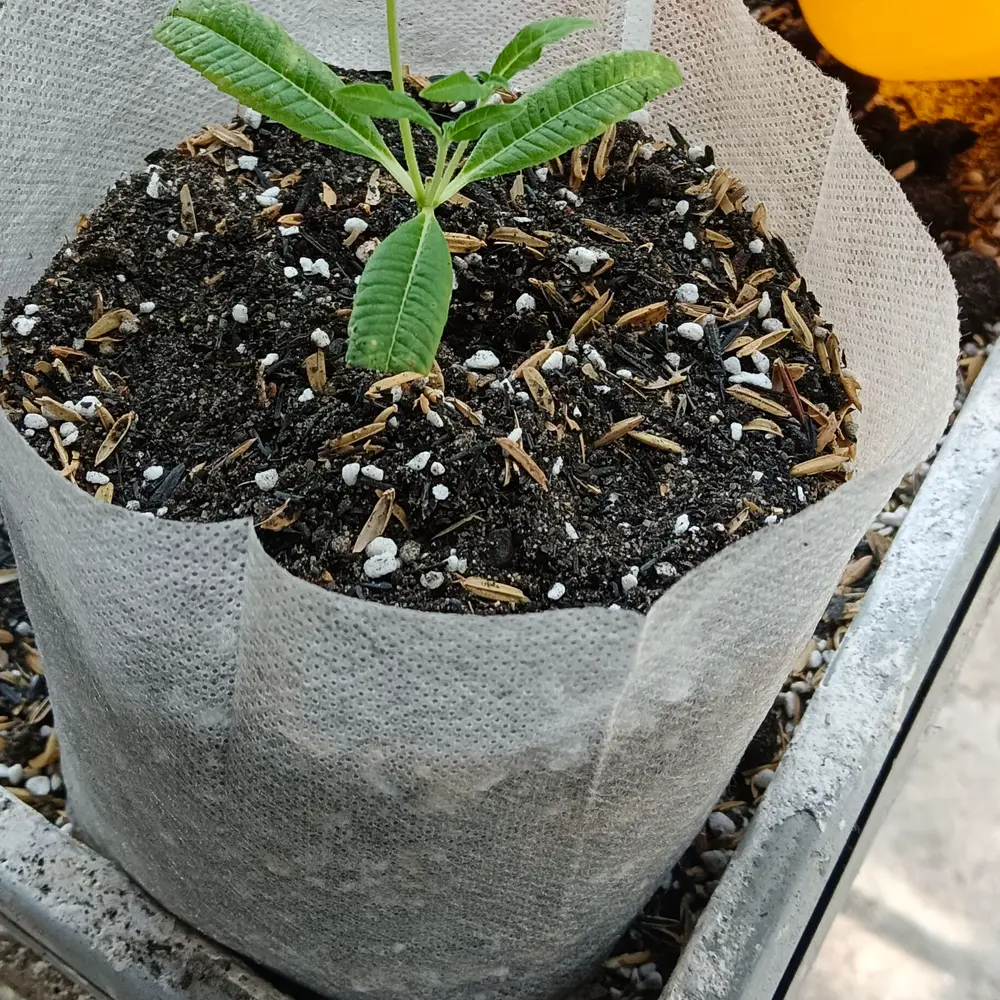
Pot size matters more than you'd think. Small pots dry out faster than a gossip's news, so they'll need watering more often. Large pots are the marathon runners, holding onto water for the long haul. And don't forget about plant size. Young plants are like teens, unpredictable and constantly changing. Mature plants, however, have their routine down pat. Adjust your watering to match their life stage, and you'll avoid the drama.
⚠️ Safety First
This content is for general information and may contain errors, omissions, or outdated details. It is not medical, veterinary advice, or an endorsement of therapeutic claims.
Always consult a qualified healthcare professional before using any plant as food, medicine, or supplement.
Never eat any plant (or feed one to pets) without confirming its identity with at least two trusted sources.
If you suspect poisoning, call Poison Control (800) 222-1222, the Pet Poison Helpline (800) 213-6680, or your local emergency service immediately.
Spotted an error? Please report it here.
Ensure your lemon verbena thrives in every season by letting Greg tailor a dynamic watering plan 🌦 that responds to your plant's changing needs and your unique environment.