🍋 Should I Repot My Lemon Verbena?
Aloysia citrodora
By the Greg Editorial Team
Jun 18, 2024•4 min read
This article was created with the help of AI so we can cover more plants for you. May contain errors. See one? Report it here.
- Root-bound or poor drainage? Time to repot your Lemon Verbena.
- Choose the right pot: Terracotta breathes, plastic retains moisture, ceramic balances.
- Post-repot care: Water wisely and watch for stress signals.
Spotting the Tell-Tale Signs for Repotting
🌱 Root Tango in the Pot
Inspect your Lemon Verbena's roots. Root-bound plants have roots circling the pot's bottom or poking through drainage holes. This tangling indicates it's time for a new pot.
💧 Watering Woes
Observe the watering. If water zips through the pot, indicating more roots than soil, or if the plant sits in soggy soil, your Lemon Verbena is pleading for a repot.
🌿 Growth Grumbles
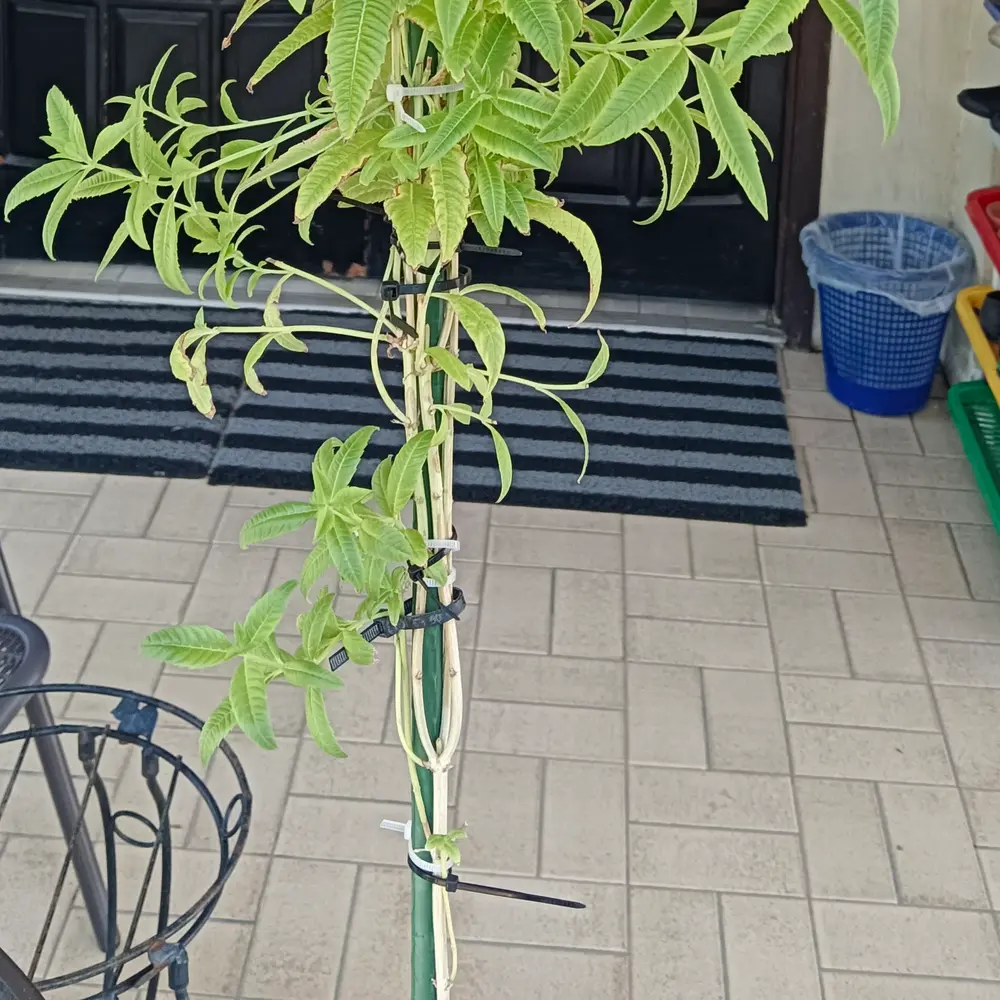
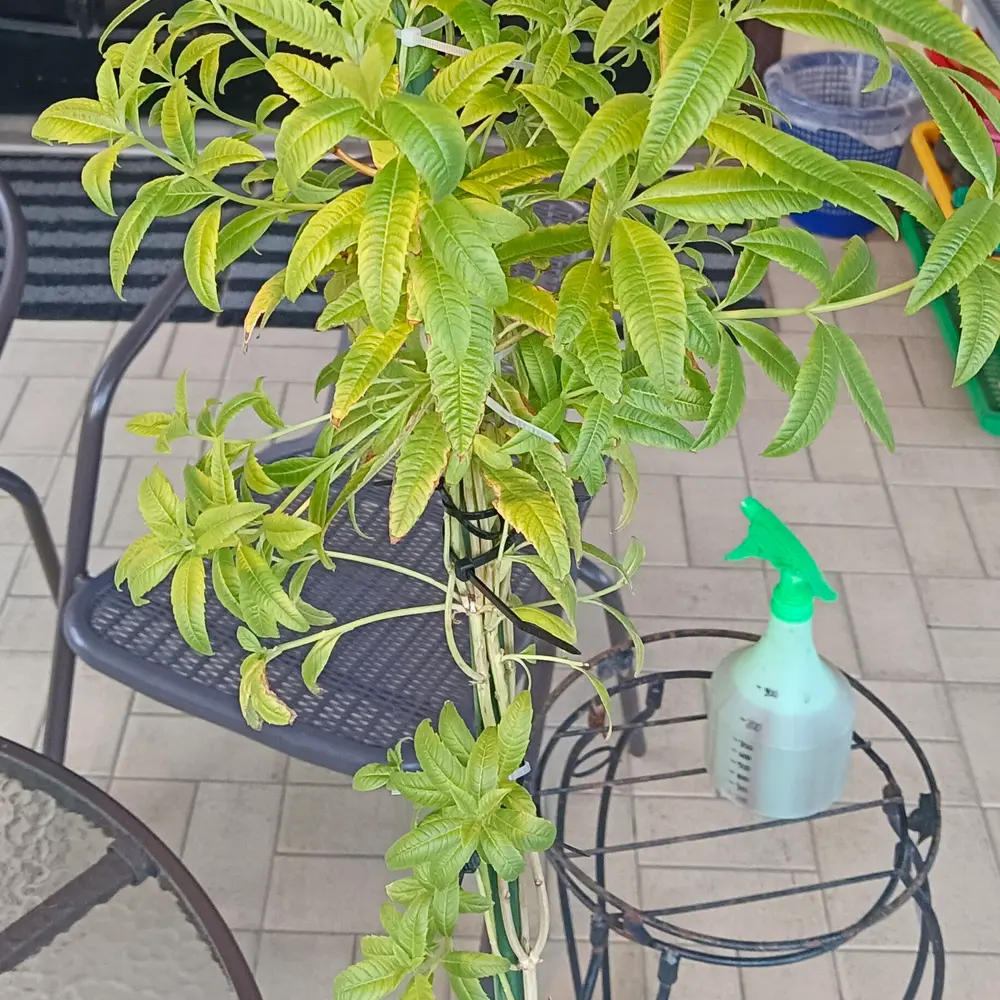
Monitor growth. Stunted growth isn't laziness; it's a cramped cry for help. Yellowing or brown leaves aren't a style choice; they signal distress. If growth has plateaued, it's time to consider a larger home.

The Great Pot Debate: Choosing Your Champion
🏺 Terracotta vs. Plastic vs. Ceramic
Terracotta pots, a classic choice, let Lemon Verbena's roots breathe and prevent waterlogging due to their porous nature. However, they dry out quickly, which means more frequent watering. In contrast, plastic pots are lightweight champions, making them easy to move and great for retaining moisture. But beware, they can lead to overwatering if you're not careful. Ceramic pots strike a balance; less porous than terracotta, they retain moisture without suffocating roots, and their weight adds stability.
📏 Size Matters
When it comes to pot size, think Goldilocks: not too big, not too small, just right. A pot that's about 25% larger than the current one is ideal. This gives your Lemon Verbena ample room to grow without drowning in excess soil that stays wet for too long. Remember, a snug fit encourages a robust root system, but too tight can strangle your plant's zest for life.

The Repotting Rodeo: A Step-by-Step Guide
🛠️ Pre-Repot Prep
Before you dive into the repotting process, assemble your tools. You'll need a new pot with drainage holes—preferably one size up from the current home of your Lemon Verbena. Block those holes with coffee filters or mesh to prevent soil escape. Have a fresh bag of potting mix, a trowel, gloves, and a watering can at the ready.
🌱 The Gentle Uproot
Time to evict your plant—but gently. Start by watering the plant lightly the day before to ease the transition. Squeeze the pot's sides and flip it, guiding the plant out. If it plays hard to get, run a knife around the inside edge to loosen the roots. Snip away any dead or excessively long roots to promote healthy growth.
🏡 Settling into the New Digs
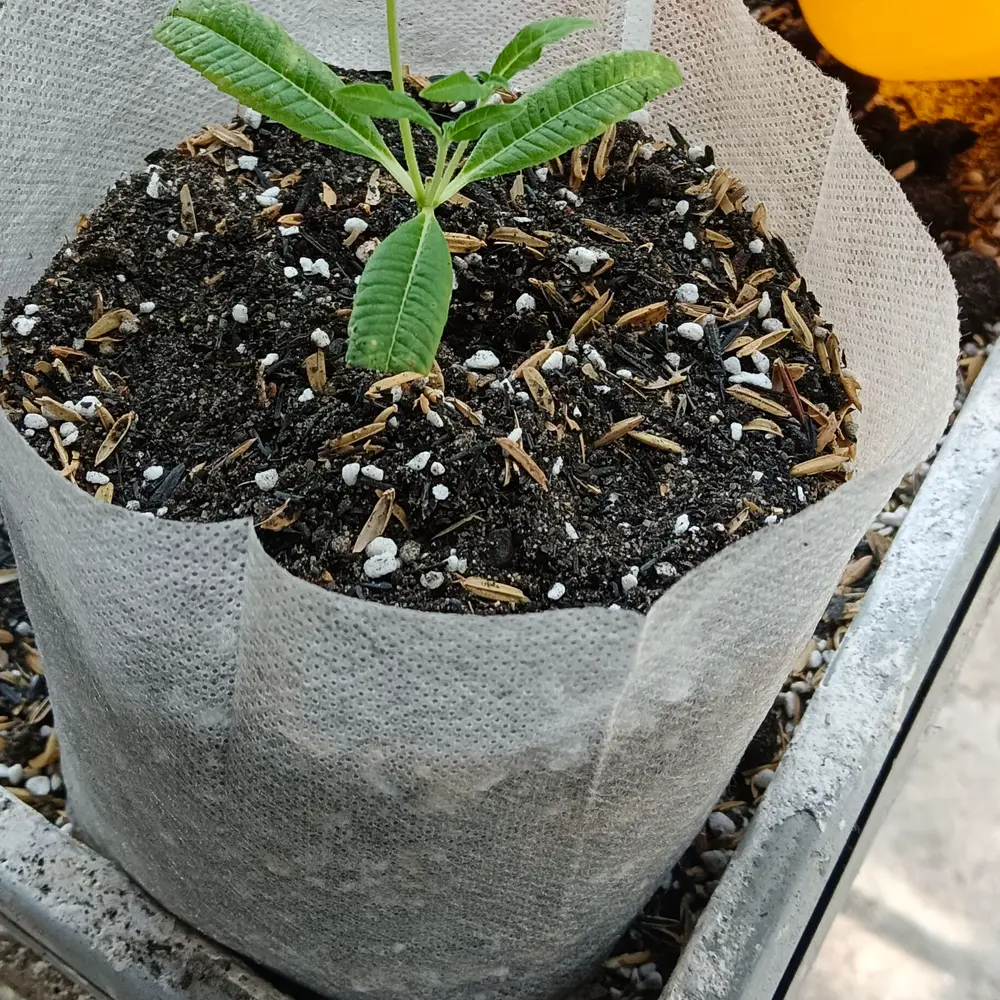
Now, create a welcoming bed with a layer of moist, but not soggy, potting mix at the bottom of the new pot. Position your Lemon Verbena at the same depth it was previously. Fill around the roots with more mix, tapping the pot to settle the soil without compacting it. Finally, water it well to help it settle in, but don't drown it—think of it as a toast to its new home, not a flood.

Immediate Aftercare: The First Few Weeks
💧 Watering Wisdom
In the initial weeks post-repotting, your Lemon Verbena's thirst levels are a bit like a teenager's mood—unpredictable. Water consistently, keeping the soil moist but not soggy. Imagine the soil as a wrung-out sponge; that's your moisture sweet spot. Overwatering invites root rot, while underwatering is just plain neglect. Skip the fertilizer for now; your plant's got enough on its plate.
Stress Signals
Post-repotting stress can turn your Lemon Verbena into a drama queen. Yellow leaves or a droopy posture are its way of saying, "I'm not okay." Keep a close eye on your plant, like a concerned plant parent watching over a toddler. Adjust your care routine—whether it's tweaking the watering schedule or finding a spot with the perfect lighting. Remember, patience is key; give your plant time to settle and spread its roots.
⚠️ Safety First
This content is for general information and may contain errors, omissions, or outdated details. It is not medical, veterinary advice, or an endorsement of therapeutic claims.
Always consult a qualified healthcare professional before using any plant as food, medicine, or supplement.
Never eat any plant (or feed one to pets) without confirming its identity with at least two trusted sources.
If you suspect poisoning, call Poison Control (800) 222-1222, the Pet Poison Helpline (800) 213-6680, or your local emergency service immediately.
Spotted an error? Please report it here.
Repot your lemon verbena with confidence as Greg's custom reminders 📅 help you monitor its progress and ensure a seamless transition to a bigger pot.