🍋 What To Do About Bugs on My Lemon Verbena?
Aloysia citrodora
By the Greg Editorial Team
Jun 18, 2024•5 min read
This article was created with the help of AI so we can cover more plants for you. May contain errors. See one? Report it here.
- 🕸️ Spider mites leave webbing; treat with water, soap, or predators.
- Scale insects resemble bumps, scrub off or use horticultural oil.
- Prevent pests with cleanliness, proper watering, and vigilant plant check-ups.
Spot the Invaders: Identifying Common Lemon Verbena Pests
🕷️ Spider Mites
Webbing is the spider mite's graffiti, signaling they've tagged your Lemon Verbena. Look for fine, silky strands and stippled leaves as a distress signal from your plant.
🕷️ The Spider Mite Smackdown: Effective Treatments
Blast these arachnid anarchists with water or apply insecticidal soap. For a more covert operation, introduce predatory mites to turn the tide in your favor.
🛡️ Scale Insects
Scale insects masquerade as bumps on stems and leaves, a disguise that often goes unnoticed. They're like mini tanks, impervious to many attacks.
🛡️ Scale Be Gone: Proven Removal Tactics
Scrub them off manually or use horticultural oil to penetrate their armor. Consistency is key; these bugs don't surrender easily.
🦟 Fungus Gnats and Fruit Flies
If you're swatting more than usual, fungus gnats or fruit flies might be throwing a party. Sticky traps are like flypaper for these uninvited guests.
🦟 Grounding the Gnats: Strategies to Eliminate Them
Cut off their water supply by letting soil dry between watering. A sprinkle of diatomaceous earth is the equivalent of rolling out barbed wire.
🐛 Mealybugs
Spot the white fluff? That's the mealybug's hideout. They're the squatters of the plant world, setting up camp in the cozy nooks of your Lemon Verbena.
🐛 Mealybug Meltdown: Targeted Eradication Methods
Dabbing alcohol onto these pests is like sending in the SWAT team. For larger infestations, neem oil acts as a botanical bouncer, showing them the door.
🦗 Aphids
Aphids are the vampires of the bug world, draining the life from your plant. Catch them early by looking for clusters of tiny bugs or a sticky residue.
🦗 Aphid Annihilation: Natural and Chemical Controls
Unleash ladybugs, nature's hitmen, to take out aphids. If things get dire, insecticidal soaps or neem oil can be your chemical stake through the heart.
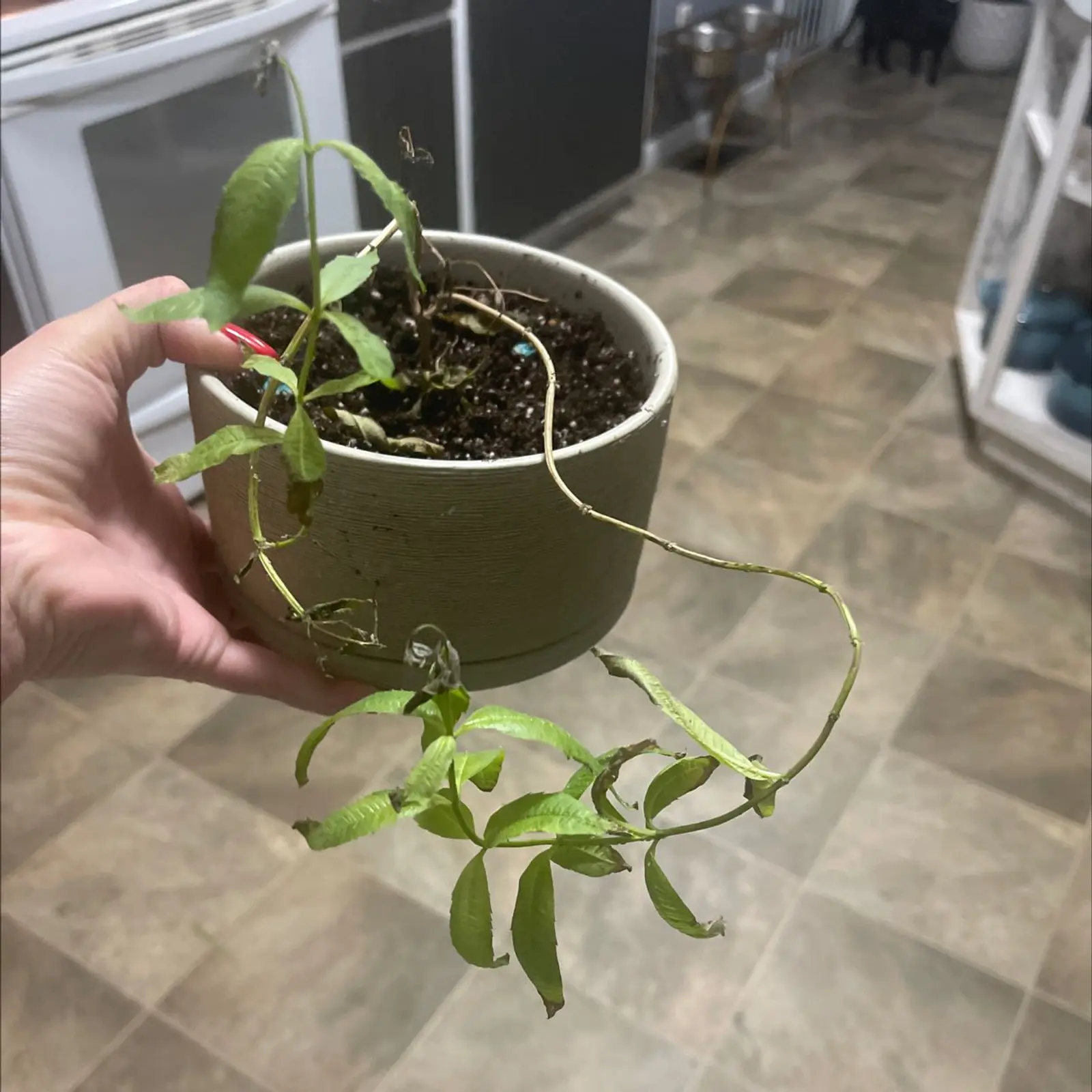
The Healthy Lemon Verbena Check-Up
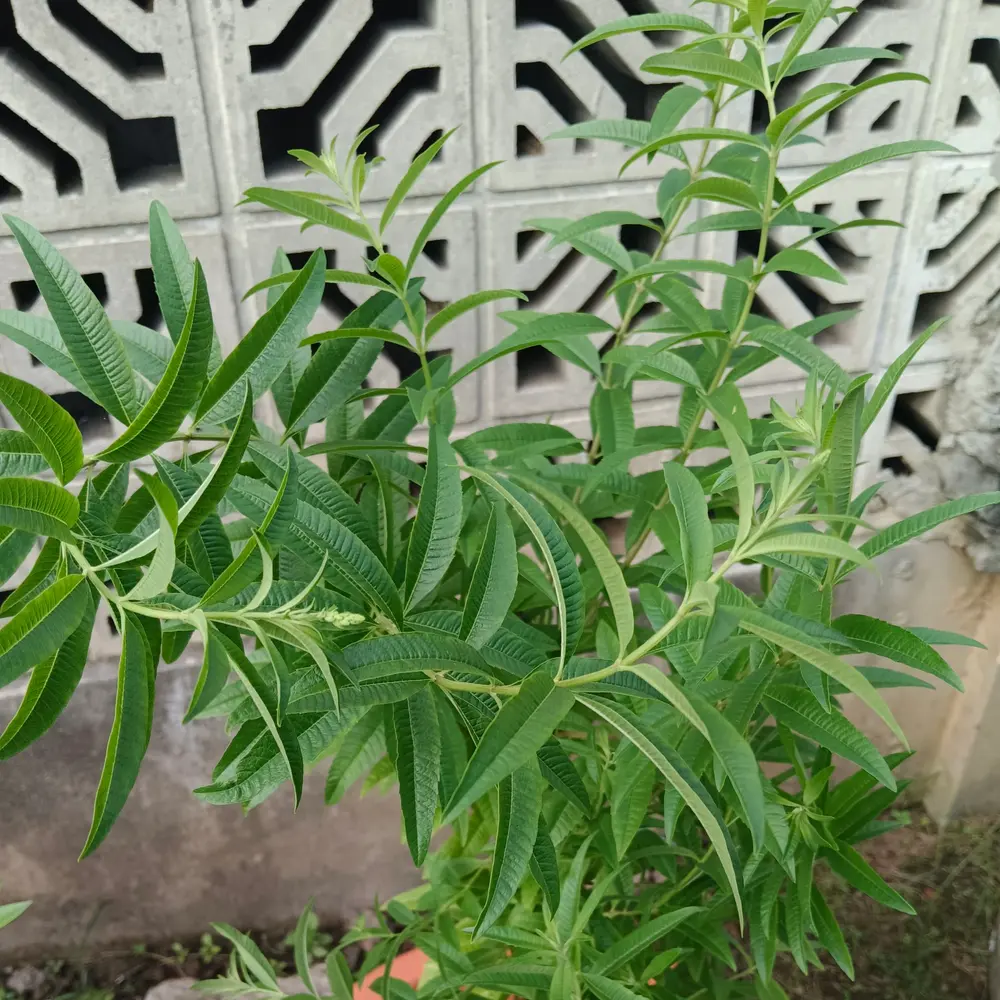
Thriving Lemon Verbena plants are a sight to behold: lush, fragrant, and vibrant. When your plant is bursting with life, it's a clear sign that you've nailed the care routine. Look for bright green leaves, strong stems, and that signature lemony scent.
🚨 Signs of a Thriving Plant
- Green, glossy leaves: The hallmark of health.
- Sturdy growth: No drooping or wilting here.
- Pleasant aroma: A zesty lemon fragrance that's hard to miss.
Early indicators of pest problems are like red flags at a bullfight – they demand immediate attention. Yellowing leaves, stunted growth, or a sudden lack of scent can all signal trouble.
🚩 Early Warning Signs
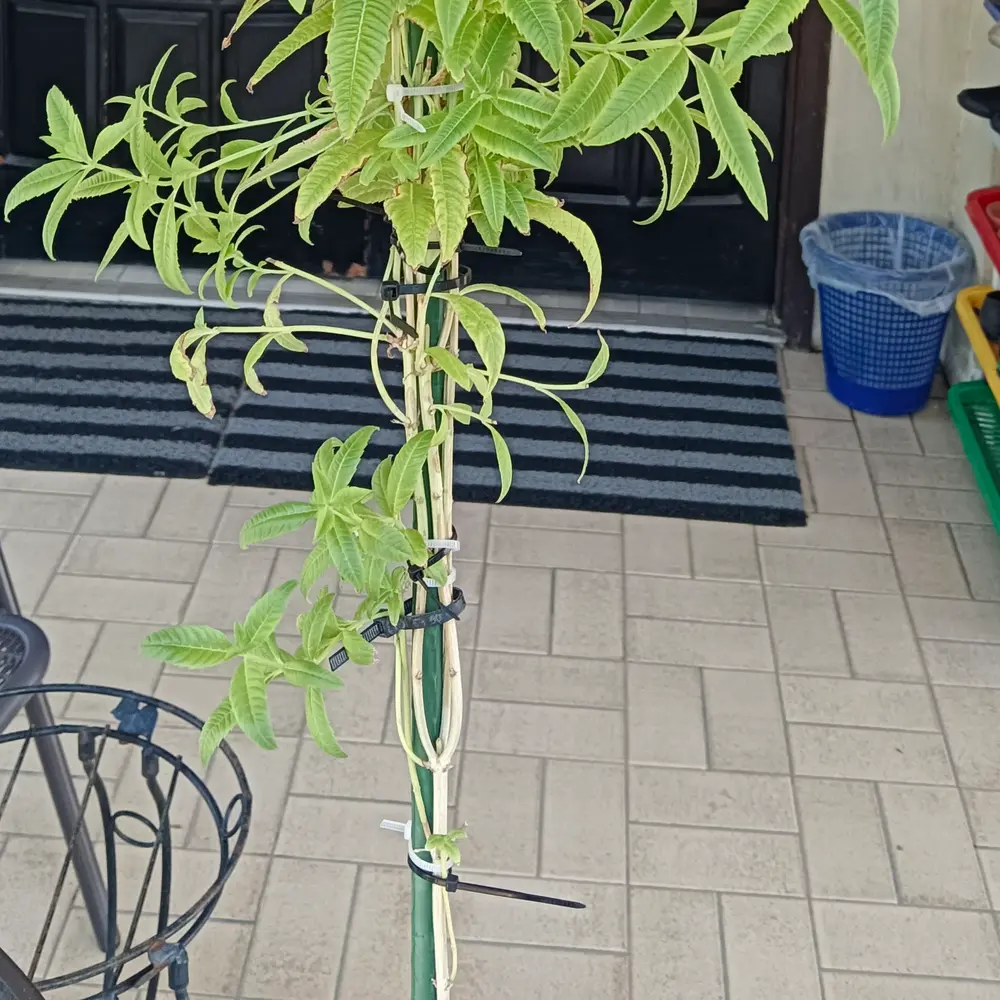
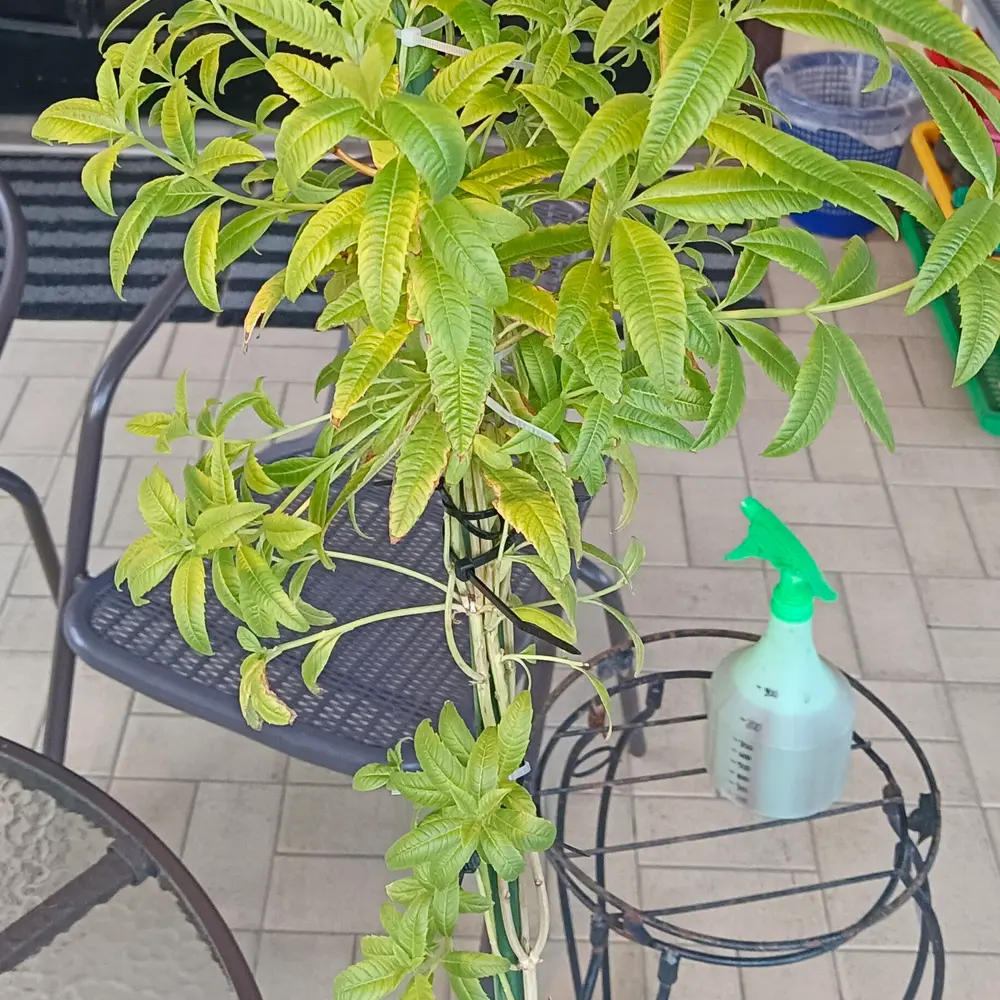
- Discoloration: Yellow or brown leaves aren't just sad; they're SOS signals.
- Leaf drop: If leaves are falling faster than confetti at a parade, pests might be partying.
- Webbing: Spider mites love to leave their silky signatures.
- Sticky residue: A telltale sign of sap-sucking insects.
Regular check-ups are your best defense. Like a detective on a stakeout, keep an eye out for the slightest change in your Lemon Verbena's demeanor. Remember, vigilance is key – it's easier to stop an invasion than to reclaim occupied territory.

Remedies and Treatments: Winning the War Against Pests
🐞 Natural Predators and Biological Controls
Beneficial Bugs to the Rescue
In the tiny world of Lemon Verbena, some insects are the good guys. Lacewings and predatory mites are like the neighborhood watch for aphids and spider mites. They keep the riff-raff in check, naturally. Attract these allies by avoiding broad-spectrum insecticides that could harm them. A healthy Lemon Verbena will thank you by being less of a pest magnet.
Ants: The Pest Protectors
Ants can be a nuisance, not just for their presence, but because they defend pests like aphids from natural predators. Minimize ant activity to ensure your insect army can do its job effectively.
💣 Chemical Warfare: When to Use Insecticides
Safe and Effective Insecticides
When nature's hitmen aren't enough, it's time to bring out the big guns. But choose wisely. Opt for insecticides that are safe for edible plants. Neem oil and insecticidal soap are your go-to options. They're like the bouncers at the club – tough on troublemakers but cool with the regulars. Always follow the label for proper use, and remember, timing is everything – especially when it comes to harvesting post-spray.
Systemic Insecticides: The Last Resort
If you've tried everything and pests are still throwing a rave on your Lemon Verbena, consider systemic insecticides. They work from the inside out, but they're the nuclear option. Use them sparingly and as a last resort.
🏡 Home Remedies and DIY Solutions
Kitchen Concoctions
Sometimes the best weapons are homemade. A spray made of water and mild soap can act as a pest deterrent. It's the equivalent of a cold shower for those party-crashing bugs. For a tougher crowd, a dab of rubbing alcohol can send mealybugs packing. It's the plant equivalent of telling uninvited guests the party's over.

Fortifying Your Lemon Verbena: Prevention Strategies
🌱 Cultivating Resilience in Lemon Verbena
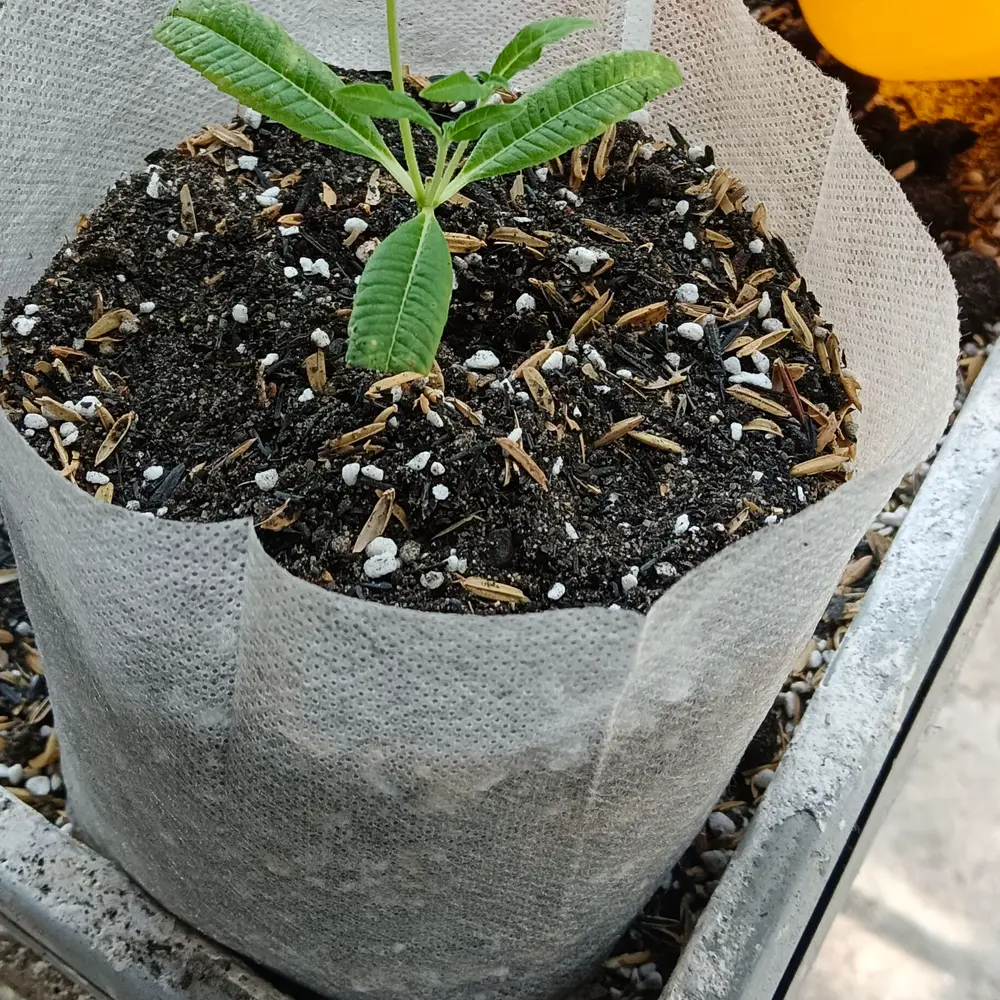
Resilience is your Lemon Verbena's secret weapon. Ensure it's basking in the right amount of sunlight and flexing its roots in nutrient-rich soil. It's like giving your plant a suit of armor against pests.
🐜 Hygiene Practices to Deter Pests
Keep it clean, folks. Debris is a party invitation for pests. Fallen leaves? Gone. Dead twigs? History. A tidy plant space is a no-go zone for bugs.
💧 Watering Wisdom: Moisture Management
Over-watering is a no-no. It's the equivalent of rolling out the red carpet for pests like fungus gnats. Water your Lemon Verbena just enough to keep the soil moist, not wet, and always avoid getting the foliage drenched.
⚠️ Safety First
This content is for general information and may contain errors, omissions, or outdated details. It is not medical, veterinary advice, or an endorsement of therapeutic claims.
Always consult a qualified healthcare professional before using any plant as food, medicine, or supplement.
Never eat any plant (or feed one to pets) without confirming its identity with at least two trusted sources.
If you suspect poisoning, call Poison Control (800) 222-1222, the Pet Poison Helpline (800) 213-6680, or your local emergency service immediately.
Spotted an error? Please report it here.
Eradicate pests and safeguard your Lemon Verbena with vigilant care 🛡️—let Greg's tailored alerts ensure your green friend thrives in a bug-free zone!