9 Plants That Love Growing with Lemon Verbena 🍋
Aloysia citrodora
By the Greg Editorial Team
Jan 06, 2025•5 min read
This article was created with the help of AI so we can cover more plants for you. May contain errors. See one? Report it here.
- 🌱 Lemon verbena thrives with herbs like basil and mint, sharing light and moisture needs.
- 🐞 Companion plants like marigolds and nasturtiums repel pests, enhancing lemon verbena's growth.
- 🌼 Avoid fennel and rue near lemon verbena, as they inhibit its development.
Best Companion Plants for Lemon Verbena
🌿 Herbs that Grow Well
Basil
Basil is a fantastic companion for lemon verbena, as it thrives in full sun and well-drained soil, just like lemon verbena. Not only does it share similar care needs, but its pest-repellent properties also deter aphids and whiteflies, keeping your garden healthy.
Visually, basil adds a striking contrast with its lush green leaves, enhancing the overall aesthetics of your garden. The unique shapes and colors of basil leaves can create a beautiful dynamic alongside lemon verbena.
Mint
Mint is another herb that pairs well with lemon verbena, preferring similar light and moisture conditions. Its strong aroma acts as a natural repellent for pests like ants and beetles, making it a valuable addition to your garden.
The lush foliage of mint adds texture and depth, enriching the visual appeal of your garden design. Together with lemon verbena, mint creates a vibrant and aromatic environment.
🌼 Flowers that Complement
Marigolds
Marigolds are a perfect floral companion for lemon verbena, thriving in full sun and well-drained soil. Their pest-repellent properties are effective against nematodes and aphids, providing an extra layer of protection for your plants.
With their bright colors, marigolds offer a vibrant contrast that can elevate the visual impact of your garden. Their cheerful blooms can brighten up any space, making them a delightful addition.
Nasturtiums
Nasturtiums also thrive in similar conditions as lemon verbena, attracting beneficial insects to your garden. Their ability to deter aphids and whiteflies makes them a smart choice for companion planting.
Visually, nasturtiums bring colorful flowers and edible leaves that enhance the diversity of your garden. Their unique appearance and utility make them a charming companion for lemon verbena.
🥕 Vegetables that Thrive
Tomatoes
Tomatoes are excellent companions for lemon verbena, requiring full sun and consistent watering. The aroma of lemon verbena can even deter pesky tomato hornworms, protecting your crop.
Tall tomato plants provide a lovely backdrop for lemon verbena, creating an appealing vertical element in your garden. This combination not only benefits the plants but also enhances the overall garden design.
Peppers
Peppers thrive alongside lemon verbena, preferring warm temperatures and well-drained soil. The pest-repelling qualities of lemon verbena can benefit pepper plants, keeping them healthy and productive.
Visually, the colorful peppers contrast beautifully with the green foliage of lemon verbena, adding a pop of color to your garden. This vibrant pairing creates an eye-catching display that is both functional and attractive.
As you explore these companion plants, consider how they can enhance not only the health of your lemon verbena but also the beauty of your garden. Next, let’s delve into the plants to avoid when growing lemon verbena to ensure a thriving garden ecosystem.
Plants to Avoid
🛑 Explanation of Incompatibility
When growing Lemon Verbena, it's crucial to be mindful of certain plants that can hinder its growth. Some plants may compete for nutrients or attract pests that can harm your beloved herb.
🚫 Fennel
Fennel is one plant to steer clear of when cultivating Lemon Verbena. Its presence can inhibit the growth of Lemon Verbena, potentially leading to stunted development.
⚠️ Rue
Rue is another plant that poses challenges for Lemon Verbena. It can negatively affect growth and may cause stress, reducing the overall vigor of your herb.
By avoiding these incompatible plants, you can ensure a healthier environment for your Lemon Verbena to thrive. Next, let's explore how companion planting can enhance pest management in your garden.
Pest Management through Companion Planting
🌱 How Companion Plants Can Deter Pests
Companion planting is a powerful strategy for managing pests naturally. By integrating pest-repellent species with vulnerable plants like lemon verbena, you create a protective environment that reduces pest populations.
These companion plants can emit scents or produce compounds that deter unwanted insects. This natural defense mechanism not only protects your plants but also promotes a healthier garden ecosystem.
🌼 Examples of Pest-Repellent Plants
Several plants stand out for their pest-repelling qualities.
- Basil: Known for its strong aroma, basil can effectively deter pests such as aphids and whiteflies.
- Marigolds: These vibrant flowers are not just pretty; they repel nematodes and aphids, making them excellent companions.
- Nasturtiums: Their peppery scent keeps pests like aphids at bay while attracting beneficial insects.
Incorporating these plants into your garden can significantly enhance your pest management strategy.
🛡️ Strategies for Effective Pest Management
To maximize the benefits of companion planting, consider grouping plants with similar pest-repelling properties. This creates a synergistic effect, amplifying their natural defenses.
Regular monitoring is crucial to maintaining plant health and effective pest control. Keep an eye out for any signs of pest activity and adjust your planting strategies as needed. By staying proactive, you can enjoy a thriving garden that flourishes alongside your lemon verbena.
With these strategies in place, you're well on your way to creating a pest-resistant garden that not only looks great but also thrives naturally.
Visual Appeal and Garden Design
Creating Visually Appealing Layouts 🌼
Arranging plants for aesthetic impact is all about balance. Consider the height, color, and texture of your plants to create a harmonious garden space.
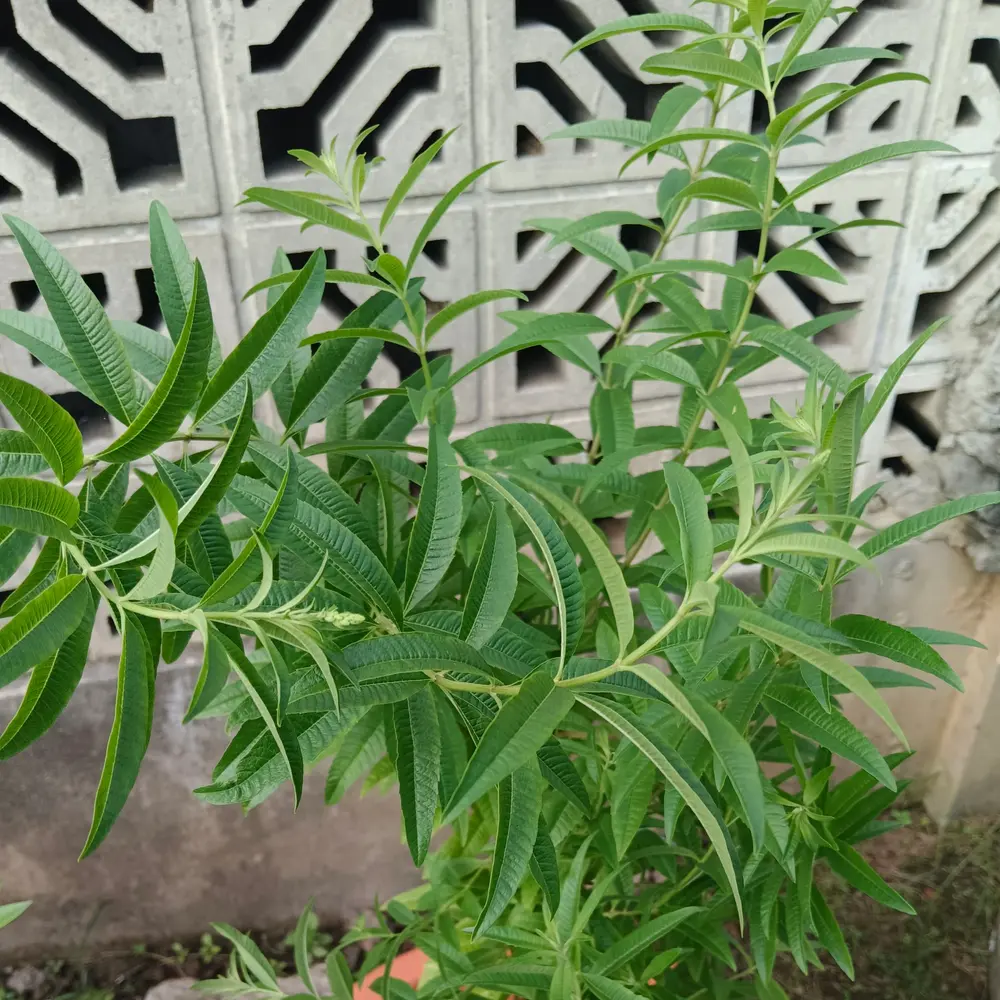
Mix taller plants like Lemon Verbena with shorter companions to add depth. This layering technique not only enhances visual interest but also allows each plant to shine.
Color and Texture Combinations 🎨
Pairing Lemon Verbena with complementary colors can elevate your garden's appeal. Think about using vibrant flowers like Marigolds or Nasturtiums to create a striking contrast.
Textures also play a crucial role. Combine the smooth leaves of Lemon Verbena with the ruffled foliage of Basil for a dynamic look that draws the eye.
Seasonal Considerations 🌱
Selecting companion plants that bloom at different times ensures your garden remains vibrant year-round. Plan for a mix of early, mid, and late bloomers to maintain continuous color.
This thoughtful approach not only enhances visual interest but also supports pollinators throughout the seasons. A well-planned garden is a joy to behold, no matter the time of year.
⚠️ Safety First
This content is for general information and may contain errors, omissions, or outdated details. It is not medical, veterinary advice, or an endorsement of therapeutic claims.
Always consult a qualified healthcare professional before using any plant as food, medicine, or supplement.
Never eat any plant (or feed one to pets) without confirming its identity with at least two trusted sources.
If you suspect poisoning, call Poison Control (800) 222-1222, the Pet Poison Helpline (800) 213-6680, or your local emergency service immediately.
Spotted an error? Please report it here.
Create a thriving garden ecosystem 🌿 by pairing lemon verbena with its perfect companions, and let Greg guide you with tailored care tips to keep your plants flourishing together!