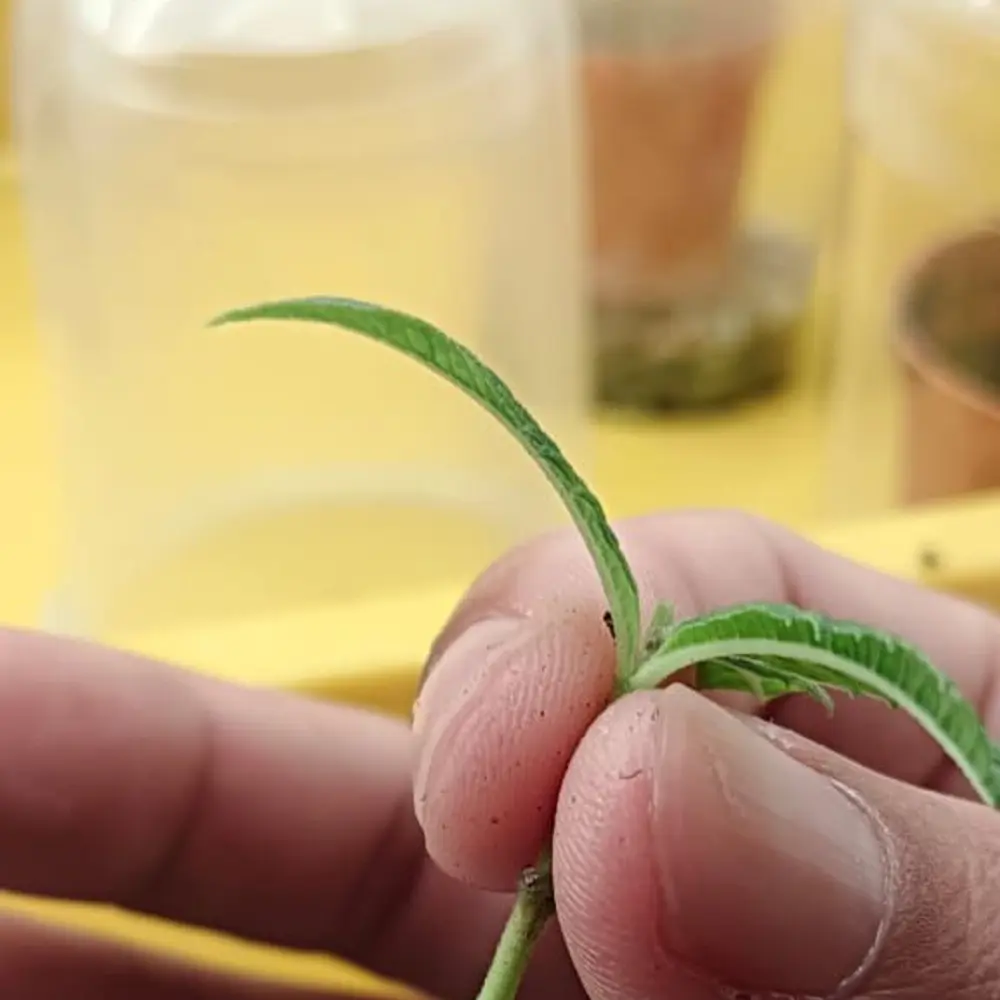
🌞 Is My Lemon Verbena Getting Too Much Direct Sunlight?
Aloysia citrodora
By the Greg Editorial Team
Jun 18, 2024•4 min read
This article was created with the help of AI so we can cover more plants for you. May contain errors. See one? Report it here.
- 6-8 hours of direct sunlight ideal for Lemon Verbena's growth and aroma.
- Leaf scorch and wilting signal too much sun; spindly stems mean not enough.
- Adjust location seasonally, use sheer curtains, and acclimate to prevent shock.
Spotting the Signs: Lemon Verbena's Sunlight Sweet Spot
🌞 When Lemon Verbena Thrives
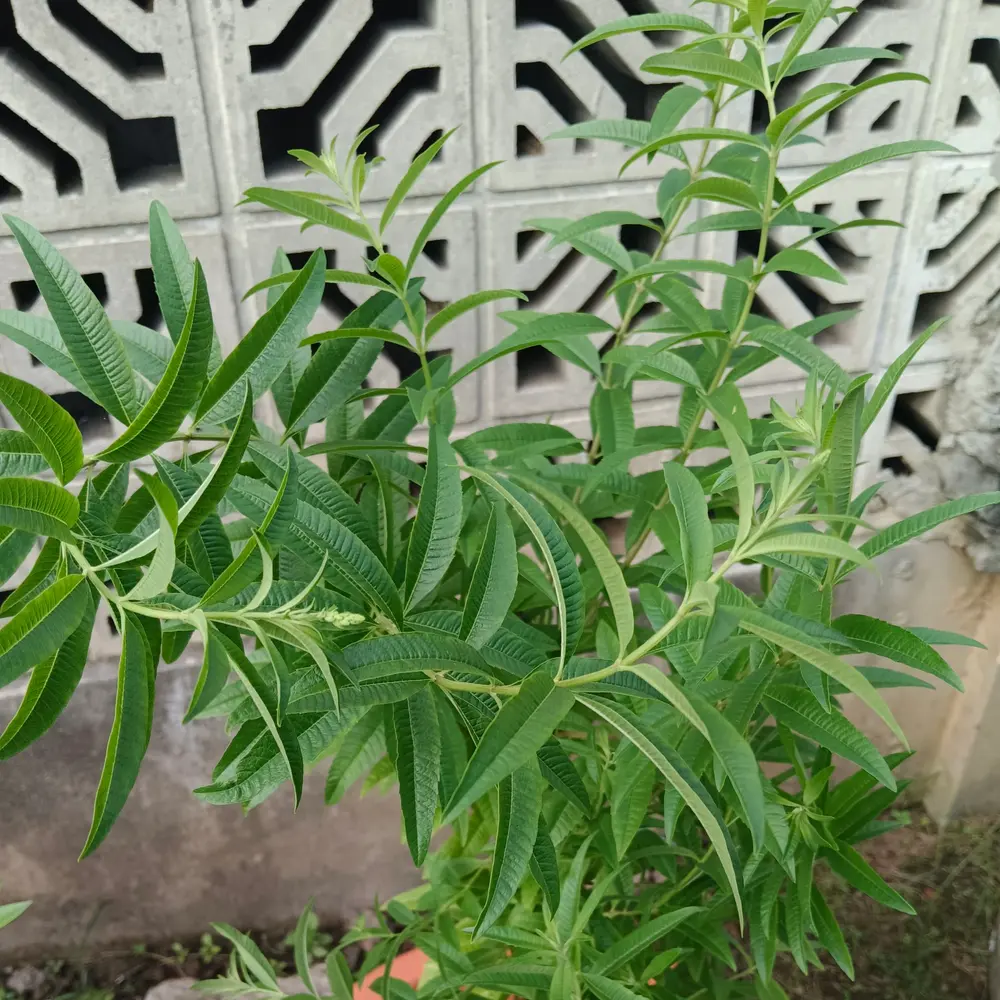
Lemon Verbena is the sun worshipper of the herb world, basking in a full day's glow. The magic number? Six to eight hours of direct sunlight for that lush growth and potent lemony aroma.
🚨 Too Hot to Handle?
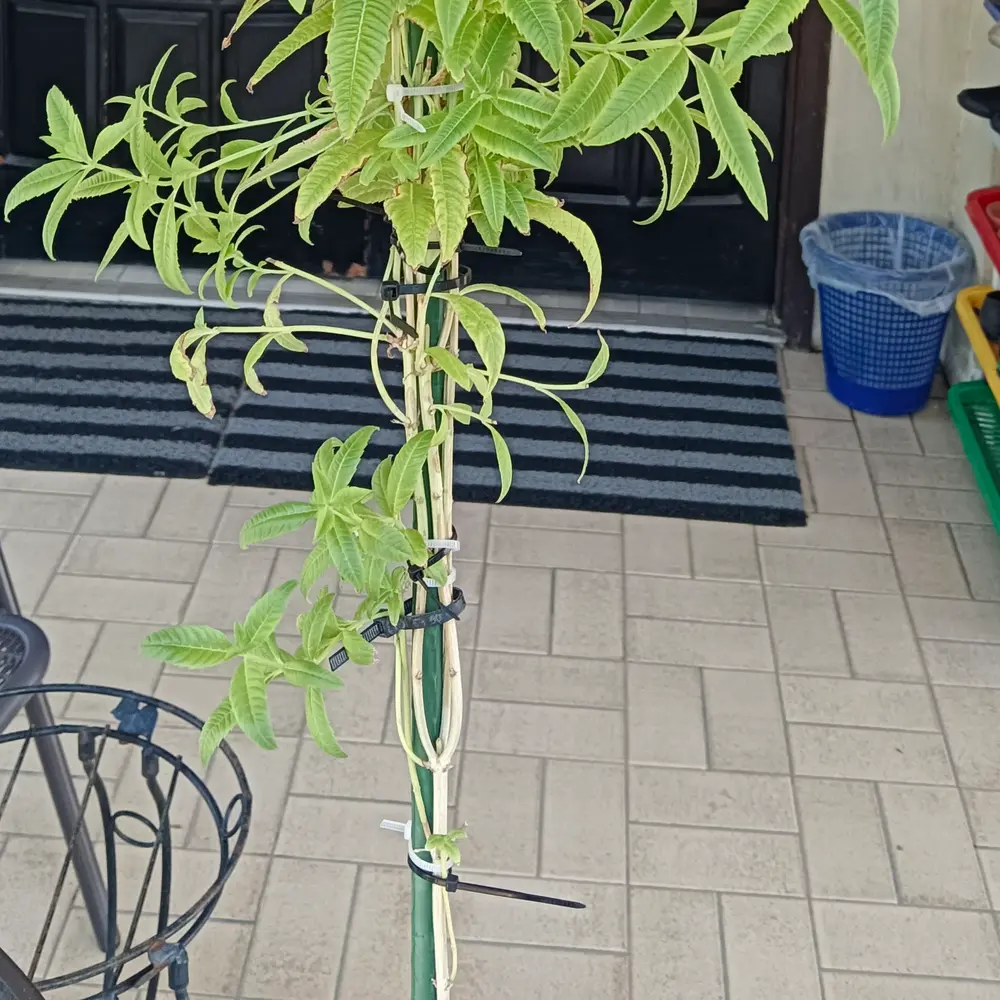
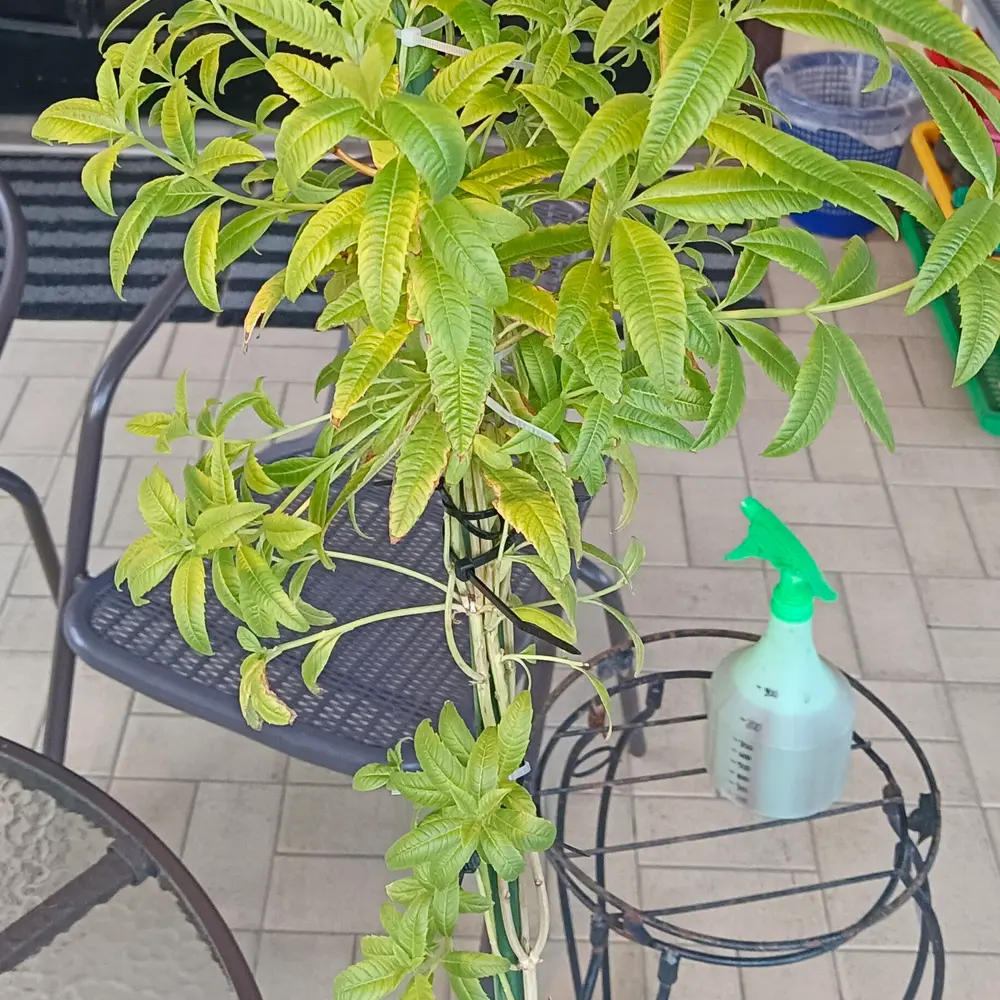
Watch out for the plant's SOS signals. Leaf scorch and wilting are the drama queens of overexposure, crying out, "I'm getting too much of a good thing!"
🌥️ Not Enough Rays?
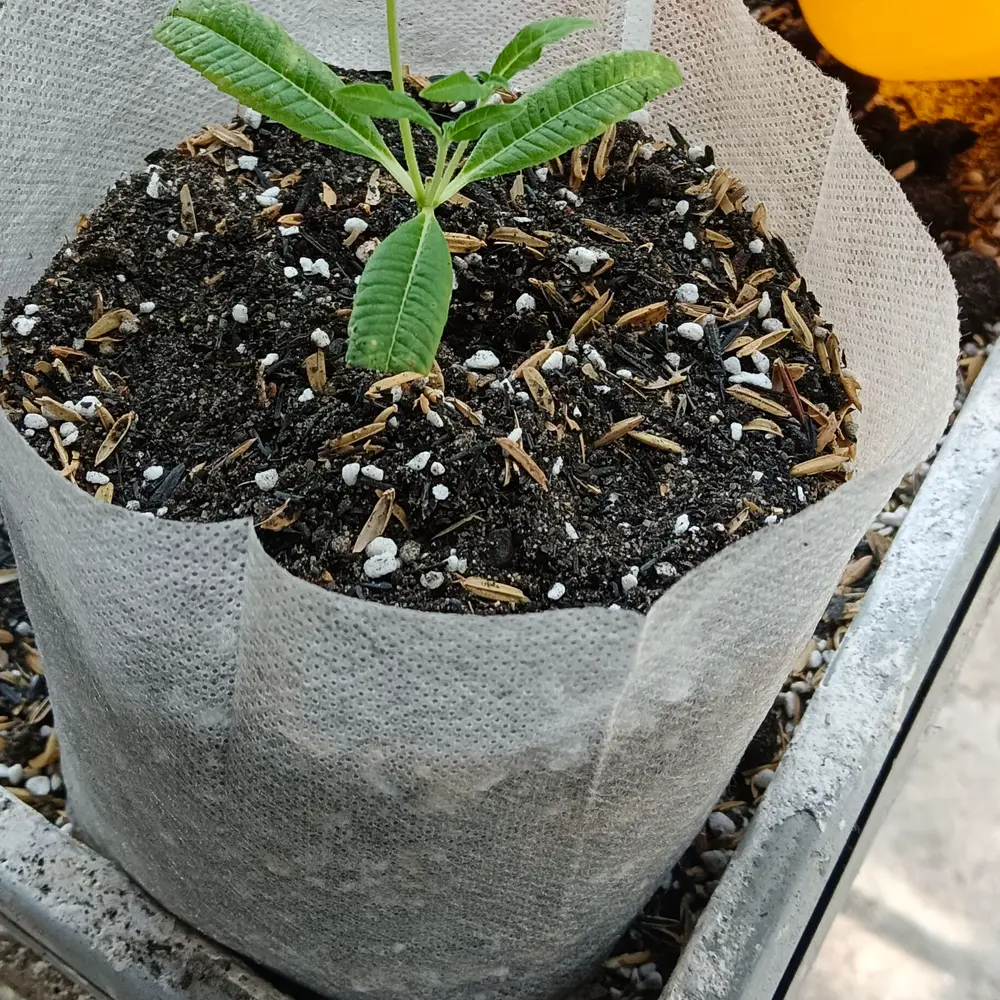
On the flip side, your Lemon Verbena might be playing it too cool. Spindly stems and lackluster growth? It's craving more sun, stat.
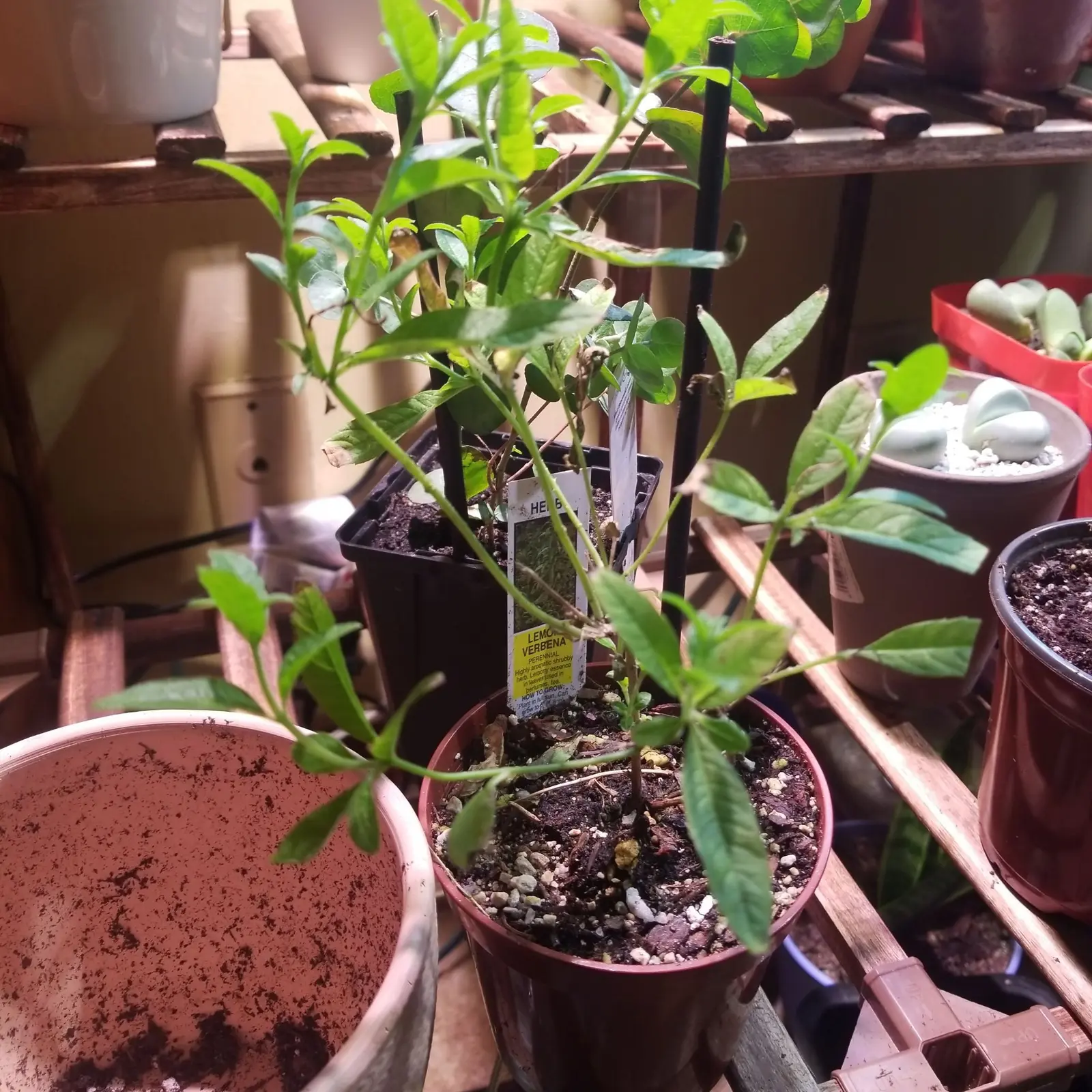
Location, Location, Location: Where to Place Your Lemon Verbena
🌅 Window Wisdom
Selecting the optimal window for your Lemon Verbena is like choosing the best seat at a concert; location is everything. East-facing windows offer a gentle morning light, perfect for easing your plant into the day without the harsh midday sun. West-facing windows, on the other hand, can be a bit like a spotlight in an interrogation room—intense and potentially too much for your leafy friend.
🌐 Hemisphere Hints
Your plant doesn't need a compass, but you might. In the Northern Hemisphere, a south-facing window is your go-to for that sun-soaked vibe. However, if you're chilling in the Southern Hemisphere, flip it and reverse it—north-facing windows are where it's at. Remember, it's all about the angle of the sun's rays, not just the zip code.
Keep your Lemon Verbena close, but not too close. A few feet from the window strikes the balance between sunbathing and sunburning. And don't forget, as the seasons change, so should your plant's position—sun angles aren't loyal, they switch up faster than a DJ changes tracks.
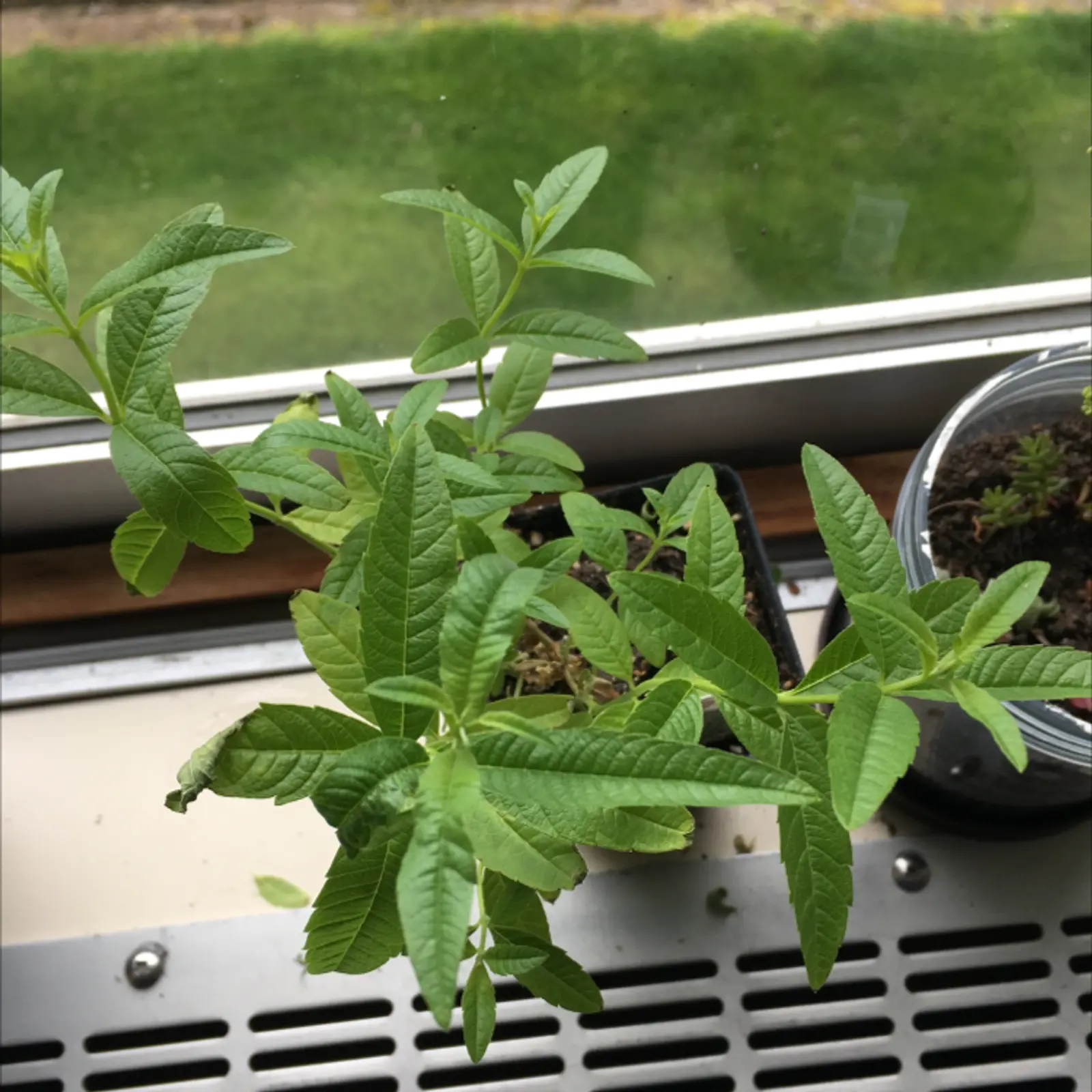
Seasonal Shifts: Adapting Lemon Verbena's Sunbathing Schedule
🌞 Summer Strategies
In the summer, Lemon Verbena's love for sunlight is put to the test. Intense sunlight can be more foe than friend during the hottest months. To manage this, provide your plant with afternoon shade. This can be as simple as moving it to a spot that gets a bit of relief from the relentless midday sun or using a sheer curtain to filter the light. Think of it as sunscreen for your plant; it's essential for preventing the leaf scorch that can occur when the sun is at its peak.
❄️ Winter Workarounds
Come winter, the sun plays hard to get. Shorter days and lower light levels mean your Lemon Verbena might struggle to get enough rays. To compensate, place it in the brightest spot you can find. If natural light is in short supply, consider a grow light to mimic the sun's embrace. It's like giving your plant a vitamin D supplement to ward off the winter blues. Remember, even in the chill of winter, your Lemon Verbena still craves that sunny disposition.
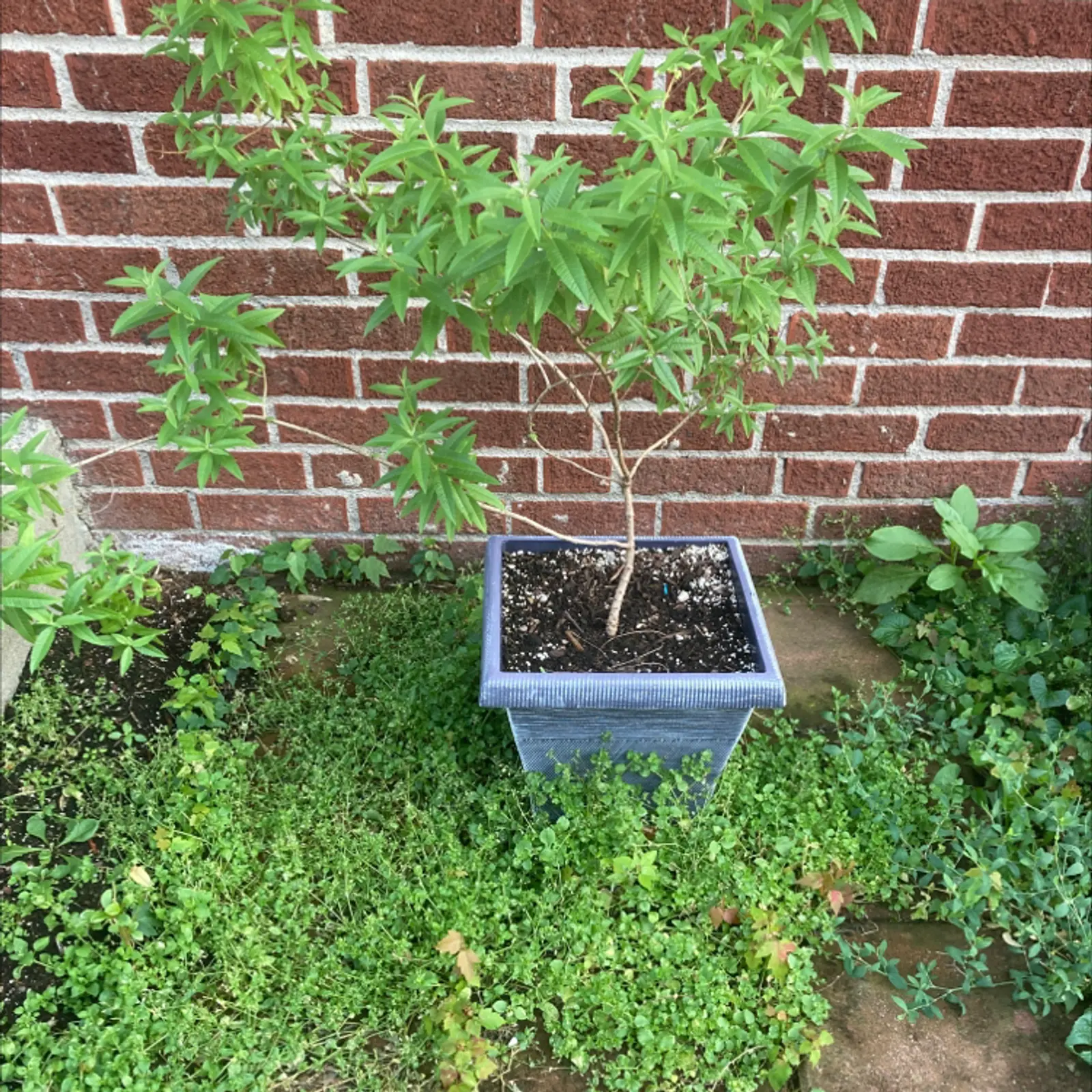
Practical Tips for Perfect Sunlight Exposure
🕶️ Creating a Sunlight Buffer
Sheer curtains are your Lemon Verbena's best friend when the sun gets too personal. They soften the sun's glare without ghosting on the light your plant craves. Think of them as sunglasses for your windowsill oasis.
🌞 Moving with the Sun
Your plant isn't a sun worshipper—it's more of a sun flirt. Repositioning it throughout the day isn't about being high-maintenance; it's about chasing that sweet spot of light. If the sun's kiss turns into a burn, scoot your Lemon Verbena back from the window or into a shadier nook.
🌅 Acclimatization is Key
Introduce your Lemon Verbena to direct sunlight like you would ease into a hot bath—gradually. Start with a shaded spot and slowly move it into more light to avoid the botanical equivalent of sunstroke. This way, your plant won't go into shock and you won't go into plant-parent panic mode.
⚠️ Safety First
This content is for general information and may contain errors, omissions, or outdated details. It is not medical, veterinary advice, or an endorsement of therapeutic claims.
Always consult a qualified healthcare professional before using any plant as food, medicine, or supplement.
Never eat any plant (or feed one to pets) without confirming its identity with at least two trusted sources.
If you suspect poisoning, call Poison Control (800) 222-1222, the Pet Poison Helpline (800) 213-6680, or your local emergency service immediately.
Spotted an error? Please report it here.
Find the perfect window spot ☀️ for your Lemon Verbena and avoid sunburn with Greg's PlantVision, ensuring lush growth and that signature lemony scent!