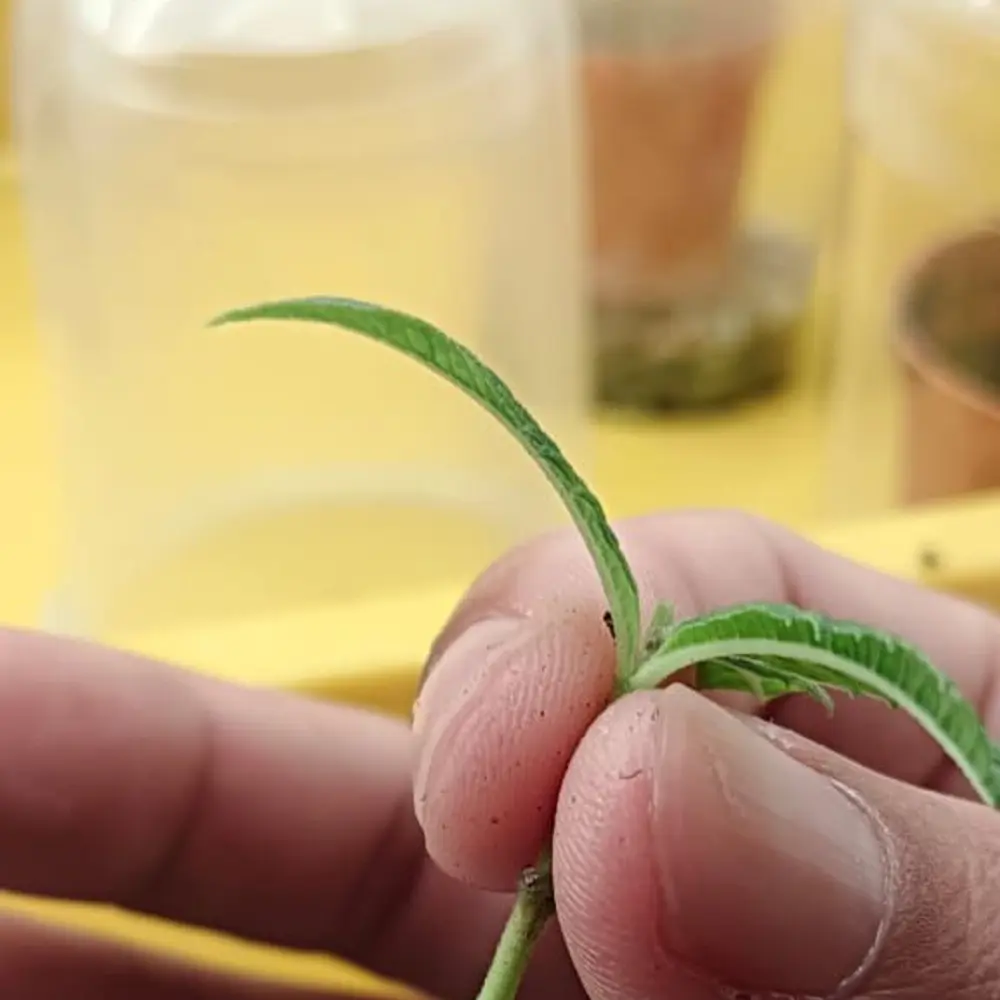
🍋 Lemon Verbena Is Not Considered a Weed
Aloysia citrodora
By the Greg Editorial Team
Jan 06, 2025•5 min read
This article was created with the help of AI so we can cover more plants for you. May contain errors. See one? Report it here.
- 🌱 Lemon Verbena thrives in warm climates with full sun, growing 3-5 feet tall.
- ✂️ Regular pruning promotes bushier growth and enhances its aesthetic appeal in gardens.
- 🐝 Attracts beneficial insects, supporting biodiversity and creating a healthier garden ecosystem.
Growth Habits
Typical Growth Patterns 🌱
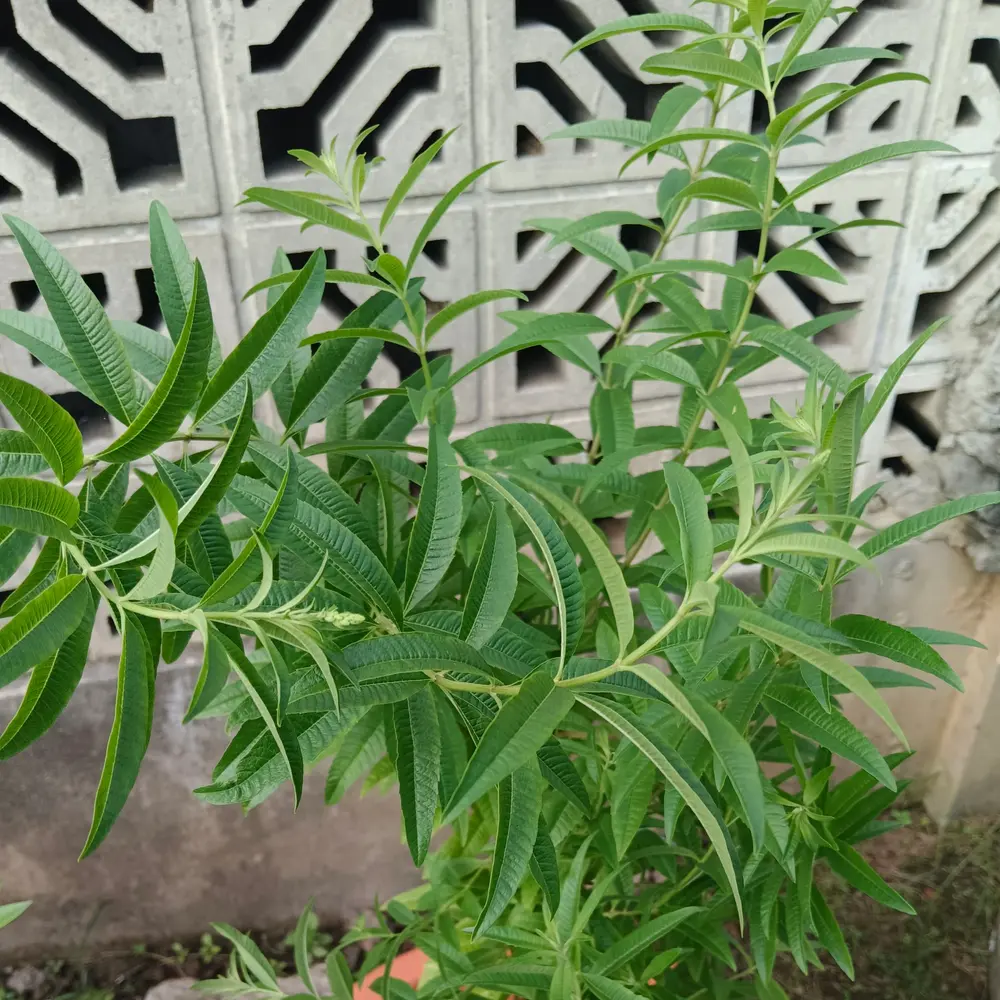
Lemon verbena grows as a bushy perennial shrub, typically reaching heights of 3-5 feet. This plant exhibits a moderate growth rate, thriving best in warm climates with full sun exposure.
Pruning is essential for maintaining its shape and size, enhancing its aesthetic appeal in garden designs. Regular trimming not only keeps it looking tidy but also encourages bushier growth.
Natural Limits to Growth 🌞
This herb prefers well-drained soil and can tolerate partial shade, but it truly flourishes in full sun. Its specific soil and light requirements limit its spread, making it less likely to invade surrounding areas.
Lemon verbena follows seasonal growth patterns, showing active growth in spring and summer while entering dormancy during the cooler months. This cyclical nature allows gardeners to plan their care accordingly, ensuring a vibrant display when it’s in season.
Ecological Role
Benefits to Local Wildlife 🐝
Lemon Verbena is a magnet for beneficial insects like bees and butterflies. By attracting these pollinators, it plays a crucial role in promoting biodiversity within gardens.
These insects thrive on the nectar provided by Lemon Verbena, contributing to the overall health of the ecosystem. A garden with this plant becomes a lively hub of activity, supporting local wildlife.
Positive Interactions with Other Plants 🌱
In addition to attracting pollinators, Lemon Verbena excels in companion planting. It enhances the growth of neighboring plants while also deterring pests.
The aromatic leaves of Lemon Verbena can repel certain harmful insects, creating a protective barrier for other plants. This synergy not only benefits individual plants but also fosters a healthier garden environment.
As you consider adding Lemon Verbena to your garden, think about how it can enhance both the beauty and ecological balance of your space. Its presence can lead to a flourishing garden that supports both wildlife and plant health.
Garden Management
Incorporating into Garden Designs 🌿
Lemon Verbena is a fantastic choice for herb gardens, borders, and ornamental beds. Its fragrant leaves not only enhance the sensory experience of your garden but also attract beneficial wildlife.
Planting Lemon Verbena alongside other non-invasive herbs and flowers creates a vibrant and diverse garden environment. This combination not only looks appealing but also promotes a healthy ecosystem.
Controlling Growth for Aesthetic Purposes ✂️
To keep your Lemon Verbena looking its best, regular pruning is essential. This practice helps maintain its shape and prevents overgrowth, ensuring it remains a stunning focal point in your garden.
The ideal time to prune is early spring, just before new growth begins. This timing encourages fresh, healthy foliage and flowers.
When planting, consider spacing your Lemon Verbena 2-3 feet apart. This distance allows for proper air circulation and reduces competition with neighboring plants, promoting a thriving garden.
With these simple management techniques, you can enjoy the beauty and benefits of Lemon Verbena while keeping your garden looking polished and inviting. Next, let’s explore how Lemon Verbena compares to other plants in your garden.
Comparison to Other Plants
🌱 Similar Non-Invasive Plants
When considering aromatic herbs, Lemon Verbena stands out against more aggressive growers like mint and basil. While mint can quickly take over a garden with its sprawling roots, Lemon Verbena maintains a manageable size, making it a more garden-friendly choice.
Lemon Verbena's ability to thrive in warmer climates is another advantage. Unlike basil, which can struggle in extreme heat, this resilient shrub flourishes under full sun, providing a reliable source of fresh aroma and flavor.
✨ Unique Qualities
One of the most captivating features of Lemon Verbena is its strong lemon aroma. This delightful scent not only enhances culinary dishes but also makes it a popular choice for herbal teas, adding a refreshing twist to your beverage.
Beyond its fragrance, Lemon Verbena's bushy appearance and delicate flowers bring visual interest to any garden. Its lush foliage creates a vibrant backdrop, making it a favorite among gardeners looking to add both beauty and utility to their outdoor spaces.
Incorporating Lemon Verbena into your garden not only enriches your culinary experiences but also contributes to a stunning landscape. As we explore its ecological benefits next, you'll see how this plant plays a vital role in supporting local wildlife.
Legal and Environmental Considerations
Classifications and Guidelines 🌱
When cultivating Lemon Verbena, it's essential to be aware of local regulations. Some areas may have specific guidelines regarding the planting of non-native species, so checking with local gardening authorities can help ensure compliance.
Sourcing your Lemon Verbena from reputable nurseries is equally important. This practice minimizes the risk of introducing pests or diseases that could harm your garden and local ecosystem.
Role in Sustainable Gardening 🌍
Lemon Verbena's non-invasive nature makes it a fantastic choice for sustainable gardening. Its ability to thrive without overtaking other plants supports a balanced garden environment.
By encouraging biodiversity, Lemon Verbena attracts beneficial insects and supports local wildlife. This aligns perfectly with eco-friendly gardening principles, making it a responsible choice for any gardener looking to make a positive impact.
As you plan your garden, consider how Lemon Verbena can enhance not just your space, but also the broader ecosystem. Its presence can contribute to a healthier, more vibrant garden that benefits both you and the environment.
Next, let’s explore how to effectively incorporate Lemon Verbena into your garden designs for maximum impact.
⚠️ Safety First
This content is for general information and may contain errors, omissions, or outdated details. It is not medical, veterinary advice, or an endorsement of therapeutic claims.
Always consult a qualified healthcare professional before using any plant as food, medicine, or supplement.
Never eat any plant (or feed one to pets) without confirming its identity with at least two trusted sources.
If you suspect poisoning, call Poison Control (800) 222-1222, the Pet Poison Helpline (800) 213-6680, or your local emergency service immediately.
Spotted an error? Please report it here.
Grow a thriving Lemon Verbena garden 🌿 with Greg's tailored care reminders, ensuring your plants flourish while attracting beneficial wildlife and enhancing your garden's beauty!