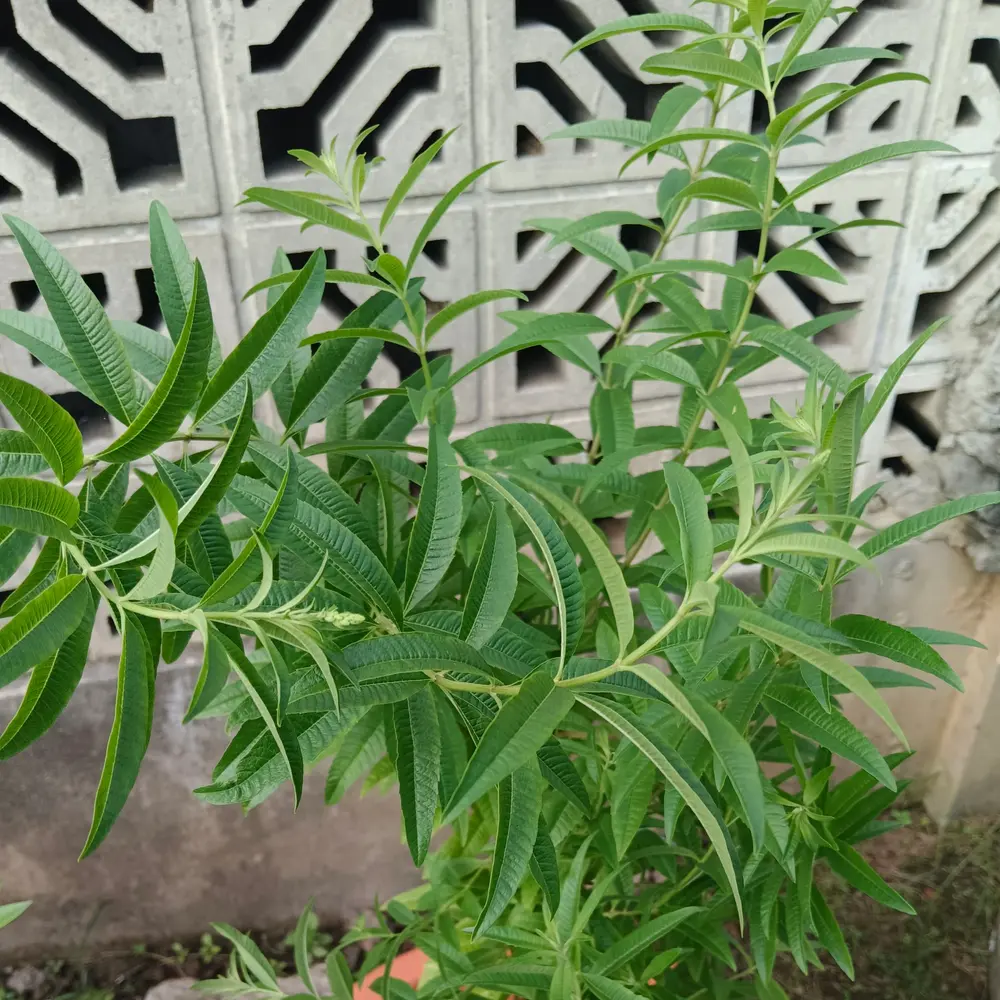
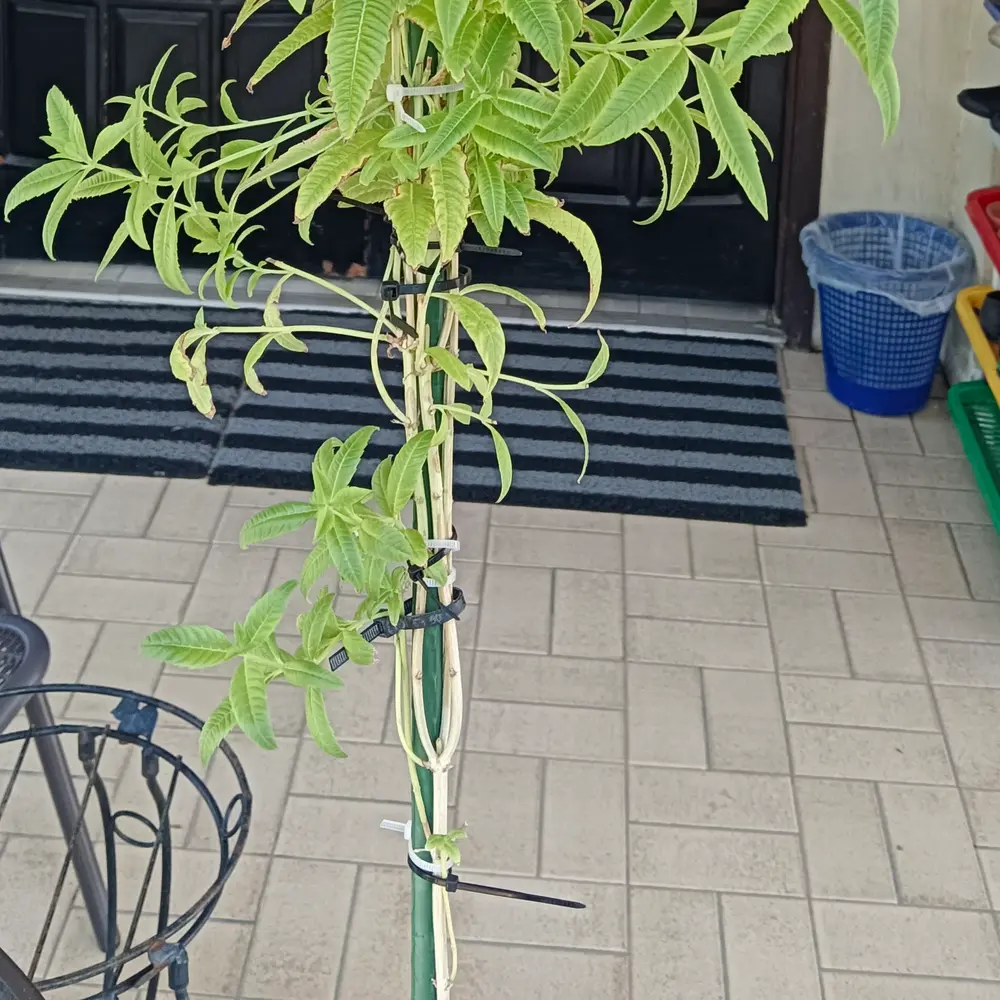
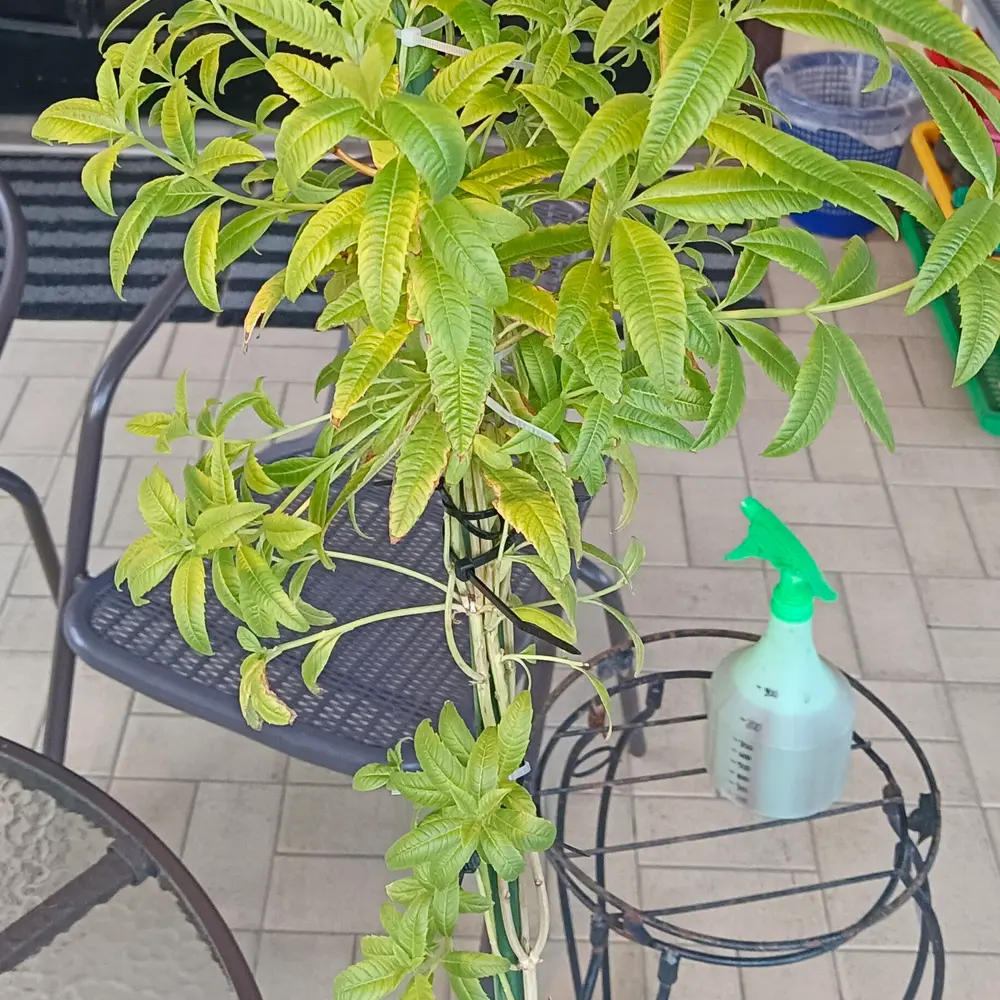
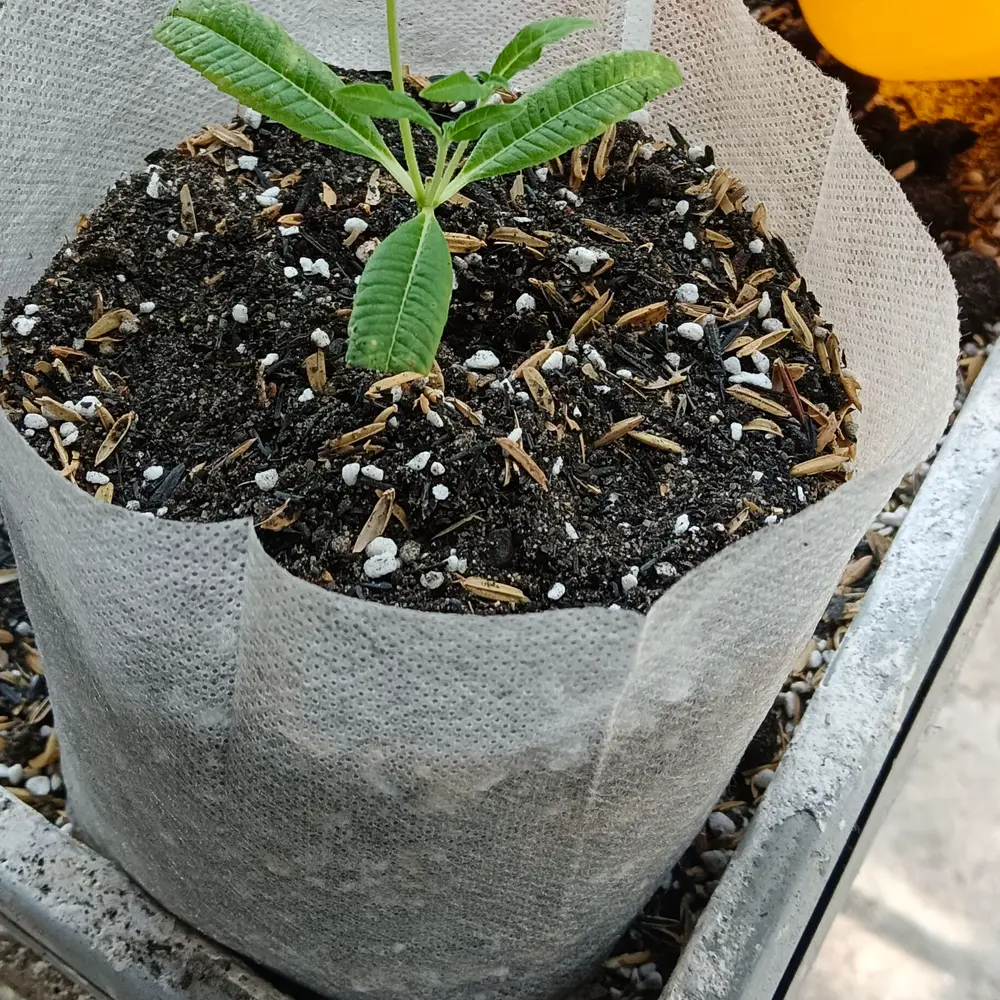
Optimal Hardiness Zones for Lemon Verbena: 8a-11b 🍋
Aloysia citrodora
By the Greg Editorial Team
Jan 06, 2025•4 min read
This article was created with the help of AI so we can cover more plants for you. May contain errors. See one? Report it here.
- 🌞 Lemon verbena thrives in hardiness zones 8a-11b, ideal for warmer climates.
- ❄️ Frost sensitivity means protecting lemon verbena when temperatures drop below 32°F (0°C).
- 💧 Well-drained soil and sunlight are crucial for optimal growth and vibrant foliage.
Lemon Verbena Temperature Tolerance
❄️ Cold Tolerance Specifics
Lemon verbena is sensitive to frost, with a temperature threshold between 20°F (-6°C) and 32°F (0°C). When exposed to cold temperatures, the plant can suffer from stunted growth and reduced leaf production, impacting its overall health.
☀️ Heat Tolerance Specifics
On the flip side, lemon verbena thrives in warmer climates, tolerating temperatures up to 100°F (38°C). However, during these high heat periods, it's crucial to maintain adequate watering and ensure optimal soil conditions to support the plant's needs.
🌨️ Impact of Frost on Growth
Frost can severely affect lemon verbena, leading to leaf damage and, in extreme cases, plant mortality. Understanding the timing of first and last frost dates is essential for successful growth, as this knowledge helps gardeners protect their plants during vulnerable periods.
Ideal Growing Regions
Examples of US States in Zones 8a-11b 🍋
Lemon verbena flourishes in several states within hardiness zones 8a to 11b. Notable states include California, Florida, Texas, and parts of the Southeast.
In California, regions like Southern California’s coastal areas provide ideal conditions. Florida's warm climate, particularly in the southern regions, also supports robust lemon verbena growth.
Factors Contributing to Ideal Conditions 🌱
Several factors contribute to the optimal growth of lemon verbena. Soil type plays a crucial role; well-drained soil is essential to prevent root rot.
Sunlight exposure is another key factor. Lemon verbena thrives in full sun, requiring at least six hours of direct sunlight daily to produce lush foliage and vibrant aroma.
Comparison of Different Regions 🌍
Climate variations exist even within the 8a-11b zones. For instance, coastal areas may experience milder temperatures compared to inland regions, affecting growth rates.
Local conditions, such as humidity and rainfall, can also impact lemon verbena cultivation. Understanding these nuances helps gardeners select the best planting locations for their lemon verbena.
As we explore the next section, we'll delve into the fascinating world of microclimates and how they can further influence the growth of lemon verbena.
Microclimates and Their Impact
🌍 Definition and Creation of Microclimates
Microclimates are localized climate zones that differ from the surrounding area. They can be influenced by various factors, including elevation, proximity to water bodies, and urban structures.
🌱 Extending Growing Range
Microclimates can significantly expand the growing range for Lemon Verbena, allowing it to thrive even outside its typical hardiness zones. For instance, a sheltered garden corner may create a warmer environment, enabling successful cultivation.
🌞 Examples in Various US Regions
In states like California and Florida, microclimates play a crucial role in supporting Lemon Verbena growth. Urban areas often have warmer microclimates due to heat retention, while rural regions may offer more consistent conditions for plant health.
Understanding these microclimates can help gardeners maximize their Lemon Verbena yields. By recognizing the unique conditions of their specific environment, they can make informed decisions about planting and care.
As we explore the states suitable for Lemon Verbena, consider how microclimates might influence your gardening success.
States Suitable and Unsuitable for Lemon Verbena
🌞 List of Suitable States
Lemon Verbena flourishes in hardiness zones 8a-11b. The states where it can thrive include:
- California
- Florida
- Texas
- Louisiana
- Arizona
- Georgia
- South Carolina
- Alabama
- Mississippi
These regions offer the warm temperatures and conditions that Lemon Verbena loves.
❄️ Explanation of Unsuitable States
On the flip side, several states fall outside the optimal range for Lemon Verbena. These include:
- North Dakota
- Minnesota
- Wisconsin
- Montana
- Maine
- Vermont
These states experience colder climates that are not conducive to the growth of Lemon Verbena.
🚫 Reasons for Unsuitability
The primary reasons these states are unsuitable relate to extreme cold and prolonged frost periods.
- Extreme Cold: Temperatures often drop below the threshold that Lemon Verbena can tolerate, leading to plant stress or death.
- Prolonged Frost Periods: Extended periods of frost can damage the plant's leaves and hinder growth, making it difficult for Lemon Verbena to thrive.
These factors significantly limit the growth potential of Lemon Verbena in unsuitable states, making it essential to choose the right location for successful cultivation.
As we explore further, understanding the ideal growing conditions can help you maximize your Lemon Verbena's potential.
⚠️ Safety First
This content is for general information and may contain errors, omissions, or outdated details. It is not medical, veterinary advice, or an endorsement of therapeutic claims.
Always consult a qualified healthcare professional before using any plant as food, medicine, or supplement.
Never eat any plant (or feed one to pets) without confirming its identity with at least two trusted sources.
If you suspect poisoning, call Poison Control (800) 222-1222, the Pet Poison Helpline (800) 213-6680, or your local emergency service immediately.
Spotted an error? Please report it here.
Unlock the secrets to thriving lemon verbena 🌿 with Greg's tailored care reminders that ensure your plant flourishes in its ideal hardiness zone!