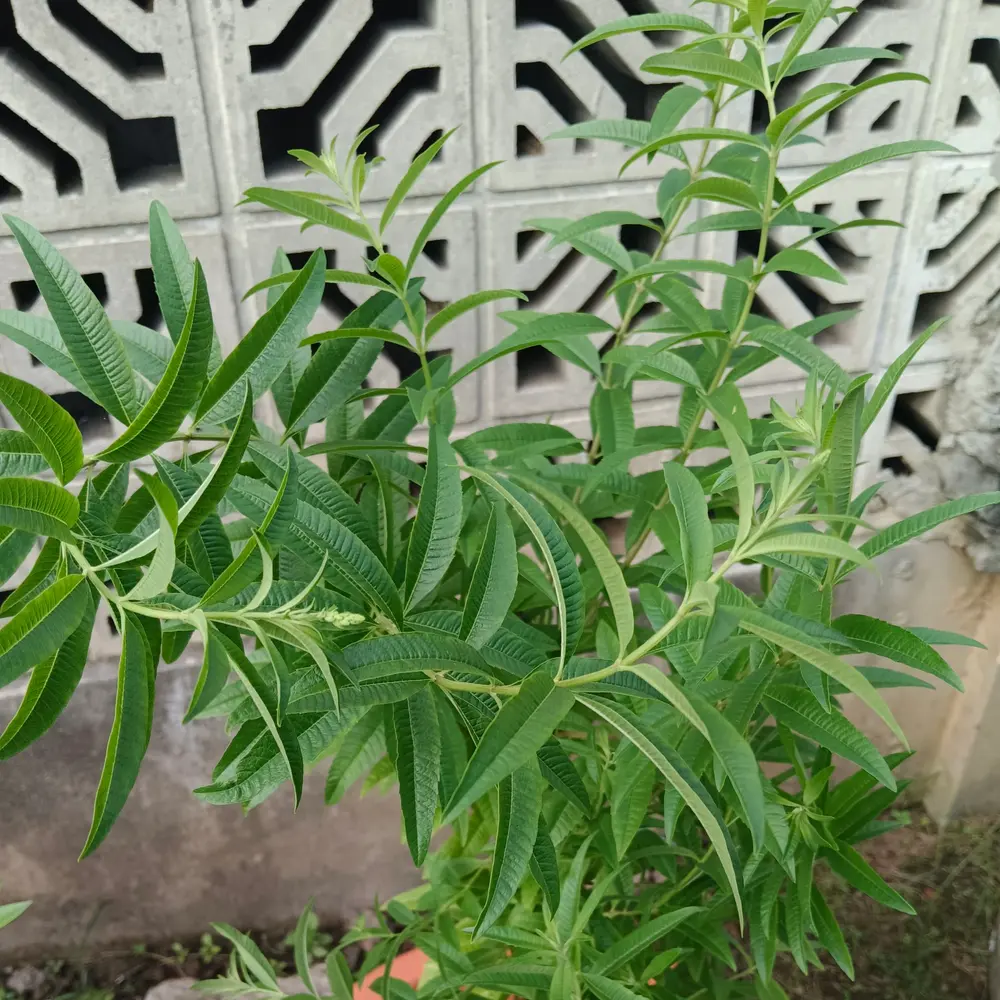
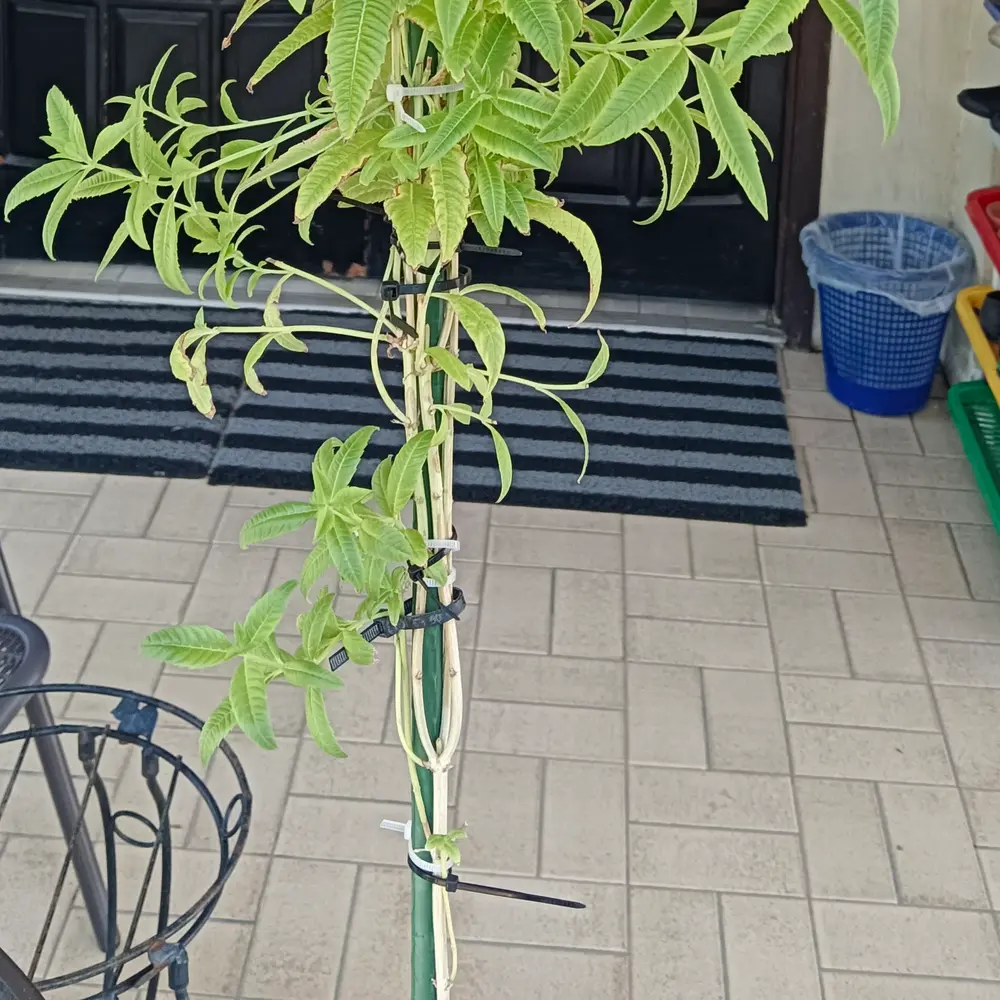
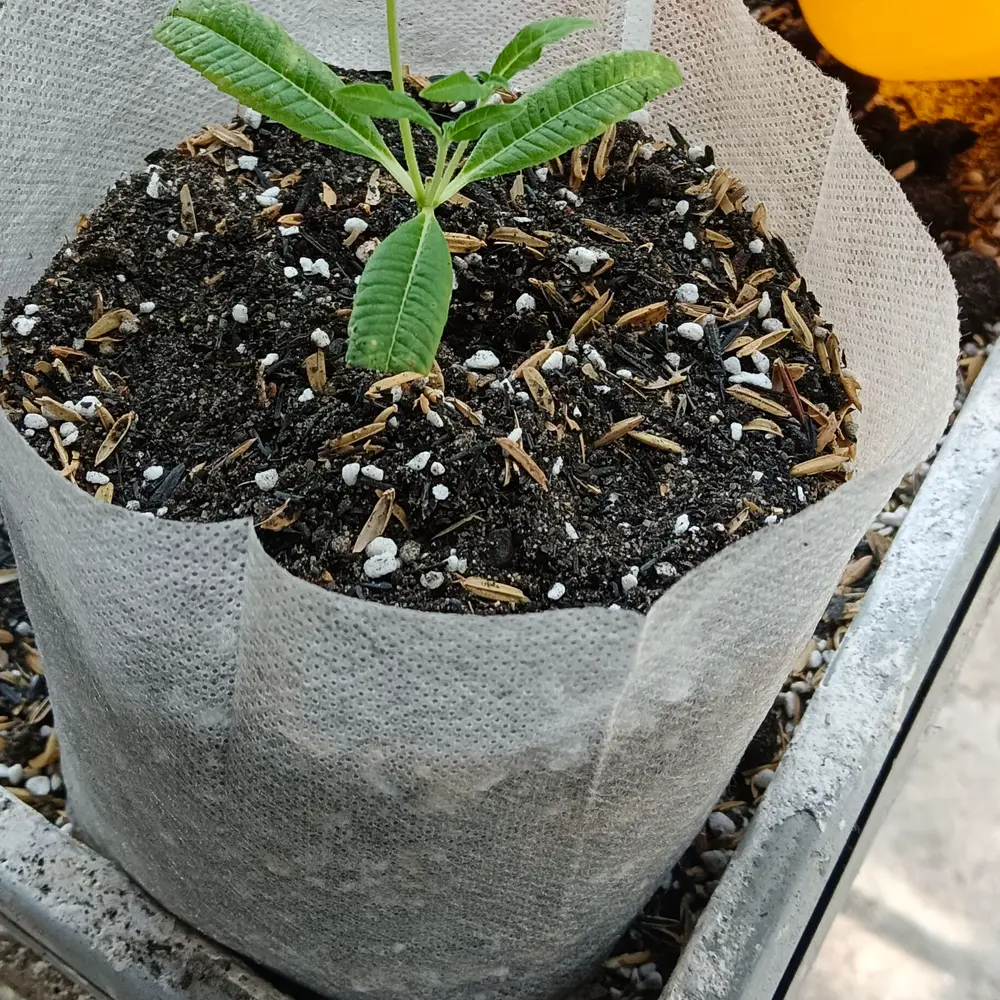
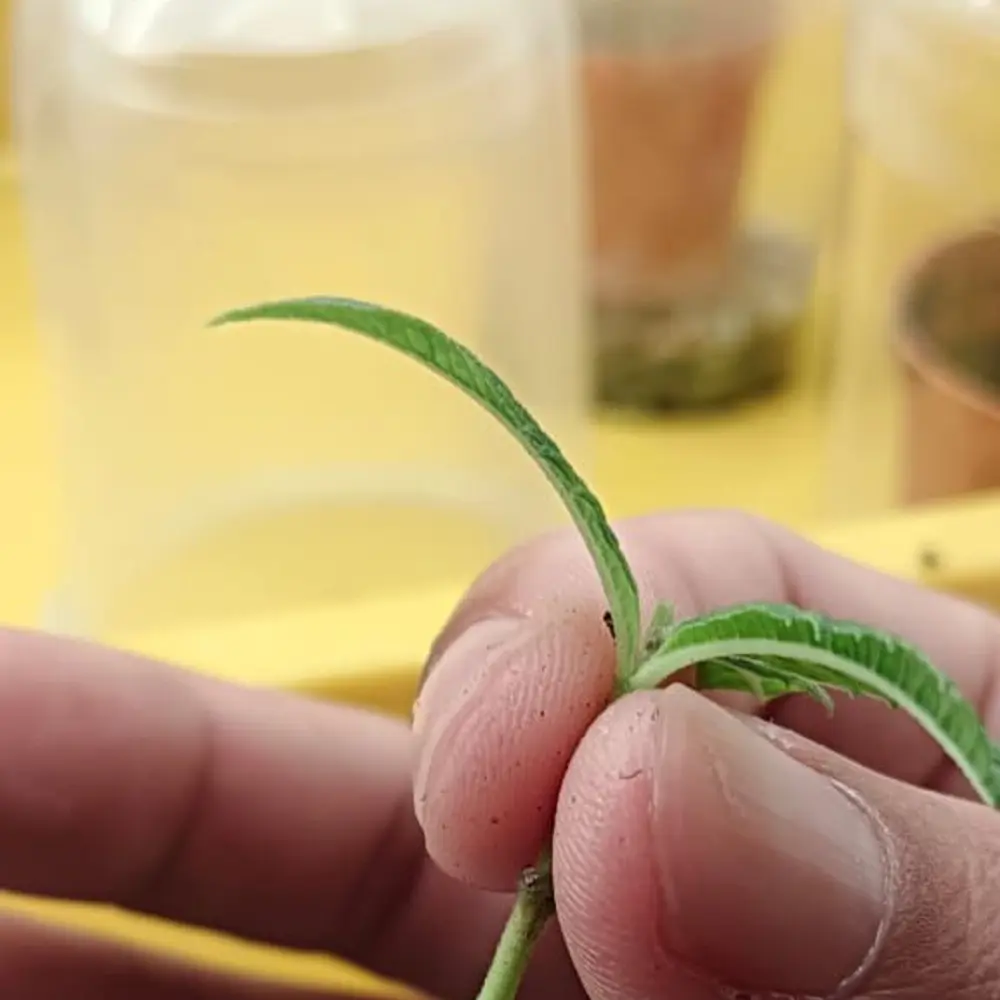
🍋 Lemon Verbena Roots 101
Aloysia citrodora
By the Greg Editorial Team
Jan 06, 2025•6 min read
This article was created with the help of AI so we can cover more plants for you. May contain errors. See one? Report it here.
- 🌱 Lemon Verbena roots spread horizontally, enhancing nutrient and moisture absorption.
- 💧 Consistent moisture is key; avoid overwatering to prevent root rot.
- 🌿 Repot every 1-2 years to prevent stunted growth from rootbound conditions.
Type of Root System Characteristics
🌱 Root System Type
Lemon Verbena features a fibrous root system, characterized by a network of thin, branching roots that spread out horizontally. This type of root system is efficient for anchoring the plant and absorbing nutrients and moisture from the upper soil layers.
In contrast, taproots grow deep into the soil, establishing a single, thick main root. Rhizomatous systems, on the other hand, produce underground stems that can generate new shoots, allowing for rapid expansion. Each system has its unique advantages, but the fibrous roots of Lemon Verbena excel in adaptability and resource gathering.
🌿 Specific Characteristics
One of the standout features of Lemon Verbena's fibrous root system is its extensive lateral growth capabilities. This allows the plant to cover a larger area for nutrient absorption, making it resilient in various environments.
Additionally, these roots adapt well to different soil types and conditions, thriving in sandy, loamy, or even clay soils. The structure of the roots plays a crucial role in the plant's ability to absorb nutrients and moisture, ensuring robust growth and health.
Root Depth and Growth Patterns
Root Depth and Spread 🌱
Lemon Verbena typically develops a root depth of 12 to 18 inches. This depth allows for a robust lateral spread, which enhances the plant's stability and resilience against environmental stressors.
The extensive lateral roots help anchor the plant, providing support as it grows taller. This characteristic is crucial for maintaining balance, especially in windy conditions or when the plant is laden with fragrant leaves.
Growth Patterns 📈
Understanding the seasonal growth patterns of Lemon Verbena is essential for promoting overall plant health. During the growing season, roots actively expand, absorbing nutrients and moisture to support lush foliage.
Several factors influence root growth, including soil quality and moisture levels. Healthy, well-draining soil encourages deeper root penetration, while consistent moisture ensures that roots remain hydrated without becoming waterlogged.
By monitoring these elements, you can foster a thriving Lemon Verbena plant that flourishes throughout the seasons. This knowledge sets the stage for effective watering and fertilizing practices, which we will explore next.
Watering and Fertilizing
How Root System Affects Practices 🌱
Maintaining consistent moisture is crucial for Lemon Verbena's fibrous root system. However, be cautious to avoid waterlogging, which can suffocate roots and lead to rot.
For optimal root health, aim to water your Lemon Verbena when the top inch of soil feels dry. This approach encourages deep root growth while preventing excess moisture.
Fertilizing Considerations 🌿
When it comes to fertilizing Lemon Verbena, choose a balanced, water-soluble fertilizer. This type provides essential nutrients that support robust root development.
Timing is key; fertilize during the growing season, typically every four to six weeks. This schedule ensures your plant receives the nutrients it needs to thrive.
Incorporating these watering and fertilizing practices will help your Lemon Verbena flourish. Next, let's explore common root-related issues that can arise and how to tackle them effectively.
Common Root-Related Issues
Identifying Problems 🌱
Root health is crucial for the vitality of your Lemon Verbena. One of the most common issues is root rot, which manifests as brown, mushy roots that emit a foul odor.
Overwatering is often the primary culprit behind root rot. Poor drainage can exacerbate this problem, leading to waterlogged soil that suffocates the roots.
Tips for Prevention and Solutions 🛠️
To maintain healthy roots, it's essential to establish a consistent watering routine. Aim for moist, but not soggy, soil to prevent root rot.
Consider using well-draining soil and pots with drainage holes to enhance root health. Regularly inspect your plants for signs of distress, and adjust your care routine accordingly.
If you suspect root rot, act quickly. Remove the plant from its pot, trim away affected roots, and repot it in fresh, dry soil.
By following these best practices, you can keep your Lemon Verbena thriving and avoid common root-related issues.
With a little attention and care, your plant will flourish, showcasing its vibrant leaves and delightful fragrance.
Root Health Indicators
👀 Visual Cues of Healthy vs Unhealthy Roots
Healthy Lemon Verbena roots are a sight to behold. They should be white, firm, and robust, indicating that the plant is thriving.
In contrast, unhealthy roots present a stark warning. Look for brown, mushy roots that emit a foul odor, signaling potential root rot or other issues.
🔍 Other Indicators
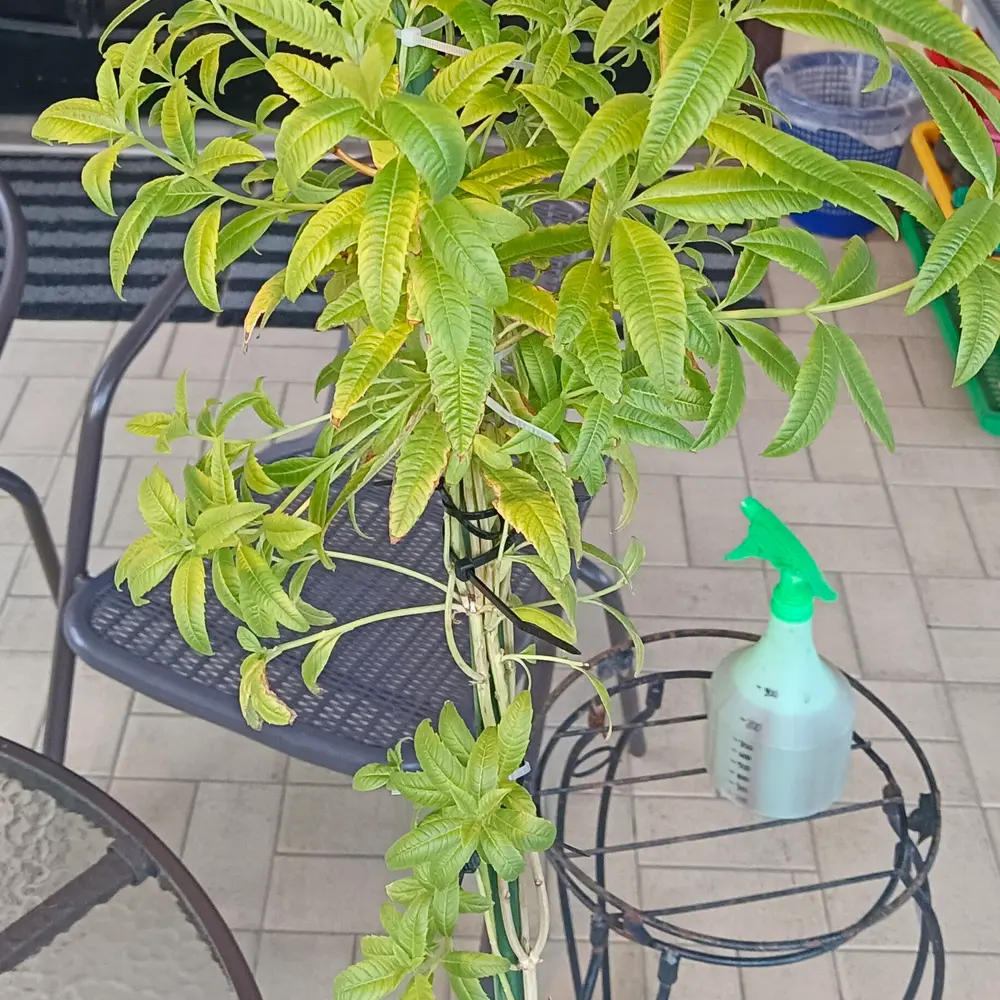
The overall appearance of your Lemon Verbena plant can provide valuable insights into root health. A vibrant, lush plant typically suggests strong roots, while wilting or yellowing leaves may indicate underlying root problems.
Regular root inspections during repotting are crucial. This practice helps you catch any issues early and ensures your plant remains healthy and vigorous.
Rootbound Plants
Definition and Recognition 🌱
A rootbound plant is one that has outgrown its container, causing its roots to circle around the pot instead of spreading out. For Lemon Verbena, this can lead to stunted growth and poor health if not addressed promptly.
Signs that your Lemon Verbena is rootbound include roots growing out of the drainage holes, a plant that appears top-heavy, or a noticeable decline in growth despite proper care. If you notice these indicators, it’s time to take action.
Addressing Rootbound Issues 🛠️
To prevent rootbound conditions, repot your Lemon Verbena every 1-2 years or when you notice signs of being rootbound. The best time to repot is during the spring, just before the growing season kicks in.
Here’s a step-by-step guide for safely repotting a rootbound Lemon Verbena:
- Choose a New Pot: Select a pot that is 1-2 inches larger in diameter than the current one.
- Prepare the Soil: Use a well-draining potting mix suitable for herbs.
- Remove the Plant: Gently slide the plant out of its current pot, being careful not to damage the roots.
- Loosen the Roots: If the roots are tightly wound, gently tease them apart to encourage outward growth.
- Repot: Place the plant in the new pot, filling in with fresh soil around the roots.
- Water Thoroughly: After repotting, give the plant a good drink to help settle the soil.
By following these steps, you can ensure your Lemon Verbena has the space it needs to thrive. This proactive approach will keep your plant healthy and vibrant, ready to produce its fragrant leaves.
Propagation and Division
Importance of Root Health 🌱
Healthy roots are the backbone of successful propagation. They ensure that new plants can establish themselves quickly and thrive in their new environment.
Timing is crucial when propagating Lemon Verbena. Aim to propagate during the growing season, typically in spring or early summer, when the plant is most active and capable of robust root growth.
Best Practices for Dividing ✂️
Dividing Lemon Verbena can rejuvenate the plant and promote healthy growth. Use a sharp, clean tool to carefully separate the root ball into sections, ensuring each division has a good amount of roots and foliage.
After dividing, provide proper post-division care. Water the new sections thoroughly and place them in a shaded area for a few days to help them acclimate and recover from the shock of division.
By following these practices, you can ensure that both the parent plant and its divisions flourish. This not only enhances your garden but also deepens your connection to the vibrant world of Lemon Verbena.
⚠️ Safety First
This content is for general information and may contain errors, omissions, or outdated details. It is not medical, veterinary advice, or an endorsement of therapeutic claims.
Always consult a qualified healthcare professional before using any plant as food, medicine, or supplement.
Never eat any plant (or feed one to pets) without confirming its identity with at least two trusted sources.
If you suspect poisoning, call Poison Control (800) 222-1222, the Pet Poison Helpline (800) 213-6680, or your local emergency service immediately.
Spotted an error? Please report it here.
Keep your Lemon Verbena roots thriving 🌱 with Greg's custom watering reminders and expert care tips that ensure your plant flourishes all season long!